
Film
Frankenstein Meets the Wolf Man
A 1943 Universal monster mashup where the Wolf Man seeks out Frankenstein's Monster hoping for a cure to his curse. It's energetic B-movie spectacle—creaky but charming, with genuine monster-movie atmosphere beneath the pulp. Perfect for anyone who loves classic horror's particular brand of earnest melodrama.
Should you watch it?
Watch it if you love lean, atmospheric 1940s monster movies where the fog, candlelit crypts and gothic sets do most of the storytelling, and a brisk 74 minutes feels like a generous helping rather than a chore.
Skip it if you need modern pacing, real characters with inner lives, or effects that hold up; the dialogue is creaky and the plot moves by convenient coincidence rather than dread built slowly.
What it asks of you: Very little of your time, and some patience with old-fashioned stagebound acting. It is short and quick, with a light touch on the spooky material and no interest in lingering on suffering.
Not sure? Find tonight's pick in a minute.
If you liked this
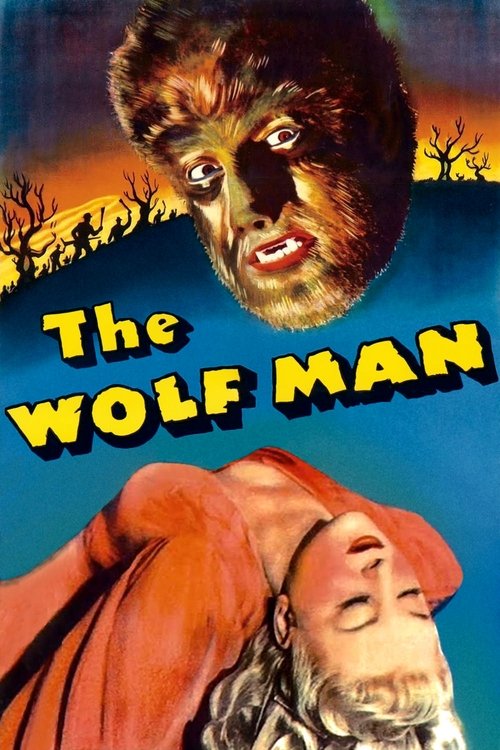
The Wolf Man1941
The film that invented the modern werewolf myth. Lon Chaney Jr. is heartbreaking as a man trapped by fate, and the creature effects still hold up. Essential viewing before the crossover.
But It moves slowly by modern standards, and the romance subplot feels obligatory. Some of the tragedy lands better on repeat viewings.
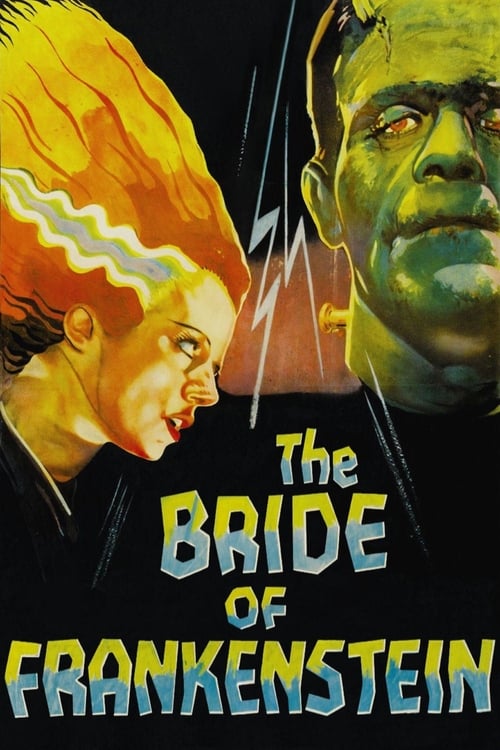
Bride of Frankenstein1935
The sequel that equals or surpasses the original—baroque, funny, grotesque, and genuinely moving. James Whale's direction is masterful; Elsa Lanchester is unforgettable in her dual role.
But The camp can feel like parody if you're in the wrong mood. It's theatrical in ways that don't always work on first watch.
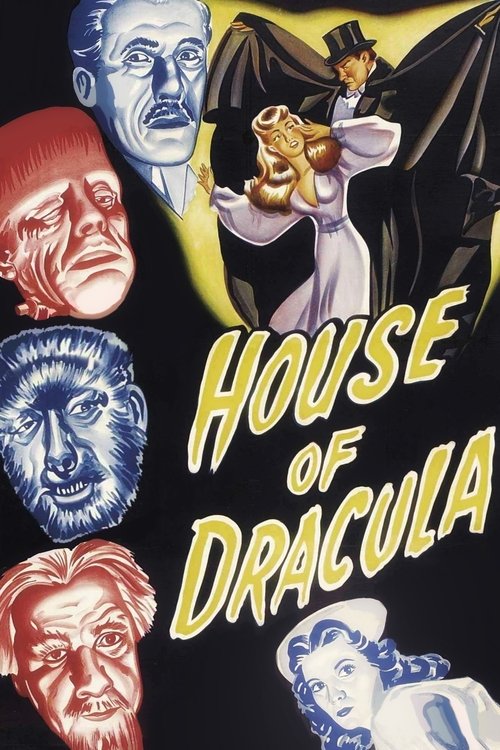
House of Dracula1945
Universal's follow-up to this film, bringing together Dracula, the Wolf Man, and the Frankenstein Monster again. More monsters, more mayhem, same gleeful B-movie energy and practical creature work.
But The plot is thinner and sloppier than Frankenstein Meets the Wolf Man. It feels like they ran out of budget before they ran out of ideas.
Not sure tonight? Get a pick in a minute, starting from Frankenstein Meets the Wolf Man
The wildcard
Something you would not have found on your own.
The Cabinet of Dr. Caligari1920
Frankenstein Meets the Wolf Man inherits its entire visual language and moral framework from Caligari—the mad scientist who plays God, the theme of men made monstrous by forces beyond their control, the baroque expressionist atmosphere beneath the surface of every Universal horror.
A German Expressionist masterpiece that essentially invented the mad scientist archetype. Everything—the distorted sets, the doctor's manipulation of sleepwalkers, the atmosphere of dread—flows through every monster film that came after. You're watching the DNA.
But It's silent, it's slow, and it looks nothing like what you expect from a 1920 film. The emotional logic is dreamlike rather than narrative. Some find it impenetrable on first viewing.

More like this (8)
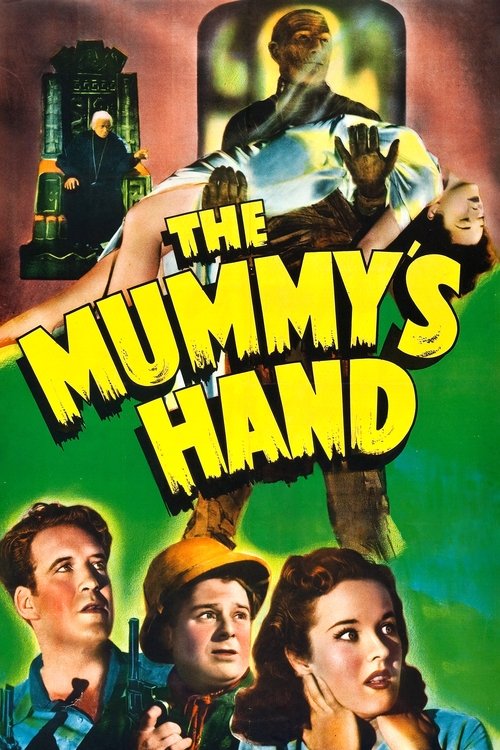
The Mummy's Hand1940
The template for how Universal remade its properties in the '40s—cheaper, faster, but surprisingly effective. Good fun, solid monster movie thrills, and a rare comedic lead who actually lands his jokes.
But It's slight compared to the original 1932 Mummy. If you want gothic atmosphere, this trades it for speed and one-liners.
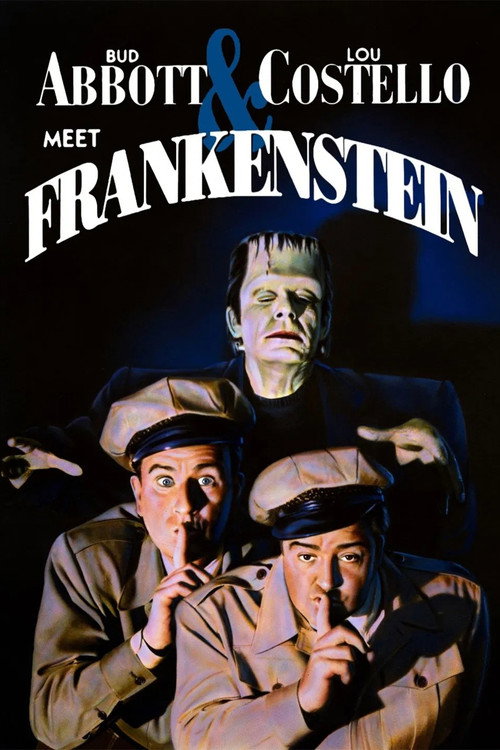
Bud Abbott and Lou Costello Meet Frankenstein1948
The same monster universe but as comedy. Chaney Jr. returns as the Wolf Man opposite Bud Abbott and Lou Costello; it's genuinely funny and oddly affectionate toward the monsters themselves.
But If you can't stand slapstick or 1940s comedic timing, this will exhaust you fast. The humor is very much of its moment.
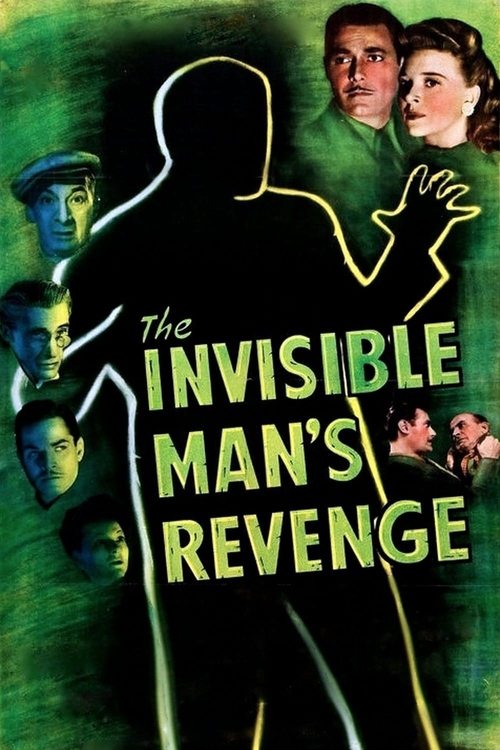
The Invisible Man's Revenge1944
Another Universal monster film from the same era with the same practical charm. Jon Hall is lean and vicious as the vengeful lead; the invisibility effects are clever low-budget work.
But It's a revenge film first and a monster movie second. If you're specifically here for creatures and spectacle, you'll find less than you expect.
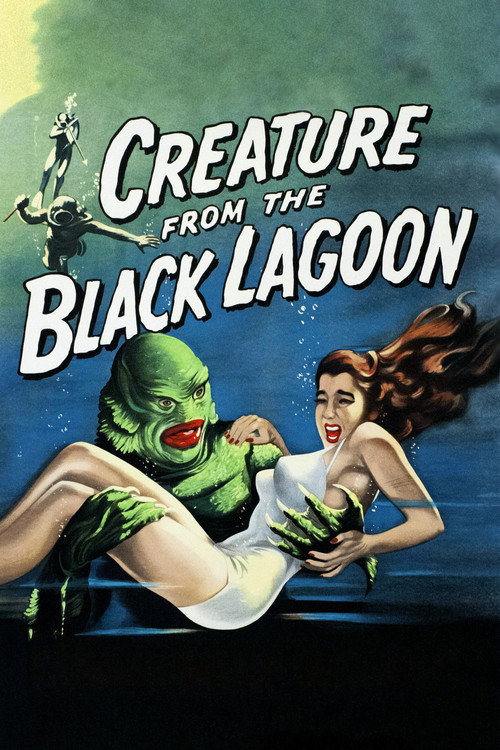
Creature from the Black Lagoon1954
The last of the classic Universal monster films, and it shows why. Creature design that still impresses, underwater photography that's genuinely eerie, and a pulpy adventure plot that doesn't overstay its welcome.
But The gender dynamics are groan-inducing even by 1954 standards. The pacing flags in the middle stretch when nothing's happening on screen.
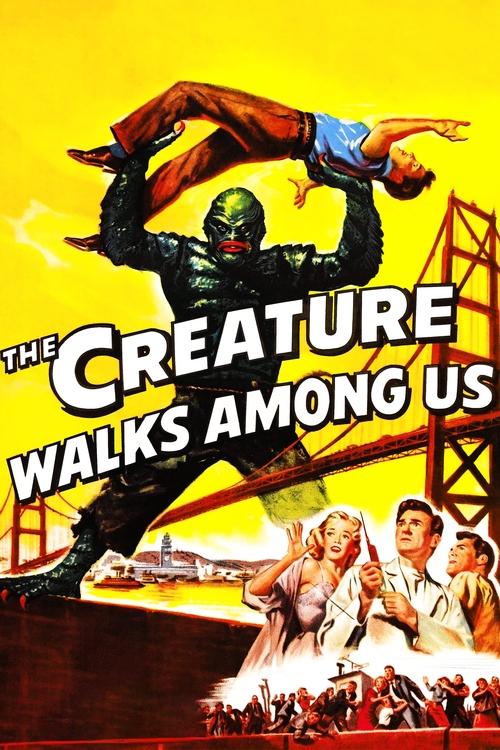
The Creature Walks Among Us1956
The final Lagoon Creature film. It's weird and experimental—the monster is humanized, transformed, almost sympathetic. A strange meditation on what we do to nature in the name of science.
But It abandons the adventure-film energy of the first Lagoon film. Some find it too slow; others think it's trying too hard to be serious.
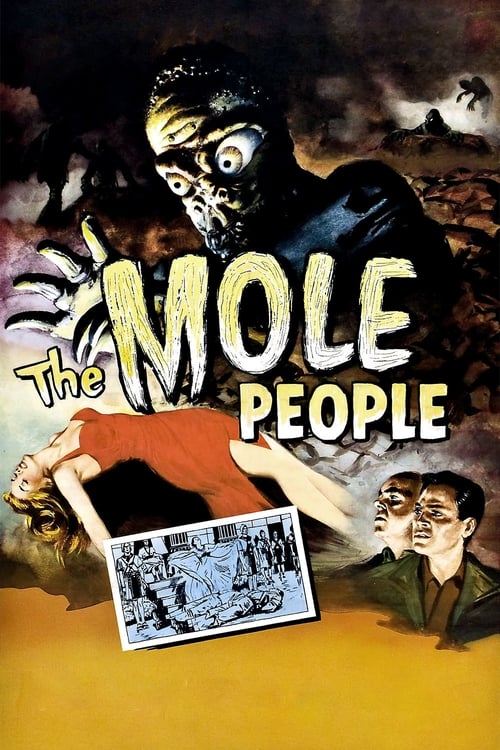
The Mole People1956
A bizarre late Universal monster entry about underground albino creatures. It's earnest and strange in ways that accidentally become fascinating. Cheap, weird, utterly of its era.
But The racial politics are deeply uncomfortable. The budget was microscopic, and it shows in almost every frame. This is a very specific kind of cult movie.
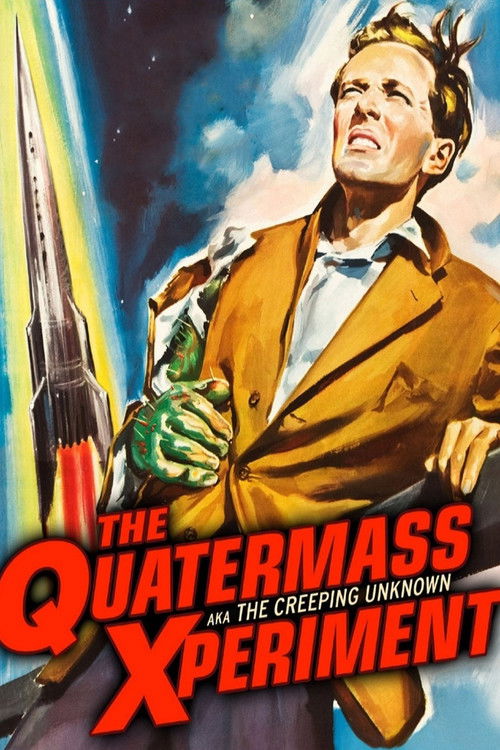
The Quatermass Xperiment1955
Both films hinge on a man transformed into something monstrous against his will, trapped between his human consciousness and an inhuman body. Both use science as the source of horror rather than salvation. Where Universal offers melodrama, Quatermass offers creeping dread—the same story told in a different key.
A British serial-turned-film that transplants the American monster-movie formula into post-war England. It's grittier, more scientific, genuinely unsettling. The creature design is grotesque in ways that still disturb. A masterclass in doing more with less.
But It's bleak in a way that doesn't offer catharsis or even traditional closure. The special effects, while clever, are occasionally obvious. British pacing in the 1950s is slower than you're used to.
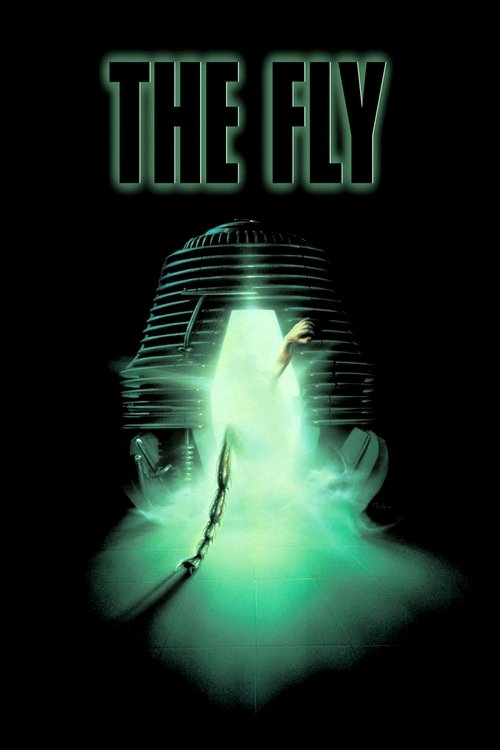
The Fly1986
Like Frankenstein Meets the Wolf Man, it's driven by a scientist's desperate attempt to reverse an irreversible transformation. But where Universal plays it as curse and melodrama, Cronenberg forces you inside the experience—the slow horror of losing your humanity cell by cell, of becoming a thing that cannot die quickly enough. It asks the same question: what does a man do when he stops being one?
David Cronenberg's remake is a body-horror masterpiece that understands what the 1958 original only hinted at: the existential terror of becoming something other. Jeff Goldblum is extraordinary—tragic, disgusting, human. It's beautiful and repulsive in equal measure.
But It's graphically gruesome. The transformation scenes are prolonged and difficult to watch. If you're squeamish about practical effects and biological horror, this will break you.
People
Cast
 Lon Chaney Jr.Lawrence 'Larry' Stewart Talbot / The Wolf Man
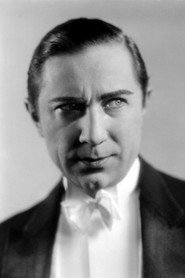 Bela LugosiThe Frankenstein Monster
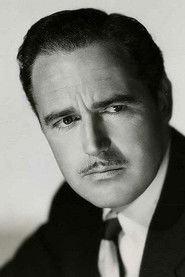 Patric KnowlesDr. Frank Mannering
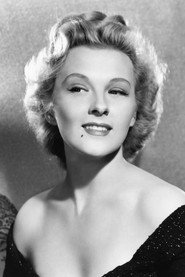 Ilona MasseyBaroness Elsa Frankenstein
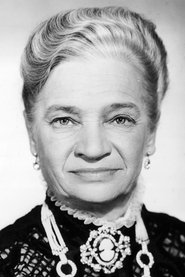 Maria OuspenskayaMaleva the Gypsy
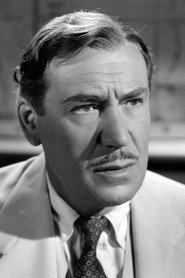 Dennis HoeyInspector Owen
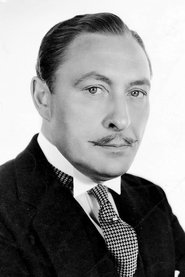 Lionel AtwillMayor of Vasaria
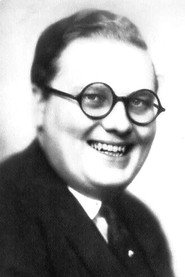 Rex EvansVazec the Innkeeper
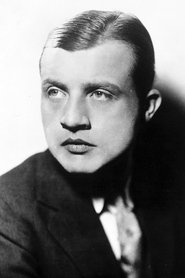 Dwight FryeRudi a Vasarian
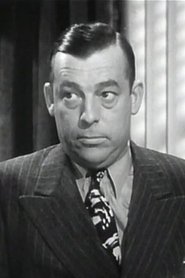 Don BarclayFranzec a Vasarian
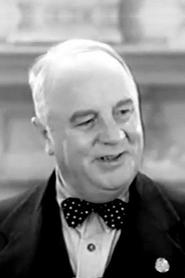 Harry StubbsGuno a Vasaria Policeman
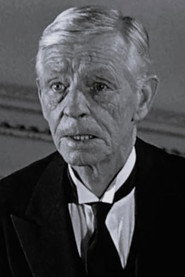 Cyril DelevantiFreddy Jolly the 1st Grave Robber (uncredited)
Directing
- Melville ShyerAssistant Director
- Roy William NeillDirector
Writing
- Mary ShelleyCharacters
- Curt SiodmakScreenplay
Production
- George WaggnerProducer