
Film
The Mummy's Hand
A brisk, fun 1940 monster romp where archaeologists hunt an Egyptian tomb and find a vengeful mummy. It's lighter than its Universal-monster peers—more adventure serial than creeping dread—but packs genuine thrills, inventive set pieces, and a cast that commits fully to the absurdity. Perfect if you want horror that doesn't take itself too seriously.
Should you watch it?
Watch it if you enjoy brisk, creaky 1940s monster programmers where a shambling bandaged menace and a pulpy desert expedition are the whole point, and you don't need the scares to be sophisticated.
Skip it if you need a tense, carefully built slow-burn; this one moves briskly through recycled pulp beats, and its rushed plotting and stagey acting can feel thin.
What it asks of you: At barely over an hour, it lurches from tomb to desert to temple with few pauses, so accept its dated logic and keep moving.
Not sure? Find tonight's pick in a minute.
If you liked this
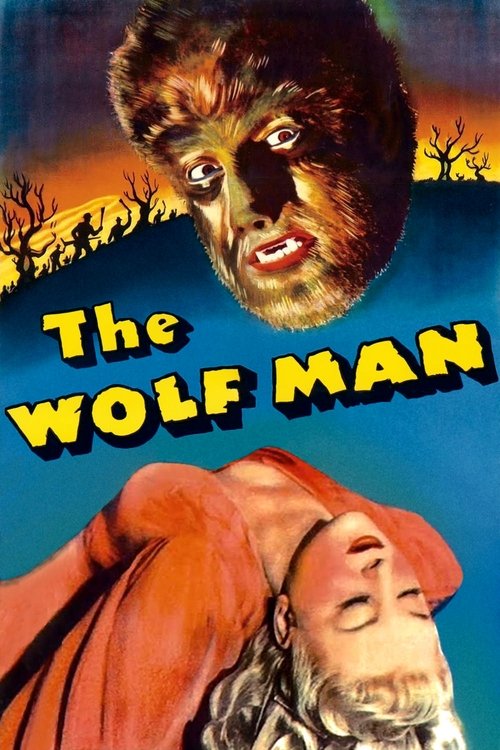
The Wolf Man1941
Universal's definitive werewolf picture, with the same blend of atmosphere and B-movie charm. Lon Chaney Jr's tragic monster and the small-town dread make it essential horror of the era.
But It moves slowly by modern standards, and the romantic subplot can feel thin compared to the monster scenes you actually want to watch.
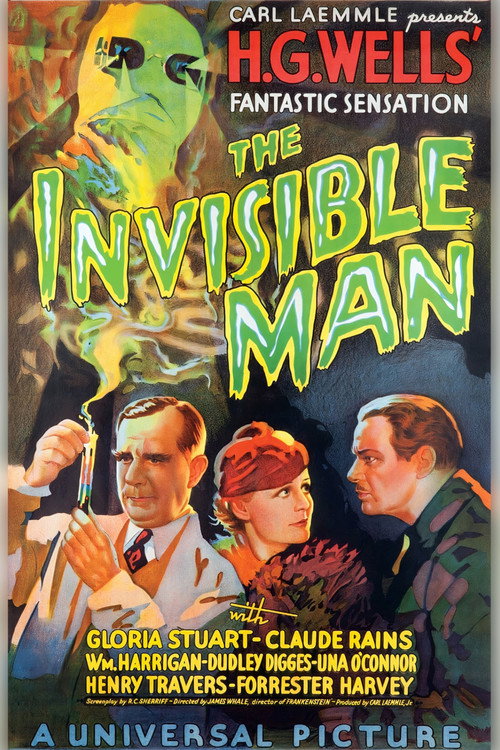
The Invisible Man1933
Claude Rains is electrifying as a scientist undone by his own creation. Sharp-edged, darkly funny, with practical effects that still astonish. Early Universal horror at its most inventive.
But The first half is stronger than the second, and the climax resolves rather quickly after all the buildup.
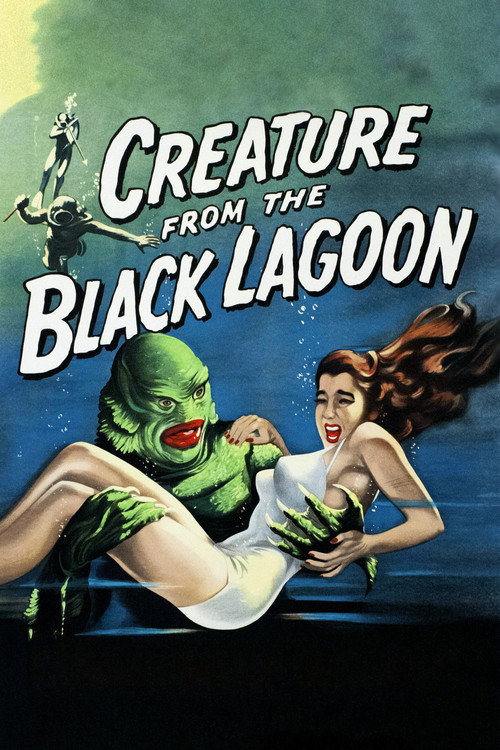
Creature from the Black Lagoon1954
Gorgeous Technicolor swamp gothic with a creature design that's genuinely unsettling. The underwater sequences were revolutionary, and the atmosphere of dread builds perfectly.
But The scientific expedition crew are thin characters, and the film hangs on the monster's appeal rather than storytelling depth.
Not sure tonight? Get a pick in a minute, starting from The Mummy's Hand
The wildcard
Something you would not have found on your own.
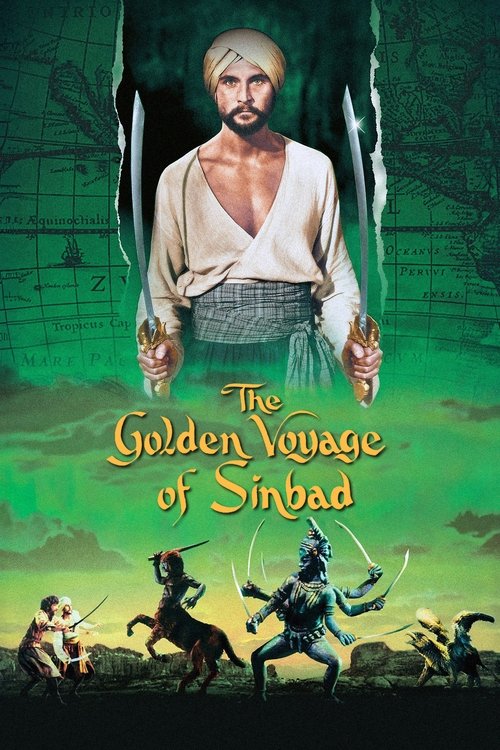
The Golden Voyage of Sinbad1973
Both are adventure-first monster stories where the thrill is in the treasure hunt and the creatures guarding it, not psychological horror. Same DNA, different decades.
Ray Harryhausen's stop-motion creatures bring archaeological adventure to vivid, colourful life. It has the same spirit—treasure, tombs, monsters—but rendered in glowing Eastmancolor and practical animation that's hypnotic.
But The human drama is perfunctory, and the film's energy belongs entirely to the creature sequences. Modern viewers sometimes find the pacing of action-adventure films from this era glacial.
More like this (8)
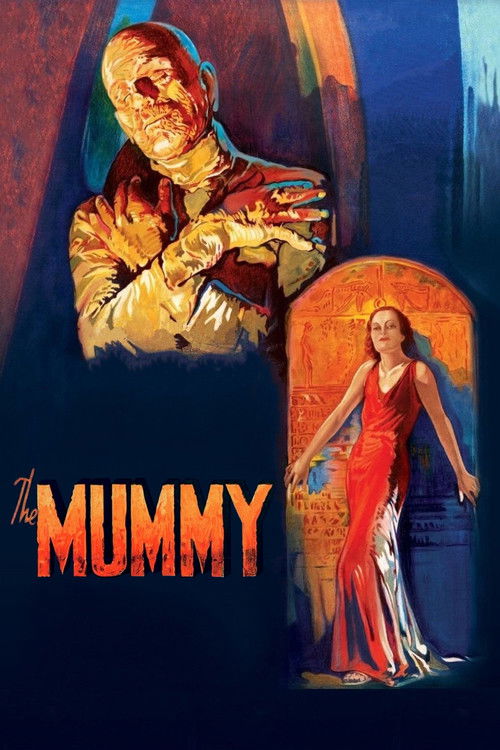
The Mummy1932
Boris Karloff's original is hypnotic and genuinely eerie—less action-adventure than The Mummy's Hand, more creeping psychological horror. Karloff's performance is restraint itself.
But It's slower, moodier, and lacks the fun chaos of the 1940 film. Some find it draggy rather than atmospheric.
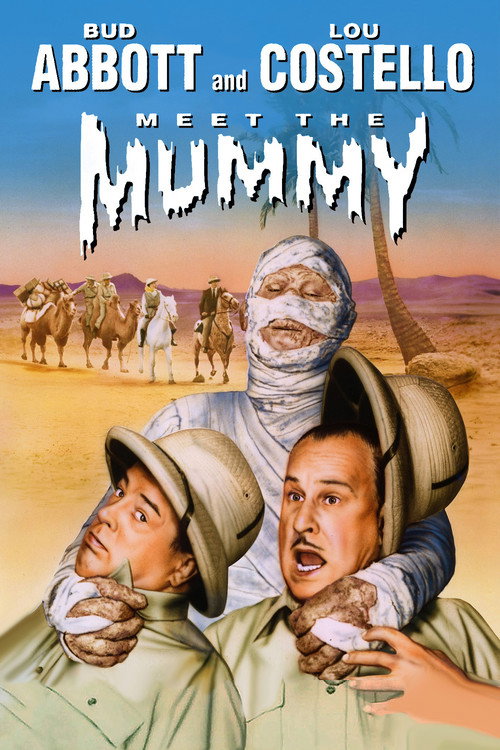
Abbott and Costello Meet the Mummy1955
The same mummy universe, but where the comedians are the leads. It leans fully into absurdity with real affection for the monsters and genuine laughs alongside decent action sequences.
But If you don't like Abbott and Costello's rhythm and timing, the entire film will feel exhausting rather than charming.
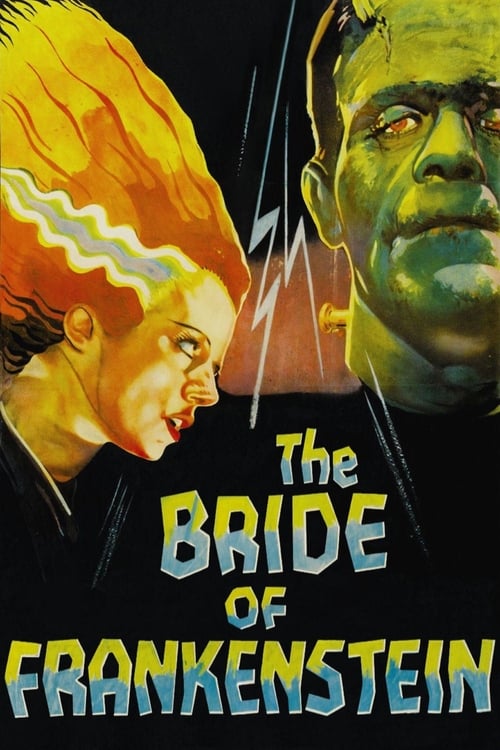
Bride of Frankenstein1935
James Whale's oddly touching sequel adds Gothic romance and dark humour to monster horror. It's visually inventive and surprisingly melancholy for something so entertainingly strange.
But The pacing is peculiar, and modern audiences sometimes find the camp element distracting from the emotional beats.
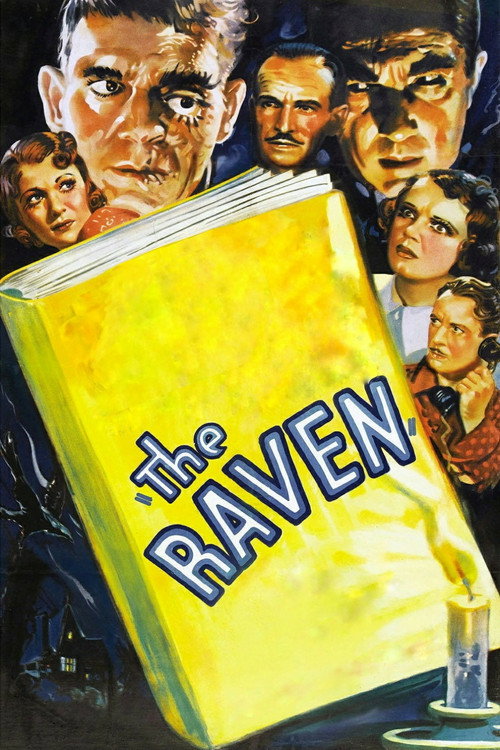
The Raven1935
Bela Lugosi as an unhinged magician using torture chambers and sound stages. It's ornate, silly, and committed to its own absurdity in ways that make it oddly rewatchable.
But The plot is genuinely incoherent, and there's a weirdness to its tone that can read as unintentional rather than deliberate.
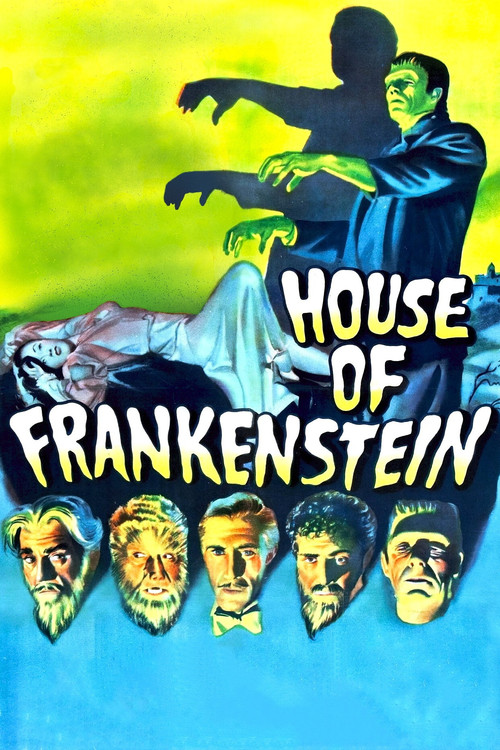
House of Frankenstein1944
A rogue's gallery monster mash that throws Dracula, the Wolf Man, and Frankenstein's creature into one narrative. Pulpy, overstuffed, and gleefully unconcerned with logic.
But It's a grab bag that can't develop any thread fully. The seams show, and some monsters barely appear despite being in the title.
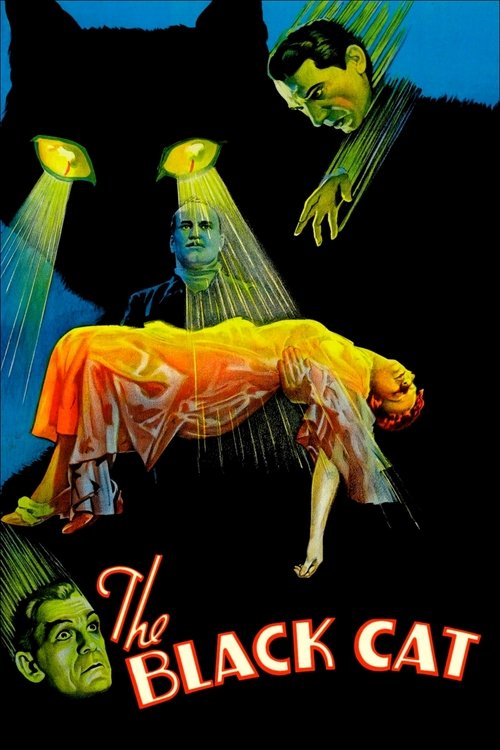
The Black Cat1934
Lugosi and Karloff in an art deco fever dream about obsession and revenge. It's visually baroque and genuinely strange—unsettling in ways that have nothing to do with jump scares.
But The plot is nearly incomprehensible, and the film seems to care more about mood than narrative coherence, which tests patience.
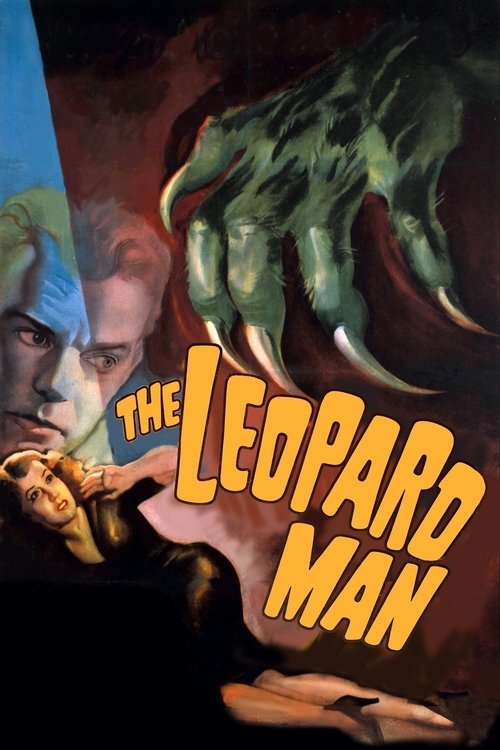
The Leopard Man1943
Both prove that 1940s monster horror works through misdirection and mood rather than spectacle. The Mummy's Hand entertains through action; this shows how the same era conjured fear through *absence*.
Jacques Tourneur's tense little film about a escaped leopard terrorizing a town—made on a shoestring, it's atmospheric and clever, using suggestion and sound to create real dread. Economical filmmaking that surprises.
But There's no actual monster in the traditional sense, and the thrills are subtle rather than visceral. It demands patience and won't deliver what the title promises.
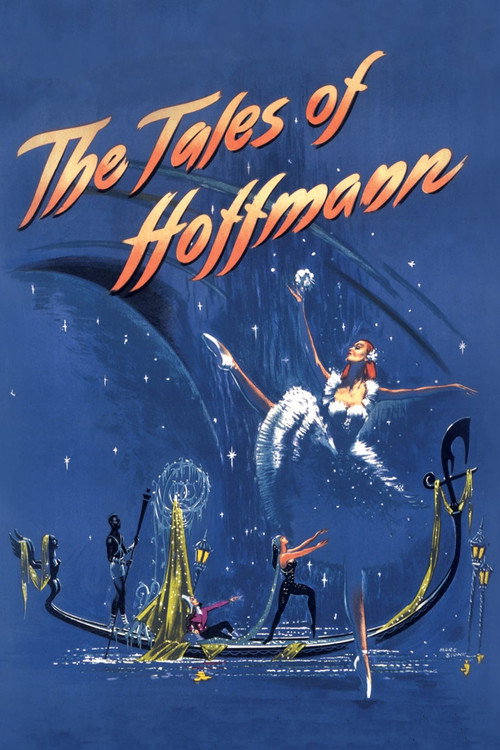
The Tales of Hoffmann1951
Both are 1940s-era films that understand monsters and magic as *theatre*—expressionistic, unapologetically fantastic, unconcerned with realism. They share DNA with cabinet cinema and German Expressionism, not with naturalistic drama.
Michael Powell's wildly theatrical adaptation of Offenbach's opera—gorgeously artificial, with impossible set design and performers who seem to inhabit a realm half-way between stage and cinema. A fever dream in colour.
But It's an opera, and sung throughout in English (or not sung if you're watching a different cut). If you can't accept heightened theatrical artifice as cinema, you'll resist every frame.
People
Cast
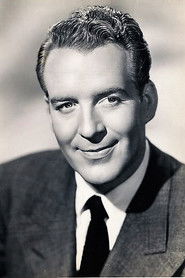 Dick ForanSteve Banning
 Peggy MoranMarta Solvani
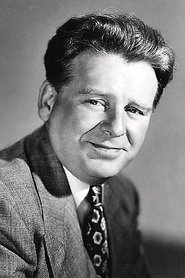 Wallace FordBabe Jenson
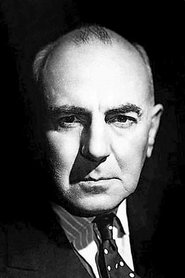 George ZuccoProfessor Andoheb
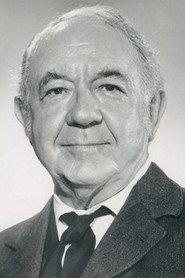 Cecil KellawayThe Great Solvani
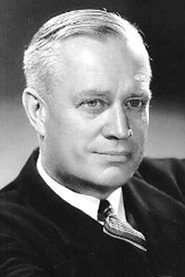 Charles TrowbridgeDr. Petrie
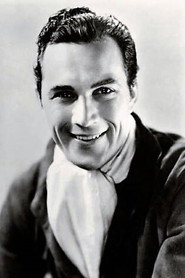 Tom TylerThe Mummy
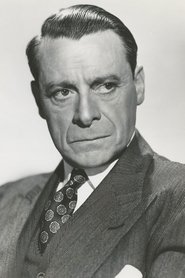 Eduardo CiannelliThe High Priest
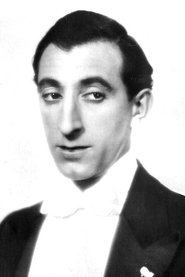 Sig ArnoThe Beggar-Henchman
- Eddie FosterEgyptian Starting Fight
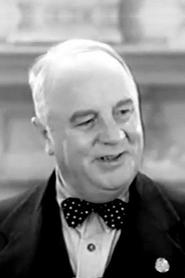 Harry StubbsBartender
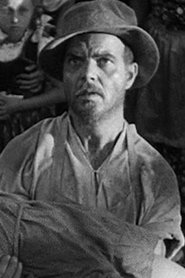 Michael MarkBazaar Owner
Directing
- Vaughn PaulAssistant Director
- Christy CabanneDirector
Writing
- John L. BalderstonOriginal Film Writer
- Nina Wilcox PutnamOriginal Film Writer
- Richard SchayerOriginal Film Writer
- Griffin JayScreenplay
- Maxwell ShaneScreenplay
- Griffin JayStory
Production
- Ben PivarProducer
Recommended by
Frankenstein Meets the Wolf Man, Tarzan and the Leopard Woman, The Return of the Vampire, King of the Zombies