
Film
Mad Love
- Body horror
- Very dark
Peter Lorre's manic, sweat-drenched brilliance anchors this 1935 mad-scientist gothic: a surgeon obsessed with an actress transplants a killer's hands onto her pianist husband, unleashing body horror before the term existed. Expressionist, baroque, genuinely unsettling. For lovers of horror's operatic phase and performers willing to unhing themselves completely.
Should you watch it?
Watch it if you love classic horror that plays its grotesque premise with romantic melodrama and an almost operatic villain, where the atmosphere of a 1930s studio shadow-show does more work than gore.
Skip it if you need modern pacing or tight plotting, since it runs under seventy minutes but spends much of that on theatrical mannerisms and a stagy acting style that can feel dated.
What it asks of you: Sixty-eight minutes of brisk, heightened melodrama in black and white, with little patience for subtlety; you give it your attention and it returns a lurid, sweaty grin.
Not sure? Find tonight's pick in a minute.
If you liked this
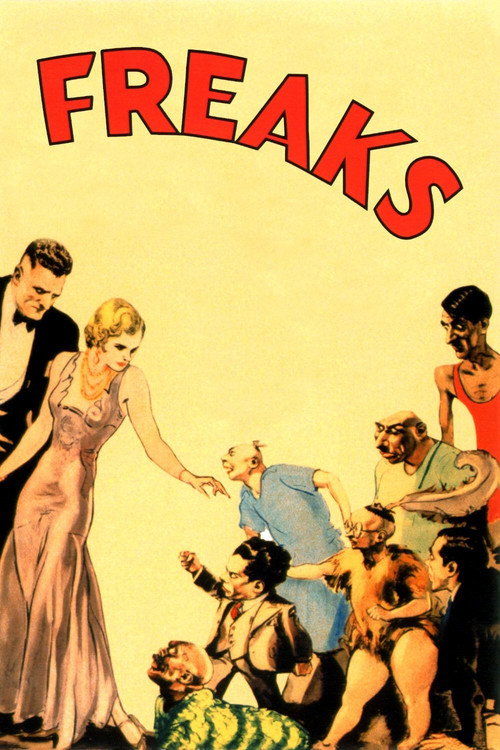
Freaks1932
Tod Browning's carnival nightmare predates Mad Love's transgressive body horror by three years. Real sideshow performers in genuinely disturbing scenarios. If you loved Lorre's commitment to madness, this takes you further into the dark.
But It's genuinely cruel to its subjects in ways modern viewers find uncomfortable, even knowing they were paid and consenting. The plot barely exists; it's all atmosphere and shock.
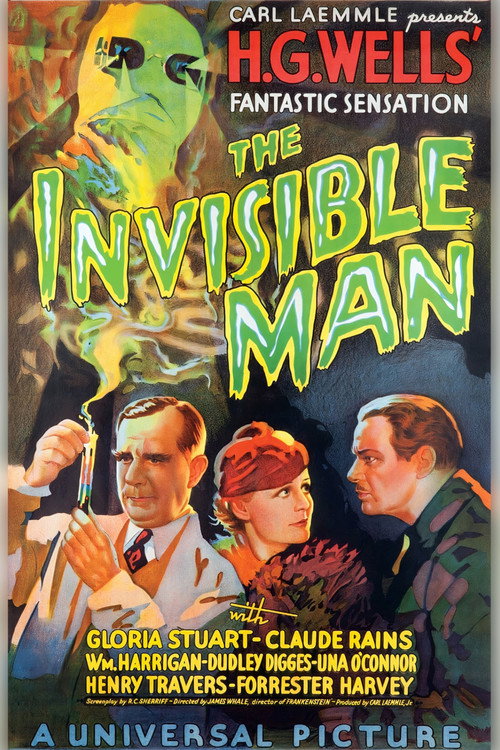
The Invisible Man1933
James Whale's other Universal masterpiece: another actor (Claude Rains) delivering a virtuoso vocal performance while unseen, descending into megalomaniacal chaos. The same era's sensibility about science as violation and madness as spectacle.
But It's funny as often as it's frightening, which some find undermines the horror. The special effects look like special effects, which breaks the spell for impatient viewers.
The Cabinet of Dr. Caligari1920
The DNA of everything Lorre would do: German Expressionism, a mad doctor, painted shadows and twisted logic. If Mad Love is the sound version of a nightmare, this is the silent one. Utterly hypnotic.
But It's slow and very silent. No performance can carry it for ninety minutes if you're not surrendered to the style. Modern audiences often find it tedious.

Not sure tonight? Get a pick in a minute, starting from Mad Love
The wildcard
Something you would not have found on your own.
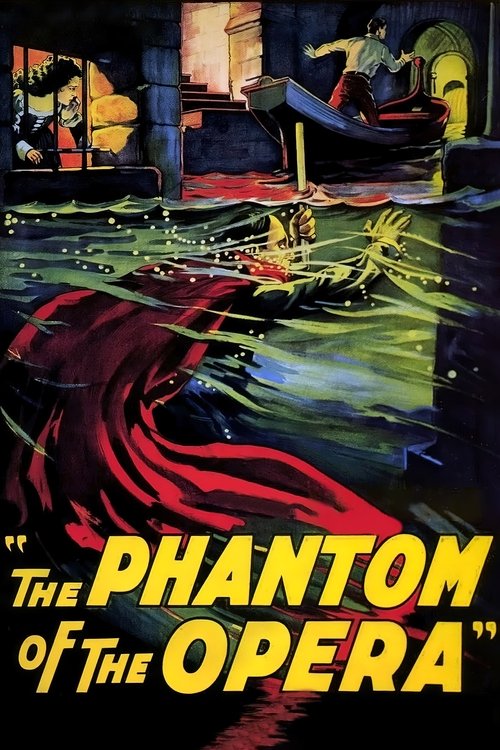
The Phantom of the Opera1925
Both are about talented men destroyed by obsession with a woman they cannot have, and the transformation of their bodies—real or perceived—into instruments of destruction. Both feature performers (Chaney, Lorre) whose physical commitment becomes the entire point.
Lon Chaney's silent performance as the Phantom: obsessed artist, disfigured, wielding his appearance as weapon and curse. Same emotional core as Mad Love but predates it by a decade, proves the archetype runs deep. The Masquerade ball sequence is immortal.
But It's two and a half hours of silent film, which requires patience most viewers don't possess. The plot is melodrama, and without dialogue the pacing can feel glacial.
More like this (8)
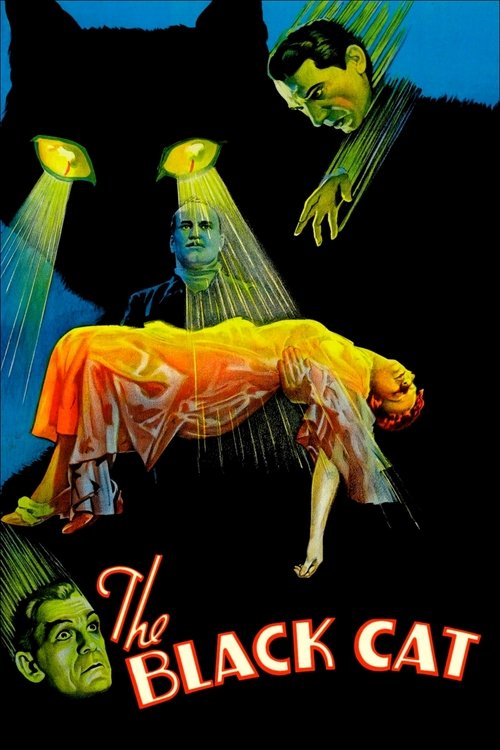
The Black Cat1934
Bela Lugosi and Boris Karloff in a Bauhaus nightmare about psychological torture and occult revenge. Surreal, erotically charged, contemptuous of plot. Pure mood and menace, made the year before Mad Love.
But It's genuinely incoherent—the narrative makes almost no sense—and the sexual subtext is disturbing enough that some viewers find it more ugly than entertaining.
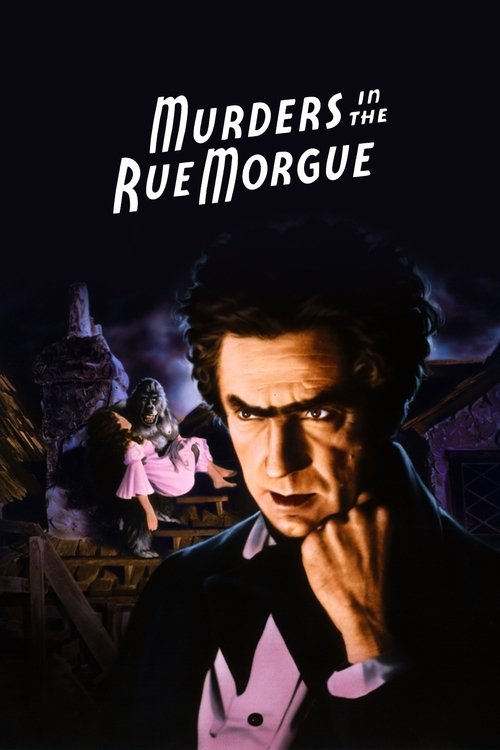
Murders in the Rue Morgue1932
Lugosi's first American horror vehicle, directed by Browning. Another mad scientist, another obsession, the same grotesque energy. It's looser and pulpier than Mad Love, but the DNA is identical.
But The pacing is glacial and the dialogue is clunky. The ape effects are visibly unconvincing. It feels like a museum piece rather than a lived experience.
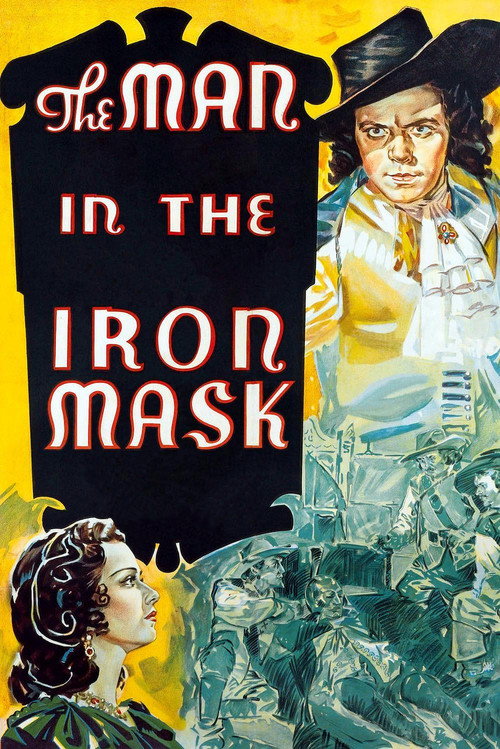
The Man in the Iron Mask1939
James Whale directs Louis Hayward in a swashbuckling melodrama with genuine psychological depth beneath the adventure. Shows that horror's sensibility—obsession, doubling, identity fracture—works everywhere if the emotion is real.
But It's not horror, so if you're looking for scares you'll be disappointed. It's also quite long and the swash-buckling can feel stately to modern audiences.
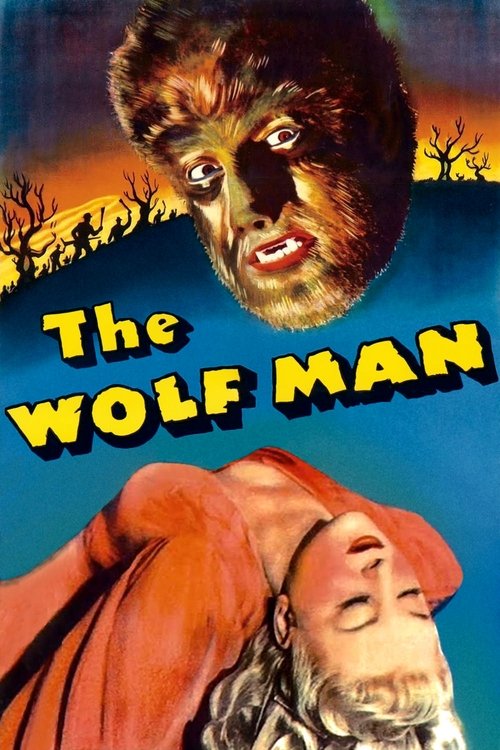
The Wolf Man1941
Lon Chaney Jr.'s tragic werewolf is obsessed-with and trapped-by his own body, much like Orlac with his murderer's hands. Universal's monster cycle at its most emotionally coherent. The transformation scenes still land.
But It's more melodrama than horror, and the science is risible. Chaney's performance is earnest to the point of camp, which not everyone accepts.
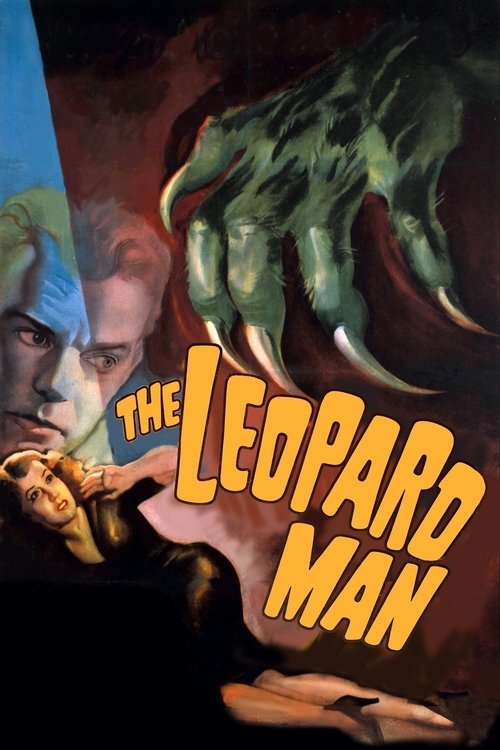
The Leopard Man1943
Jacques Tourneur's lean, noir-adjacent horror about obsession and misdirected blame. Suggests that the real monster is often us. Much tighter and stranger than it has any right to be at 66 minutes.
But The actual leopard sequences are brief and unconvincing. It's more psychological than visceral, which bores viewers wanting creature-feature thrills.
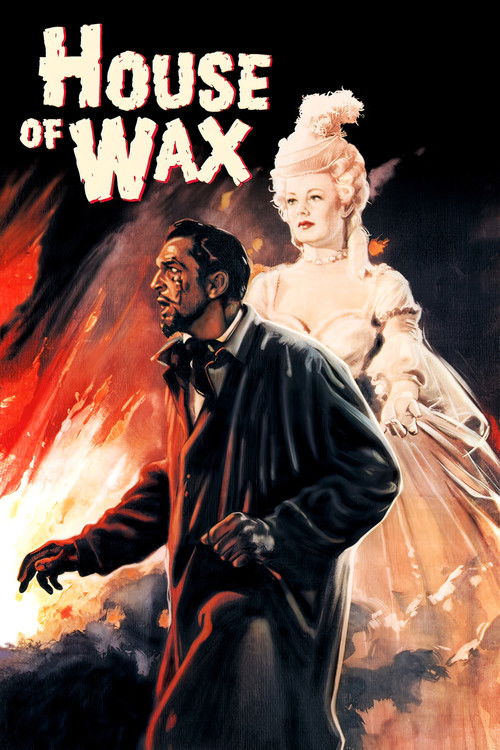
House of Wax1953
Vincent Price's melting, obsessed sculptor is basically Lorre's doctor in a different key: possession, disfigurement, the body as canvas for madness. Price's first colour film, and surprisingly effective.
But The 3D gimmickry feels dated and you're probably watching it flat anyway. The dialogue is sometimes overwrought even by 1950s standards.
Eyes Without a Face1960
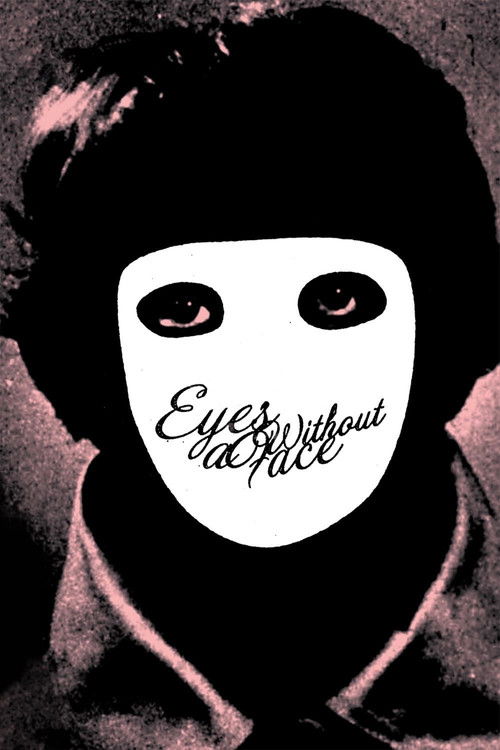
Identical premise (surgeon, transplant, obsession) but inverted moral register: this one asks you to grieve the mad scientist rather than condemn him. Where Mad Love is theatrical and baroque, this is austere and tragic. Same engine, different fuel.
Georges Franju's French masterpiece: a surgeon obsessed with restoring his daughter's face through transplants. Body horror before Cronenberg, but elegant and tragic. Deeply unsettling without being sensational. The mask-removal scene rewrites what cinema can do.
But It's glacially paced and European in sensibility—plot is secondary to mood and suggestion. The surgery sequences are graphic enough to disturb viewers who thought they'd hardened themselves.
The Hands of Orlac1924
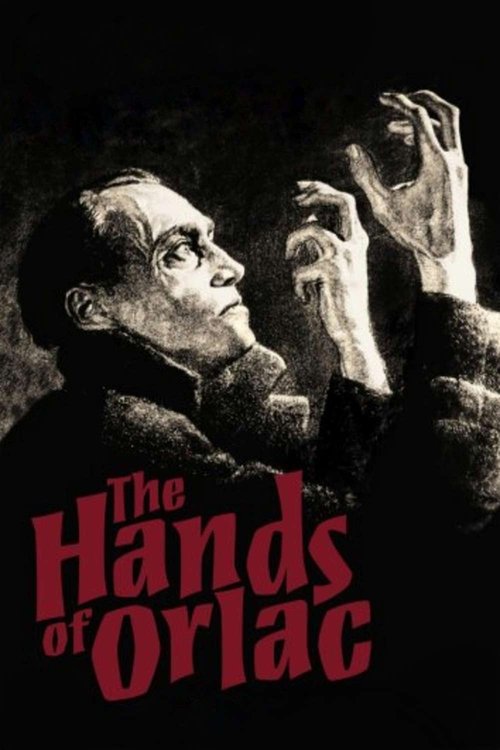
Mad Love is a direct remake, but that's deceptive: Lorre's sound performance utterly supersedes Veidt's silent one. Watching both shows how a voice—Lorre's manic, wheedling, utterly committed voice—can make the same story feel like a different genre. Horror shifts from visual to acoustic.
The silent original of the tale Mad Love remakes. Conrad Veidt, German Expressionism, a pianist-turned-murderer through his own hands. Seeing Lorre's version after this shows what sound adds: his voice transforms obsession into theatre.
But As a silent film it's visually gorgeous but narratively spare—the story is thin even by 1924 standards. It's primarily a historical artifact, interesting more for what it enables than what it is.
People
Cast
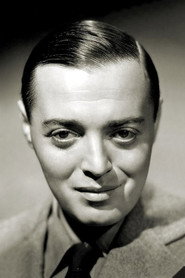 Peter LorreDoctor Gogol
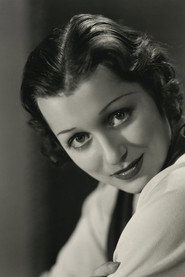 Frances DrakeYvonne Orlac
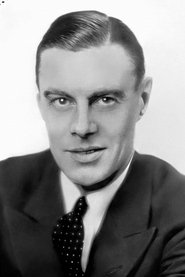 Colin CliveStephen Orlac
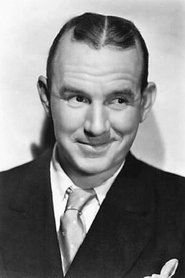 Ted HealyReagan
 Isabel JewellMarianne (scenes deleted)
 Sara HadenMarie
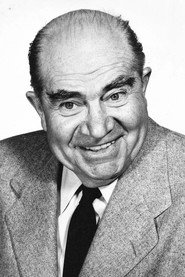 Edward BrophyRollo
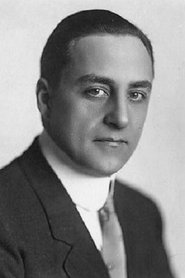 Henry KolkerPrefect Rosset
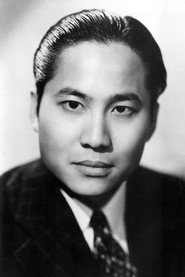 Keye LukeDr. Wong
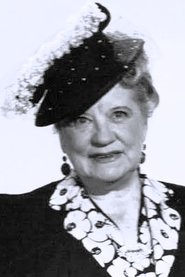 May BeattyFrançoise
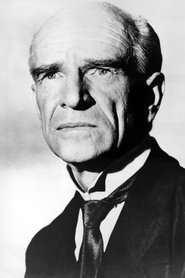 Ian WolfeHenry Orlac, Stephen Orlac's Stepfather
- Edward LippyPierre, Henry Orlac's Clerk (Uncredited)
Directing
- Dolph ZimmerAssistant Director
- Karl FreundDirector
Writing
- Florence Crewe-JonesAdaptation
- Maurice RenardNovel
- John L. BalderstonScreenplay
- P.J. WolfsonScreenplay
Production
- John W. Considine Jr.Producer
Recommended by
Dr. Cyclops, The Devil-Doll, The Invisible Man, House of Dracula, Maniac, Island of Lost Souls, The Raven, The Black Room, Bride of the Monster, The Man They Could Not Hang, Mystery of the Wax Museum, The Haunted Castle, Corridors of Blood, Circus of Horrors, Voodoo Man, The Invisible Ray, The Vampire Bat