
Film
The Devil-Doll
A 1936 mad-science revenge thriller where a wronged banker escapes prison with a scientist's shrinking technology and returns to Paris to murder his enemies using tiny, controllable people as weapons. It's visually inventive and deeply strange—equal parts genuine creepiness and unintentional camp—with Lionel Barrymore chewing scenery as a man whose grievance justifies atrocity. For fans of early horror who appreciate watching cinema figure out what it can do.
Should you watch it?
Watch it if you love old-fashioned Gothic melodrama where a wronged man's quiet obsession curdles into something eerie, and you don't mind creaky 1930s staging for the sake of a delightfully uncanny atmosphere.
Skip it if you need modern effects or brisk pacing, because much of it is stagey, talky and sometimes unintentionally funny by today's standards.
What it asks of you: Seventy-eight minutes is short, but the acting is theatrical and the build-up deliberate, so it rewards attention to mood over plot logic.
Not sure? Find tonight's pick in a minute.
If you liked this
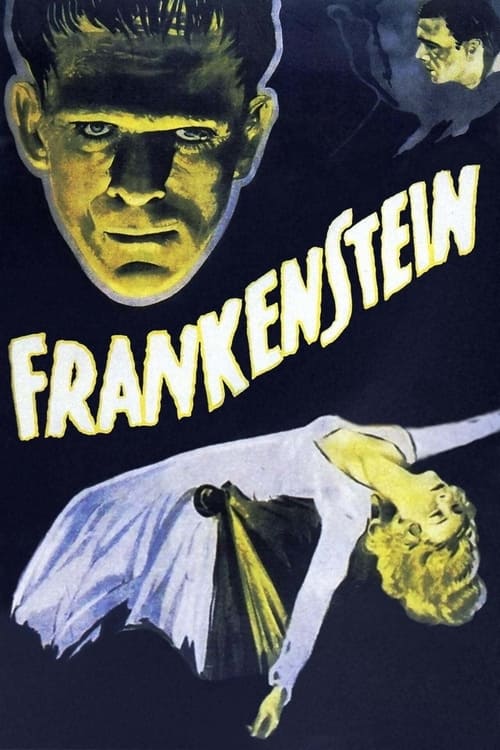
Frankenstein1931
The template for mad-scientist horror, with Boris Karloff and James Whale's expressive direction. If you love the premise of science weaponised by a damaged man, this is where it all started.
But The pacing drags by modern standards, and the monster's tragic dimension might not be what you want from a revenge fantasy.
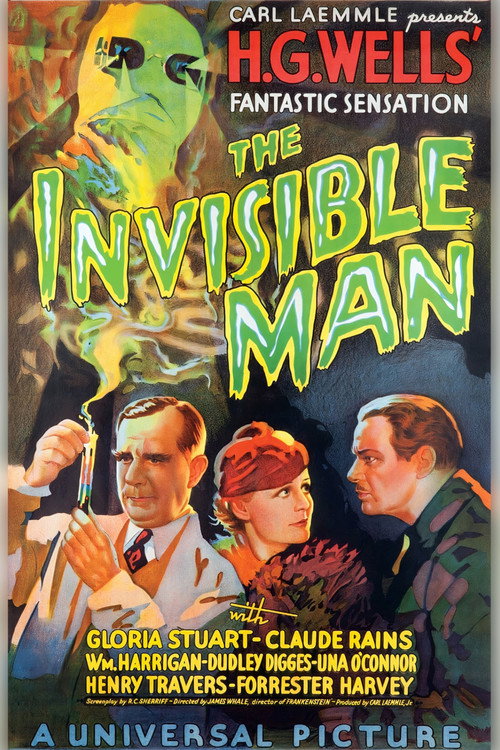
The Invisible Man1933
Another Universal classic where a scientific breakthrough becomes a tool for rage and murder. James Whale again, Claude Rains at his most unsettling, and genuinely suspenseful set-pieces.
But More focused on spectacle than character, and the social commentary can feel heavy-handed to contemporary viewers.
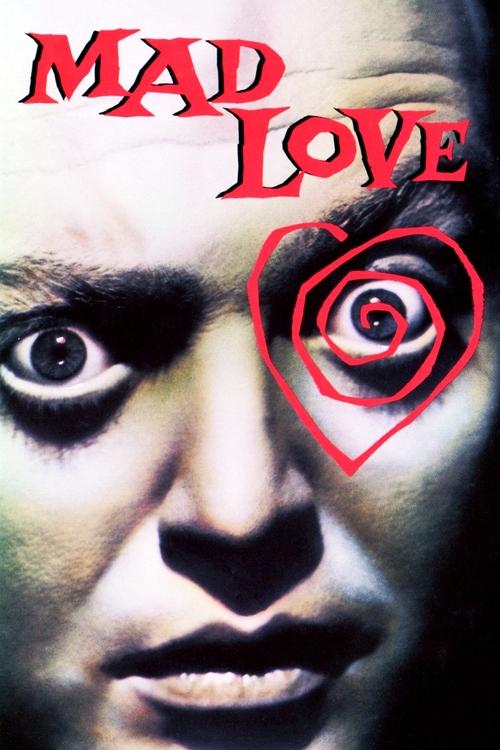
Mad Love1935
Peter Lorre as an obsessed surgeon whose twisted genius destroys lives. The same era, same atmosphere of creeping dread, and Lorre's performance is hypnotic in its wrongness.
But It's darker than you might expect—genuinely uncomfortable in ways that feel pointed rather than fun.
Not sure tonight? Get a pick in a minute, starting from The Devil-Doll
The wildcard
Something you would not have found on your own.
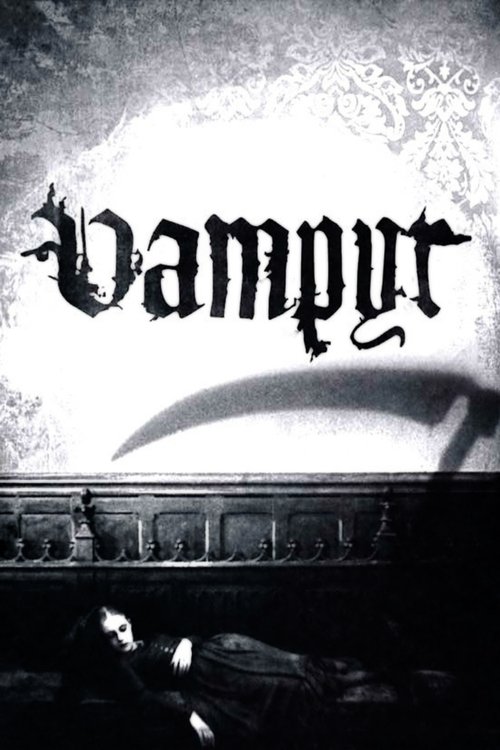
Vampyr1932
Both films use the apparatus of horror—shrinking, evil science, bodily transgression—not for jump-scares but to explore how violation and powerlessness corrupt the soul. Both are more interested in dread than plot.
A Danish film by Carl Theodor Dreyer, steeped in dread and visual strangeness—shadows that move independently, characters trapped in fog and certainty. Revenge and vengeance linger over everything, but as atmosphere rather than plot.
But It's slow, oblique, and refuses to explain itself. If you need clarity and forward momentum, you'll be frustrated.
More like this (7)
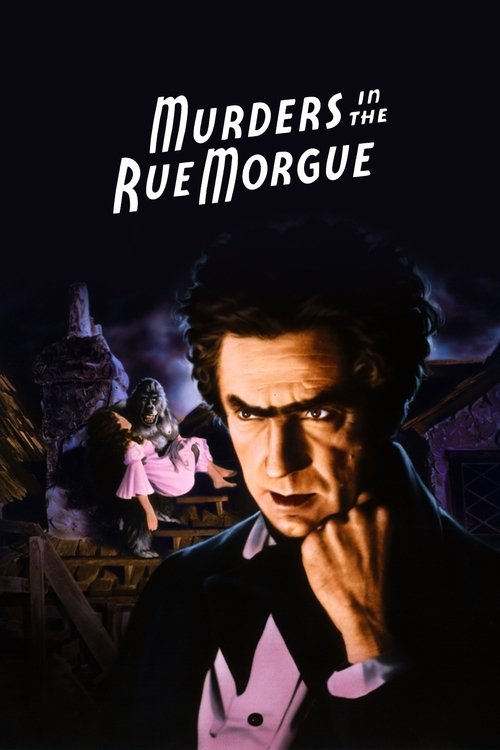
Murders in the Rue Morgue1932
Bela Lugosi in pre-Dracula horror, with a scientist's experiments gone catastrophically wrong. Expressionist visuals and genuine atmosphere of menace.
But The plot is thin and the pacing uneven; it coasts on mood and Lugosi's presence rather than narrative momentum.
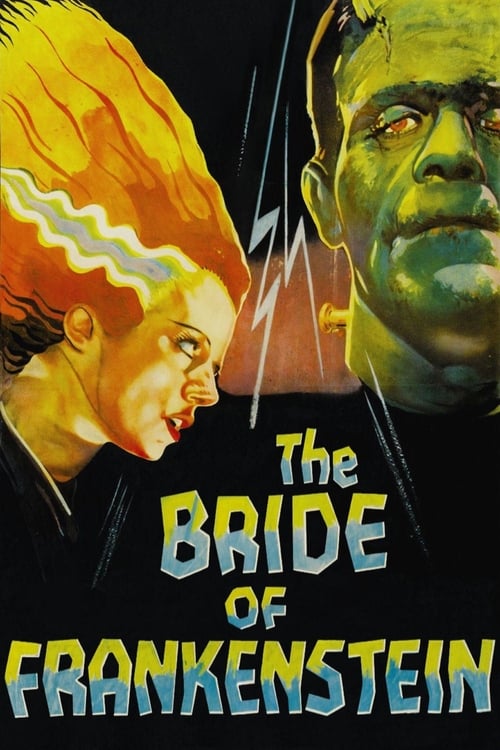
Bride of Frankenstein1935
The sequel deepens the tragedy and ambition of the first film, with James Whale at peak invention. Elsa Lanchester is unforgettable, and the creature's loneliness is heartbreaking.
But It's more concerned with pathos than horror, which might feel like a tonal shift if you wanted pure fear.
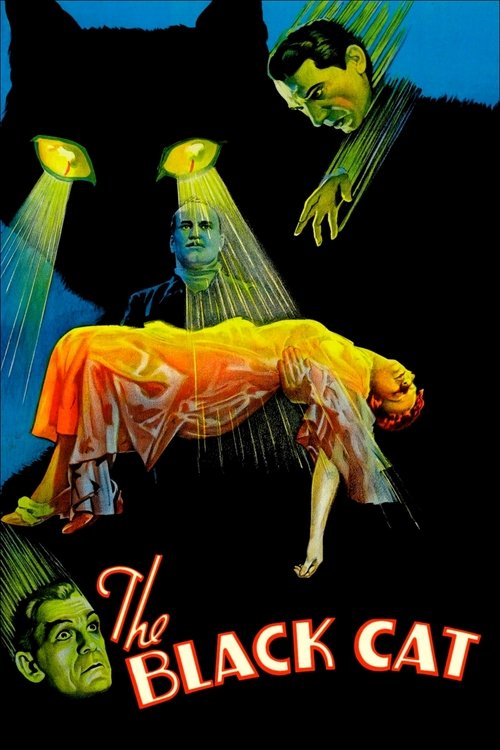
The Black Cat1934
Lugosi and Karloff in a Deco nightmare of a mansion, with occult revenge and genuine visual strangeness. Pure atmosphere over plot.
But The story barely holds together and the occult elements feel more like set dressing than real stakes.
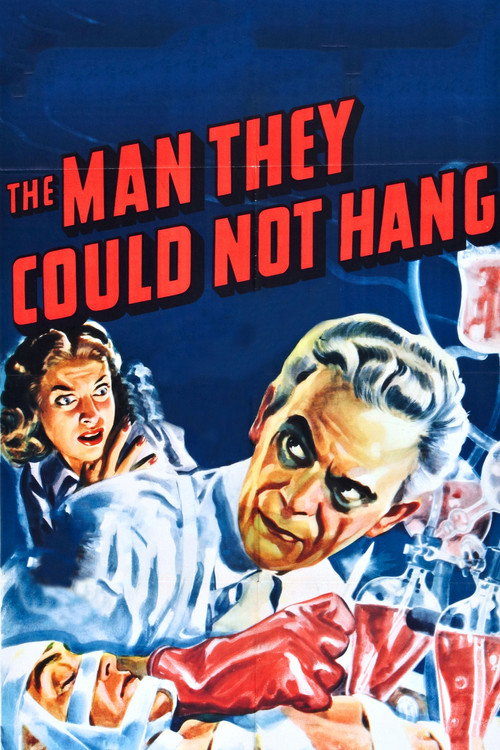
The Man They Could Not Hang1939
Boris Karloff as a doctor framed for murder who escapes and methodically destroys those responsible. A tighter, pulpier take on the wronged-man-with-science premise.
But It's more B-movie than Universal prestige, and the dialogue can feel stilted.
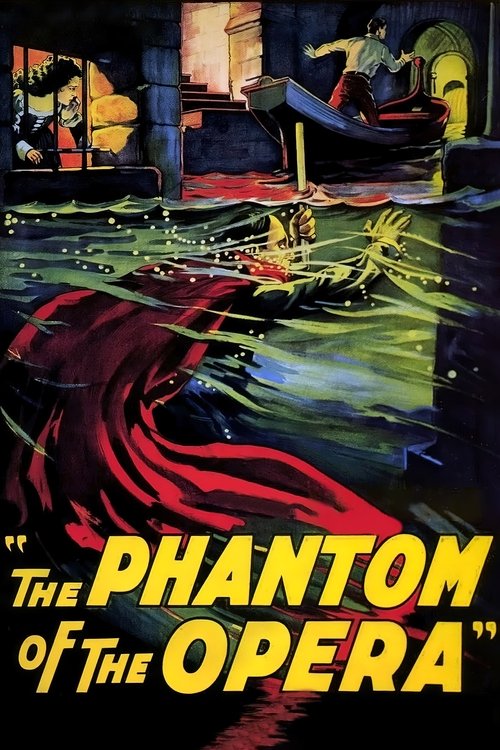
The Phantom of the Opera1925
Lon Chaney's silent masterpiece about obsession and disfigurement driving a man to possess and murder. The emotional core is raw and the set design is staggering.
But It's silent, which requires patience, and the ending relies on sentiment rather than the horror that built it up.
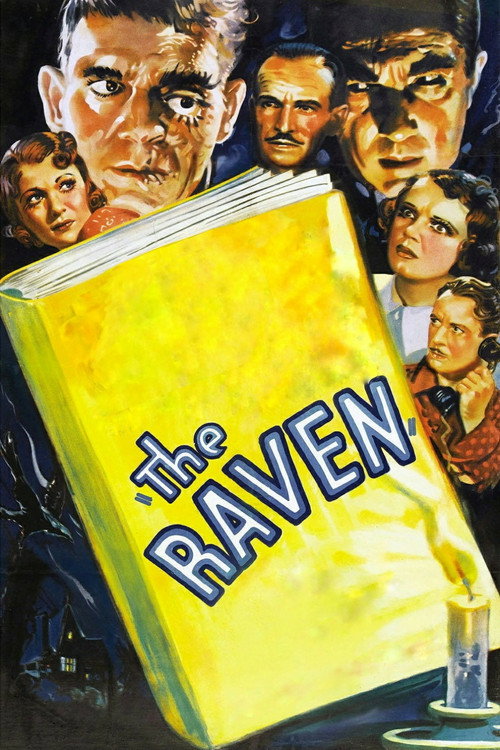
The Raven1935
Lugosi again, this time as a deranged surgeon who keeps a torture chamber and uses Poe as justification. Delightfully unhinged and visually inventive.
But It tips into self-parody at moments and the narrative logic is genuinely chaotic.
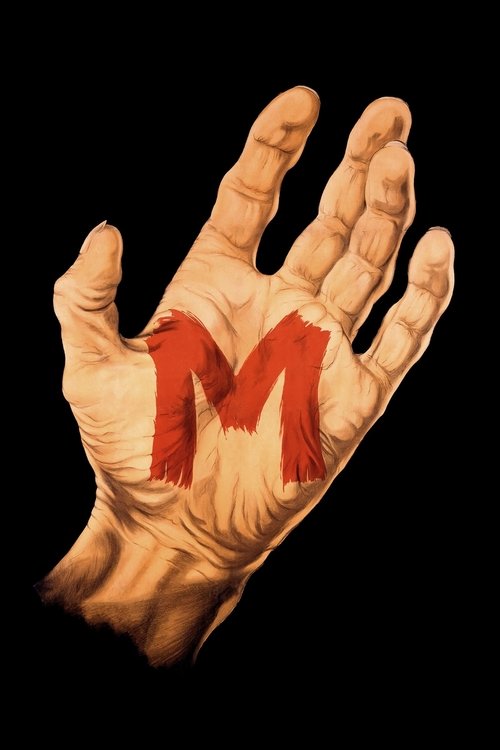
M1931
Both examine a man driven by grievance to prey on the innocent, and both ask—without answering—whether destroying him solves anything. One is fantasy, one is realism, but the moral question is identical.
Fritz Lang's German masterpiece about a child-murderer hunted by both police and criminals. Tense, moral, shot with documentary precision. A completely different tone from Devil-Doll, but the same obsession with guilt, justice, and whether revenge ever heals.
But It's heavy, deliberately paced, and the subject matter is genuinely disturbing. There's no catharsis, only reckoning.
People
Cast
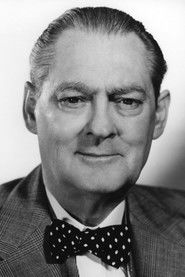 Lionel BarrymorePaul Lavond
 Maureen O'SullivanLorraine Lavond
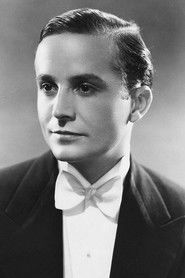 Frank LawtonToto
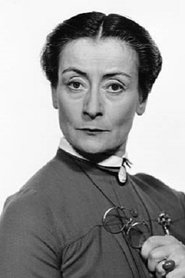 Rafaela OttianoMalita
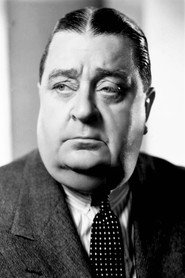 Robert GreigÉmile Coulvet
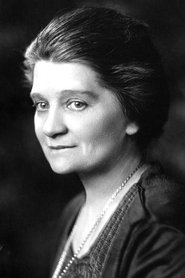 Lucy BeaumontMadame Lavond
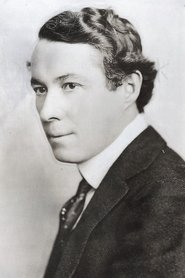 Henry B. WalthallMarcel
 Grace FordLachna
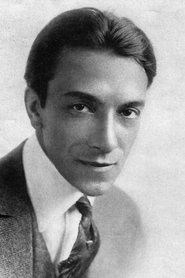 Pedro de CordobaCharles Martin
 Arthur HohlVictor Radin
 Juanita QuigleyMarguerite Coulvet
 Claire Du BreyMathilde Coulvet
Directing
- Harry SharrockAssistant Director
- Tod BrowningDirector
Writing
- Abraham MerrittNovel
- Erich von StroheimScreenplay
- Garrett FortScreenplay
- Guy EndoreScreenplay
- Tod BrowningScreenstory
Production
- E.J. MannixProducer
- Tod BrowningProducer