
Film
Circus of Horrors
- Body horror
- Very dark
A 1960 British horror film about a fugitive plastic surgeon who transforms deformed circus performers into beauties—then kills them when they threaten to leave. It's lurid and nasty in the best way: exploitation horror that doesn't apologize, with genuine tension beneath the tawdry spectacle. Perfect if you want your scares served with a side of moral unease.
Should you watch it?
Watch it if you like lurid, slightly sleazy 1960s British horror where the menace is played with a straight face and the carnival setting does most of the work.
Skip it if you want fast pacing, modern gore or a tidy plot; this is a cheap-looking, talky chiller with its effects showing their age.
What it asks of you: At 88 minutes it is compact, and its dread builds through talk and sidelong looks more than through constant shocks.
Not sure? Find tonight's pick in a minute.
If you liked this
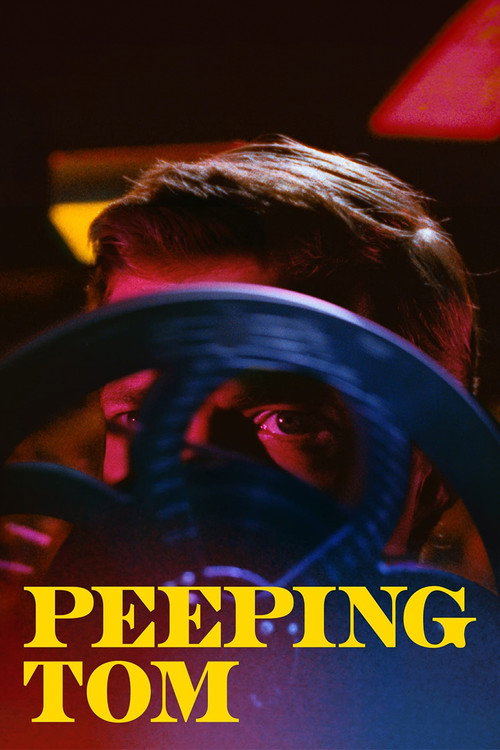
Peeping Tom1960
Released the same year, this British horror also fixates on a killer with a camera, exploring voyeurism and beauty through a male gaze gone horribly wrong. Equally transgressive and far more influential.
But Its central protagonist is sympathetic in ways that can feel uncomfortable. The film's perspective on its subject matter requires serious attention.
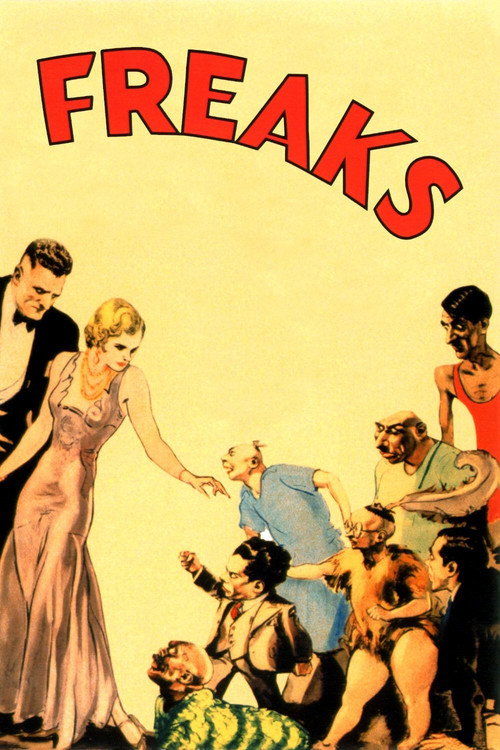
Freaks1932
Browning's circus of actual disabled performers becomes a moral reckoning that's simultaneously beautiful and grotesque. It asks the same question: who is really monstrous here?
But Made in 1932 and it shows. The pacing is slow and the theatrical acting takes adjustment. Some find it more anthropological than dramatically gripping.
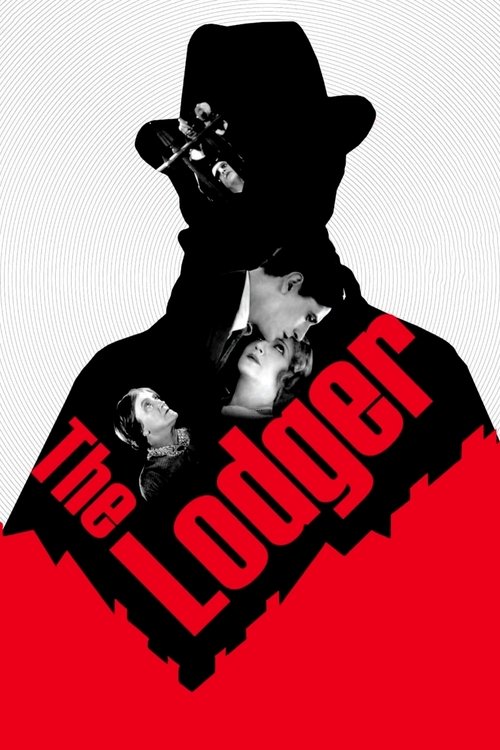
The Lodger: A Story of the London Fog1927
Hitchcock's early thriller about a mysterious lodger suspected of serial murder. The same paranoia, the same unsettling intimacy with a killer, but silent and hypnotic.
But It's nearly a century old. If you need dialogue and contemporary pacing, this will feel glacially slow.
Not sure tonight? Get a pick in a minute, starting from Circus of Horrors
The wildcard
Something you would not have found on your own.
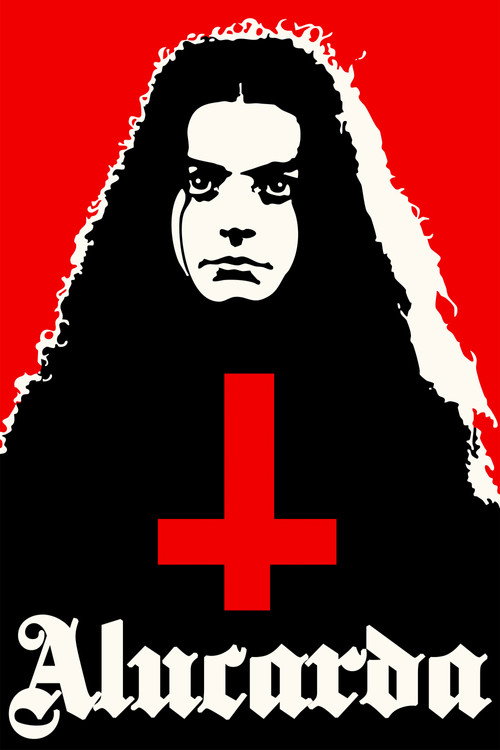
Alucarda1977
Both films treat bodies—deformed, possessed, transgressive—as the primary horror and primary spectacle. Both are uninterested in reassuring the audience that suffering matters morally.
Mexican horror of staggering visual invention: two girls in a convent, demonic possession, nuns, absolute sensory overload. Same exploitation impulse as Circus of Horrors but in a wholly different register—baroque, sexual, delirious.
But It's incoherent by design. The plot is secondary to atmosphere and imagery. If you need narrative logic, this will drive you mad.
More like this (8)
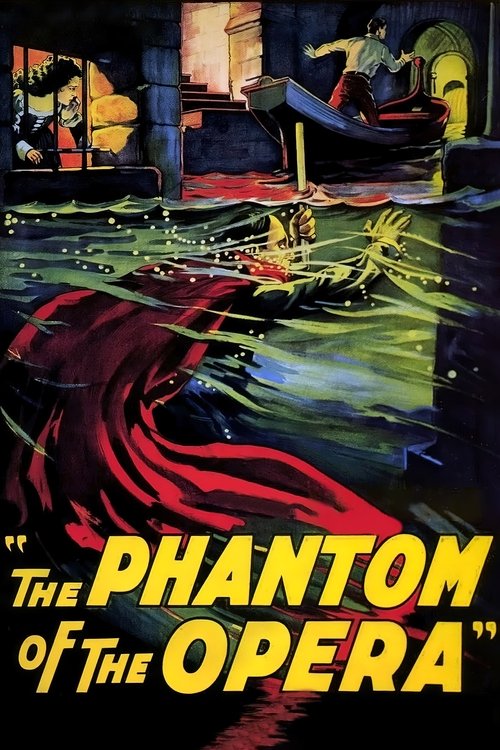
The Phantom of the Opera1925
Lon Chaney's hideously scarred genius living beneath Paris: obsession, transformation, beauty twisted into monstrosity. The DNA of every disfigurement-obsessed horror film since.
But Silent film with all that entails. The organ music can feel overwrought to modern ears, and the acting is theatrical in an acquired-taste way.
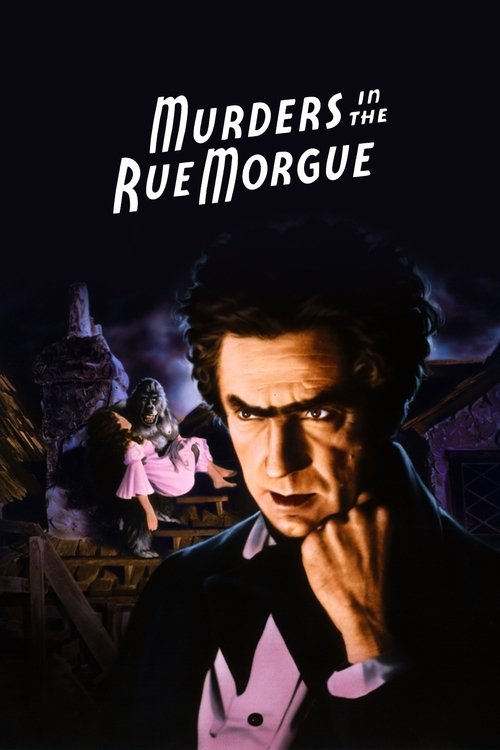
Murders in the Rue Morgue1932
Early Universal horror with Bela Lugosi: a mad scientist, bodies, exploitation of the vulnerable. Crude but effective ancestor to everything Circus of Horrors is doing.
But It's genuinely silly in places. The logic is wonky and the scares have dated considerably.
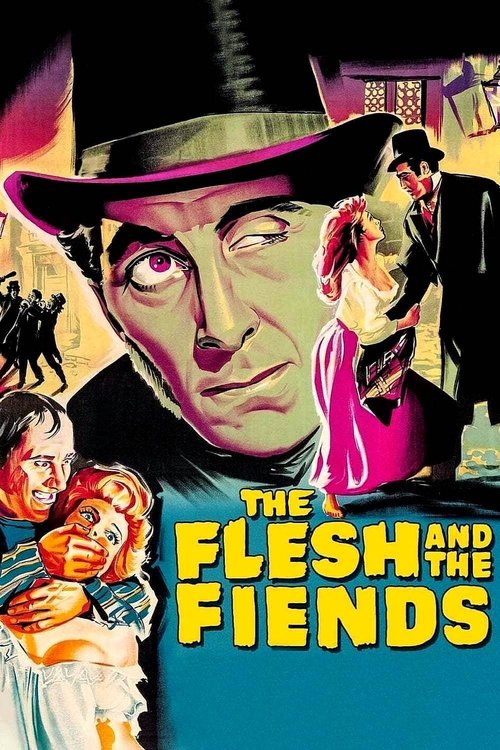
The Flesh and the Fiends1960
Another 1960 release: Burke and Hare reimagined, with Peter Cushing as a doctor who murders for science. Similar era, similar darkness, similarly grounded in real horror.
But It's methodical and slow-burn rather than visceral. If you want immediate thrills, it underwhelms.
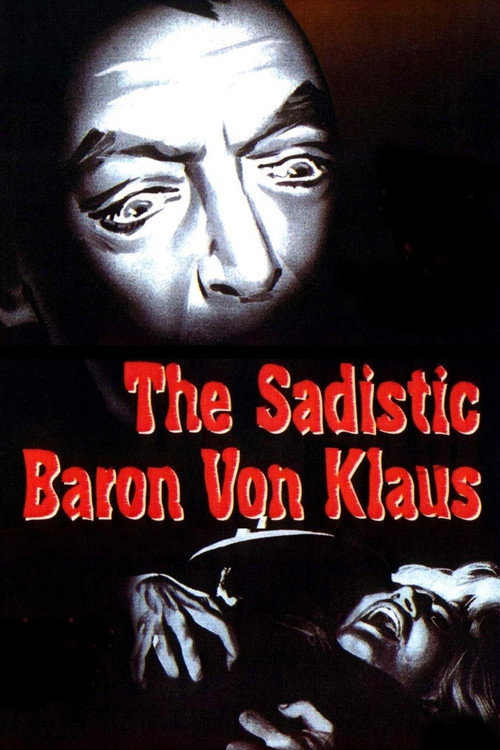
The Sadistic Baron Von Klaus1962
A sadist aristocrat tortures women in his castle while posing as respectable. Nasty, sexy, amoral in exactly the way Circus of Horrors is—unapologetic exploitation dressed as horror.
But It's grubby and unpleasant without always earning it. Some scenes feel gratuitous rather than purposeful.
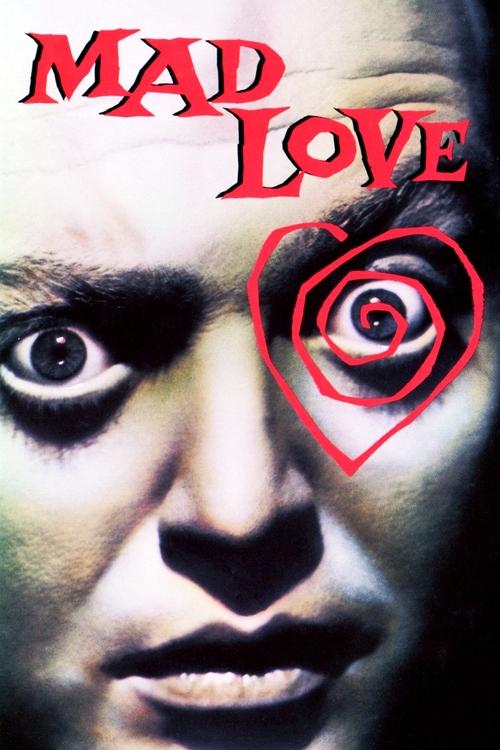
Mad Love1935
Peter Lorre's obsessive surgeon grafts a murderer's hands onto an innocent man. Early, influential body-horror about transformation gone wrong and desire destroying its object.
But 1935 means the horror is more psychological than visual. The climax telegraphs its punches.
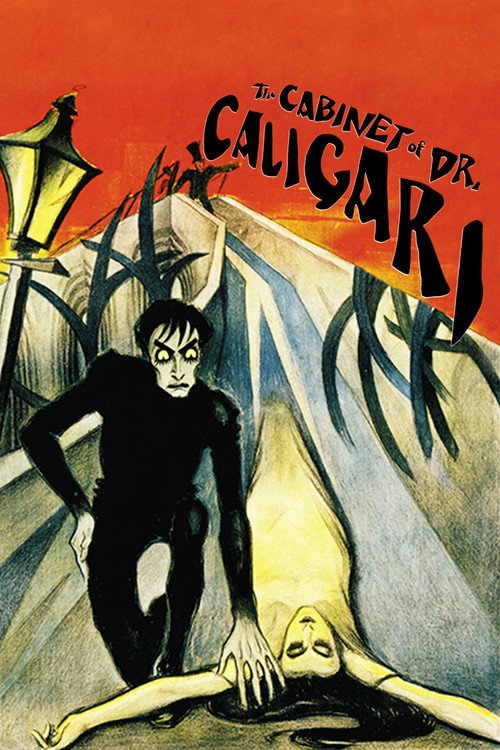
The Cabinet of Dr. Caligari1920
The granddaddy of mad-doctor horror: a cabinet of painted sets, a hypnotist, murders. Expressionist geometry and genuine wrongness that predates everything.
But It's avant-garde cinema, not narrative cinema. If you watch it for plot, you'll miss what makes it extraordinary and resent it for being slow.
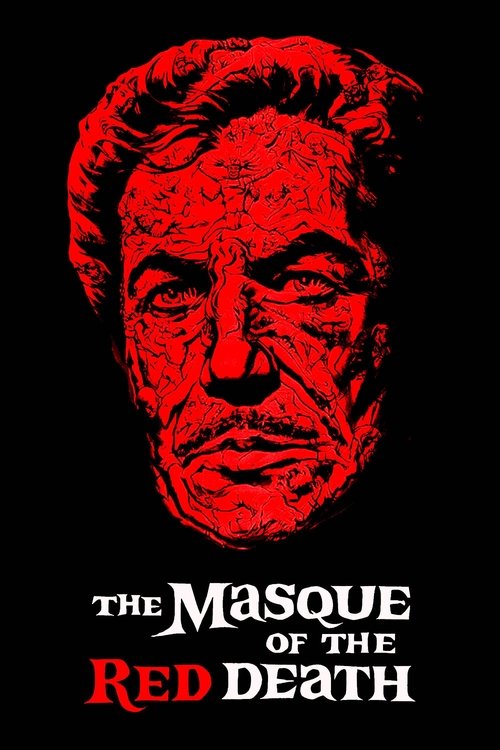
The Masque of the Red Death1964
Both treat performance—the circus, the masquerade—as a space where monstrosity hides in plain sight. Beauty and death are inseparable.
Corman's Poe adaptation: a plague ravages the kingdom while a prince throws a masquerade ball. Like Circus, it's a closed world of artifice and cruelty where beauty masks death. Lush, theatrical, operatic.
But It's more art film than horror film. If you want scares rather than dread and symbolism, it's too mannered.
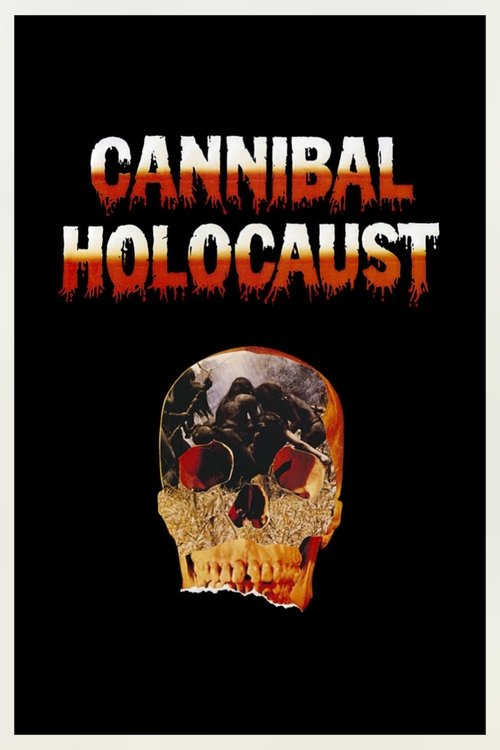
Cannibal Holocaust1980
Both ask: what makes someone a monster? The surgeon thinks he's civilizing women; the film asks what monstrosity looks like when the camera is recording it. The viewer's complicity is the real subject.
Found-footage horror that documents filmmakers murdered by a remote tribe. Structurally it's about the camera witnessing atrocity; thematically it's about who we believe is civilized and who we call savage—the surgeon's logic inverted.
But It contains real animal death and simulated graphic violence. It's genuinely difficult to watch, and many find the provocation empty.
People
Cast
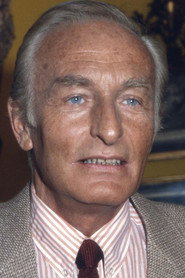 Anton DiffringDr. Schuler
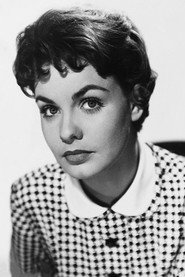 Erika RembergElissa Caro
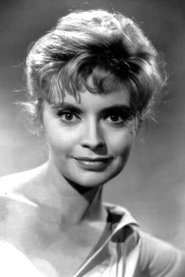 Yvonne MonlaurNicole Vanet
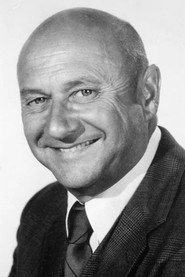 Donald PleasenceVanet
 Jane HyltonAngela
 Kenneth GriffithMartin
 Conrad PhillipsInspector Arthur Ames
 Jack GwillimSupt. Andrews
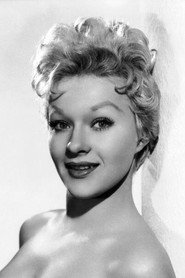 Vanda HudsonMagda von Meck
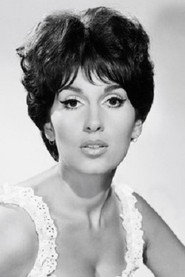 Yvonne RomainMelina
- Colette WildeEvelyn Morley
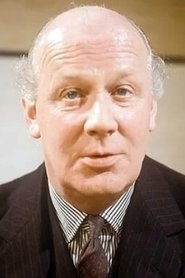 William MervynDr. Morley
Directing
- Sidney HayersDirector
Writing
- George BaxtScreenplay
Production
- Norman PriggenAssociate Producer
- Julian WintleProducer
- Leslie ParkynProducer
- Samuel Z. ArkoffProducer
- Charles PermaneProduction Manager
Recommended by
House of 1,000 Dolls, Dementia 13, Horrors of the Black Museum