
Film
Alucarda
- Supernatural horror
- Dark fantasy
- Very dark
Alucarda is a 1977 Mexican horror film of baroque sensuality and genuine dread. Two orphaned girls form a passionate bond in a convent that becomes a gateway for demonic possession. It's visually stunning, erotically charged, and deeply weird—operatic horror that feels like a fever dream. For lovers of transgressive cinema and the baroque strain of European horror.
Should you watch it?
Watch it if you love slow-burning gothic horror where dread gathers through candlelit convent corridors and a strange, sensual friendship, and you don't mind a film that prizes mood over logic.
Skip it if you need tight plotting and a clear throughline, since this drifts through loosely connected scenes and leans on atmosphere and fevered imagery rather than explanation.
What it asks of you: Under eighty minutes, it moves in dreamlike loops rather than steady beats, and it wants you to sit with unease and grotesque images without much relief or wit.
Not sure? Find tonight's pick in a minute.
If you liked this
Suspiria1977
Dario Argento's masterpiece of pure visual terror and chromatic excess. Like Alucarda, it uses colour and sound as weapons, building dread through atmosphere rather than plot. A hypnotic descent into a world with its own terrible logic.
But Deliberately paced, with minimal dialogue and a plot that serves the mood rather than the narrative. The dubbing (even restored versions) can feel distant.

The Wailing2016
A Korean horror film equally concerned with faith, corruption, and the impossibility of knowing truth. Builds its terror from ambiguity and the collision of the spiritual and rational. Gorgeously shot and genuinely unsettling.
But Nearly three hours long. The ending deliberately refuses closure, which frustrates some viewers more than it haunts them.

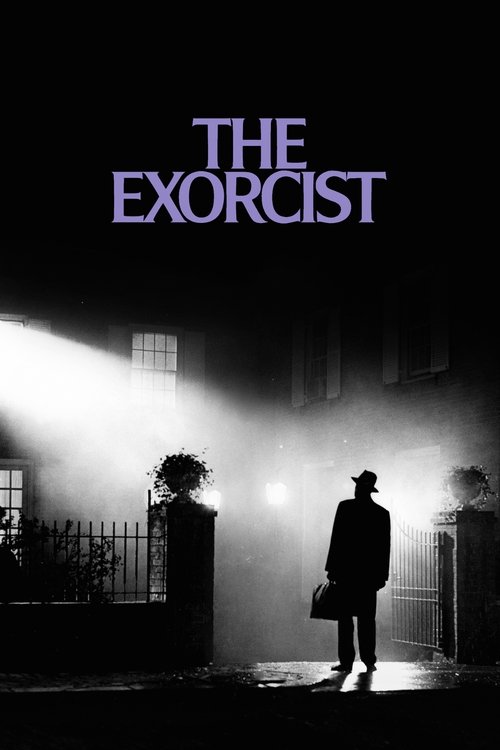
The Exorcist1973
The obvious touchstone: possession horror that takes theological dread seriously. Both films understand that the real horror isn't the demon, it's the loss of self and the powerlessness of institutions meant to protect us.
But It's been imitated so many times that its power can feel familiar now. The pacing in the first half is deliberately slow.
Not sure tonight? Get a pick in a minute, starting from Alucarda
The wildcard
Something you would not have found on your own.
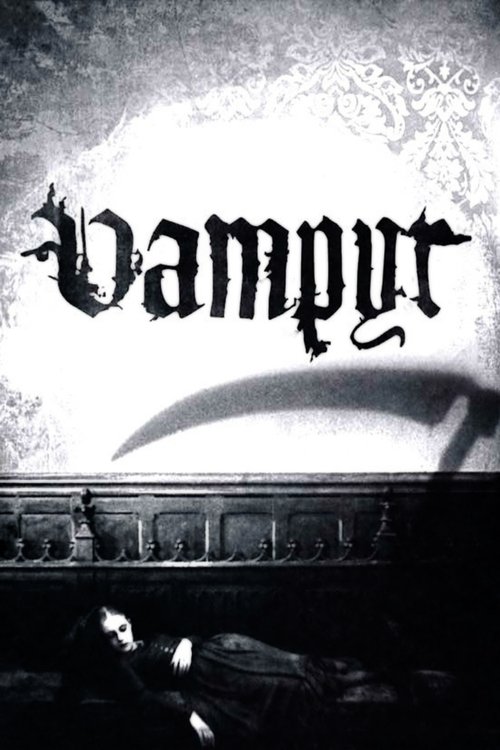
Vampyr1932
Both are baroque horror films where atmosphere and visual language carry more weight than plot. Both treat the supernatural as contagious, spreading through institutions and bonds rather than through clear cause-and-effect.
Carl Theodor Dreyer's masterpiece predates Alucarda by 45 years but feels like its spiritual ancestor. Silent, dreamlike, visually hypnotic—a film about infection and corruption that works entirely through mood and image. Both treat the supernatural as something that seeps rather than arrives.
But Silent film with intertitles. Requires patience and active viewing. The plot is deliberately obscure, which some find profound and others find obfuscating.
More like this (6)
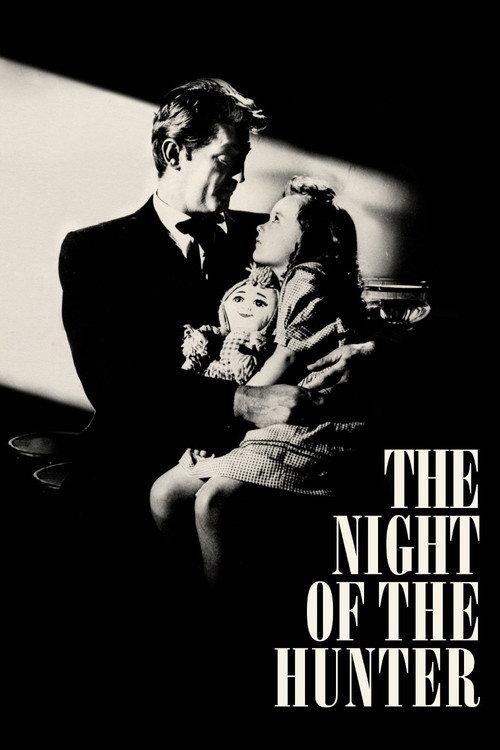
The Night of the Hunter1955
Charles Laughton's only directorial effort is a fever-dream of American gothic. Like Alucarda, it's visually baroque, morally ambiguous, and treats evil as seductive and beautiful rather than merely monstrous.
But A 1950s film, so some of the social attitudes are dated. The theatrical melodrama won't appeal to realism-seekers.
Possession1981
Andrzej Żuławski's descent into marital and metaphysical chaos. Deliberately disorienting, gorgeously grotesque, and entirely committed to the logic of nightmare. Possession as psychological and literal horror.
But Intensely difficult to watch. The performances are fractured and loud; the film resists comfort or easy interpretation. Not for every mood.

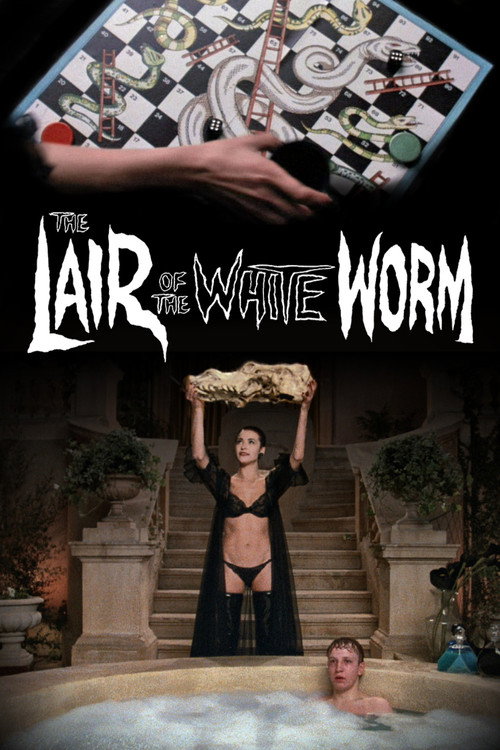
The Lair of the White Worm1988
Ken Russell adapts Bram Stoker into pure visual excess and sexual transgression. Campy and horrifying at once, it understands that baroque horror and eroticism can occupy the same space without contradiction.
But Sometimes the ambition exceeds the execution. The tone is wildly inconsistent, which some find thrilling and others find messy.
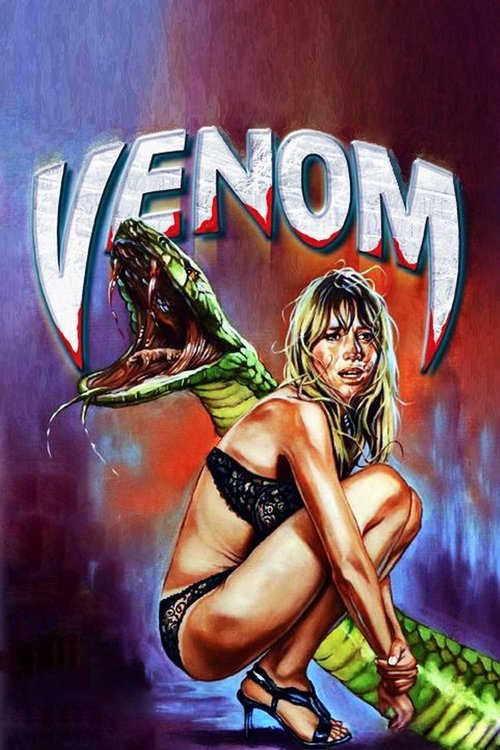
Venom1981
Piers Haggard's deeply weird British horror about a black mamba loose in a townhouse. Not the obvious choice, but it shares Alucarda's commitment to atmosphere and its willingness to let the weird be weird without explaining everything away.
But A survival thriller disguised as a horror film, with long stretches of tension that don't pay off in supernatural ways. Some find it frustratingly grounded.
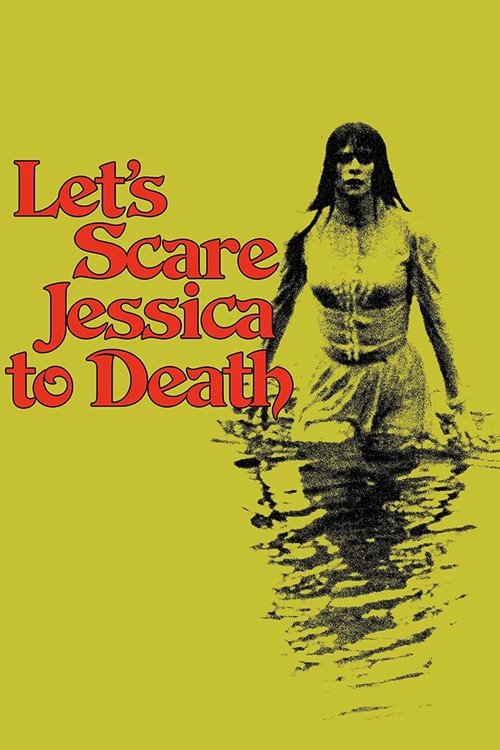
Let's Scare Jessica to Death1971
A genuinely eerie American indie horror about a woman's fragile sanity and a possibly haunted house. It has Alucarda's interest in ambiguity and its refusal to separate external horror from internal collapse.
But Low-budget restraint might read as slowness. The ambiguity some find brilliant others find inconclusive.
The Ascent1977
Both films treat spiritual crisis as the true subject. Both are visually stunning in ways that feel almost painterly. Both end in transformation, though neither suggests it's redemptive.
Larisa Shepitko's final film: two Soviet partisans climb a snowy mountain toward execution, pursuing transcendence as they approach death. Like Alucarda, it's a film about faith tested to breaking, shot in stark black and white that's somehow more baroque than colour could be.
But Devastatingly bleak. Shot in black and white. Soviet cinema pace and philosophy—not plot-driven. A film about suffering that doesn't flinch from the suffering.

People
Cast
 Tina RomeroAlucarda / Alucarda's Mother
 Susana KaminiJustine
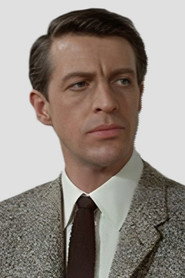 Claudio BrookDr. Oszek / Hunchbacked Gypsy
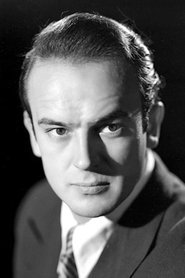 David SilvaFather Lázaro
- Lily GarzaDaniela Oszek
- Tina FrenchSister Angélica
- Birgitta SegerskogMother Superior
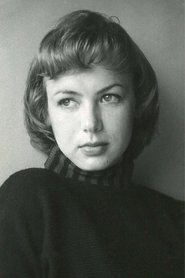 Adriana RoelSister Germana
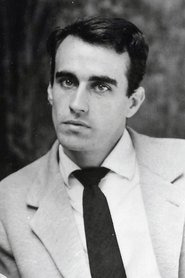 Martin LaSalleBrother Felipe
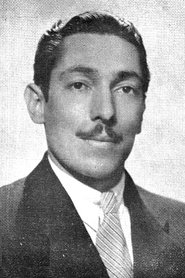 Manuel DondéWagon Driver
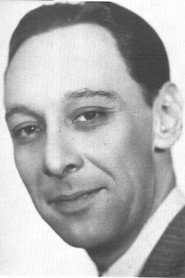 Agustín IsunzaMonk
Directing
- Rafael Villaseñor KuriAssistant Director
- Juan López MoctezumaDirector
Writing
- Sheridan Le FanuNovel
- Alexis ArroyoStory
- Juan López MoctezumaStory
- Tita ArroyoStory
- Yolanda López MoctezumaStory
- Alexis ArroyoWriter
- Juan López MoctezumaWriter
Production
- Eduardo MorenoExecutive Producer
- Eduardo MorenoProducer
- Juan López MoctezumaProducer
- Max GuefenProducer