
Film
Dr. Cyclops
A 1940 mad-scientist fever dream where explorers in the Peruvian jungle stumble into a physicist's experiments and get shrunk to miniature size. It's visually audacious, propelled by genuine menace, and genuinely strange—the kind of thing that feels less like a plot and more like a nightmare someone had after reading too much pulp. For anyone who likes their adventure stories weird and unsettling.
Should you watch it?
Watch it if you enjoy old-fashioned mad-scientist pulp where the sets and old-school trickery matter more than logic, and you like a lean hour-long story that gets straight to its eerie premise.
Skip it if you need modern effects or brisk pacing, since the first act is slow setup of explorers and the science is delivered in talky stretches that creak.
What it asks of you: It asks for patience with stagey 1940s acting and dialogue that explains everything twice, though at barely an hour it is over before that wears thin.
Not sure? Find tonight's pick in a minute.
If you liked this
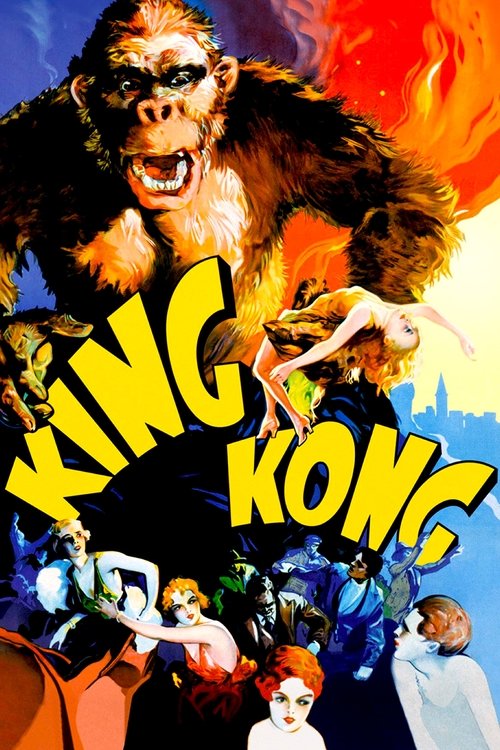
King Kong1933
The prototype for all monster-menaces-civilization stories, with stop-motion effects that still astonish and a creature that somehow breaks your heart. If you love the scale-shift terror of Dr. Cyclops, this is where that idea was born.
But Three hours of 1930s pacing, and the racial attitudes are very much of their time—not subtle, not forgivable.
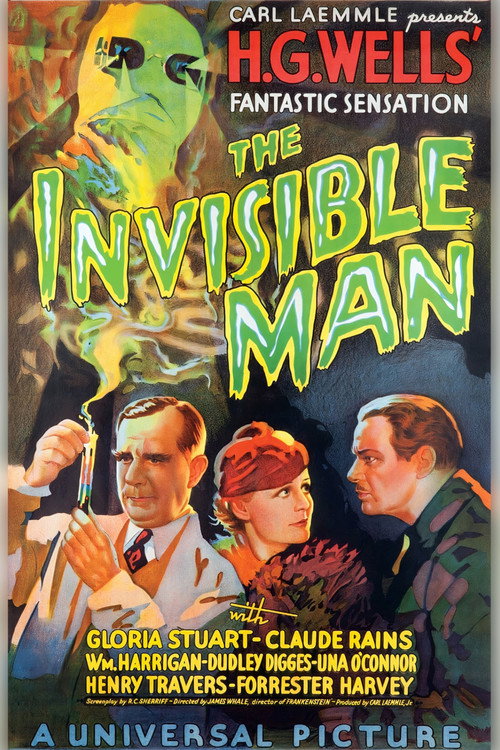
The Invisible Man1933
Universal's masterpiece of a scientist corrupted by his own discovery, descending into paranoia and cruelty. James Whale's direction is immaculate, and the special effects are used with wit and genuine dread.
But It's a slow burn that assumes you'll sit with discomfort. Modern audiences often find it static between the effects sequences.
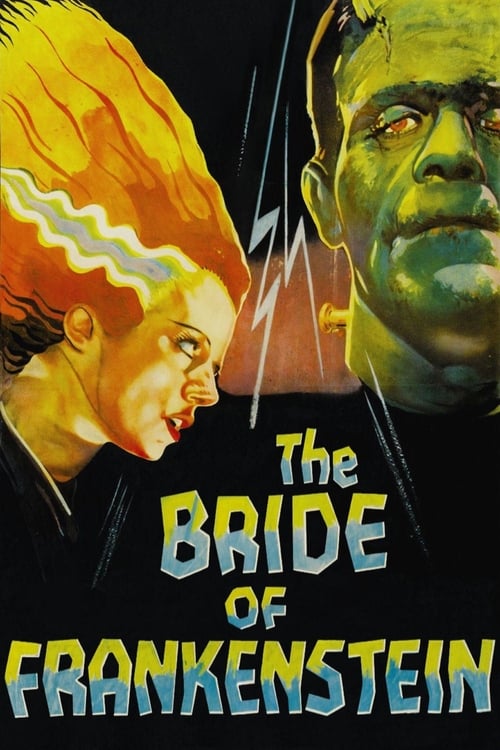
Bride of Frankenstein1935
James Whale again, this time pushing further into camp and tragedy. Elsa Lanchester is unforgettable, the creature design is iconic, and the whole thing vibrates between horror and dark comedy with a sureness few films achieve.
But It's deeply weird in ways that some viewers find silly rather than scary. The tonal shifts won't work for everyone.
Not sure tonight? Get a pick in a minute, starting from Dr. Cyclops
The wildcard
Something you would not have found on your own.
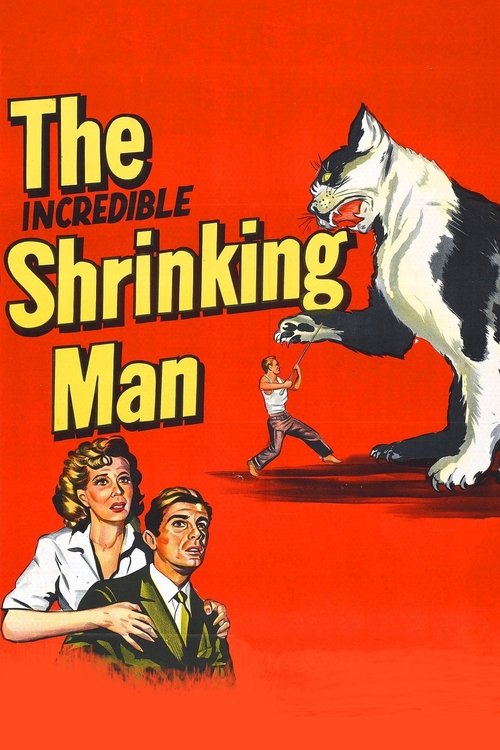
The Incredible Shrinking Man1957
Both shrinkage films, but Matheson takes the conceit seriously—where Dr. Cyclops revels in the weirdness, this one asks what it means to stop mattering to the world.
Richard Matheson's masterpiece about a man dwindling toward atomic size—the same setup, transformed into existential horror. It's visually ingenious, philosophically profound, and genuinely moving. By the end you're not watching a B-movie; you're watching a man disappear from the universe.
But It's bleak in ways that go far beyond the premise. There's no comfort in this ending, and some viewers will find that a deal-breaker.
More like this (7)
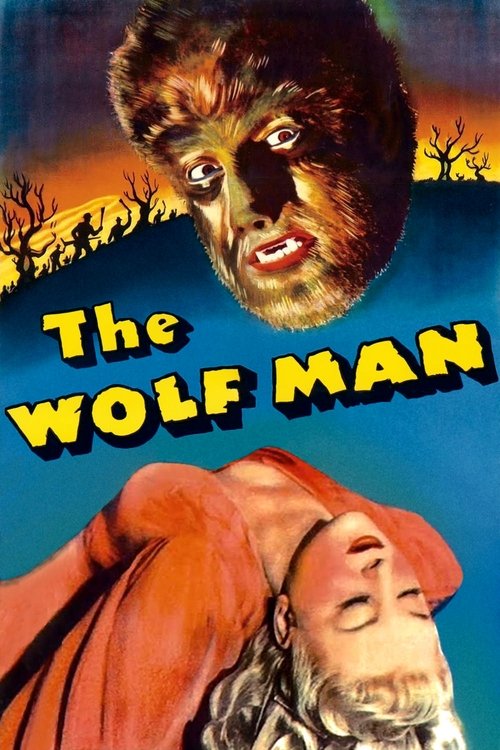
The Wolf Man1941
The tragedy of a man losing control of his own body, treated with genuine pathos alongside the monster-movie trappings. Lon Chaney Jr. is heartbreaking, and the atmosphere is thick as fog.
But The plot mechanics creak audibly. If you need things to make logical sense, this will frustrate you.
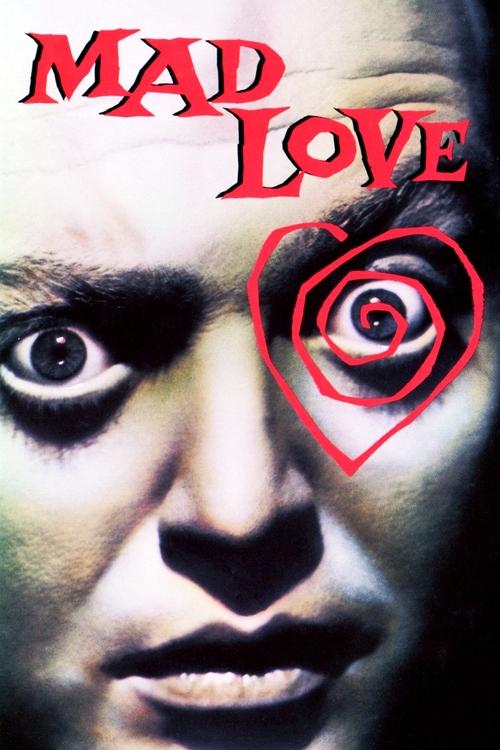
Mad Love1935
Peter Lorre as a surgeon obsessed with a concert pianist, descending into delusion and mutilation in the name of love. It's psychological horror before that was a marketing category—disturbing and deeply strange.
But It's slow and genuinely hard to watch in places. The eroticism of violence will put some people off, and rightly so.
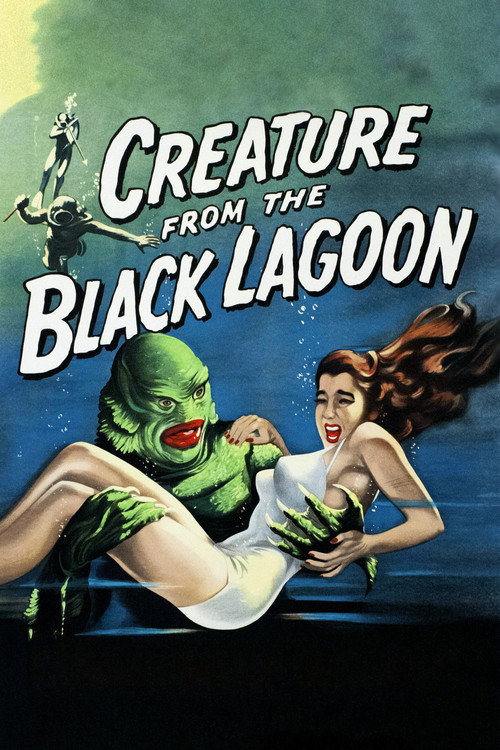
Creature from the Black Lagoon1954
Monster-movie perfection: a creature design that still holds up, a jungle atmosphere you can feel, and a surprisingly elegant underwater cinematography. It's pulp made with real craft.
But The female character exists only to be threatened. If you're sensitive to that particular tiredness, you'll notice it immediately and often.
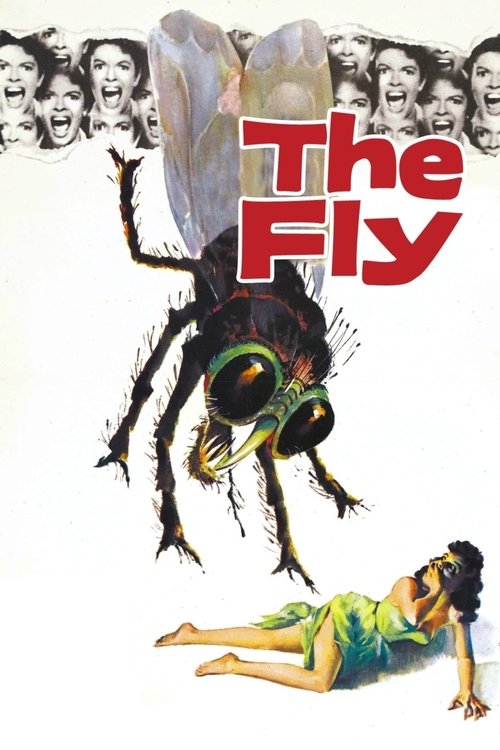
The Fly1958
Teleportation experiment gone catastrophically wrong, building from mild science-fiction premise to body-horror nightmare. Vincent Price gives one of his greatest performances, and the final act is genuinely cruel.
But The practical effects are grotesque by design. If you're squeamish, this will find your limit and cross it.
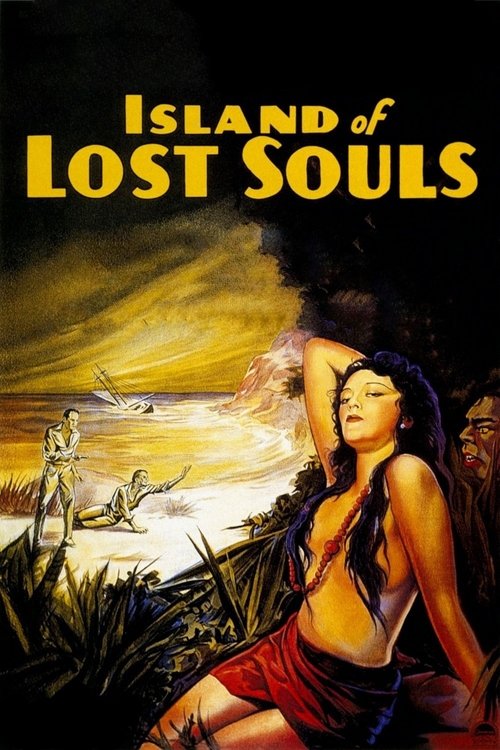
Island of Lost Souls1932
Forbidden adaptation of Wells's Moreau with Charles Laughton as the most terrifying gentleman you've ever seen. It's genuinely transgressive in ways that matter—sexual cruelty, racial anxiety, the terror of the body remade.
But It's bleak, it's brutal, and the human-animal hybrid makeup will either fascinate or disgust you. Fair warning: it's the latter for most viewers.
Häxan1922
Both are films from different eras that don't quite fit their genres—neither quite horror, neither quite anything else. Both rely on practical effects to create genuine dread. Both feel like documents from another reality.
A Swedish documentary-essay-fever-dream about witch trials, presented as visions and recreations that feel like stepping into someone's nightmare. It's decades ahead of its time: experimental, genuinely frightening, and utterly committed to its own strangeness. Unlike anything you've seen.
But It's a silent film from 1922 with no conventional narrative. The pacing is hypnotic rather than propulsive, and some sequences are deeply disturbing—depictions of torture and suffering that don't look away.

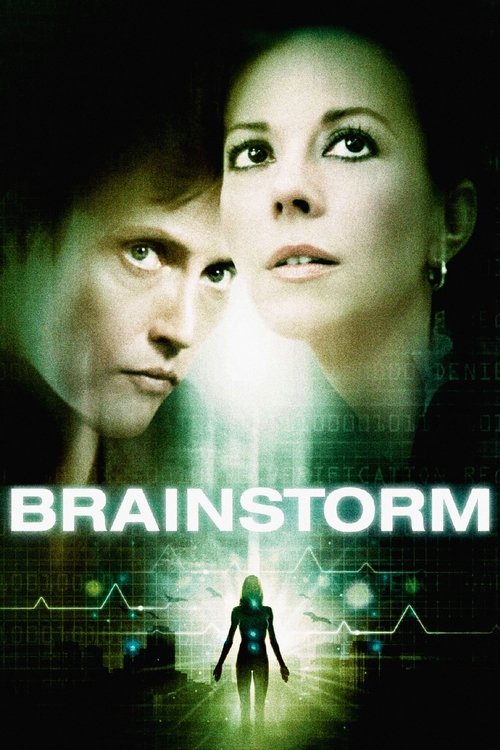
Brainstorm1983
Both are films built on a single image—shrinking, or recording consciousness—and willing to follow that image anywhere it leads, logic be damned. Both trust the weirdness.
Natalie Wood's final film, a mind-bending science-fiction thriller about a technology that records and plays back experiences—including death. Visually astonishing, structurally bold, and haunted by the knowledge that Wood died before filming finished. It's strange and sincere in equal measure.
But It's clumsy in places, digitally ambitious in ways that sometimes don't work, and genuinely difficult to follow. The ending is polarizing—some find it transcendent, others find it a mess.
People
Cast
 Albert DekkerDr. Alexander Thorkel
 Thomas ColeyBill Stockton
 Janice LoganDr. Mary Robinson
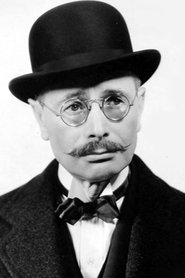 Charles HaltonDr. Rupert Bulfinch
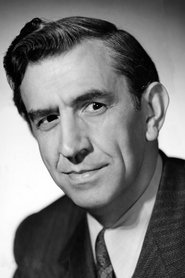 Victor KilianSteve Baker
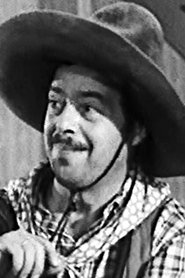 Frank YaconelliPedro
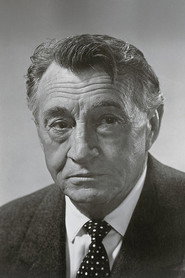 Paul FixDr. Mendoza
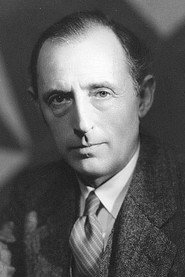 Frank ReicherProf. Kendall
- Jane WebbWoman (uncredited)
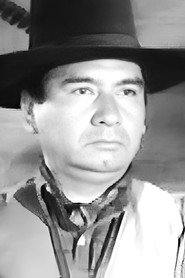 Billy WilkersonSilent Indian (uncredited)
Directing
- Hollingsworth MorseAssistant Director
- Ernest B. SchoedsackDirector
Writing
- Malcolm Stuart BoylanScreenplay
- Tom KilpatrickScreenplay
Production
- William LeBaronExecutive Producer
- Dale Van EveryProducer
- Merian C. CooperProducer