
Film
Brainstorm
A high-concept sci-fi thriller about a technology that records human sensory experience—touch, sight, taste, everything. When one inventor records their own death, it becomes a weapon and obsession. Walken is hypnotic as a grief-stricken man chasing transcendence through a machine. Visually ambitious, narratively uneven, and genuinely strange.
Should you watch it?
Watch it if you enjoy hard-edged science fiction where a gadget's pull on the people who build it grows steadily more troubling, and you don't mind 1980s effects and earnest performances.
Skip it if the pace is deliberate for long stretches, the emotional tone is melodramatic, and the dated visuals may pull focus from the ideas you came for.
What it asks of you: Around 106 minutes, paced through long lab-bench conversations and quiet domestic scenes, with the thriller tension building gradually rather than in bursts.
Not sure? Find tonight's pick in a minute.
If you liked this
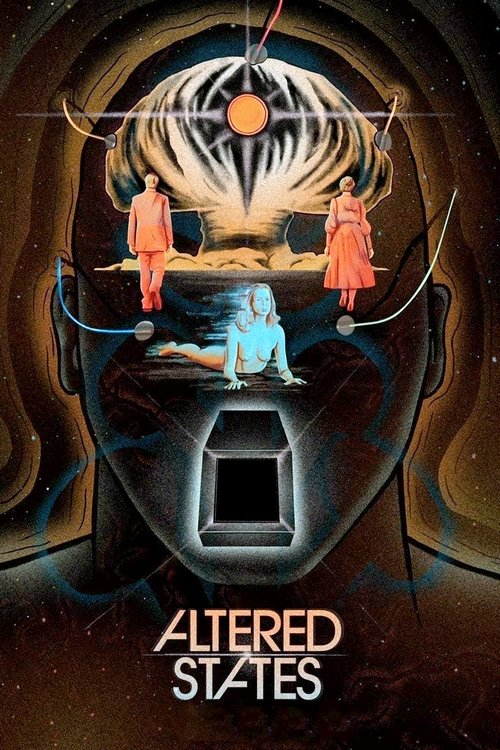
Altered States1980
William Hurt disappears into sensory deprivation and hallucinogenic drugs, chasing altered consciousness through science. Like Brainstorm, it's sincere sci-fi about the self and perception, with real conviction behind its weirdness.
But The plot spirals into pure abstraction. By the end, it stops making conventional sense, which is either transcendent or exhausting depending on your patience.
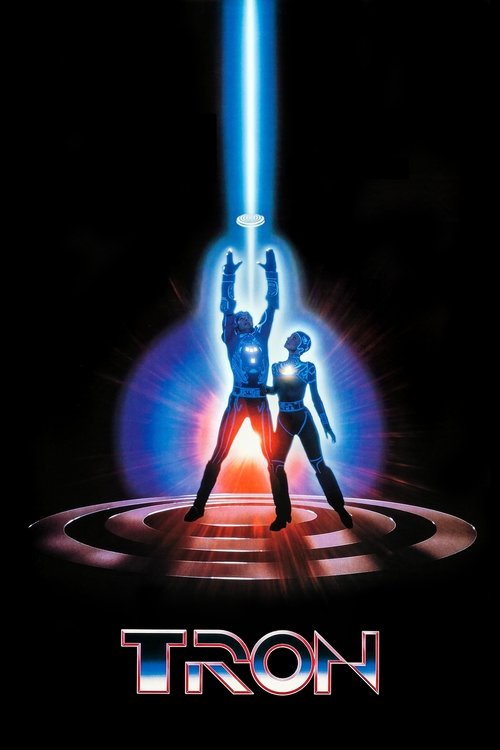
Tron1982
Another '82 thriller about technology consuming human minds and bodies. Visually groundbreaking, genuinely tense, and it shares Brainstorm's belief that sci-fi can ask serious questions about consciousness and identity.
But The human story gets buried under the spectacle. If you need character work above all else, the plot can feel thin.
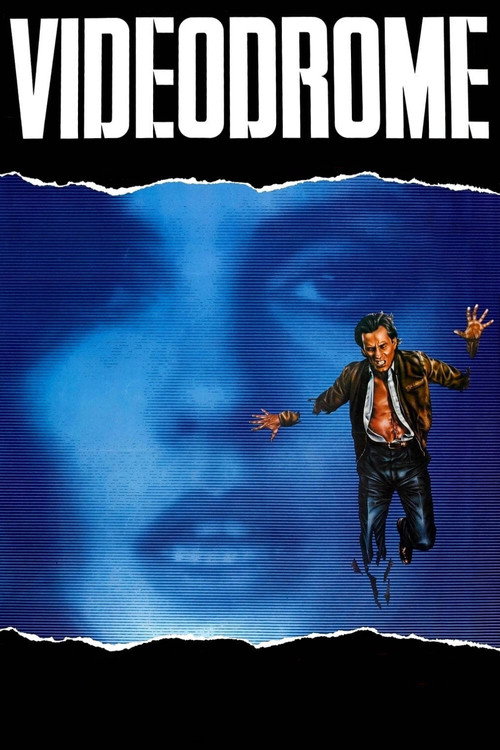
Videodrome1983
Cronenberg's masterpiece about technology invading the body and mind. It's visceral where Brainstorm is clinical, but both ask whether we can survive merging with our machines. Absolutely hypnotic.
But Genuinely grotesque and deliberately difficult to watch. Not a fun thriller; it's contamination anxiety made flesh.
Not sure tonight? Get a pick in a minute, starting from Brainstorm
The wildcard
Something you would not have found on your own.
Under the Skin2014
Both films treat the body and sensation as the primary text. Both are more interested in mood and experience than plot coherence. Both ask: what does it mean to perceive?
Scarlett Johansson as an alien harvesting human bodies in Glasgow. Like Brainstorm, it's about recording and experiencing the human form, but from the outside—unflinching, sensory-focused, utterly alien. Jonathan Glazer made a film that feels like nothing else.
But It's abstraction without plot. Dialogue is sparse, the pace is hypnotic-to-glacial depending on your mood. Some audiences find it pretentious; others find it transcendent. There is no middle ground.

More like this (7)
The Andromeda Strain1971
Methodical, credible sci-fi about scientists racing against an invisible threat. Like Brainstorm, it trusts the audience to engage with ideas. Tense without relying on action beats.
But Glacially paced by modern standards. The focus is entirely on procedure and problem-solving, no character arcs to speak of.

Scanners1981
Cronenberg again, this time about psychic powers weaponized by corporations. Body horror meets spy thriller. It shares Brainstorm's anxiety about human potential turning dangerous.
But The plot is secondary to set pieces of increasingly grotesque violence. If you want coherence, you won't find it.

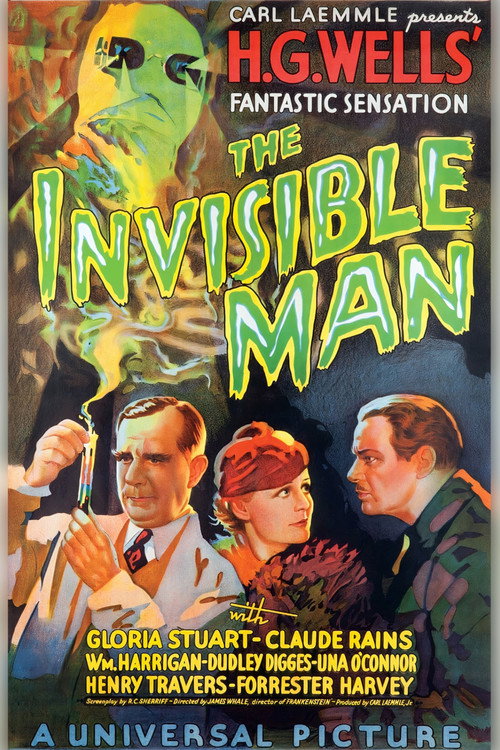
The Invisible Man1933
Universal's expressionist masterpiece. Like Brainstorm, it's about a man intoxicated by a transformative power, losing himself to the technology. Walken's grief mirrors the madness that invisibility inflicts.
But A period piece from ninety years ago. The pacing is glacial and the sound design takes adjustment.
Sleeper1973
Woody Allen in the future, bumbling through sci-fi clichés with genuine affection for the genre. Not serious like Brainstorm, but it shares the sense that technology makes the personal immediate and strange.
But Uneven comedy that relies on you finding Allen's persona charming. Some of it has dated badly.

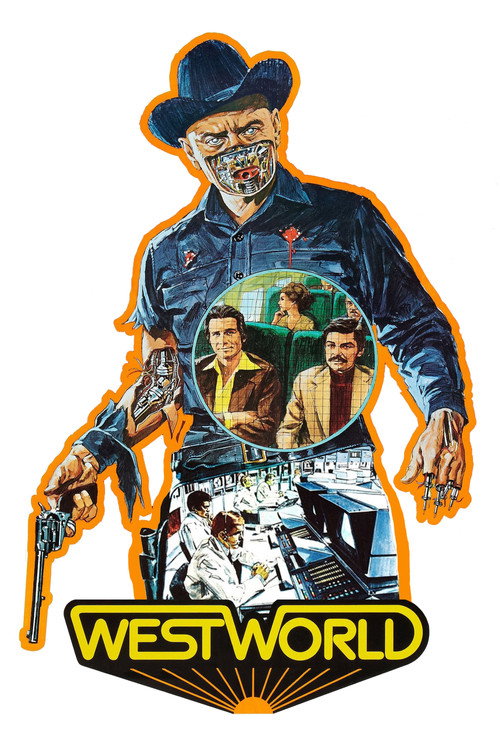
Westworld1973
Crichton's original about androids and simulation. Claustrophobic, paranoid, and genuinely unsettling. Another parable about technology promising transcendence and delivering only danger.
But The script is functional. It's more idea than character, which works until you realize there's nowhere else to go.
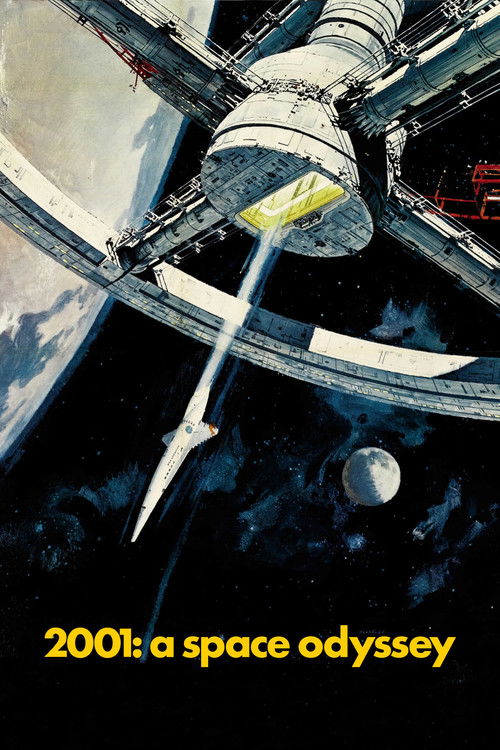
2001: A Space Odyssey1968
Kubrick's ultimate meditation on consciousness and technology. Brainstorm reaches for this film's ambition—the sense that what we're building might transform us beyond recognition.
But Nearly four hours of deliberate, silent exposition. Patience isn't just required; it's the entire point. Most people will find it boring.
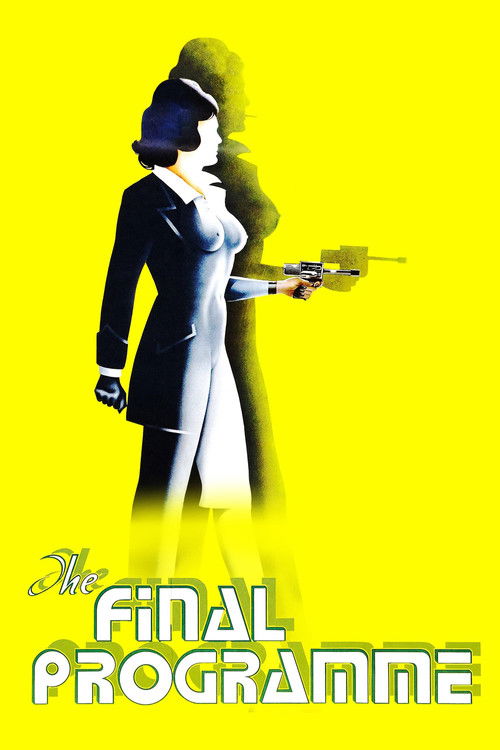
The Final Programme1973
Both are sincere, ambitious failures that reach for something beyond conventional narrative. Both take technology and consciousness seriously. Both are more interesting as failures than most films are as successes.
Obscure adaptation of Michael Moorcock's psychedelic sci-fi novel. Jon Finch navigates a surreal, sexualized, technological maze in early-70s London. It's sincere, strange, and visually unhinged in ways Brainstorm only hints at.
But The narrative is deliberately incoherent, the sexuality is awkward by modern standards, and it looks like it was shot on a shoestring in someone's basement. Most people have never heard of it for good reason.
People
Cast
 Christopher WalkenMichael Brace
 Natalie WoodKaren Brace
 Louise FletcherLillian Reynolds
 Cliff RobertsonAlex Terson
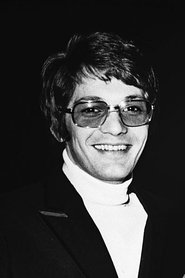 Jordan ChristopherGordy Forbes
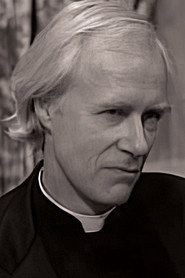 Donald HottonLandan Marks
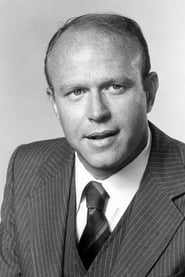 Alan FudgeRobert Jenkins
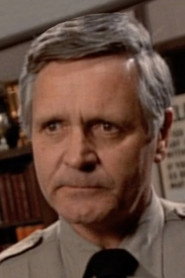 Joe DorseyHal Abramson
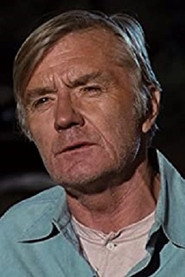 Bill MoreyJames Zimbach
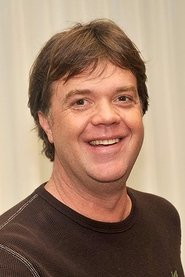 Jason LivelyChris Brace
 Darrell LarsonSecurity Technician
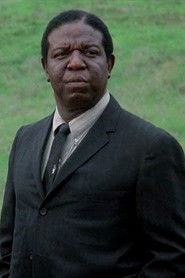 Lou WalkerChef
Directing
- Eugene MazzolaAssistant Director
- Douglas TrumbullDirector
- Bob JeffordsFirst Assistant Director
Writing
- Philip Frank MessinaScreenplay
- Robert StitzelScreenplay
- Bruce Joel RubinStory
Production
- Richard YuricichAssociate Producer
- Joel L. FreedmanExecutive Producer
- Douglas TrumbullProducer
Recommended by
Flatliners, Dr. Cyclops, Dreamscape, Twixt, Arsenal, Project X, Black Box, Warning Sign, Electric Dreams, Creepozoids, Project X