
Film
Scanners
Scanners is David Cronenberg's 1981 sci-fi horror hybrid about telepathic humans weaponized by corporations and government agencies. It's visceral and strange, built around spectacular practical effects and the discomfort of violated minds. For anyone who likes their science fiction weird, violent, and genuinely unsettling rather than reassuring.
Should you watch it?
Watch it if you like cerebral sci-fi where the uncanny is treated as an ugly biological fact, and a slow-burn conspiracy thriller with a mean streak of body horror.
Skip it if you want psychic duels to feel like spectacle, since the telepathy here is mostly hushed staring and a plot that plods through corporate paperwork before anything lands.
What it asks of you: Patience first, since 103 minutes ease in slowly and the gore arrives in hard, sudden bursts rather than a steady drip.
Not sure? Find tonight's pick in a minute.
If you liked this
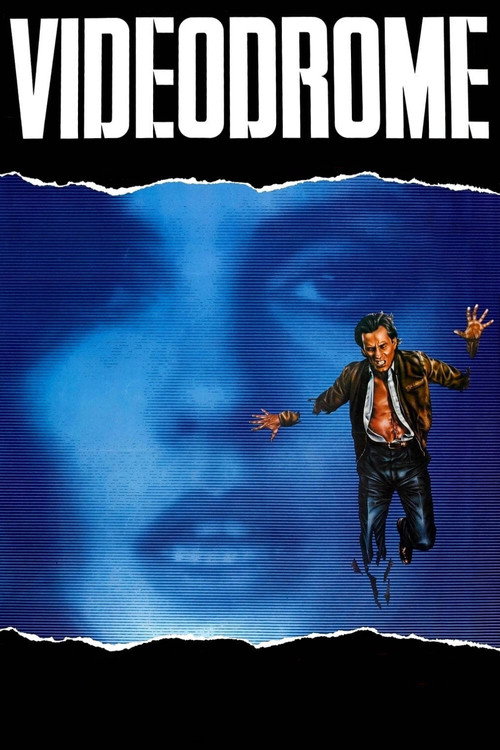
Videodrome1983
Another Cronenberg masterpiece about invasive technology and fractured reality. If you loved Scanners' body horror and paranoid atmosphere, this goes even further into hallucinatory nightmare logic.
But It's deliberately incoherent and deliberately disgusting. Some viewers find it impenetrable rather than fascinating.
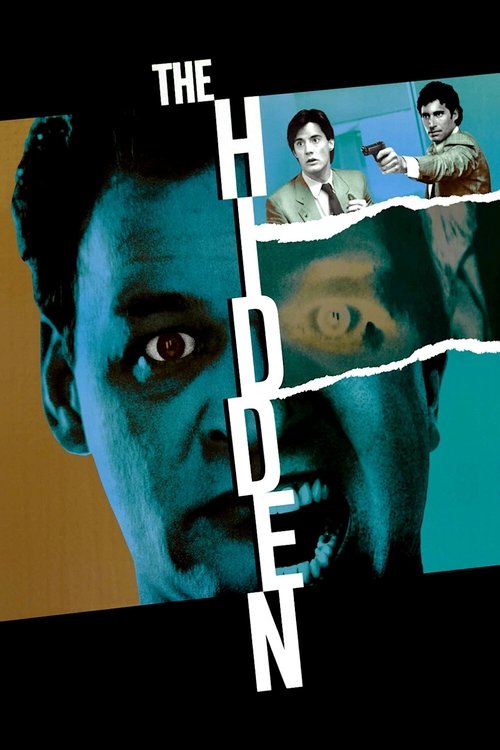
The Hidden1987
A parasitic alien inhabits human hosts, creating similar themes of bodily violation and hidden threats. It has Scanners' paranoia and practical gore but moves like a propulsive thriller.
But It's less philosophically interested in its own premise. More straightforward genre fun than Cronenberg's labyrinthine unease.
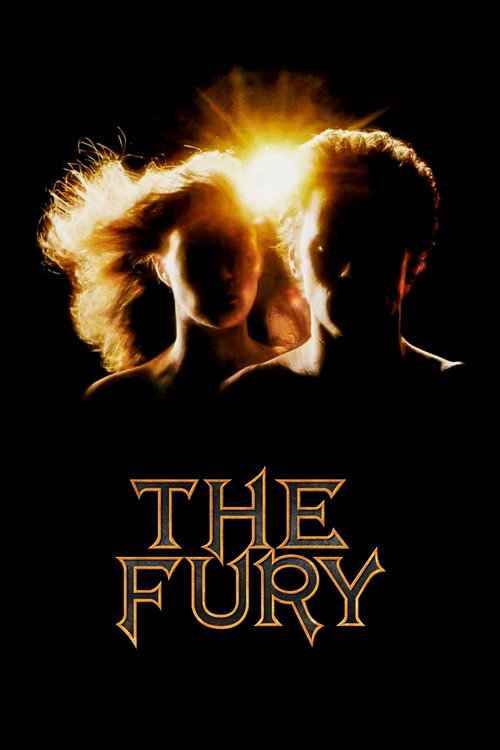
The Fury1978
Brian De Palma's take on weaponized psychics, violent and stylish. Kirk Douglas and Amy Irving in a cat-and-mouse game of telekinetic powers and institutional conspiracy.
But De Palma's thriller mechanics sometimes feel slicker than substantive. Less interested in body horror than Cronenberg's commitment to the grotesque.
Not sure tonight? Get a pick in a minute, starting from Scanners
The wildcard
Something you would not have found on your own.
Possession1981
Both are 1981 films that weaponize the human body and psyche as sites of invasion. Both use the language of horror to explore intimate betrayal and institutional paranoia. Both are too weird and too committed to their own logic to be merely entertaining.
Polish director Andrzej Żuławski's 1981 masterpiece: a marriage dissolving into cosmic horror, featuring Isabelle Adjani in an absolutely unhinged performance. It's the same year as Scanners and equally committed to making the viewer *feel* violated and disturbed.
But It's deliberately obscure, structurally chaotic, and the violence—psychological and physical—is relentless and cruel. Not for viewers seeking coherence or comfort.

More like this (7)
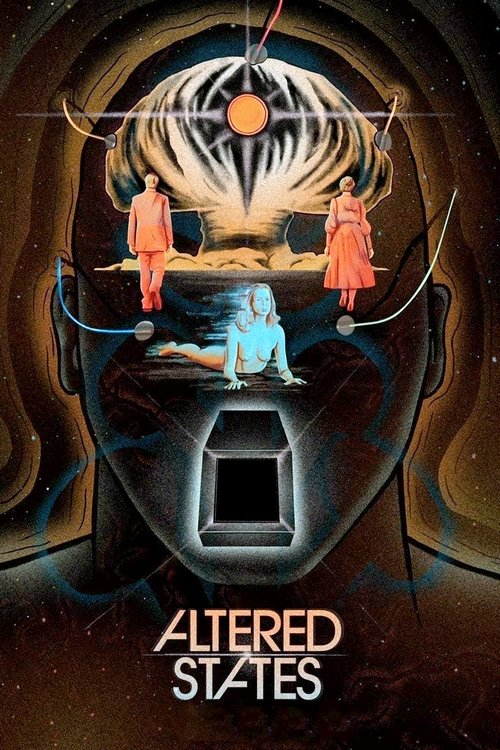
Altered States1980
Ken Russell's hallucinogenic journey into consciousness alteration via experimental drugs. Shares Scanners' interest in the mind as a frontier and reality as unstable.
But It's visually baroque and philosophically sprawling. Some find Russell's maximalism exhausting rather than enlightening.
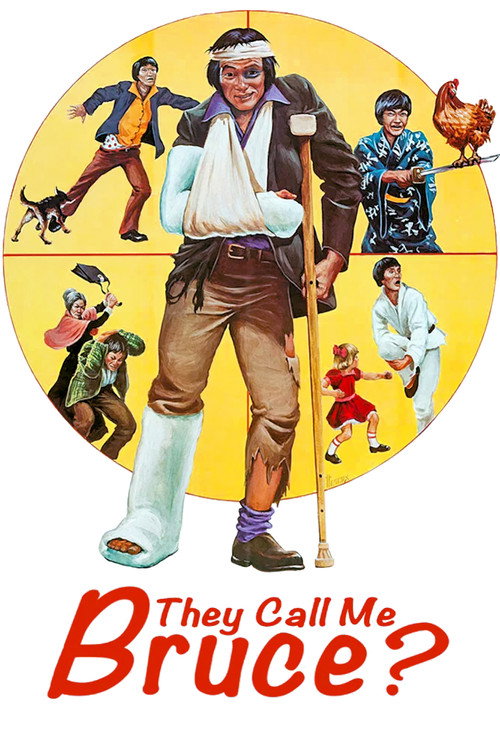
They Call Me Bruce?1982
No wait—actually: Possession, Andrzej Żuławski's 1981 fever dream about a marriage collapsing into cosmic body horror. Isabelle Adjani is extraordinary and it's as alien as Scanners.
But It's deliberately obscure and hostile to plot clarity. The viscera and psychological anguish can feel punishing.
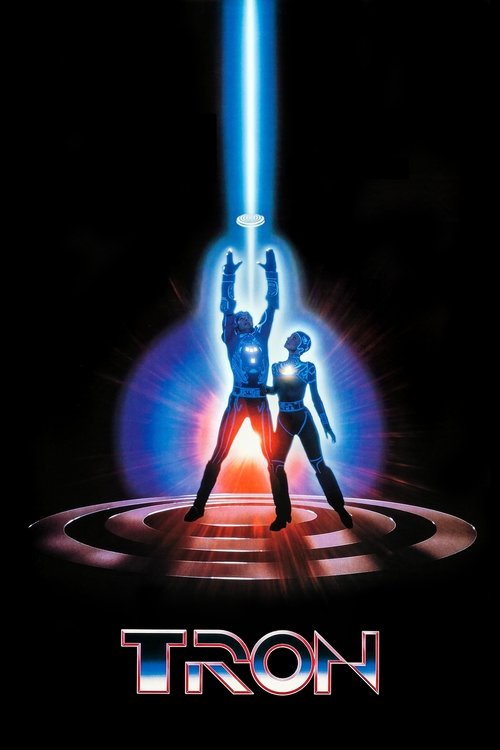
Tron1982
Sci-fi from the same era about consciousness, identity, and systems of control. Much glossier than Scanners, but shares an interest in the mind as a landscape to be invaded.
But It's essentially a technical achievement wrapped around thin plotting. Less interested in unease than spectacle.
Starship Troopers1997
Paul Verhoeven's satire about militarized bodies and state propaganda. Shares Scanners' interest in bodies as weapons and institutions as corrupt, but through fascistic sci-fi action.
But It's broad and fun where Scanners is claustrophobic and disturbing. The satire can feel surface-level to some viewers.

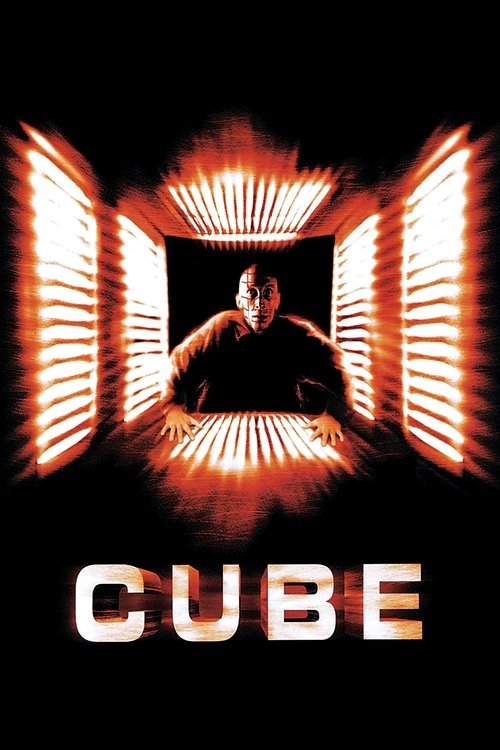
Cube1998
A low-budget Canadian sci-fi chamber piece about people trapped in an inexplicable maze. Paranoia, isolation, and the mind under duress—Scanners' DNA in a different configuration.
But The acting is uneven and the film relies on puzzle-logic that doesn't always hold. Less visually distinctive than Cronenberg.
Under the Skin2014
Both refuse to explain their central premise. Both use the body as the primary site of horror. Both are interested in what it means to be human by showing us inhuman eyes looking back. Johansson's alienation mirrors Vale's forced awakening to Scanner abilities.
Jonathan Glazer's profound alien-invasion film about an otherworldly woman (Scarlett Johansson) harvesting humans. It's hypnotic, sensual, and deeply disturbing—sci-fi horror that works on instinct rather than explanation.
But Barely a plot. Long silences, abstract sequences, no payoff in conventional terms. Demands active viewing and rewards patience with unease, not answers.

Paprika2006
Both explore consciousness as a battleground and invasion as the central horror. Both suggest that understanding the mind is more terrifying than reassuring. Paprika's dream-logic matches Scanners' disorientation; both feature institutions weaponizing human interiority.
Satoshi Kon's animated film about a dream-sharing device that destabilizes reality. Visually dizzying, narratively complex, philosophically sophisticated about consciousness and violation. Japanese animation doing what Cronenberg does with flesh, but with pure cinema.
But It's densely plotted, sometimes overwhelming visually, and requires genuine attention. The animation style can feel like visual chaos if you're not onboard with Kon's maximalist approach.

People
Cast
 Stephen LackCameron Vale
 Jennifer O'NeillKim Obrist
 Michael IronsideDarryl Revok
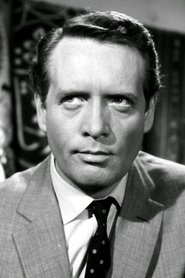 Patrick McGoohanDr. Paul Ruth
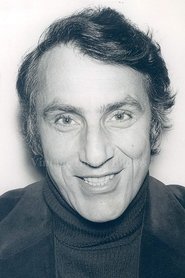 Lawrence DaneBraedon Keller
 Robert A. SilvermanBenjamin Pierce
- Lee BrokerSecurity One
- Mavor MooreTrevellyan
- Adam LudwigArno Crostic
- Murray CruchleyProgrammer 1
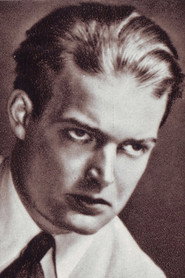 Fred DöderleinDieter Tautz
 Géza KovácsKiller in Record Store
Directing
- France BoudreauContinuity
- David CronenbergDirector
- Jimmy KaufmanFirst Assistant Director
- Michael A. WilliamsSecond Assistant Director
- Anne MurphyThird Assistant Director
Writing
- David CronenbergWriter
Production
- Daniel HausmannCasting
- Ginette D'AmicoCasting Assistant
- Muriel FournierCasting Assistant
- Pierre DavidExecutive Producer
- Victor SolnickiExecutive Producer
- Christine BurtLocation Manager
- Bill WigginsPost Production Coordinator
- Claude HérouxProducer
- Kim ObristProducer's Assistant
- Serge MajorProduction Accountant
- Claire VeilletProduction Assistant
- Glendon LightProduction Assistant
- Guy LandryProduction Assistant
- Marilyn MajerczykProduction Assistant
- Neil BibbyProduction Assistant
- Nerses KolanianProduction Assistant
- Nick RoseProduction Assistant
- Patrick FerrerroProduction Assistant
- Victor BlazevicProduction Assistant
- Danièle RohrbachProduction Coordinator
- Don BuchsbaumProduction Manager
- Jean SavardUnit Manager
Recommended by
Fantastic Voyage, The Lawnmower Man, Videodrome, RoboCop 2, Christine, Dreamscape, Shivers, The Puppet Masters, The Stuff, Monkey Dust, Real Genius, Firestarter, Hardware, The Fly, It's Alive, Lifeforce, Eraser, Fiend Without a Face, The Fury, Body Snatchers, Strange Invaders, Rabid, Brainstorm, The Visitor, The Power, Creature, The Dead Zone, The Fly II, Superman III, The Philadelphia Experiment, The Island of Dr. Moreau, Jason X, Hollow Man, Memory Run, Contamination, Millennium, The Deadly Spawn, The Tomorrow People, Invaders from Mars, The Medusa Touch, Metamorphosis: The Alien Factor, Fiend