
Film
Hardware
A 1990 sci-fi horror film where a lethal military android reconstructs itself in an artist's apartment using kitchen utensils and household objects. Visually inventive and relentlessly bleak, it's a claustrophobic siege film with a genuinely unsettling antagonist. For those who love practical effects, industrial aesthetics, and don't mind a film that privileges style and dread over plot coherence.
Should you watch it?
Watch it if you like lean, grimy sci-fi horror where a cheap, claustrophobic apartment becomes the battleground and the menace feels mechanical, loud and oddly intimate rather than sleek or polished.
Skip it if you need a tidy plot or a slow build to character, since this one is hectic and rough-edged, and its low budget shows in places you may find hard to forgive.
What it asks of you: Ninety-four minutes of relentless noise and motion, with little breathing room between bursts of violence; it wants your full attention and a tolerance for gore and abrupt tonal swings.
Not sure? Find tonight's pick in a minute.
If you liked this
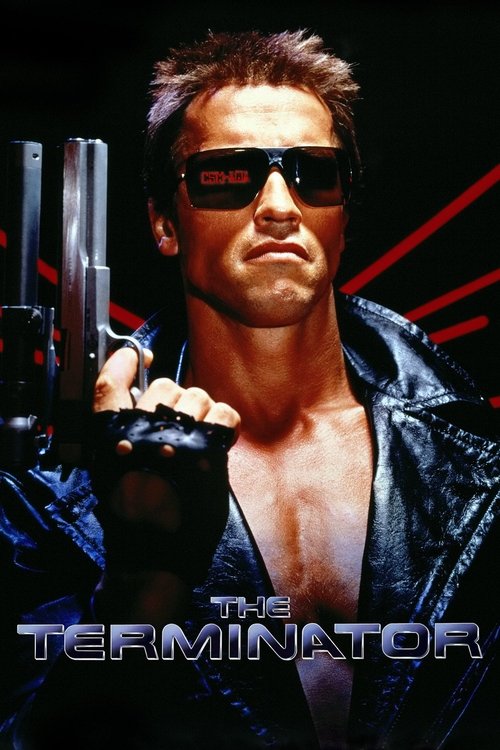
The Terminator1984
The DNA of unstoppable killer robots hunting in domestic spaces. Schwarzenegger's T-800 defined the archetype, but Terminator does patient, methodical terror where Hardware does frenetic industrial nightmare. Essential reference point.
But The action-movie framing might feel slower and less visually inventive than what you're seeking if Hardware's maximalism is your draw.
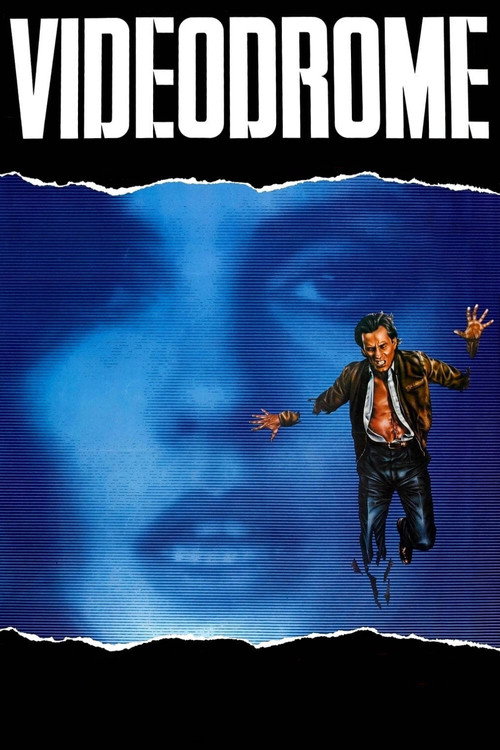
Videodrome1983
Cronenberg's equally unhinged descent into body horror and sensory overload, using found objects and flesh as sculptural material. Same era, same willingness to make viewers uncomfortable through sheer visual audacity and transgression.
But It's even more abstract and philosophically murky—if you want plot clarity, this will frustrate you further.
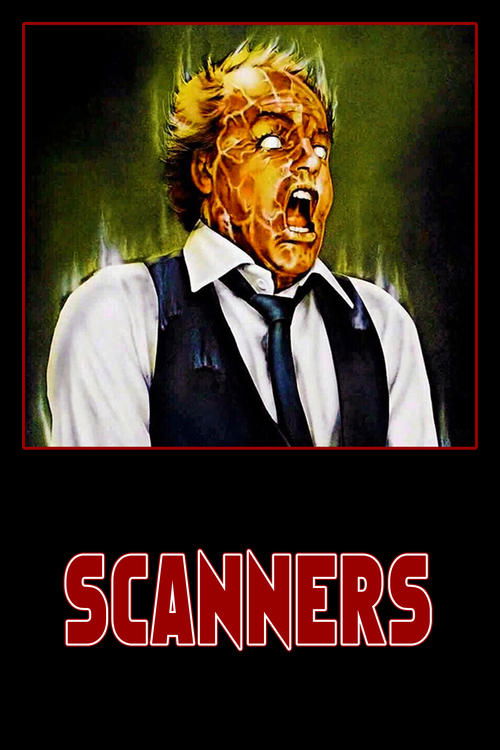
Scanners1981
Another Cronenberg body-horror showcase with practical effects that still look disturbingly real. Features the infamous exploding head and an intimate cat-and-mouse dynamic between two combatants in confined spaces.
But The psychic powers concept might feel dated, and the pacing is deliberately measured rather than propulsive.
Not sure tonight? Get a pick in a minute, starting from Hardware
The wildcard
Something you would not have found on your own.
Under the Skin2014
Both films center on an artificial being moving through human environments with predatory incomprehension; both make the antagonist's perspective strange and queasy rather than simply monstrous.
Jonathan Glazel's alien infiltration film: methodical, hypnotic, almost entirely visual. Where Hardware is aggressive and cacophonous, this is silent and observational—but both are portraits of an inhuman intelligence navigating human space with no comprehension of the damage caused. The dread is identical, just arrived at through opposite means.
But There is minimal plot, no exposition, and long sequences of atmospheric tension with no payoff. It asks patience rather than adrenaline.

More like this (8)
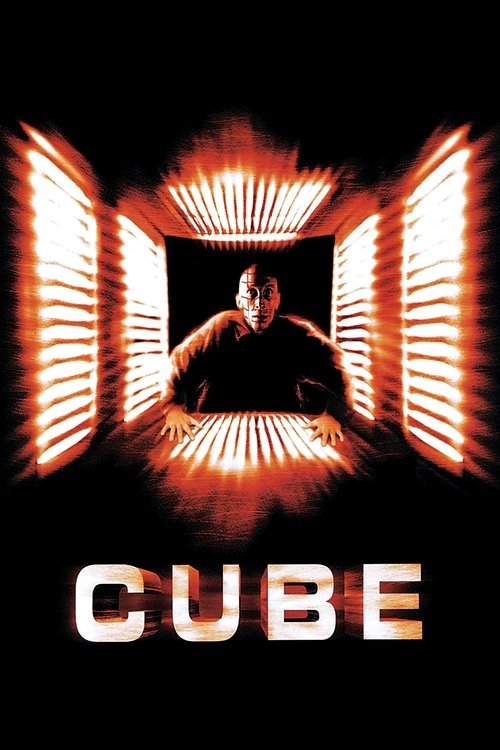
Cube1998
Strangers trapped in a lethal mechanical maze using practical ingenuity to survive. Low budget, high concept, and genuinely tense without relying on gore. The environment itself is the antagonist.
But The acting is deliberately stiff and the dialogue functional—it prioritizes puzzle-box mechanics over character work.
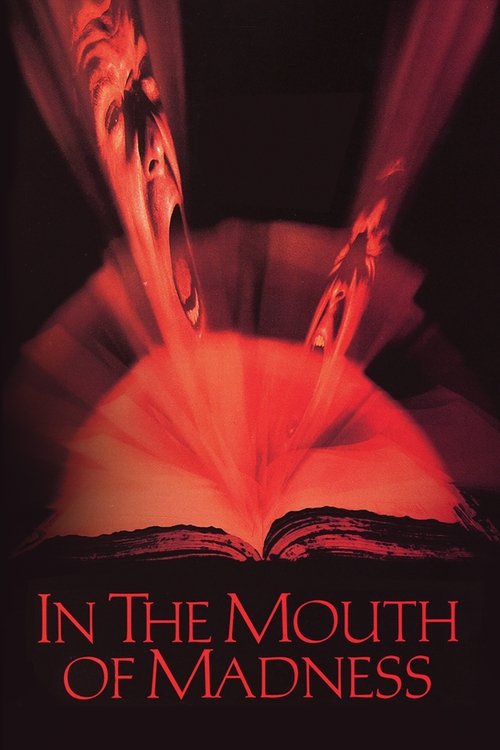
In the Mouth of Madness1995
Carpenter's deliberately overwrought descent into surrealism and dread, where reality collapses and practicality fails. Same maximalist commitment to atmosphere over coherence, with genuine unease beneath the baroque style.
But It's talky and philosophical, and the horror emerges from existential terror rather than a physical threat you can shoot at.
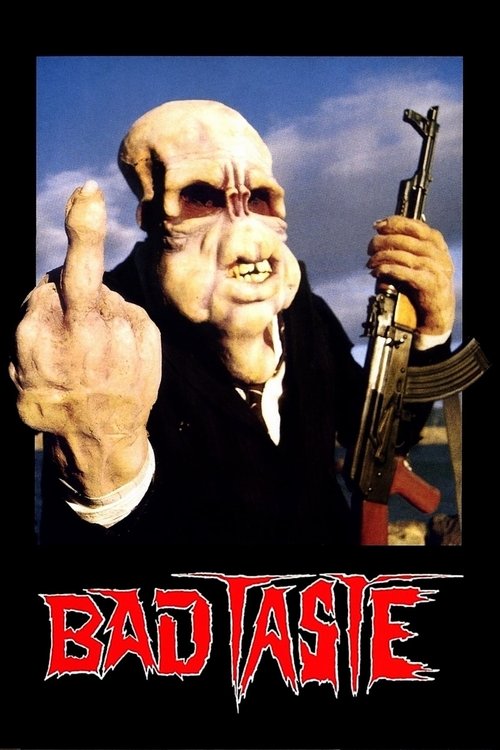
Bad Taste1987
Peter Jackson's feature debut: a practical-effects blood-splatter extravaganza made on a shoestring. Inventive, grotesque, and anarchically fun in the way practical gore can be—same DIY aesthetic as Hardware's reconstruction sequences.
But The comedy tone is broad and juvenile; it's more Raimi than Carpenter, and doesn't carry Hardware's bleak worldview.
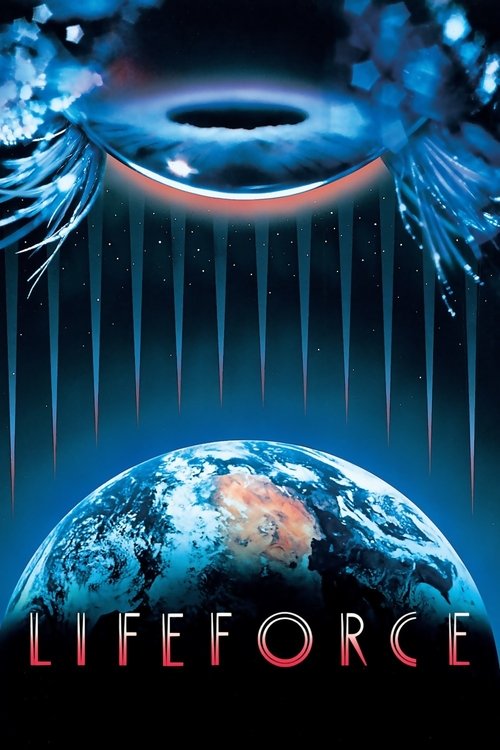
Lifeforce1985
Tobe Hooper's baroque space-vampire nightmare—wildly ambitious, visually excessive, and completely sincere about its overwrought tone. Features full-sized space ship sets and practical creature effects that swing for the fences.
But The story is incoherent and the acting veers into unintentional comedy; it's more cult curiosity than tight thriller.
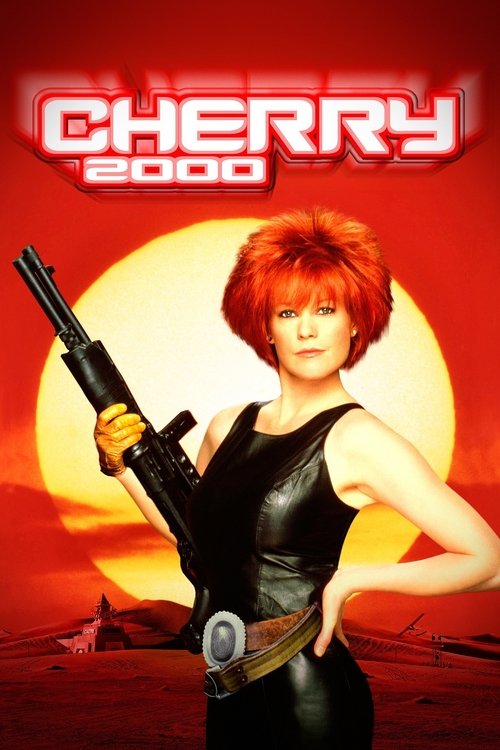
Cherry 20001987
A neo-noir android love story set in a wasteland, with genuine practical worldbuilding and an oddly touching core beneath the genre trappings. Melanie Griffith and David Andrews navigate a visually distinctive future-scrap aesthetic.
But It's more romantic comedy than horror, and the action sequences are clumsy—it lacks Hardware's relentless forward momentum.
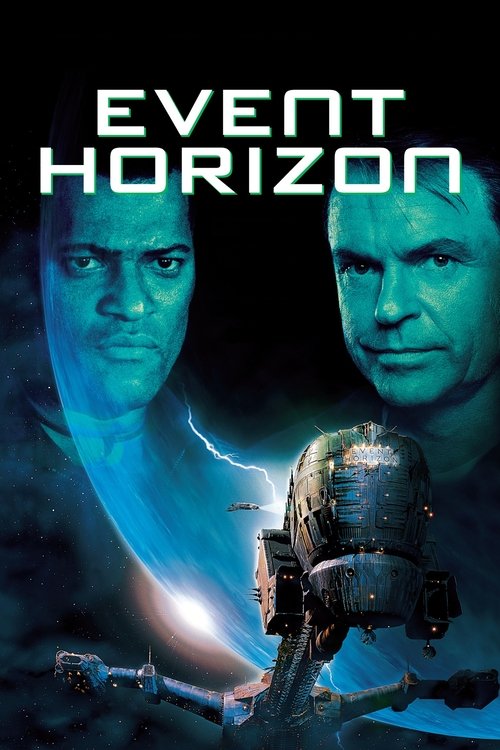
Event Horizon1997
Space-station gothic that trades domestic space for cosmic isolation, with a similar commitment to visceral practical effects and mounting dread. Hellraiser's Clive Barker aesthetic applied to sci-fi.
But It sacrifices the intimate claustrophobia of Hardware for grand-guignol spectacle; the third act leans hard on jump scares.
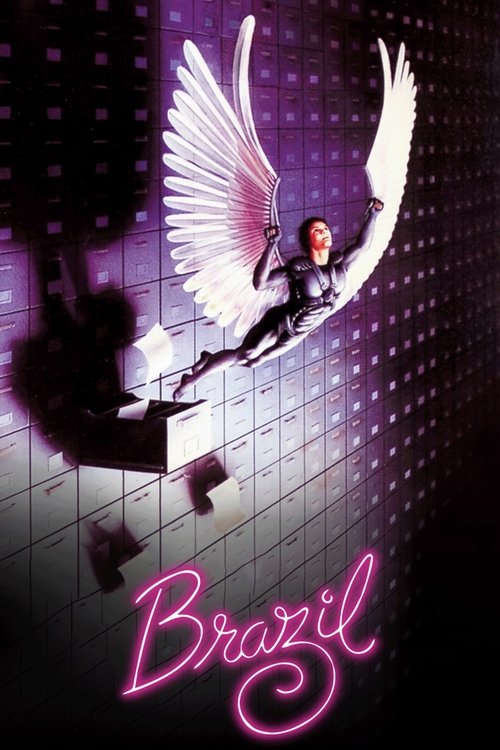
Brazil1985
Both use overstuffed production design and dystopian infrastructure as a character; both suggest that technology and systems are inherently hostile to human autonomy.
Terry Gilliam's baroque dystopia about systems consuming individuals—same industrial-gothic visual language, same sense of reality warping under bureaucratic and mechanical pressure. Where Hardware is intimate horror, Brazil is systemic horror, but both suffocate under accumulating detritus and dysfunction.
But It's a three-hour surrealist comedy-drama hybrid; the plot unravels intentionally, and there's no clear villain to destroy, just infinite machinery.
Possession1981
Both films treat transgressive body horror and the corruption of intimate spaces as their core subject; both commit fully to visual excess and reject naturalism entirely.
Andrzej Żuławski's Polish nightmare of a marriage collapsing into surrealism and body horror. Grotesque practical effects, non-naturalistic performances, and a willingness to make the viewer uncomfortable through dissonance rather than jump scares. Equally relentless and equally unconcerned with audience comfort.
But It's deliberately overwrought and alienating; the acting is stylized to the point of seeming unhinged, and the metaphors are oblique rather than clear.

People
Cast
 Dylan McDermottMoses "Hard Mo" Baxter
 Stacey TravisJill
 John LynchShades
 William HootkinsLincoln Wineberg Jr.
 Carl McCoyNomad
 Iggy PopAngry Bob
 Mark NorthoverAlvy
- Paul McKenzieVernon
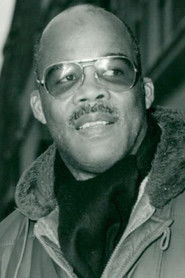 Oscar JamesChief
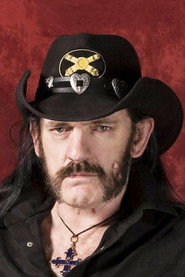 Lemmy KilmisterTaxi Driver
 Mac McDonaldNewscaster
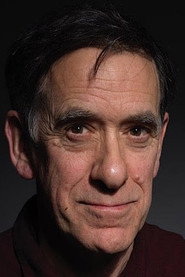 Chris McHallemPremier Boelgaxof
Directing
- Richard StanleyDirector
Writing
- Kevin O'NeillComic Book
- Steve MacManusComic Book
- Richard StanleyWriter
Production
- Karen Lindsay-StewartCasting
- Bob WeinsteinExecutive Producer
- Harvey WeinsteinExecutive Producer
- Nik PowellExecutive Producer
- Stephen WoolleyExecutive Producer
- Trix WorrellExecutive Producer
- Elizabeth KarlsenProducer
- JoAnne SellarProducer
- Paul TrijbitsProducer
- Ray CorbettProducer
Recommended by
The Lawnmower Man, RoboCop 2, Tetsuo: The Iron Man, From Beyond, The Hidden, Chopping Mall, Bride of Re-Animator, Six-String Samurai, Mad Max Beyond Thunderdome, Prayer of the Rollerboys, Fortress 2, Twilight of the Dogs, Class of 1999, RoboCop 3, Tammy and the T-Rex, The Blood of Heroes, Eve of Destruction, RoboCop: Prime Directives, Spacehunter: Adventures in the Forbidden Zone, Leprechaun 4: In Space, I Bought a Vampire Motorcycle, Screamers, Circuitry Man, Steel and Lace, CyberTracker, Cybernator, American Cyborg: Steel Warrior, Escape from the Bronx