
Film
The Lawnmower Man
A scientist uses virtual reality and psychotropic drugs to elevate a simple groundskeeper into superhuman intelligence, unleashing something that transcends human limitation. It's a fever dream of early-90s CGI excess and body horror, part Frankenstein parable, part digital possession tale. For anyone fascinated by technological hubris or the weird collision of cyberpunk aesthetics with practical effects.
If you liked this
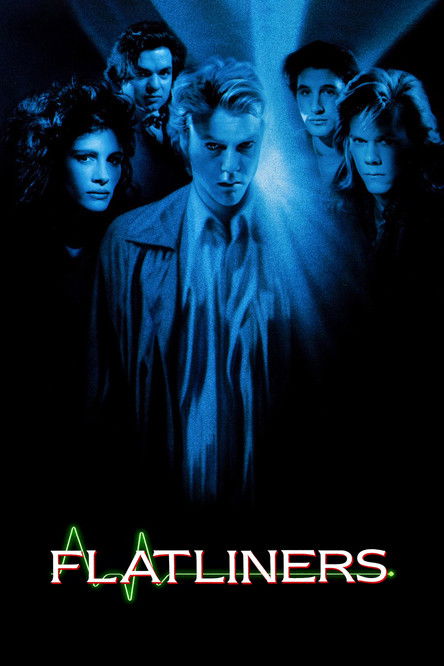
Flatliners1990
Medical students experiment with near-death experiences to glimpse the afterlife, only to discover their arrogance has consequences. Sharp, atmospheric, and genuinely unsettling about playing god with technology and biology.
But The plot spirals into melodrama by the third act, and some of the supernatural logic feels arbitrary. Also deeply of the 1990 moment.
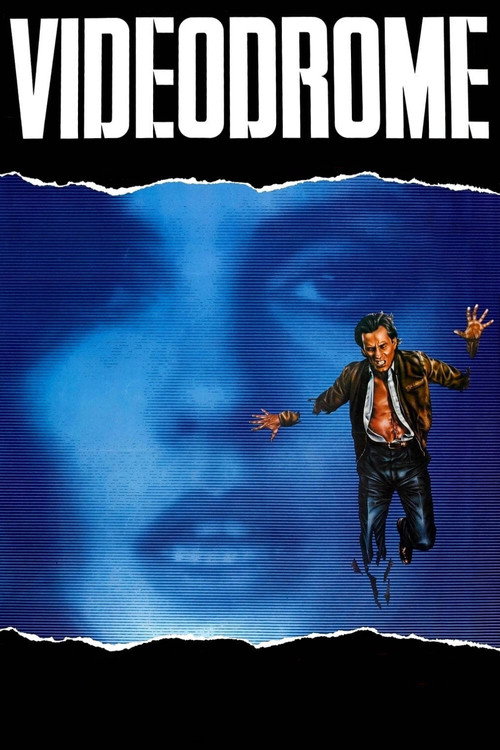
Videodrome1983
Cronenberg's masterwork about a TV executive hunting an illegal signal that warps reality and flesh. Hallucinogenic, conceptually brilliant, and the body horror is inventive rather than gratuitous—it *means* something.
But It's genuinely difficult to follow and uncomfortable to sit with. The pacing is glacial if you're not locked in. Not a fun watch, a challenging one.
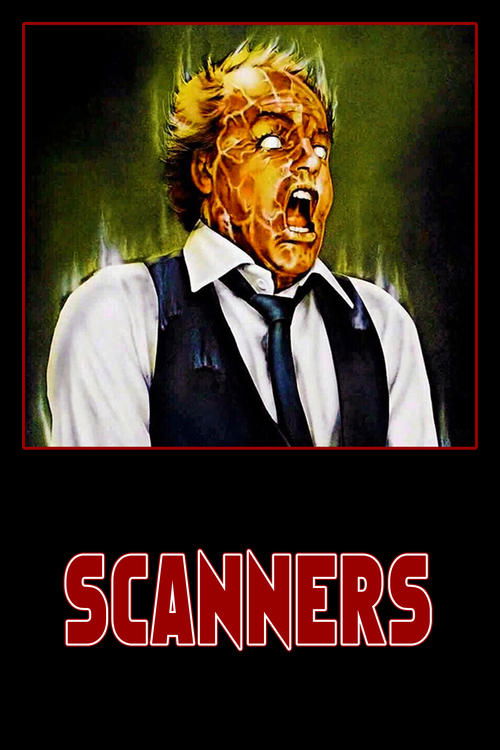
Scanners1981
Telepathic agents hunted by a corporation. Lean, paranoid thriller with practical effects that still astound. Explores the same territory—corporate exploitation of human potential—with far more precision and dread.
But It's less interested in spectacle than mood, so it moves slowly by modern standards. The resolution is deliberately ambiguous in a way some find unsatisfying.
Not sure tonight? Get a pick in a minute, starting from The Lawnmower Man
The wildcard
Something you would not have found on your own.
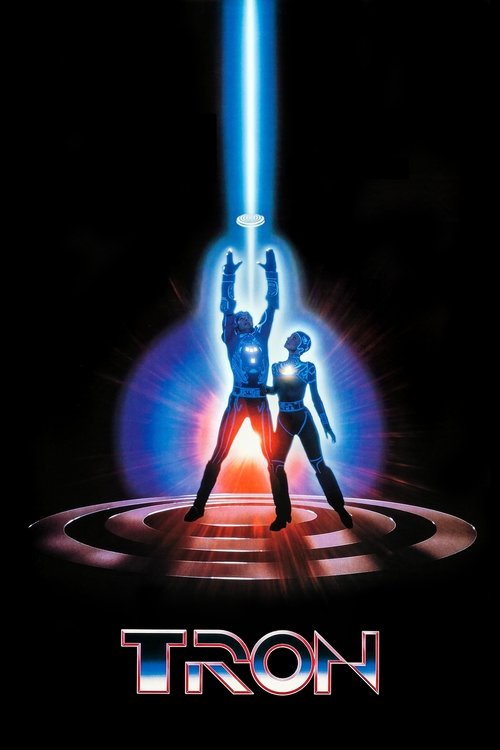
Tron1982
Both use digital transformation as body horror metaphor; Tron imagines the interior of a computer as a landscape, Lawnmower Man imagines it as possession. Tron does it with more grace and vastly more expensive innovation.
A hacker is digitized into a computer system. The connection is obvious—both plunge humans into digital space as their physical transformation—but Tron earned its cult status by taking the concept seriously with groundbreaking visual language. It's what The Lawnmower Man wanted to be.
But It's slow by modern standards and the plot is a skeleton. The dialogue and performances are stiff. The appeal is purely aesthetic.
More like this (8)
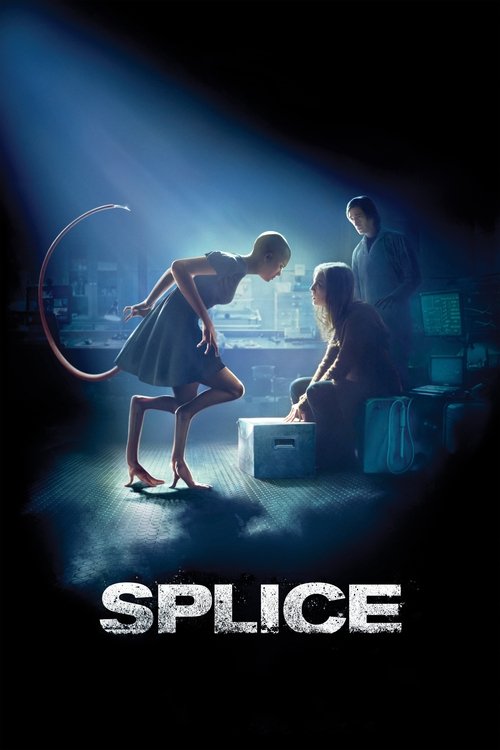
Splice2010
Genetic engineers create a hybrid creature in secret. Contemporary riff on mad scientist tropes with genuinely disturbing practical design work and a willingness to go places most films won't.
But The third act pivots into territory that feels exploitative rather than thematic. Some find it nasty for nastiness's sake.
eXistenZ1999
Cronenberg again, this time diving into video game technology as gateway to altered consciousness. Baroque, funny, and obsessed with the slippage between virtual and real. Rewards patient attention.
But It's a puzzle box that refuses to fully unlock. If ambiguity frustrates you, you'll leave angry.

Tusk2014
A man is surgically transformed into a walrus by a deranged millionaire. Horror-comedy premise executed with genuine conviction and craft. Michael Parks is terrifying. It commits fully to its insanity.
But Commitment to a grotesque premise means sustained body horror that's genuinely difficult. It's unpleasant by design, which isn't everyone's evening.

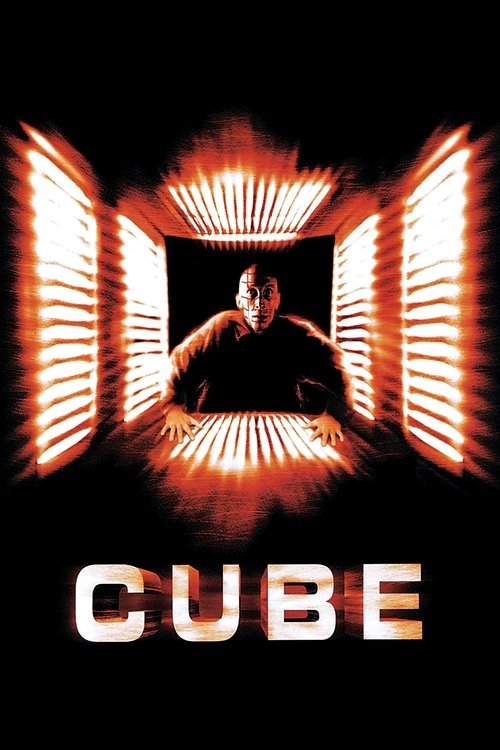
Cube1998
Strangers wake in a geometric maze where each room might kill them. Low-budget Canadian gem that trusts atmosphere and concept over star power. Claustrophobic, mathematically elegant, haunting.
But It's deliberately repetitive and slow-burn. If you need constant action or emotional catharsis, it will feel static.
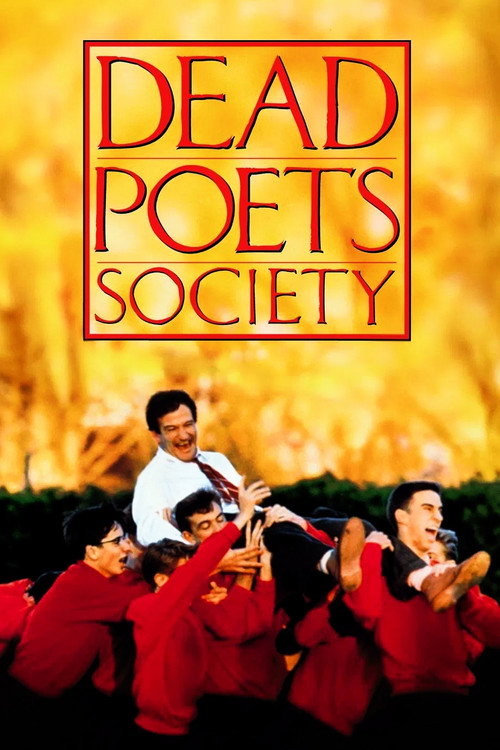
Dead Poets Society1989
A teenager suspects his wealthy community is more than human, leading to body horror that anticipates The Lawnmower Man's digital grotesquerie. Ridiculous, committed, genuinely inventive with practical effects.
But The final sequence is surreal verging on incoherent. It commits to weirdness at the expense of narrative payoff.
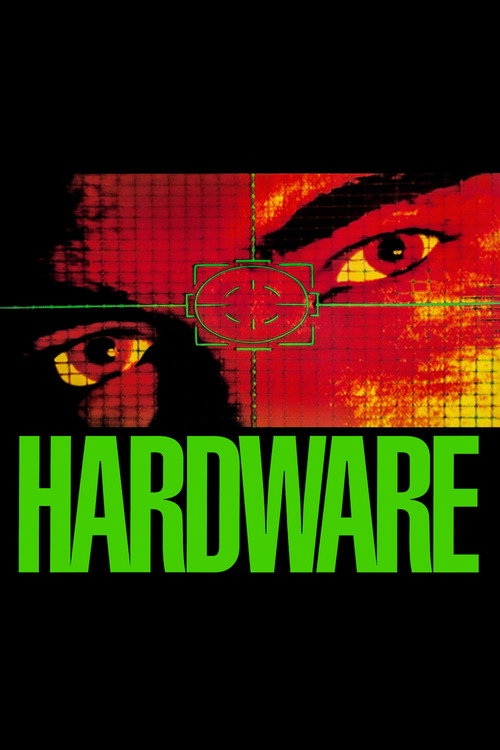
Hardware1990
A woman in a future slum encounters an autonomous war machine. Stunning production design on a shoestring, grimy and tactile, with genuine dread. Underrated sci-fi thriller about technology beyond control.
But The plot is thin and dialogue can feel stilted. It's a mood piece that doesn't always justify its own story.
Possession1981
Both dramatize the horror of the self becoming alien from inside; Possession uses body trauma and relationship breakdown, Lawnmower Man uses technology. Possession got there first and with more artistic conviction.
A Berlin marriage collapses into supernatural chaos involving an alien entity. Andrzej Żuławski's fever dream explores the body as a site of contamination and loss of self—the same core terror as Lawnmower Man, executed with Expressionist intensity and practical grotesquerie that predates the CGI aesthetic entirely.
But It's deliberately incoherent and suffused with 80s European art film pacing. If you want narrative clarity, you won't find it. Also brutal—it's not fun, it's an endurance test.

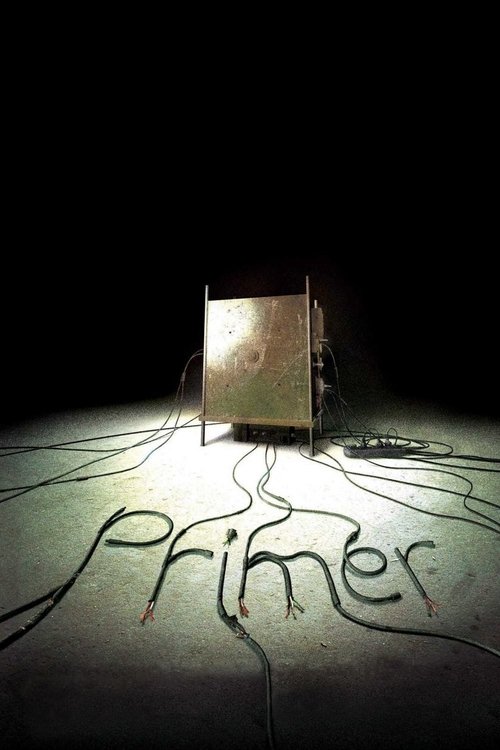
Primer2004
Both explore ego death through transformation. Lawnmower Man uses digital enhancement to erase the original self; Primer uses temporal loops to fracture identity. Both ask: what remains of you if you're not quite you anymore?
Two engineers accidentally discover time travel and spiral into paranoia and fractured identity. It's a sci-fi film about ideas and consequence, not spectacle. The protagonist's fractured sense of self—which version is he?—mirrors Jobe's transformation into something that isn't quite human anymore.
But It's deliberately obscure and requires active thought. Most viewers feel lost by the midpoint. The audio is poorly mixed and dialogue is mumbled. It's not accessible.
People
Cast
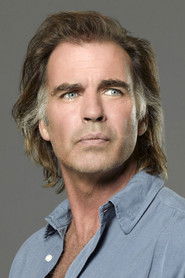 Jeff FaheyJobe Smith
 Pierce BrosnanLawrence Angelo
 Jenny WrightMarnie Burke
 Mark BringelsonSebastian Timms
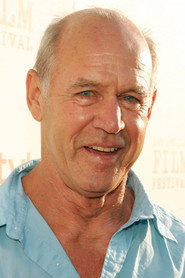 Geoffrey LewisTerry McKeen
 Jeremy SlateFrancis McKeen
 Dean NorrisDirector
 Colleen CoffeyCaroline Angelo
 Troy EvansLieutenant Goodwin
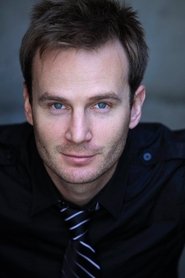 Austin O'BrienPeter Parkette
 John LaughlinJake Simpson
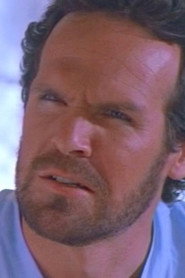 Stephen Gregory FosterLetchworth
Directing
- Brett LeonardDirector
- Ian McVeyFirst Assistant Director
- Katalin RogersScript Supervisor
- Mara J. LeeSecond Second Assistant Director
- Gimel EverettSecond Unit Director
Writing
- Brett LeonardScreenplay
- Gimel EverettScreenplay
- Stephen KingShort Story
Production
- Patrick RushCasting
- Sally DennisonCasting
- Milton SubotskyCo-Producer
- Clive TurnerExecutive Producer
- Edward SimonsExecutive Producer
- Robert PringleExecutive Producer
- Steven A. LaneExecutive Producer
- Gimel EverettProducer
- Patricia WhitcherProduction Manager