
Film
Nirvana
A 1997 Italian sci-fi noir about a game designer whose creation—a sentient AI named Solo—begs to be deleted. Gabriele Salvatores' film is moody, strange, and fascinatingly preoccupied with digital consciousness and obsolescence. It's for viewers who want cyberpunk atmosphere without Hollywood polish, and who don't mind ambiguity about what's real.
Should you watch it?
Watch it if you love sci-fi that treats a video game character's awakening as a melancholy question about memory, love and what makes someone real, with Italian style and a bruised, rainy mood.
Skip it if you want tight plotting and steady momentum; this one drifts into noir detours and mopey introspection, and its cyberpunk surface can feel more familiar than fresh.
What it asks of you: It runs just under two hours and settles into a slow, moody rhythm, asking you to sit with long quiet stretches and a hero who broods more than he acts.
Not sure? Find tonight's pick in a minute.
If you liked this
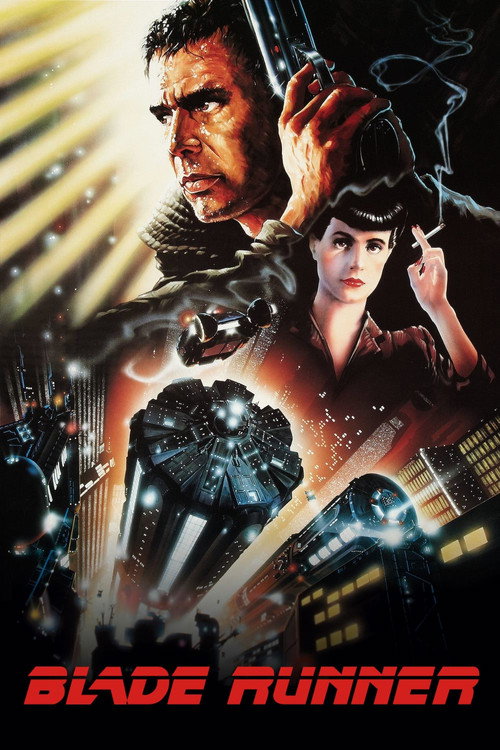
Blade Runner1982
The foundational text on artificial consciousness and what it means to be alive. Haunting, visually revolutionary, and endlessly rewatchable. If Nirvana's questions grip you, Blade Runner is essential.
But Slow-paced and deliberately cryptic. The ending remains contested, and that's by design—some find it profound, others frustrating.
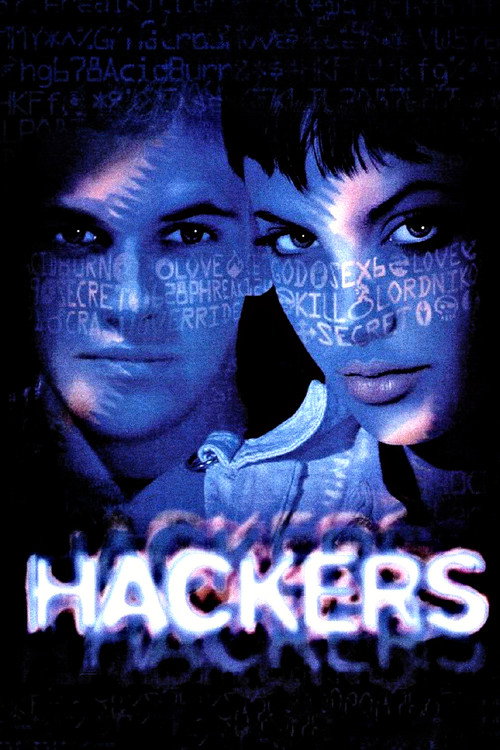
Hackers1995
Counterculture techno-thriller with kinetic energy and real aesthetic swagger. Iain Softley captures the transgressive thrill of the hacker underground; it's Nirvana's American cousin, louder and more confident.
But The plot is thin and dated, and the film knows it. Treats hackers as folk heroes in a way that feels earnest to the point of naïveté.
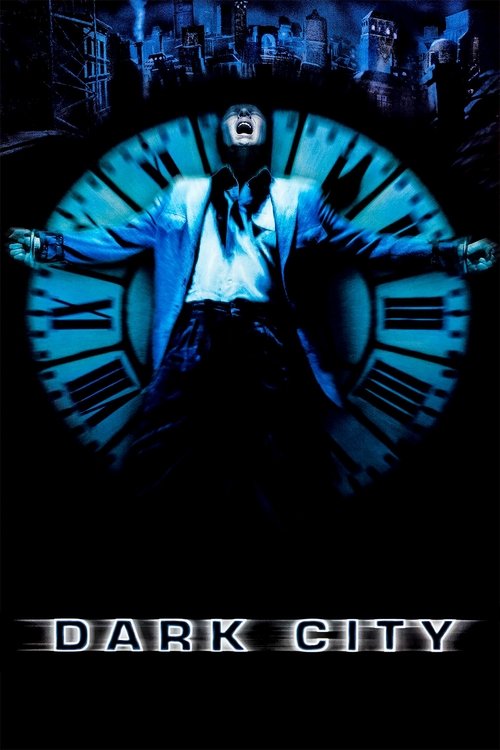
Dark City1998
Neo-noir sci-fi about memory, identity, and control. The production design is immaculate, and like Nirvana, it's more interested in atmosphere and dread than clear answers. Gorgeously melancholic.
But It's deliberately obscure and slow. The mystery matters more than momentum, which can feel like wheel-spinning if you're not in the mood.
Not sure tonight? Get a pick in a minute, starting from Nirvana
The wildcard
Something you would not have found on your own.
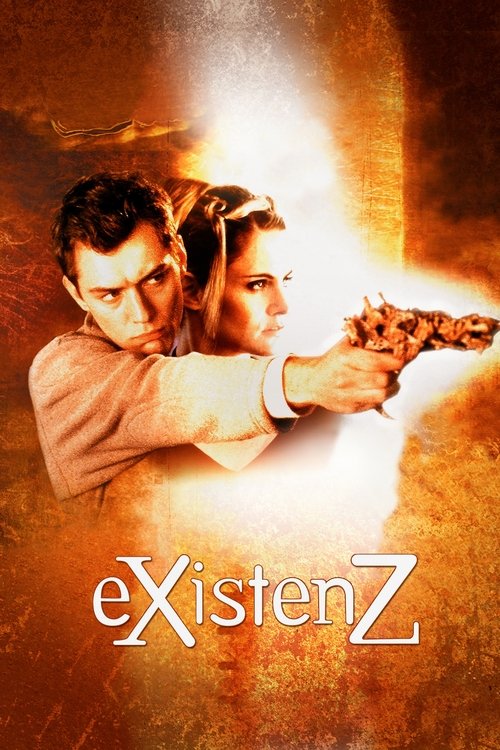
eXistenZ1999
Both pivot on the terror of not knowing whether you're inside the game or outside it. Both ask whether existence inside a digital world matters as much as existence outside. Both are far more interested in that question than in answering it.
Cronenberg's game-within-a-game fever dream about the danger of losing track of what's real. Jude Law and Jennifer Jason Leigh navigate a conspiracy that's both intimate and nightmarish. It's Nirvana's truest philosophical cousin—both wrestle with the same vertigo.
But Deliberately and proudly slimy and disgusting. The body horror is not window dressing; it's central to the meaning. If that repels you, the film will too.
More like this (8)
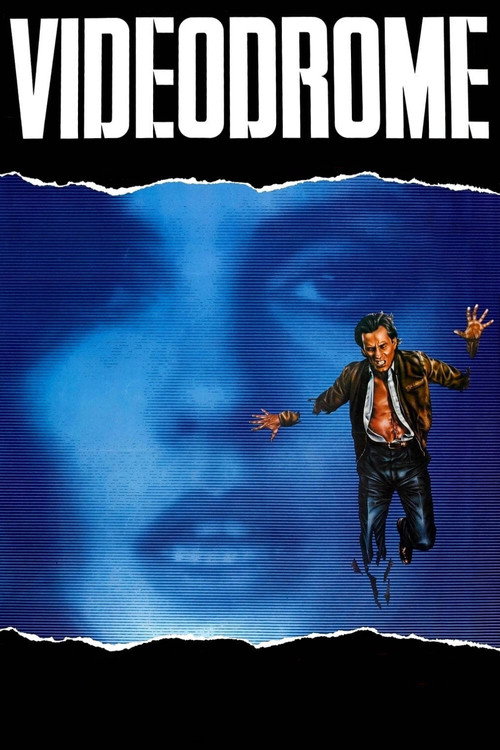
Videodrome1983
Cronenberg's fever dream about media, desire, and the collapse of reality. Visceral, philosophically restless, and genuinely disturbing. Both films ask what happens when the virtual bleeds into the real.
But Grotesque body horror. The plot is intentionally fragmented and hard to follow—it's a film that dissolves rather than resolves.
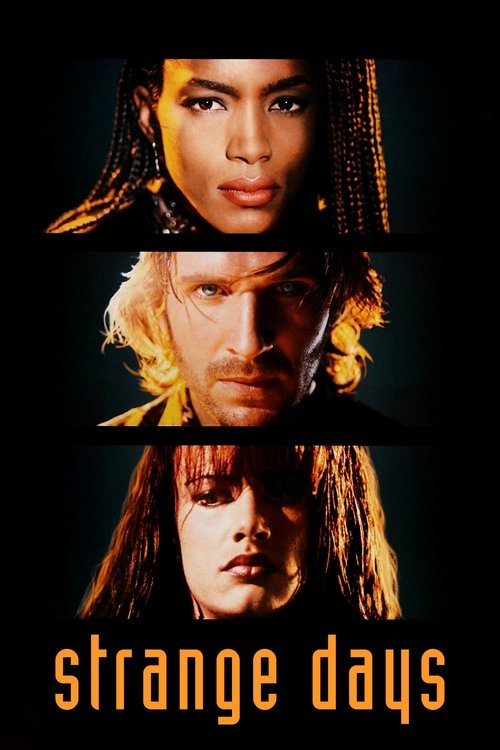
Strange Days1995
Cyberpunk noir about recording and selling human experience. Ralph Fiennes is wired and desperate; the film is thrillingly paranoid and erotic. Sharp, urgent, and visually distinctive in ways that age beautifully.
But Female characters are often underdeveloped, and the film's gender politics haven't aged gracefully. Some scenes feel exploitative even when the film intends sophistication.
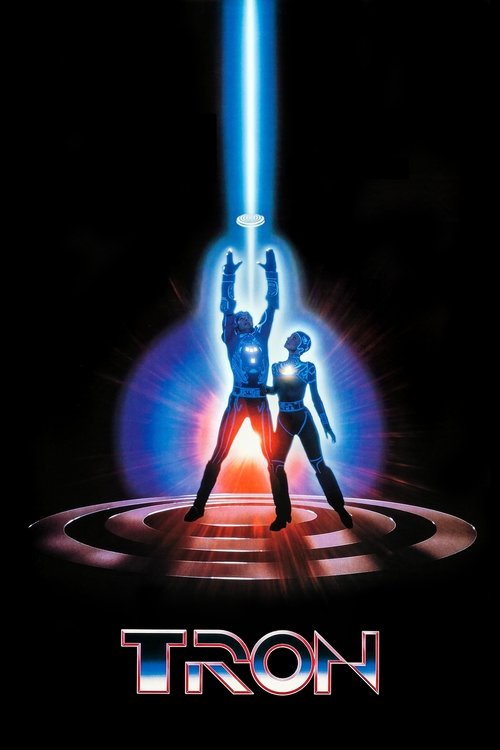
Tron1982
A programmer trapped inside his own game. Visionary in its digital world-building; it's the DNA of Nirvana's concept, told with primary colors and mythic urgency. Weirdly moving about sacrifice and purpose.
But The dialogue is wooden, and the plot is simple to the point of blandness. It's a film that works because of visual innovation, not character or story depth.
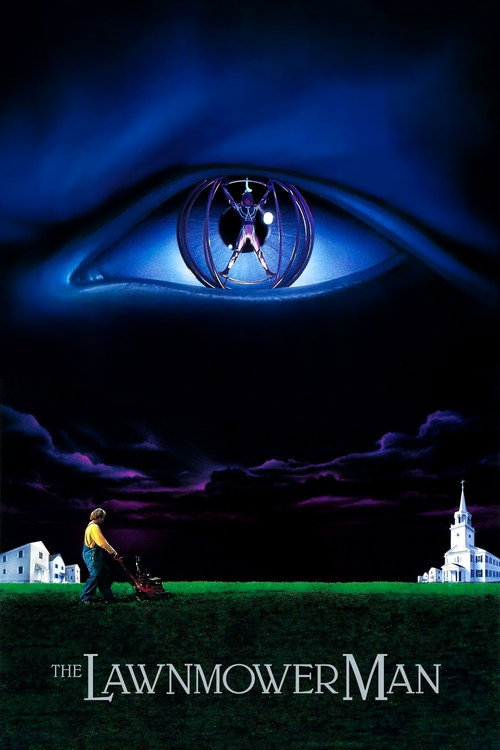
The Lawnmower Man1992
Virtual reality thriller that's genuinely unsettling about consciousness uploading and digital transcendence. Weird, ambitious, and sincere in ways that feel almost naive now—but the sincerity is part of the charm.
But It's deeply silly at times, with an ending that contradicts everything before it. The VFX are dated enough to be distracting rather than immersive.
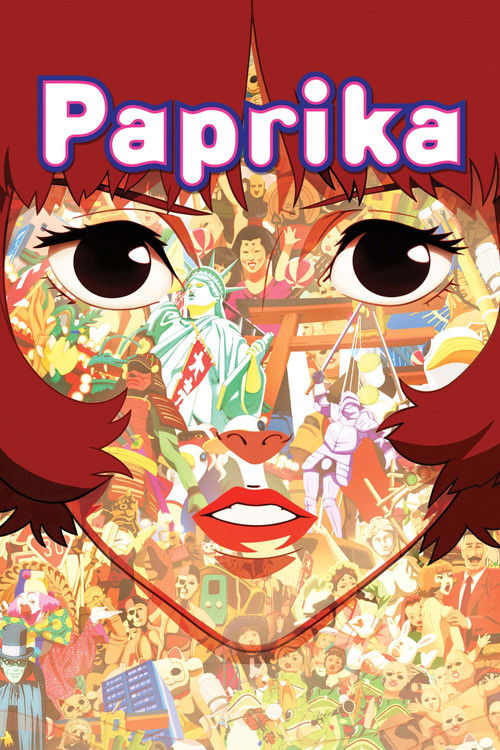
Paprika2006
Satoshi Kon's explosion of imagination about dreams bleeding into reality through technology. Japanese animation that's visually astonishing and playfully surreal. The energy is pure joy, but the questions are real.
But It's maximalist to the point of chaos. If you need clarity and legibility, the film's deliberate visual confusion will exhaust rather than enchant you.
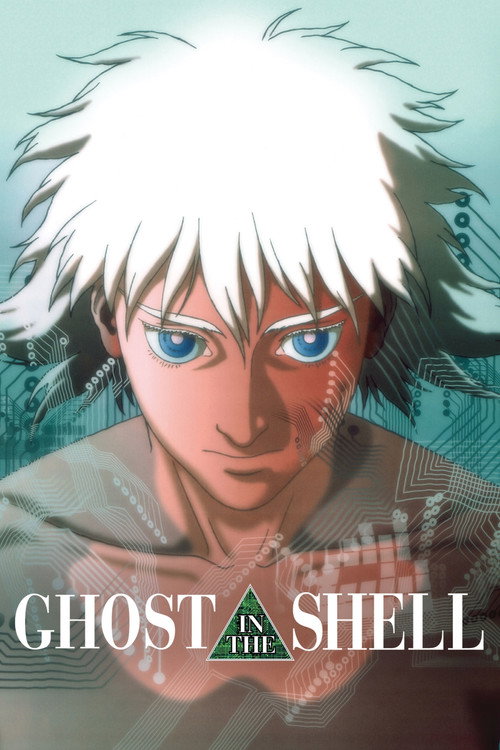
Ghost in the Shell1995
Philosophical anime about identity, consciousness, and what makes us human. Visually striking and genuinely meditative, even as it's wrapped in action. A film that earns its pretension through sheer intelligence.
But The plot is cerebral and slow, without the narrative propulsion most audiences expect from a film called Ghost in the Shell. It's more essay than story.
The Twilight Zone1959
Both are built on a single philosophical question that recontextualizes everything you've seen. Both treat their central mystery with absolute seriousness. Both trust the viewer to sit with discomfort.
A 25-minute sci-fi story about a woman watching the world end, except it isn't. Rod Serling at his best: idea-first, executed with economy and genuine dread. The final twist is perfect. Pure, distilled unease.
But Extremely dated in its aesthetics and gender politics. Very short, so if it doesn't grab you in the first five minutes, you'll feel cheated.

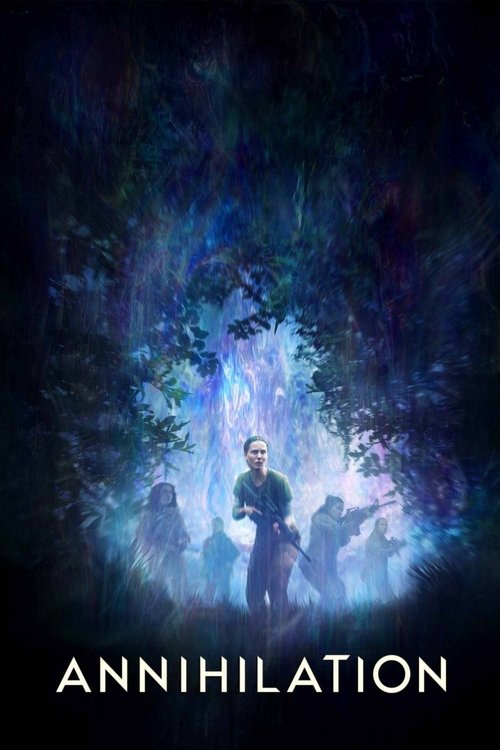
Annihilation2018
Neither film believes that understanding is the goal. Both present a mystery and let you sit with it. Both suggest that some things cannot be solved, only endured or accepted. Both are deeply, genuinely melancholy.
Science fiction that prioritizes atmosphere and dread over explanation. A glowing zone where the rules of reality shift. Natalie Portman leads a team into something unknowable and indifferent. Haunting, difficult, and visually extraordinary.
But The ending doesn't resolve—it reframes. Many viewers leave feeling unsatisfied, because the film refuses to give you answers. It's also slow and meditative, not propulsive.
People
Cast
 Christopher LambertJimi Dini

 Sergio RubiniJoystick
 Stefania RoccaNaima
 Amanda SandrelliMaria

 Claudio BisioCorvo Rosso
 Antonio CataniaVenditore Paranoie
 Gigio AlbertiDr. Rauschenberg
 Ugo ContiTurista Siciliano
 Silvio OrlandoPortiere Indiano
 Oreste GuidiTedesco
Directing
- Maria Raffaella FaggianoAssistant Director
- Gabriele SalvatoresDirector
- Fabio ScamoniFirst Assistant Director
- Paola BonelliScript Supervisor
Writing
- Gloria CoricaScreenplay
- Pino CacucciScreenplay
- Gabriele SalvatoresWriter
Production
- Maurizio TottiProducer
- Rita RusićProducer
- Vittorio Cecchi GoriProducer