
Film
In the Mouth of Madness
- Cosmic horror
- Fantasy
- Very dark
John Carpenter's reality-bending horror about an insurance investigator hunting a vanished horror writer in a town that may not exist. It's metafiction played straight—funny, creepy, and genuinely disorienting, with Neill's mounting panic grounding the surreal logic. For fans of folk horror who want their reality warped and their fourth walls smashed.
Should you watch it?
Watch it if you love slow-burn horror where the ground keeps shifting under a skeptical investigator, and you enjoy a story that plays with what counts as reality, the way a good paranoid puzzle does.
Skip it if you want a tidy mystery with clues that add up, since this one prefers mounting dread and deliberate disorientation to answers, and its violence arrives in sudden bursts.
What it asks of you: Patience through a long, unsettling middle stretch, and a willingness to stop trusting what the frame shows you; close attention pays off, since it rarely pauses to explain itself.
Not sure? Find tonight's pick in a minute.
If you liked this
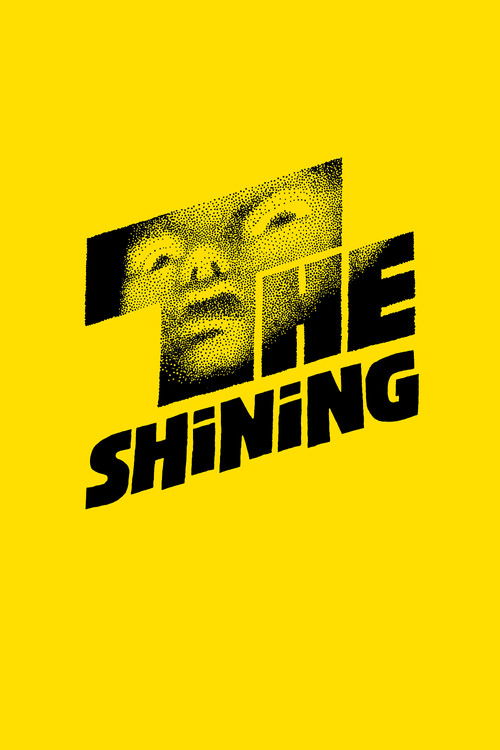
The Shining1980
A masterpiece of psychological horror that uses isolation, repetition, and architectural dread to unmake reality. Like Madness, it's less interested in jump scares than in what it feels like to lose your mind.
But Three hours long, glacially paced in stretches, and Kubrick's coldness can feel more clinical than scary to some viewers.
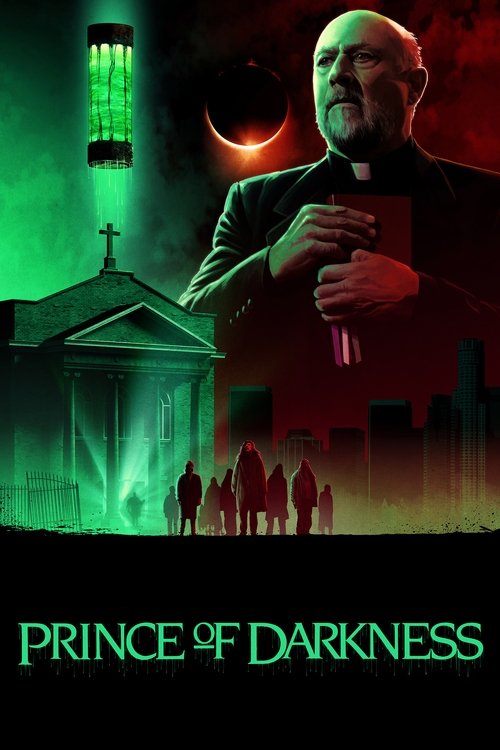
Prince of Darkness1987
Carpenter's other reality-warping nightmare: a physicist and priest confront an ancient evil in a church basement. Same DNA as Madness—the logic of horror movies themselves becomes unstable.
But The dialogue is clunky, the synth score is aggressively '80s, and the plot pivots on metaphysics that require patience.
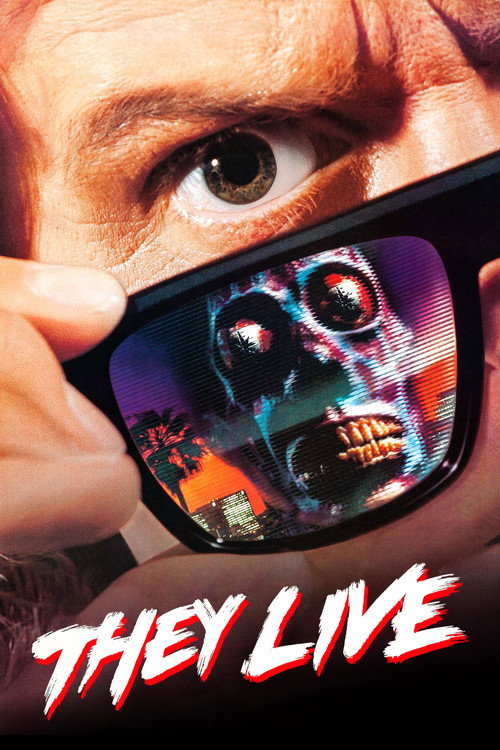
They Live1988
Carpenter again, this time melting genre into social allegory without losing the B-movie pulp. A perfect film about the horror of hidden truth and compromised perception.
But It's more action-comedy than straightforward horror; the politics are blunt; there's a six-minute fight scene that tests your goodwill.
Not sure tonight? Get a pick in a minute, starting from In the Mouth of Madness
The wildcard
Something you would not have found on your own.
Mulholland Drive2001
Both films weaponize the structure of genre storytelling against the viewer—you're lost inside the logic of the narrative itself, and escaping requires accepting that coherence might not be the point.
Lynch's Hollywood nightmare where identity fractures, narrative loops back on itself, and a woman chases the dream of being a movie. Same DNA as Madness: the unreliable perception, the meta-horror of story itself consuming reality.
But Three hours, deliberately bewildering, no plot that resolves in the traditional sense; if you don't surrender to dreamlogic you'll spend the time angry.

More like this (7)
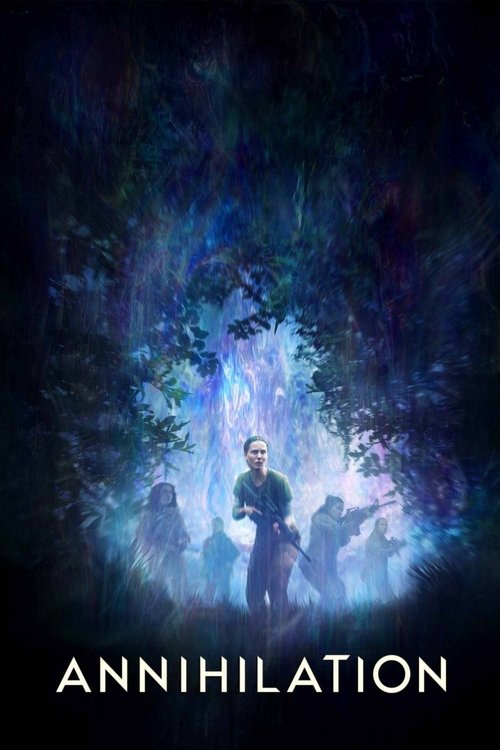
Annihilation2018
A shimmer. A zone where physics breaks. Scientists descend into something that doesn't follow earthly rules. Like Madness, it's sci-fi horror that prioritizes dread over explanation and accepts that some things unmake logic.
But Visually abstract and slow-burn quiet for much of it; the ending deliberately refuses catharsis or clarity.
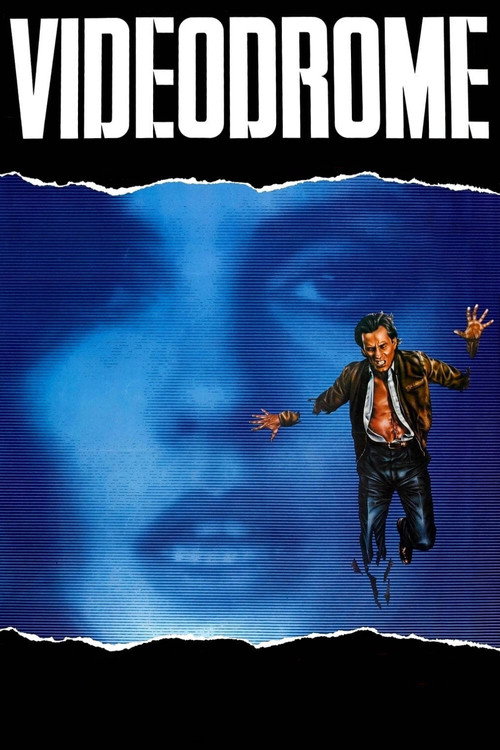
Videodrome1983
David Cronenberg's fever dream about media consuming the mind. Blurs reality, fiction, and body horror into one nauseous loop. Same haunted relationship with narrative and perception as Madness.
But Graphic body horror; sexually charged and frequently disgusting; the plot is intentionally hard to follow, which is the point but not everyone's point.
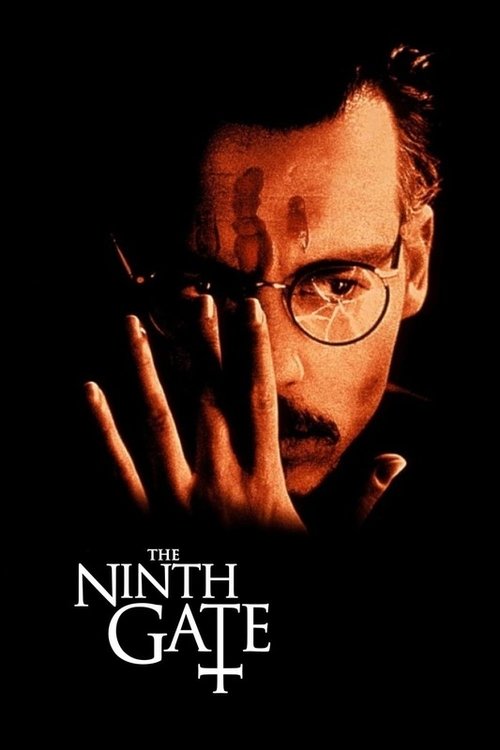
The Ninth Gate1999
A book collector hunts for the last copy of a potentially cursed volume. Polanski's locked-room mystery where the mystery itself might be supernatural and books bleed into reality.
But Slower than its premise suggests; some find the ambiguity frustrating rather than elegant; Johnny Depp's affect is very Johnny Depp.
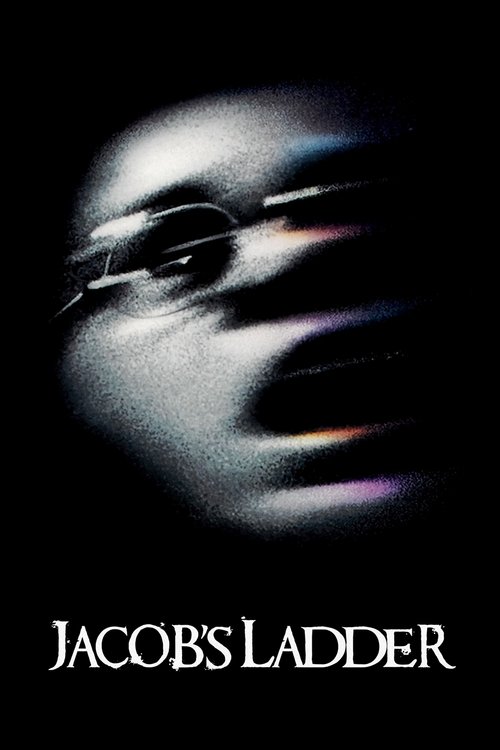
Jacob's Ladder1990
A Vietnam vet spirals through visions that may be hallucination, divine visitation, or chemical warfare. Creeping dread and the terrifying possibility that your own mind is the haunted house.
But The twist undercuts the atmosphere for some; dated '90s effects in the horrific sequences; can feel more depressing than entertaining.
The Wailing2016
A Korean mystery-horror where a village is plagued by deaths and the truth keeps refracting. Carpenter's influence is clear: the more you investigate, the less solid reality becomes.
But Two-and-a-half hours; subtitled; deliberately obscure in ways that reward rewatching but punish casual viewing; the ending is genuinely ambiguous.

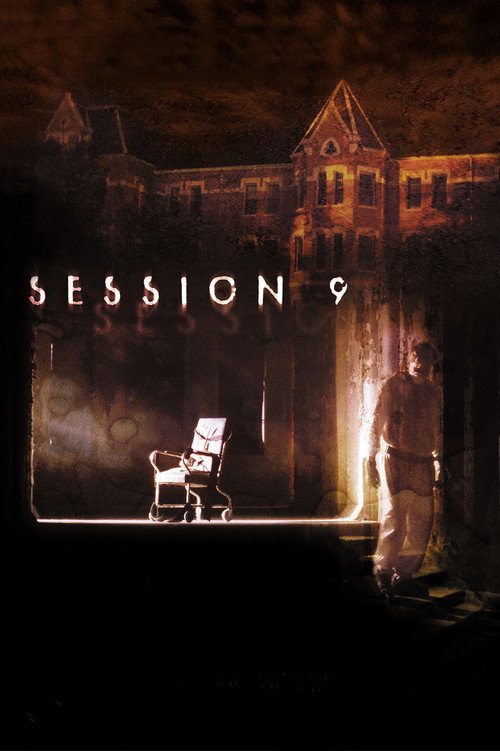
Session 92001
A paranormal investigation team in an abandoned asylum. Oppressive found-footage realism and the slow creeping sense that the building itself is a character and a threat.
But Shot on DV in 2001, so it's grainy; relies on atmosphere and implication rather than scares; the dialogue is mostly improvised, which feels naturalistic but sometimes loses momentum.
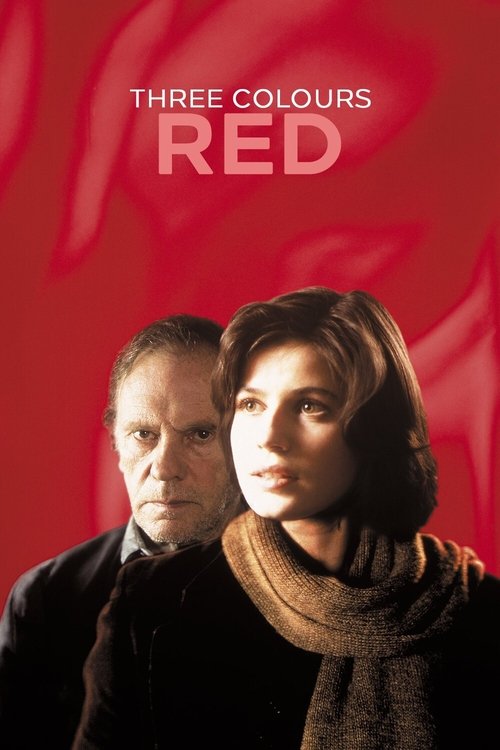
Three Colors: Red1994
Both suggest that the real dread isn't monsters but the possibility that the rules of reality itself might be flexible, knowable, or puppeteered by forces we don't fully understand. Both are about isolation through knowledge.
Kieślowski's final film about strangers connected by accident and invisible threads. Reality is somehow more textured and haunted than any ghost story—fate, observation, and the horror of shared knowledge.
But Slowburn psychological mystery, not genre horror at all; requires patience; deeply philosophical where Madness is visceral; if you want scares this will bore you.
People
Cast
 Sam NeillJohn Trent
 Julie CarmenLinda Styles
 Jürgen ProchnowSutter Cane
 David WarnerDr. Wrenn
 John GloverSaperstein
 Bernie CaseyRobinson
 Peter JasonMr. Paul
 Charlton HestonJackson Harglow
 Frances BayMrs. Pickman
 Wilhelm von HomburgSimon
 Kevin RushtonGuard #1
- Gene MackGuard #2
Directing
- John CarpenterDirector
- Artist W. RobinsonFirst Assistant Director
- Adam DruxmanSecond Assistant Director
- Stuart WilliamsSecond Second Assistant Director
Writing
- Michael De LucaScreenplay
Production
- Artist W. RobinsonAssociate Producer
- Michael De LucaExecutive Producer
- Brian CampbellLocation Manager
- Sandy KingProducer
Recommended by
Pontypool, Wishmaster, The Dark Half, Hardware, Tales from the Crypt: Demon Knight, Mine Games, Maléfique, Brimstone, Hell on Earth: The Story of Hellraiser III, Cigarette Burns, Strange Harvest