
Film
The Shining
Kubrick's slow-motion nightmare turns a snowbound hotel into a labyrinth of dread, memory, and violence. It's less jump-scare horror than a hypnotic study of a family disintegrating under isolation, addiction, and one man's unraveling mind. Gorgeous, glacial, and packed with images that lodge in your skull for years. Watch it for atmosphere and craft, not tidy answers — this is horror as fever dream, built to be argued over for decades.
If you liked this
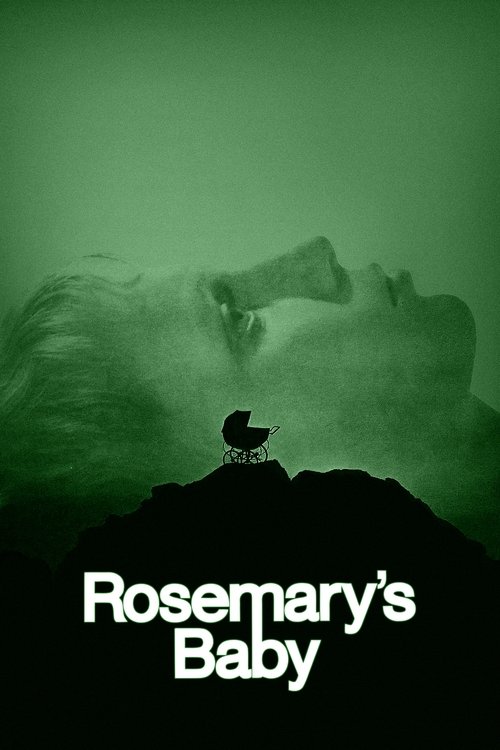
Rosemary's Baby1968
Polanski's paranoid classic shares Kubrick's genius for dread built from small wrongness — a devoted wife slowly realizing her home and marriage aren't what they seem. Same slow-burn horror of trust curdling in isolation.
But Its pacing is even more patient than The Shining's, and the horror is entirely psychological — no ghosts, no gore.
The Exorcist1973
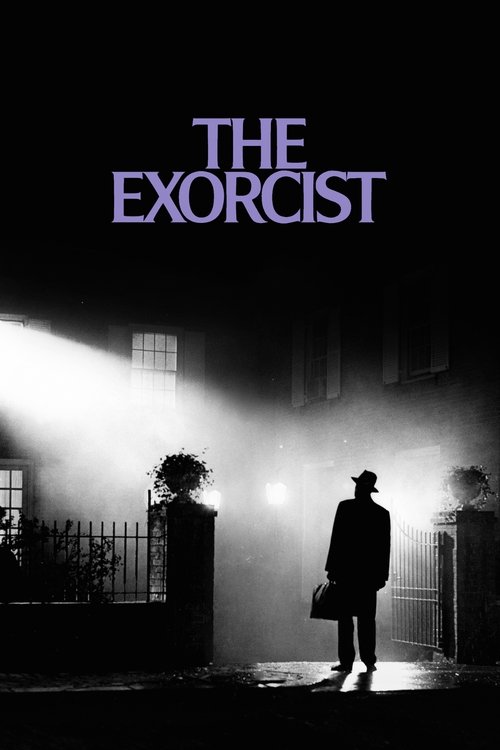
The other essential haunted-family horror of the era — a mother watching her child become someone unrecognisable, shot with the same unnerving seriousness and total lack of camp.
But Its shock tactics are more explicit and religious in flavor, a very different kind of scary than Kubrick's cool detachment.
Hereditary2018
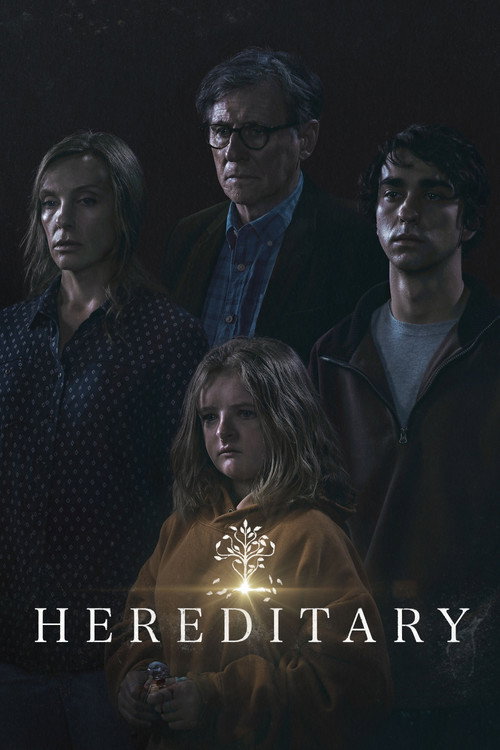
Ari Aster's breakout does for grief and inherited trauma what Kubrick did for isolation and addiction — a family horror film earning its dread through slow, meticulous craft.
But It escalates into a much louder, more operatic final act than The Shining ever allows itself.
The wildcard
Something you would not have found on your own.
Grey Gardens1976
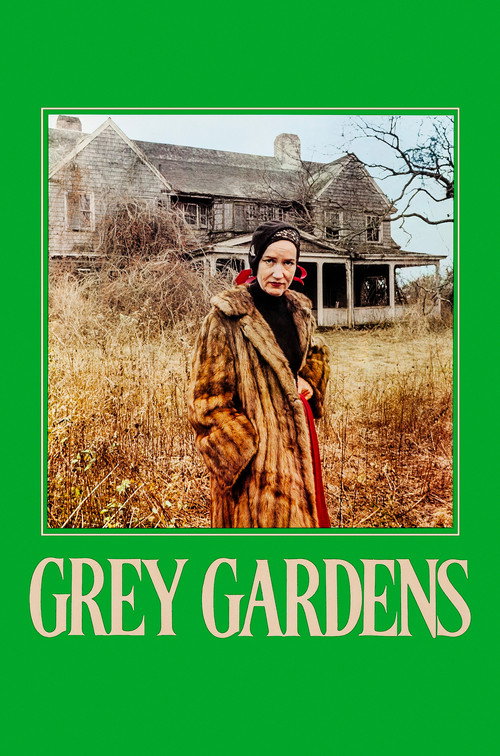
Same core image as the Overlook: a grand, decaying space where isolation turns two people's relationship into something feral and codependent — except this actually happened, and the camera just watched.
This unscripted documentary about a reclusive mother and daughter decaying inside a crumbling East Hampton mansion is genuinely one of the strangest, saddest, funniest things ever filmed — real isolation curdling into real eccentricity.
But There's no horror-movie safety net here — it's real people's real decline, which can feel uncomfortably voyeuristic rather than entertaining.
More like this (8)
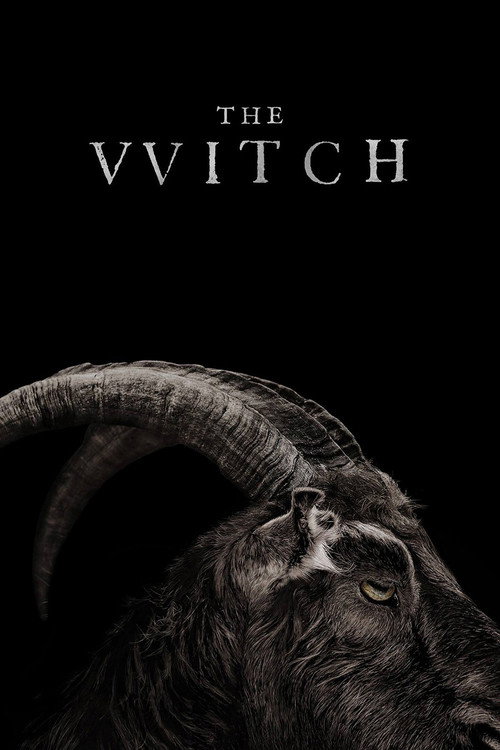
The Witch2016
A family stranded far from civilization slowly turns on itself under supernatural pressure, told with the same austere, painterly patience and creeping historical dread.
But The 17th-century dialect and near-total absence of levity make it a demanding, joyless watch by design.
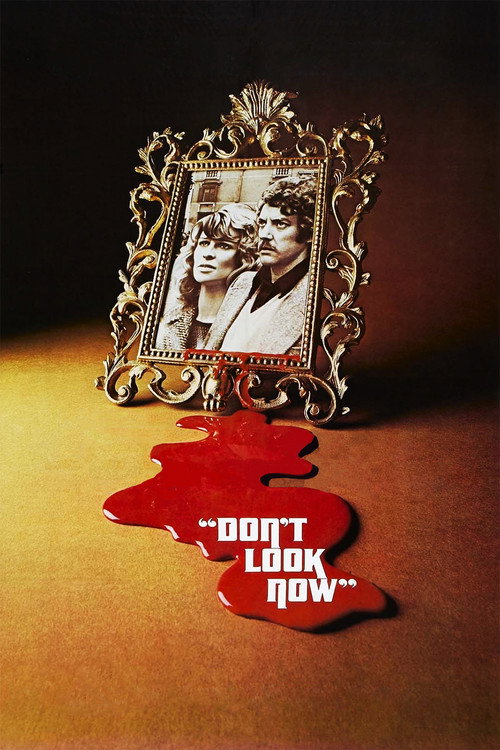
Don't Look Now1973
Another grief-soaked, formally daring horror about a family fracturing while strange forces close in — editing and atmosphere doing as much work as plot, exactly Kubrick's method.
But It's more elliptical and emotionally raw than eerie, with a final twist that plays as tragedy rather than terror.
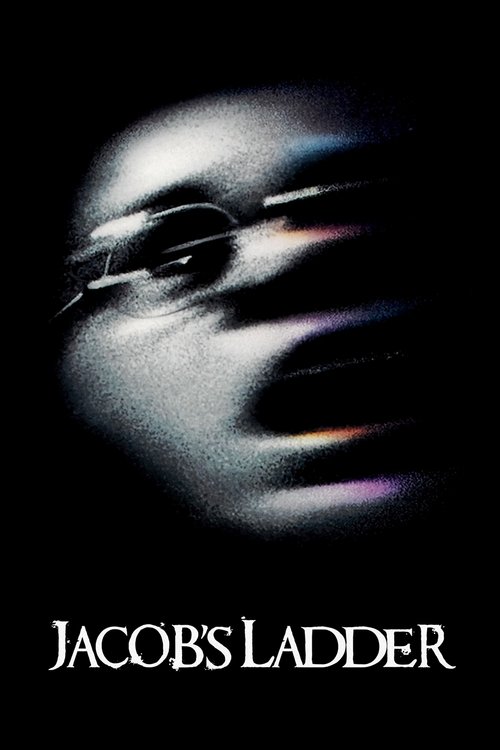
Jacob's Ladder1990
A man's grip on reality dissolves into hallucinatory dread that never lets you trust what you're seeing — the same ambiguous, is-it-real horror Kubrick trades in.
But Its imagery is grimier and more overtly nightmarish, closer to war trauma than ghost story.
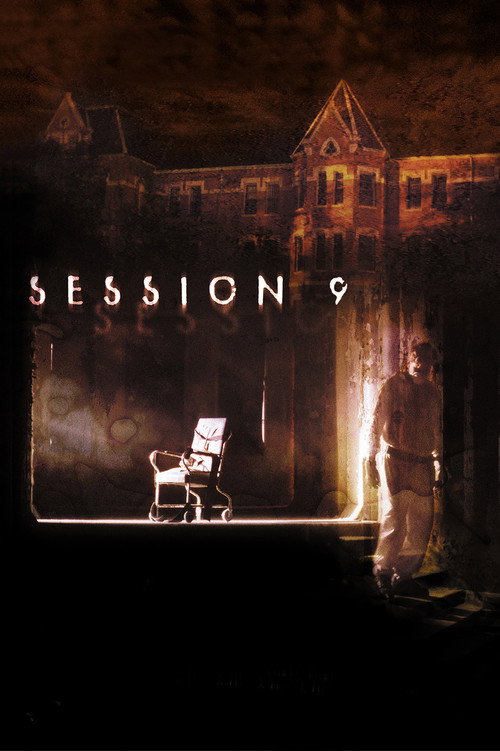
Session 92001
A small crew isolated in a decaying, possibly haunted building slowly turns on itself and its own sanity — low-budget, slow-burn dread in the Overlook tradition.
But It's rougher around the edges technically, with none of Kubrick's visual polish or budget.
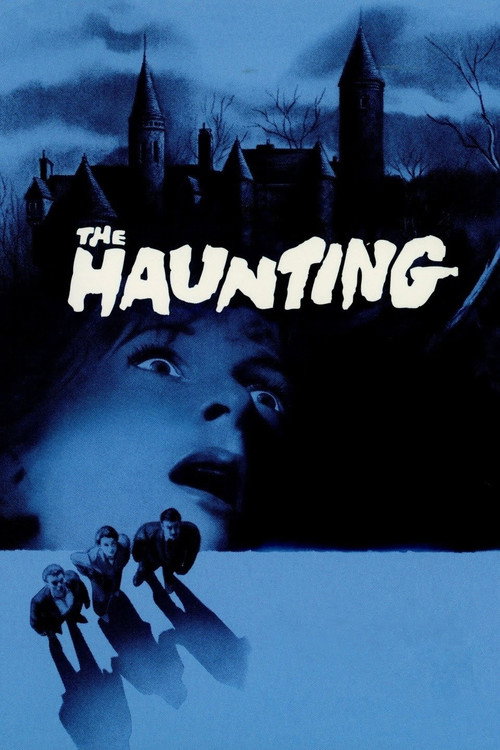
The Haunting1963
The granddaddy of the intelligent haunted-house film — a house that seems to be actively working on its inhabitants' minds, shot in stark, unsettling black-and-white.
But Its scares are entirely suggestion and sound design, which will feel quaint if you need visual shocks.
Doctor Sleep2019no page yet
Mike Flanagan's sequel actually returns to the Overlook itself, tying King's original vision back into Kubrick's imagery for long-time fans wanting closure.
But It's a much more conventional supernatural-battle movie, trading dread for plot and spectacle.
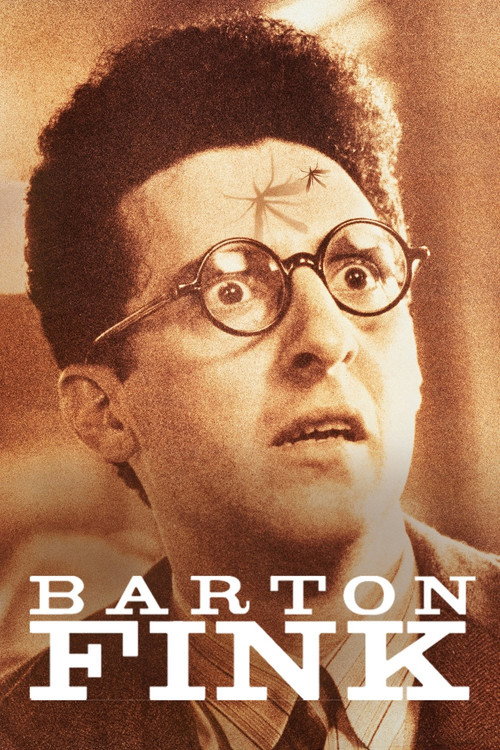
Barton Fink1991
Strip away the horror trappings and it's telling the same story — a writer isolated in a strange hotel, his sanity dissolving into the building's own nightmarish logic — just wearing absurdist comedy instead of dread.
A writer checks into an isolated, wallpaper-peeling hotel and slowly loses his mind while the building itself seems to conspire against him — the same premise as The Shining, filtered through the Coens' surreal dark comedy.
But It's funnier and weirder than frightening, with a shaggy, ambiguous ending that plays games rather than delivers scares.
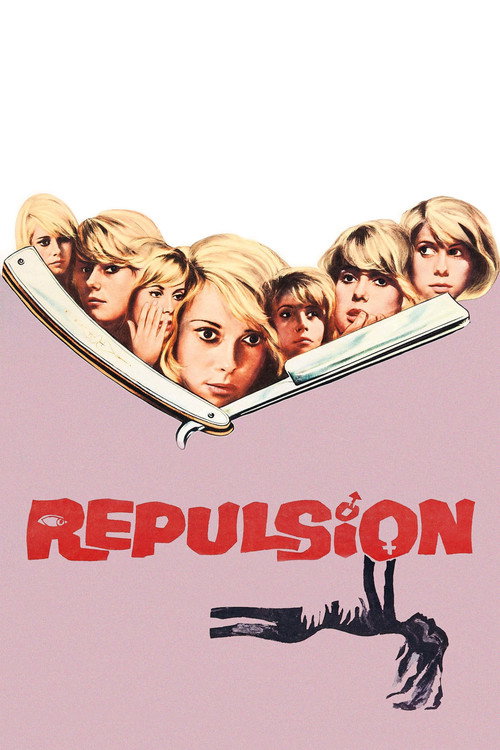
Repulsion1965
The same director's earlier attempt at the exact structural idea Kubrick would later use — solitude as a horror engine — but told from inside a woman's collapsing mind instead of a man's.
Polanski's earlier, quieter descent-into-madness film traps a young woman alone in a London flat as her grip on reality crumbles — the Overlook's dread compressed into four claustrophobic walls.
But It's slower and more interior than The Shining, with almost no plot momentum — pure psychological erosion, not scares.
People
Cast
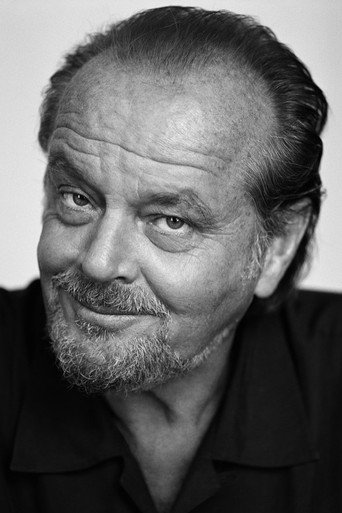 Jack NicholsonJack Torrance
 Shelley DuvallWendy Torrance
 Danny LloydDanny
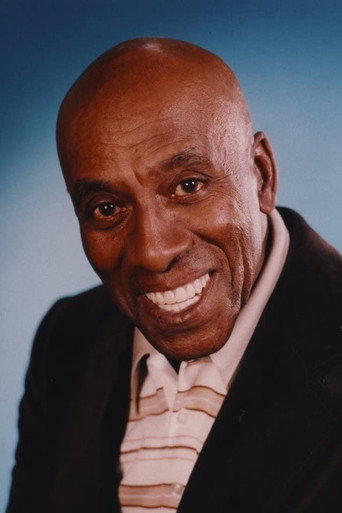 Scatman CrothersHallorann
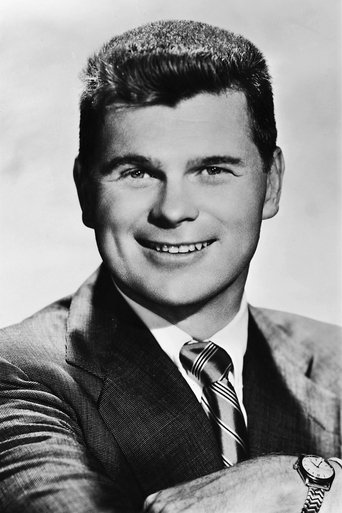 Barry NelsonUllman
 Philip StoneGrady
 Joe TurkelLloyd
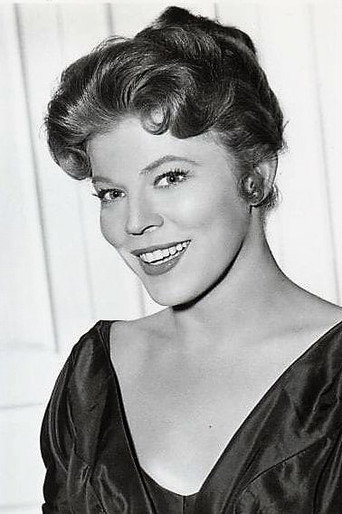 Anne JacksonDoctor
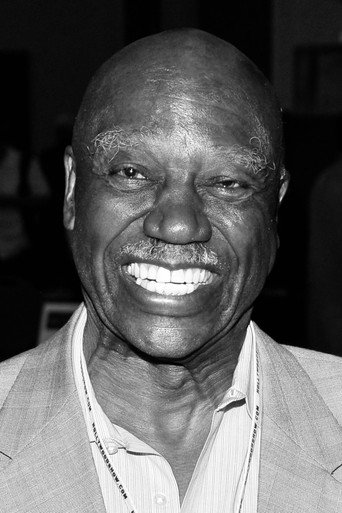 Tony BurtonDurkin
 Lia BeldamYoung Woman in Bath
- Billie GibsonOld Woman in Bath
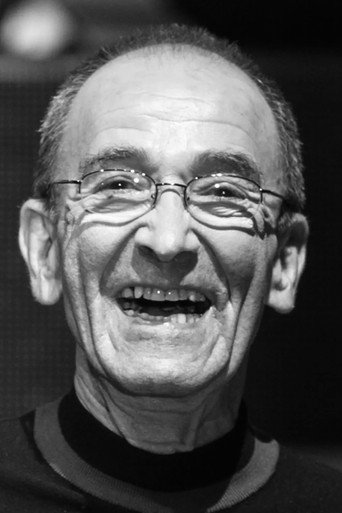 Barry DennenWatson
Directing
- Brian W. CookAssistant Director
- Michael StevensonAssistant Director
- Terry NeedhamAssistant Director
- June RandallContinuity
- Stanley KubrickDirector
Writing
- Stephen KingNovel
- Diane JohnsonScreenplay
- Stanley KubrickScreenplay
Production
- Martin RichardsAssociate Producer
- Mary Lea JohnsonAssociate Producer
- Robert FryerAssociate Producer
- James LiggatCasting
- Jan HarlanExecutive Producer
- Stanley KubrickProducer
- Jo GregoryProduction Accountant
- Emilio D'AlessandroProduction Assistant
- Douglas TwiddyProduction Manager
- Marlene ButlandProduction Secretary
- Pat PennelegionProduction Secretary
Recommended by
Psycho, Hereditary, Repulsion, Black Narcissus, Misery, The Night of the Hunter, Room 237, Crime Scene, Suspiria, The Cabinet of Dr. Caligari, Magic, Grand Hotel, The Lost Weekend, The War of the Roses, Session 9, The Lighthouse, The Amityville Horror, Antichrist, Possession, mother!, The Tenant, Eyes Wide Shut, Woman in the Dunes