
Film
The Devil and Father Amorth
William Friedkin, the legendary director of The Exorcist, documents Father Gabriele Amorth performing an exorcism on a troubled Italian woman. It's a tense, unflinching seventy minutes that refuses easy answers—part medical mystery, part spiritual investigation, entirely unsettling. For viewers drawn to the liminal space between faith and rationality.
Should you watch it?
Watch it if you are curious how belief looks from the inside and want an unhurried, observant look at a ritual rather than a jump-scare fright.
Skip it if you want a documentary that presses for answers, since it mostly watches and waits, letting the ceremony speak with little outside context.
What it asks of you: Sixty-eight minutes, mostly patience: long stretches of prayer and watchful silence, with the camera content to sit still and let the rite unfold at its own pace.
Not sure? Find tonight's pick in a minute.
If you liked this
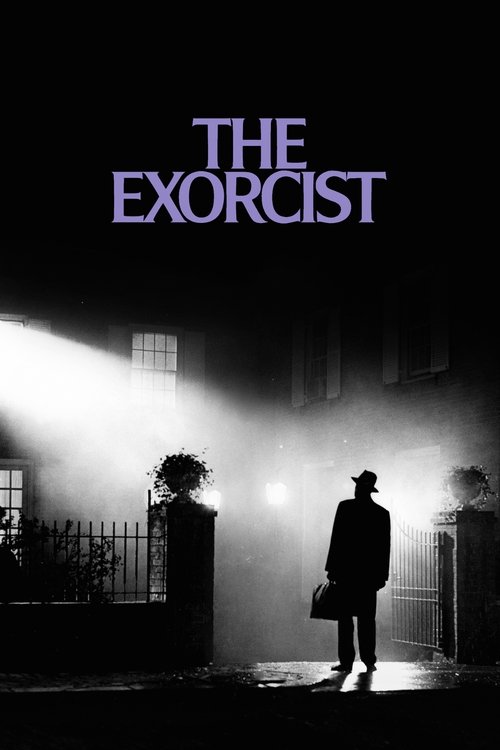
The Exorcist1973
The film that defined possession cinema and shaped everything that came after. Friedkin's direction is masterful; the terror is earned, not manufactured. Essential viewing.
But At fifty years old, it can feel familiar through cultural osmosis. Some effects show their age, though that only deepens the dread.
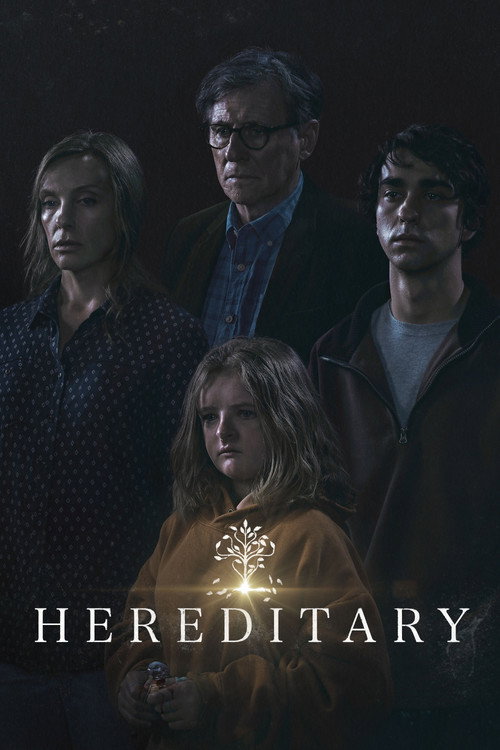
Hereditary2018
Ari Aster creates a family nightmare where supernatural horror and genuine psychological breakdown become indistinguishable. It shares The Devil and Father Amorth's refusal to offer comfort.
But Relentlessly bleak and genuinely disturbing. The shock moments are earned but brutal, and the ending leaves you hollow.
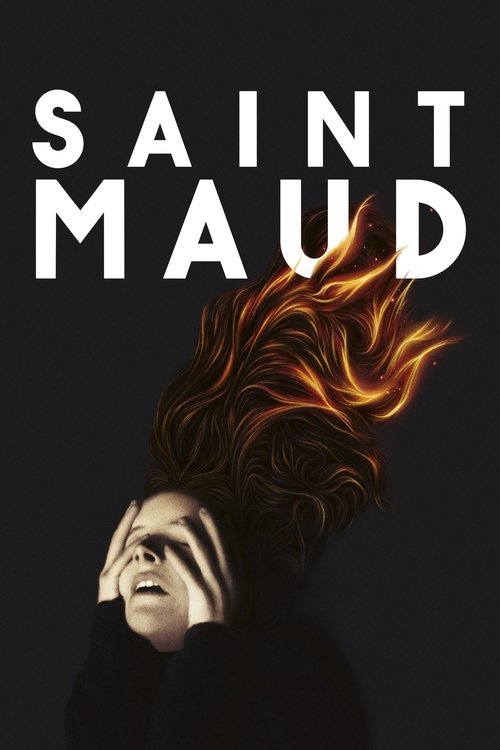
Saint Maud2020
A British horror film about faith, obsession, and fragile sanity. It's visually stunning and morally complex—you're never sure what's real or what's projection.
But Slow-burn atmosphere won't satisfy those wanting direct scares. The ambiguity will frustrate viewers wanting clarity.
Not sure tonight? Get a pick in a minute, starting from The Devil and Father Amorth
The wildcard
Something you would not have found on your own.
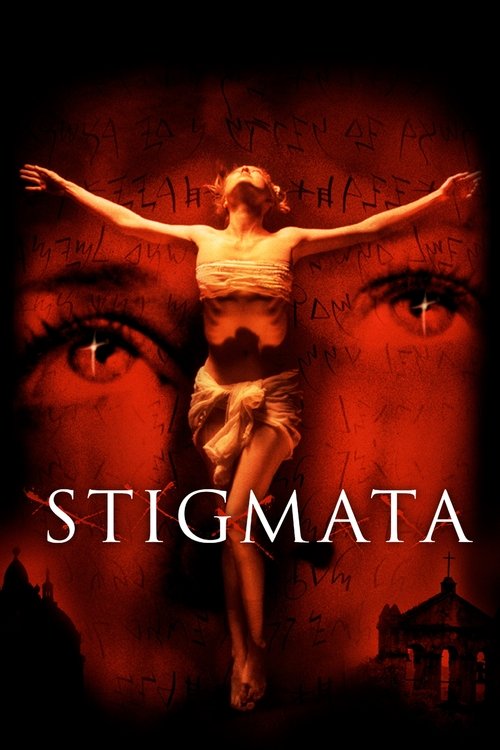
Stigmata1999
Both place the body at the center of the possession question—is it the vessel or the evidence? Both distrust easy institutional answers about suffering.
A woman develops stigmata; a priest investigates. Gabriel Byrne and Patricia Arquette in a visually dazzling Vatican thriller that asks whether suffering is divine or psychiatric. Late-90s Catholicism paranoia meets genuine artistry.
But Ridiculous plot, confused theology, wildly dated digital effects. It often tips into unintentional camp. You're watching it despite itself.
More like this (8)
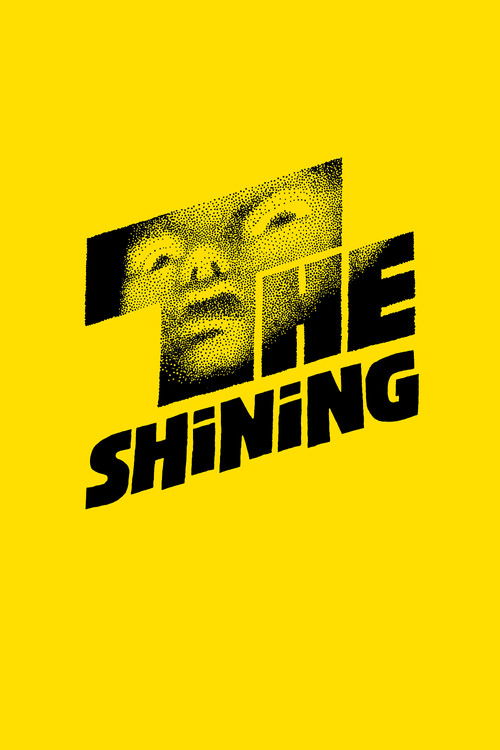
The Shining1980
Kubrick's masterpiece uses isolation and psychological unraveling to generate dread more effectively than jump scares. It's about surfaces hiding horrors beneath.
But It's deliberately paced and almost three hours long. The famous novel adaptation debates overshadow the film's achievements.
Possession1981
Andrzej Żuławski's unhinged Polish masterpiece blurs possession, infidelity, and mental collapse into pure visual chaos. It's genuinely disorienting in the best way.
But The acting is deliberately mannered and extreme. The film's logic is dreamlike rather than narrative—some find it pretentious or exhausting.

The Act of Killing2012
Joshua Oppenheimer's documentary lets mass murderers reenact their crimes, creating something between confession and horror film. It questions what happens when evil confronts itself.
But Watching it is morally complicated and deeply uncomfortable. The length (two-and-a-half hours) compounds the weight.

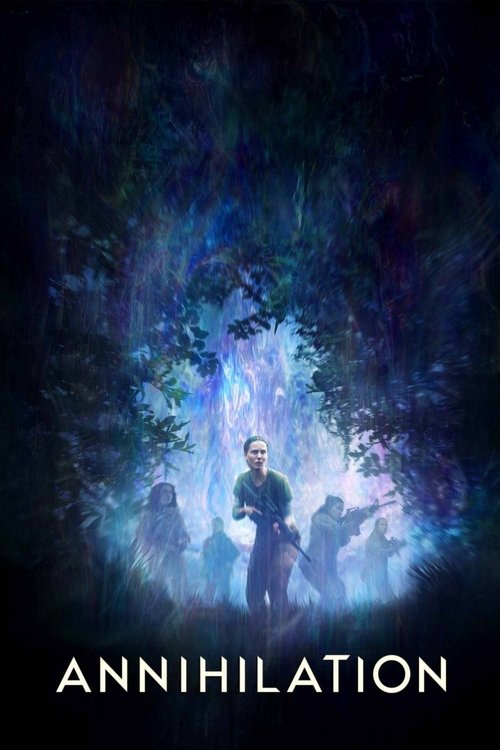
Annihilation2018
Alex Garland creates a mystery wrapped in atmospheric dread. The Zone defies explanation; existence becomes a medical anomaly. Haunting and intellectually rigorous.
But Science fiction that prioritizes mood over plot explanation. Some viewers need their mysteries solved, not deepened.
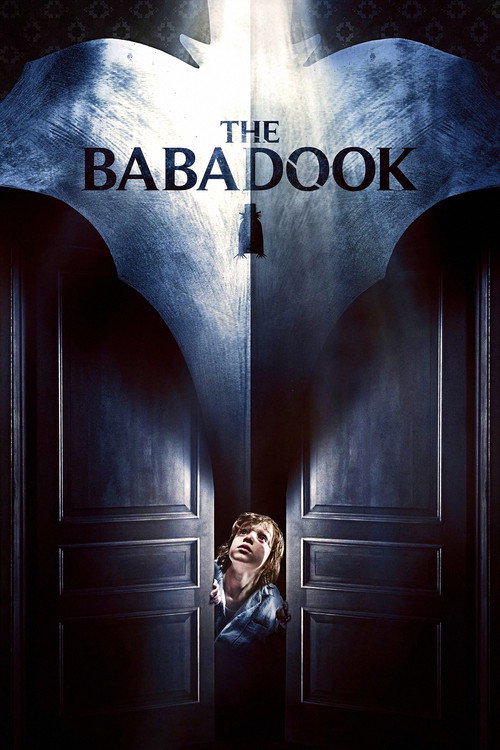
The Babadook2014
Jennifer Kent's Australian horror uses a children's book to explore grief and maternal rage. It's intimate horror about what breaks families apart.
But The creature reveal disappointed some genre fans. It's less interested in scares than in the damage people do to each other.
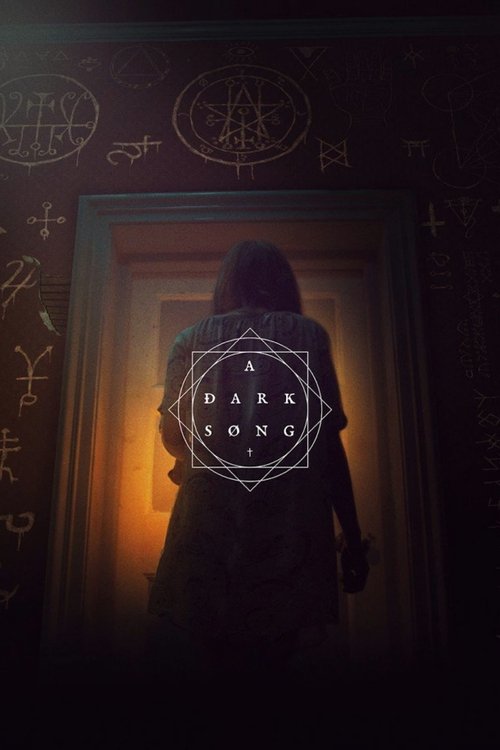
A Dark Song2016
An Irish woman hires an occultist for a ritual. It's quietly devastating, mixing faith with profound doubt. A meditation on loss disguised as supernatural drama.
But Almost nothing happens structurally. Two people in a room, mostly talking. Demands patience and emotional openness.
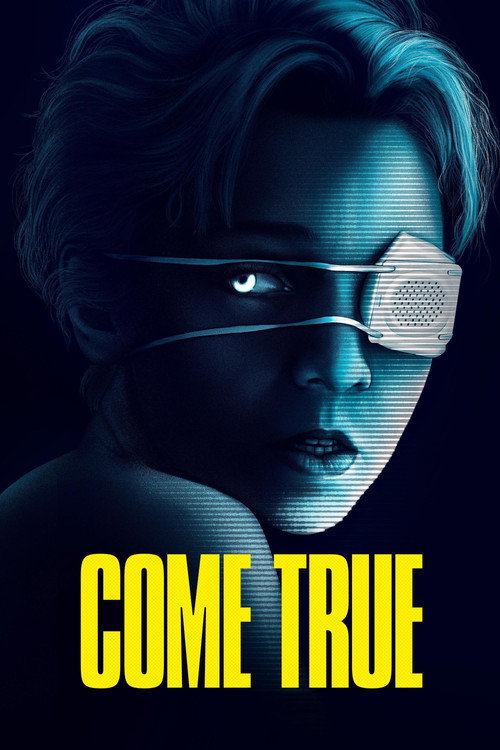
Come True2020
Both use the documentary form to investigate the inexplicable. Neither film lets you retreat into the safety of knowing what's real.
A sleep-study documentary-horror hybrid that documents a teenager's increasingly nightmarish visions. Shot like a found-footage film; it's formally innovative and genuinely eerie.
But Deliberately obscure, minimal plot, mostly images and atmosphere. The ending is abstract and wilfully unexplanatory.
The Wailing2016
Both refuse the comfort of diagnosis. Friedkin films exorcism as a mystery that resists solution; The Wailing builds an entire cosmos around that refusal.
Na Hong-jin's Korean masterpiece: a village plagued by mysterious illness, a female stranger, a priest, and no answers. It's a possession narrative that subverts every expectation, operating as police procedural, folk horror, and spiritual crisis simultaneously.
But Two hours forty minutes with a deliberately inconclusive ending. It demands interpretation and willingly frustrates viewers seeking resolution. Dense and demanding.

People
Cast
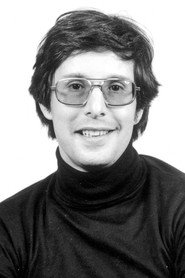 William FriedkinSelf
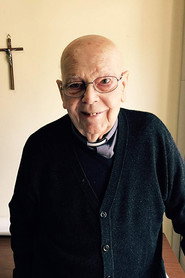 Gabriele AmorthSelf
Directing
- William FriedkinDirector
Writing
- Mark KermodeWriter
- William FriedkinWriter
Production
- Francesco ZippelLine Producer
- Mickey LiddellProducer
- Pete ShilaimonProducer