
Film
The Wicker Man
Other titles called The Wicker Man: the 1973 film.
- Missing-person mystery
- Folk horror
- Very dark
Nicolas Cage arrives on a remote island to find a missing girl and finds instead a community of witches, folk horror atmosphere, and one of cinema's most audacious final acts. Visually ornate, genuinely unsettling, and unafraid to go completely unhinged in its last twenty minutes. For anyone who wants their horror strange, committed, and willing to swing for the fences.
Should you watch it?
Watch it if you enjoy a gleefully overheated horror where the fun lies in the wrong-note performances and the strange windswept island rituals, and you don't mind a film that is more ridiculous than frightening.
Skip it if you want slow-burn dread or a tidy, believable mystery, since this one plays its strangeness loudly, its logic loosely, and its tone somewhere between solemn and silly.
What it asks of you: A brisk ride under two hours, with a steady early clip giving way to overwrought, escalating set pieces that ask you to go along with it.
Not sure? Find tonight's pick in a minute.
If you liked this
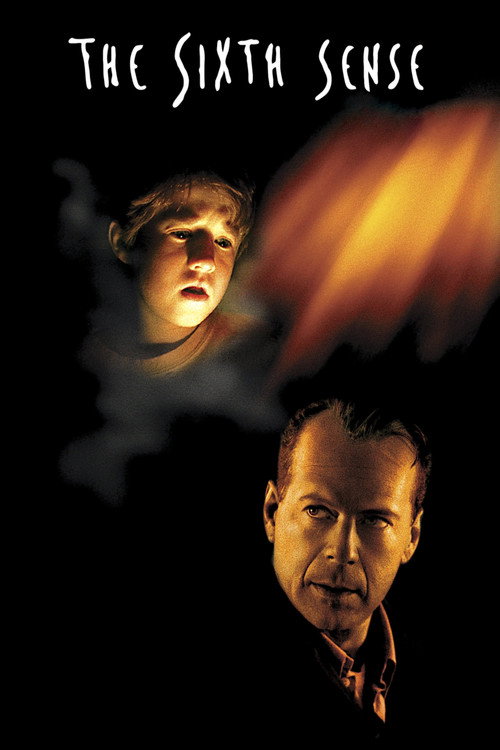
The Sixth Sense1999
A supernatural mystery that unfolds with genuine intelligence and restraint, building dread through careful reveals. The twist lands because you've been paying attention to real storytelling, not just waiting for the jump.
But The twist ending has been spoiled for most people by now, and knowing it changes how the whole film plays. Also much quieter and more patient than The Wicker Man—some find that slow burn tedious.
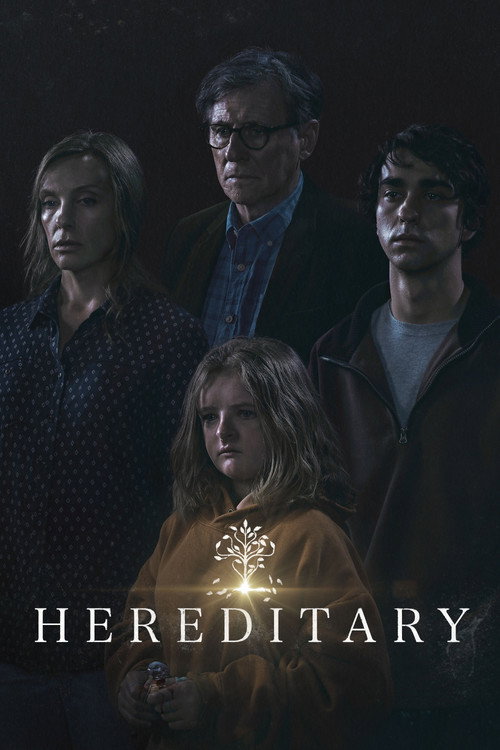
Hereditary2018
Ari Aster creates the exact same sense of being trapped in a cult's logic, watching a character stumble through escalating horror they don't yet understand. Visually stunning and genuinely terrifying.
But Extremely dark, disturbing imagery including suicide and body horror. Not a thriller—it's a film about grief weaponized by supernatural malice. Bleak ending.
Midsommar2019
The spiritual cousin to The Wicker Man: daylight folk horror, a community with ancient rituals, an outsider protagonist who realizes too late what they've walked into. Equally committed to its own logic.
But Three and a half hours of mounting dread and bright-daylight atrocity. The pacing is deliberate; if you need faster plot momentum, this will frustrate you.

Not sure tonight? Get a pick in a minute, starting from The Wicker Man
The wildcard
Something you would not have found on your own.
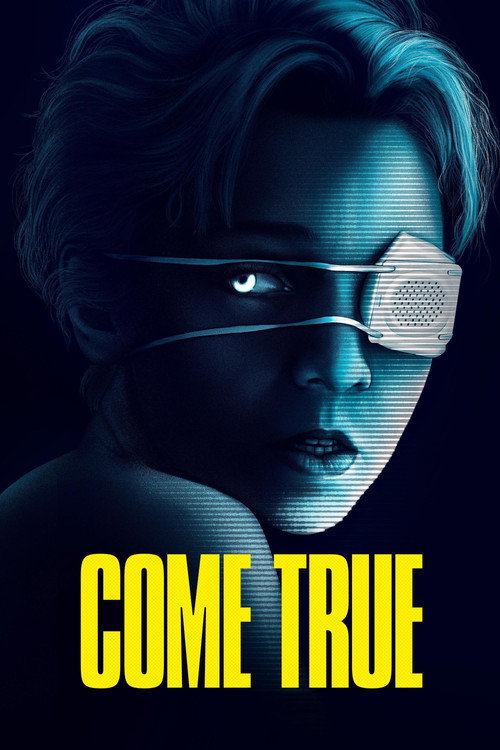
Come True2020
Both films place a vulnerable protagonist inside an institution (island community, research facility) and gradually reveal the institution's true purpose. Both are more interested in atmosphere and dread than explaining what's happening.
A teenager enters a sleep study and descends into body-horror nightmare logic. Science-fiction rather than folk horror, but the same sense of institutional logic trapping you, experiments continuing after ethics have been abandoned.
But Genuinely disturbing body horror and transformation sequences. Minimally plotted—it's mood and texture over narrative. Some find it beautiful; others find it unwatchable.
More like this (7)
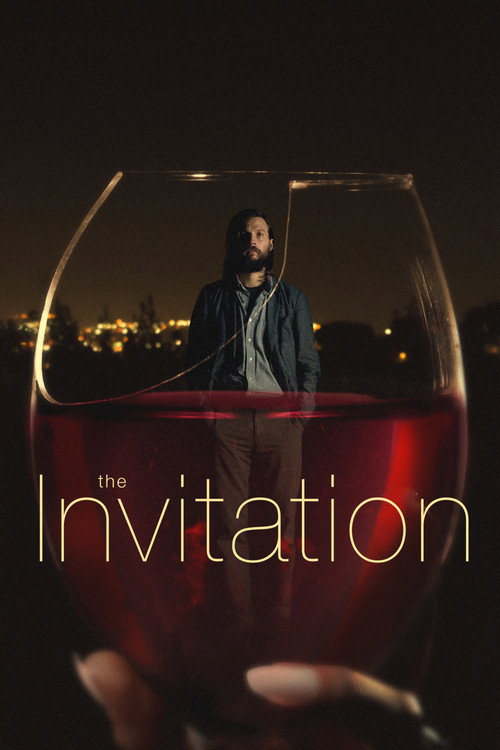
The Invitation2016
A dinner party becomes psychological torture. Like The Wicker Man, it's about being trapped with a group whose motivations and worldview you don't share, and realizing escape might be impossible.
But Confined, talky, shot mostly in one house. The threat is intellectual rather than visceral. If you need action, this is all conversation and dread.
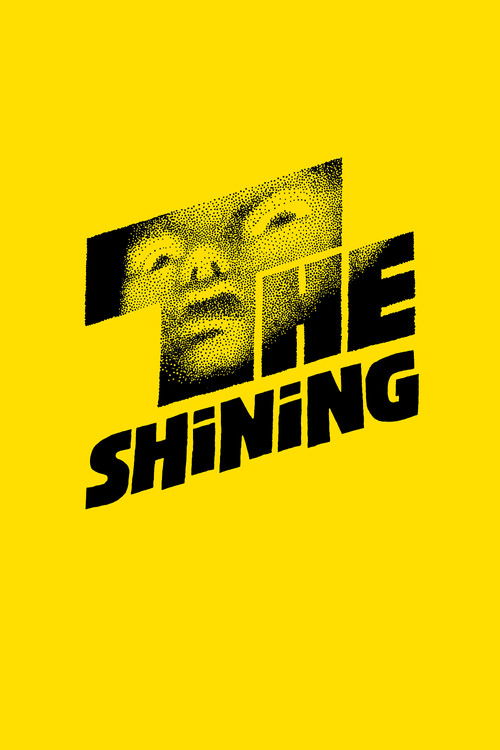
The Shining1980
Kubrick's absolute control over mood, space, and the audience's sense of wrongness. A hotel becomes a character. The mystery of what's happening is less important than the certainty that something is deeply, fundamentally wrong.
But Notoriously slow. Famously divisive. The changes from the source material enrage Stephen King fans to this day. Requires patience and repeat viewing to unlock.
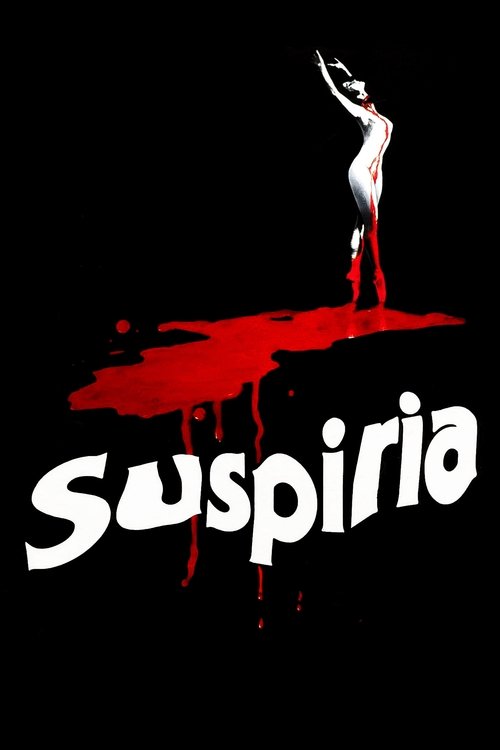
Suspiria1977
Italian horror operating on pure atmosphere and visual logic. A dance academy that might be run by witches. Deliberately artificial, gorgeously composed, unsettling in ways that bypass the rational brain.
But Plot is secondary to mood and aesthetics. The dubbing is occasionally awkward. If you watch horror for narrative coherence, this prioritizes style and sensation instead.
The Wailing2016
A South Korean mystery where a village is infected by either a curse, a disease, or hysteria—and it doesn't matter which. Like The Wicker Man, it's about the power of collective belief to remake reality and destroy individuals.
But Nearly three hours with no clear answers. Ends with genuine ambiguity about whether anything supernatural happened at all. Deliberately refuses resolution.

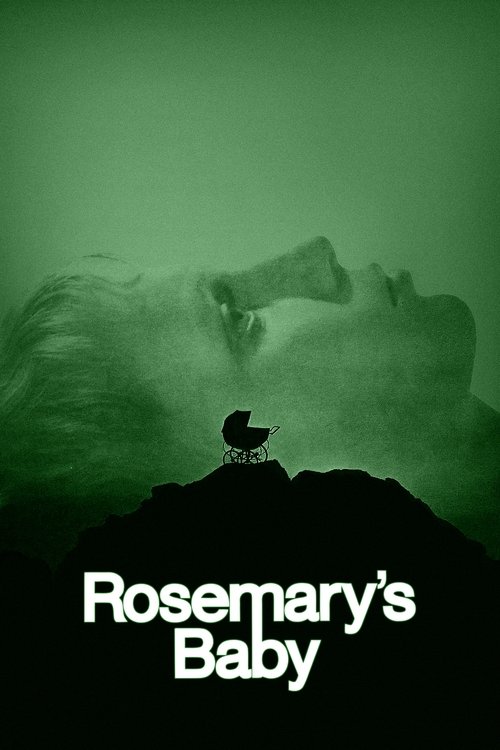
Rosemary's Baby1968
The template for modern paranoia horror: a woman becomes convinced her neighbors are conspiring against her, and the film never lets you be sure if she's right. Beautifully crafted psychological trap.
But Slow-burn paranoia that only builds tension through implication. No jump scares, minimal violence. The ending is not cathartic—it's ambiguous and bleak.
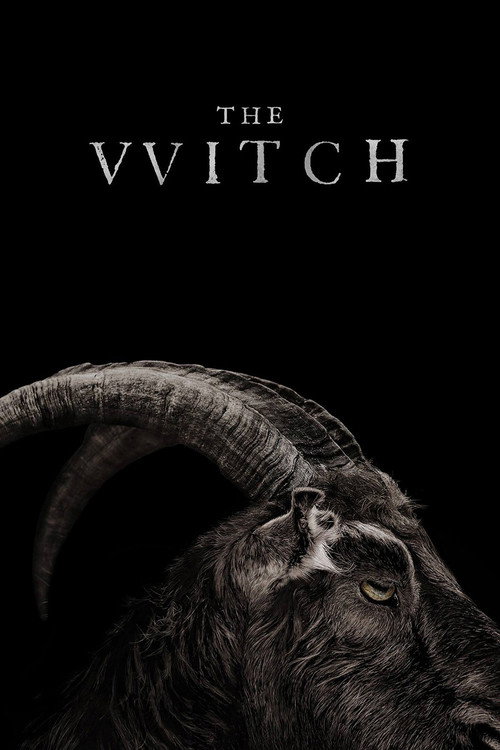
The Witch2016
Puritanical New England, a family convinced they're under supernatural attack. Deliberately paced folk horror with an ending that asks: what if the family was wrong, and something much worse was true?
But Methodical to the point of glacial. The dialect is difficult to parse. Quietly despairing rather than dramatically horrifying.
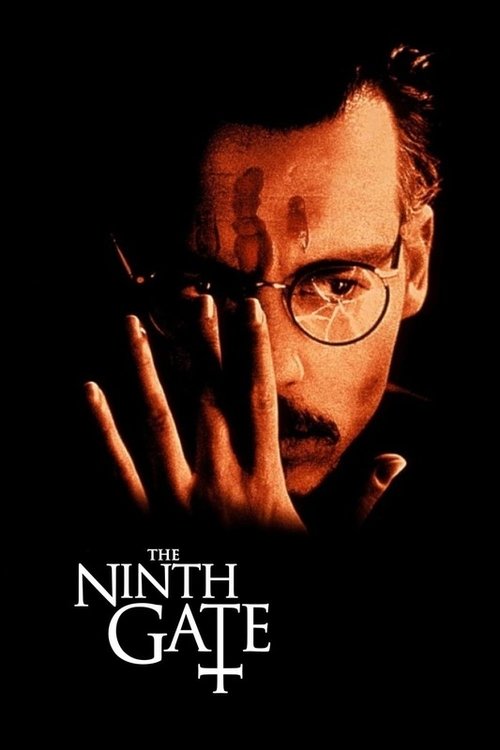
The Ninth Gate1999
Both feature an outsider protagonist stumbling into occult communities, with the twist that their investigation doesn't lead to exposure or rescue—it leads to surrender or complicity. Both suggest the mystery was never meant to be solved.
Roman Polanski's book-antiquarian thriller where a rare book dealer becomes entangled with occultists and discovers he might be part of something much larger. Labyrinthine plot with genuine supernatural intrusion.
But Glacially paced for a thriller. The ending is willfully cryptic and unsatisfying. Polanski's camera lingers on details that don't resolve into plot. It's frustrating by design.
People
Cast
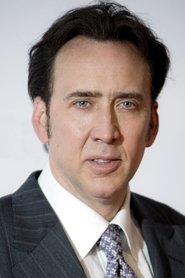 Nicolas CageEdward Malus
 Ellen BurstynSister Summersisle
 Kate BeahanSister Willow
 Frances ConroyDr. Moss
 Molly ParkerSister Rose / Sister Thorn
 Leelee SobieskiSister Honey
 Diane DelanoSister Beech
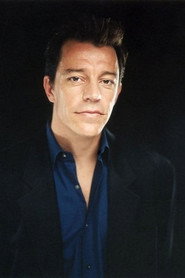 Michael WisemanOfficer Pete
 Erika-Shaye GairRowan Woodward
 Christa CampbellTruck Stop Waitress
- Emily HolmesStation Wagon Mom
- Zemphira GoslingStation Wagon Girl
Directing
- Neil LaButeDirector
- John McKeownFirst Assistant Director
- Susan LambieScript Supervisor
- Kathy HoughtonSecond Assistant Director
- Boaz DavidsonSecond Unit Director
- Dan MansfieldThird Assistant Director
Writing
- David PinnerNovel
- Anthony ShafferOriginal Film Writer
- Neil LaButeScreenplay
Production
- Louise SmithAssistant Accountant
- Casey Nelson-ZutterAssistant Location Manager
- Trevor WesterhoffAssistant Production Coordinator
- Heidi LevittCasting
- Lauren FernandesCasting Assistant
- Colleen BoltonCasting Associate
- Jochen KamlahCo-Executive Producer
- Gerd KoechlinCo-Producer
- Manfred D. HeidCo-Producer
- Shawn WilliamsonCo-Producer
- Simon FranksCo-Producer
- Zygi KamasaCo-Producer
- Andreas ThiesmeyerExecutive Producer
- Danny DimbortExecutive Producer
- Elisa SalinasExecutive Producer
- George FurlaExecutive Producer
- JoAnne SellarExecutive Producer
- Josef LautenschlagerExecutive Producer
- Trevor ShortExecutive Producer
- James ForsythExtras Casting
- Stanley TepperFinance
- Manfred D. HeidHead of Production
- Andrew ChristmasKey Production Assistant
- Brad Van ArragonLine Producer
- Laura IrvineLocation Manager
- Shannon HarronPayroll Accountant
- Tsila AdlerPost Production Accountant
- Candice LevyPost Production Coordinator
- Avi LernerProducer
- Boaz DavidsonProducer
- John ThompsonProducer
- Nicolas CageProducer
- Norman GolightlyProducer
- Randall EmmettProducer
- Lucie GuestProducer's Assistant
- Carol HockingProduction Accountant
- Cole BoughtonProduction Assistant
- Sheryl RhodesProduction Coordinator
- Melissa Jane BrantleyProduction Executive
- Lorraine JamisonPublicist
- Brad Van ArragonUnit Production Manager