
Film
Dead Mountaineer's Hotel
- Horror
- Very dark
A Soviet-Estonian sci-fi thriller that traps a detective and guests in an Alpine hotel during an avalanche, where reality begins to fracture. Austere and atmospheric, it builds dread through isolation and philosophical unease rather than jump scares. For patient viewers who prize mood and strangeness over conventional plotting.
Should you watch it?
Watch it if you enjoy slow-burning mysteries where the unease builds from small wrong details, like a locked-room puzzle crossed with a cold, Soviet-era paranoia that never quite explains itself.
Skip it if you need brisk pacing or a clear logic to the plot, since this one lingers, circles its questions and leaves much of its strangeness unexplained across a fairly short runtime.
What it asks of you: Settle in for a patient, eighty-four-minute film that trusts atmosphere over action, asking you to notice odd details and tolerate long stretches of quiet dread.
Not sure? Find tonight's pick in a minute.
If you liked this
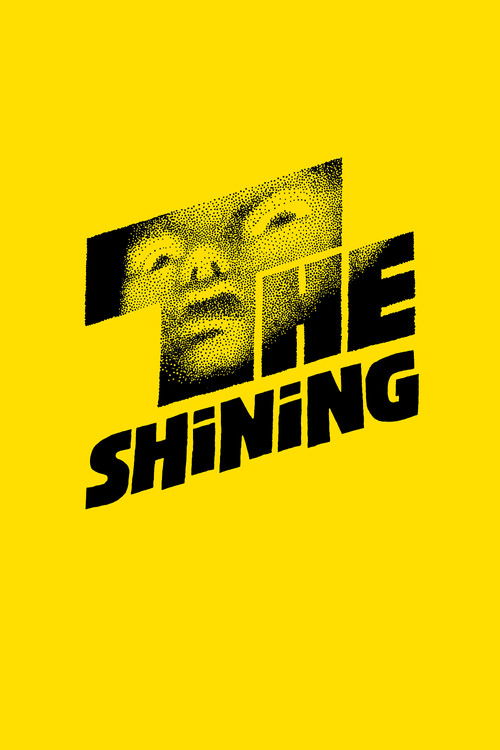
The Shining1980
Kubrick's masterpiece of a hotel becoming a character itself, isolating its inhabitants and warping their sanity through architecture and atmosphere. Glacial pacing builds unbearable tension.
But Glacial pacing. Some find it cold rather than chilling, and the ambiguity frustrates viewers wanting clear answers.
Stalker1979
Tarkovsky's philosophical SF film about a guide leading people through a mysterious zone. Deliberately slow, hypnotic, asking profound questions about desire and reality. Pure cinema.
But 220 minutes of deliberate, meditative pacing. No plot in the conventional sense. Can feel like watching someone else's fever dream.

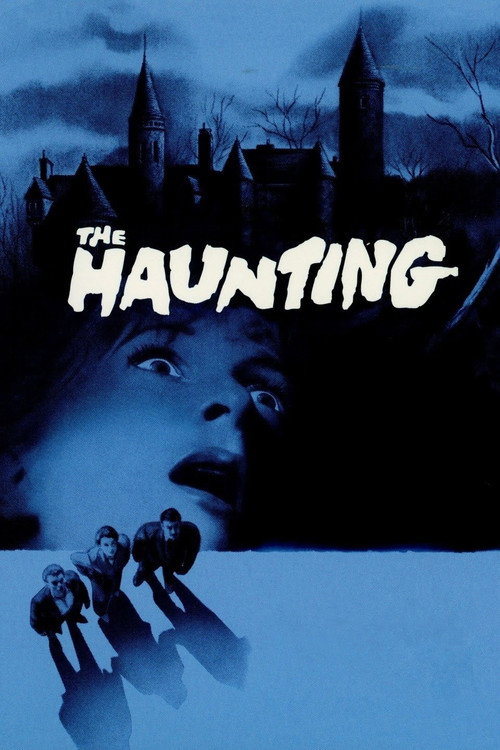
The Haunting1963
Robert Wise's masterclass in psychological horror using only light, shadow, and performance. Ambiguity about whether the house is truly haunted or the protagonist is unraveling keeps you uneasy throughout.
But Black-and-white and dated-looking to modern eyes. The scares are entirely suggested, never shown, which some find insufficiently scary.
Not sure tonight? Get a pick in a minute, starting from Dead Mountaineer's Hotel
The wildcard
Something you would not have found on your own.
The Wailing2016
Both use geographical isolation and snowballing strangeness to create philosophical unease rather than conventional scares. Both films trust the viewer to sit with uncertainty.
Korean horror-mystery where a detective investigates a string of deaths in a remote village, and reality fragments into competing explanations. Like Dead Mountaineer's Hotel but with folk horror and genuine ambiguity about what you have witnessed.
But Two hours forty-five minutes. Requires active interpretation; it will not explain itself. The violence is sudden and disturbing.

More like this (8)
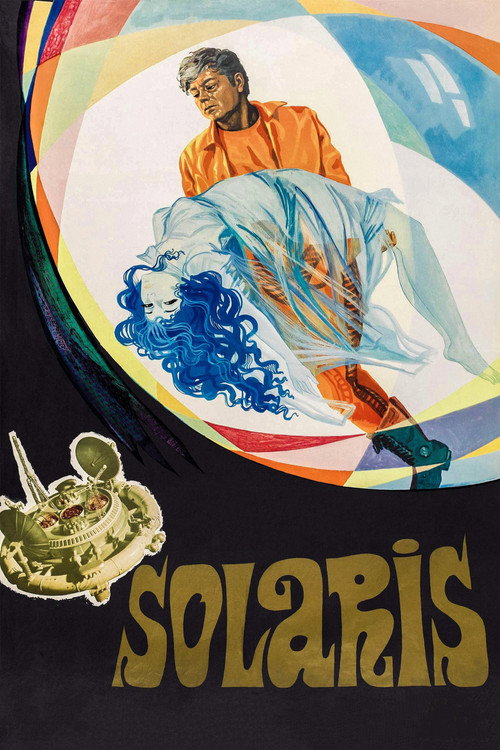
Solaris1972
Tarkovsky again—a space station orbited by a thinking ocean forces the crew to confront memory, identity, and loss. Hypnotic and mournful, it redefines what SF can be.
But Three hours of meditative, wordless sequences. Very little happens. If you need plot momentum, you will hate it.
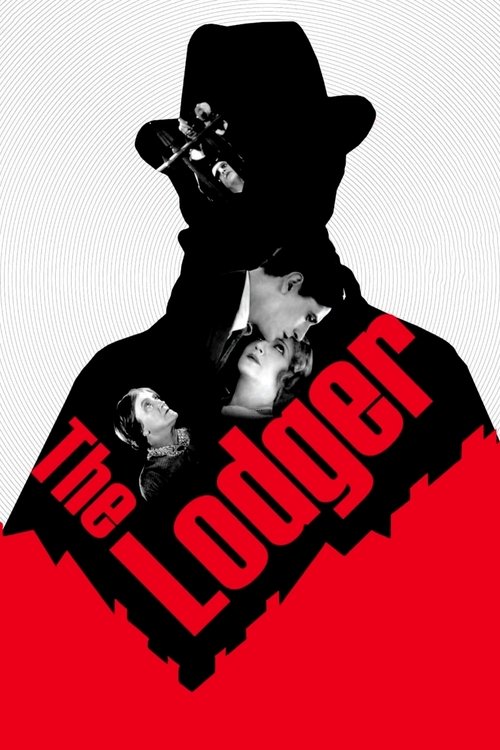
The Lodger: A Story of the London Fog1927
Hitchcock's silent proto-thriller about a mysterious tenant in a boarding house during a serial killer panic. Pure visual storytelling creates paranoia and doubt without a single word.
But Silent film. The pacing is glacial by modern standards and the plot, once understood, is fairly thin.
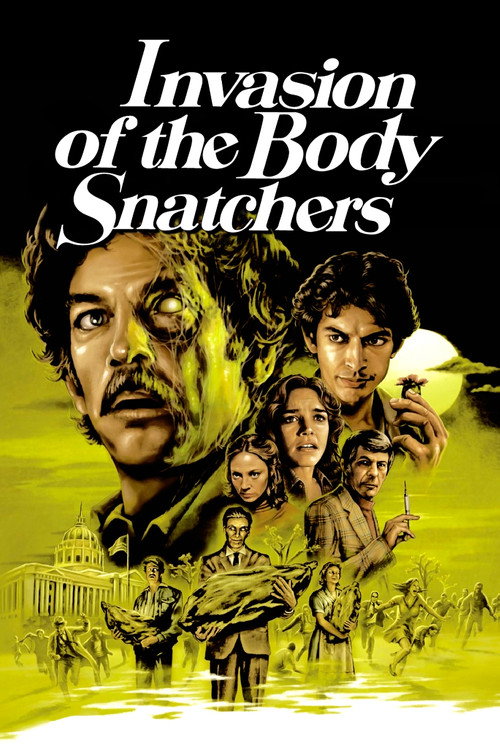
Invasion of the Body Snatchers1978
Carpenter's remake is paranoia distilled—you cannot trust anyone, the threat is invisible, and the ending is genuinely bleak. Cold, methodical, and absolutely committed to dread.
But Very 1970s in its grinding hopelessness. The science fiction premise is secondary to the mood, which some find frustrating.
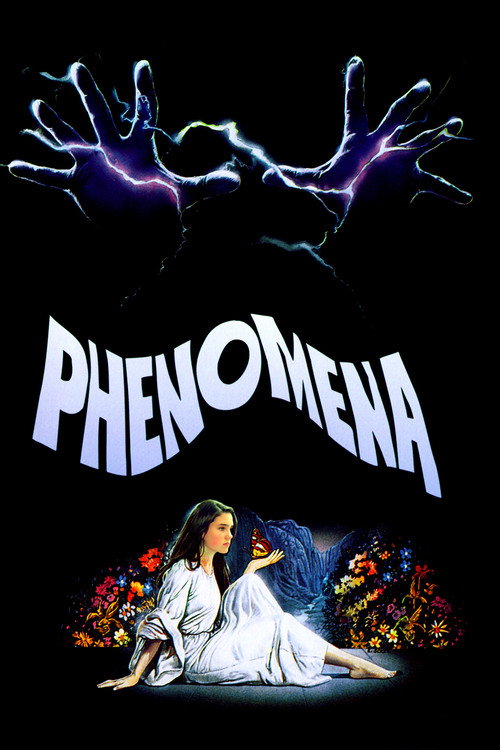
Phenomena1985
Argento's giallo masterpiece about a girl with insect telepathy investigating murders at an Alpine school. Visual spectacle married to genuine unease and a genuinely strange premise.
But Dubbed dialogue (even the Italian version), operatic plotting that strains credibility, and animal violence that makes viewers deeply uncomfortable.
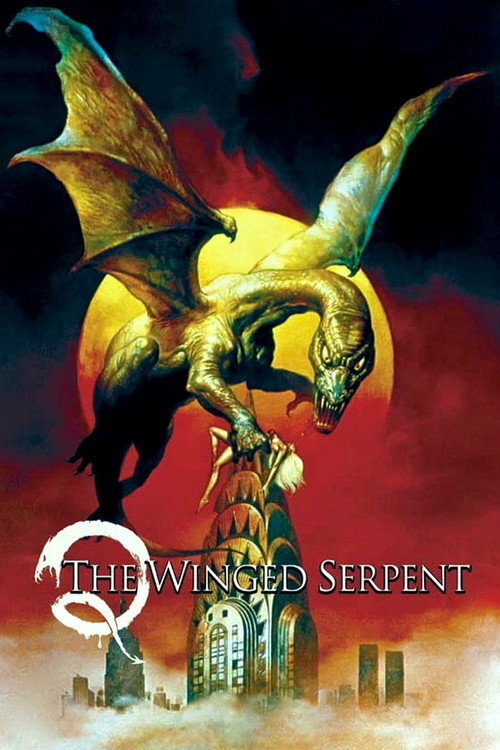
Q1982
A low-budget creature feature with an Aztec god nesting atop the Chrysler Building. Surprisingly clever, genuinely tense, and funnier than it has any right to be.
But Bargain-basement production values and effects. The plot is schlocky and the dialogue often clunky. You have to want to like it.
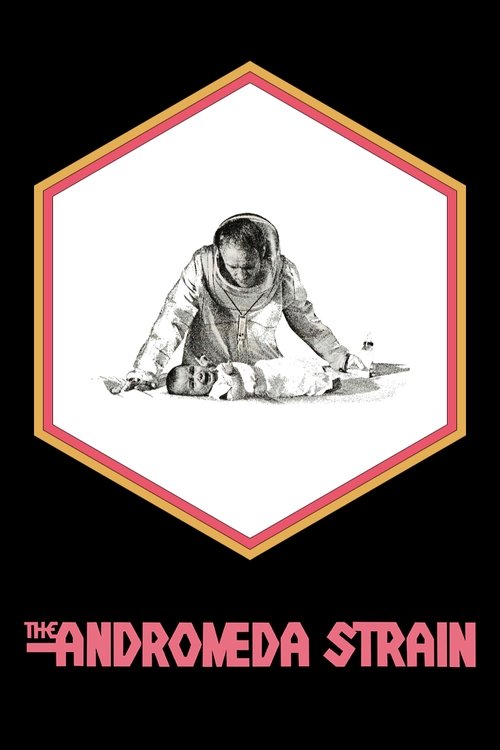
The Andromeda Strain1971
Wise again—a clinical procedural about scientists racing to contain an extraterrestrial microbe. Efficient, intelligent, grounded. Science fiction as a problem to be solved, not a mystery to ponder.
But Deliberately dry and bureaucratic. Very little character development. Some find it emotionally cold and dated-looking.
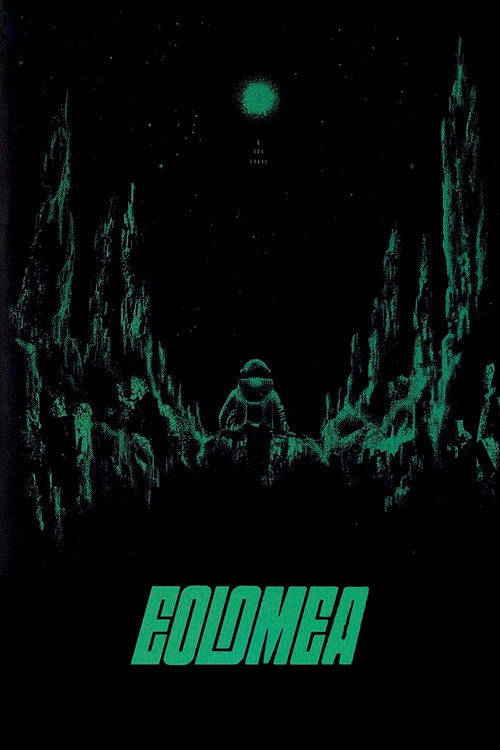
Eolomea1972
Eastern European SF cinema of that era—both films prefer existential dread and philosophical questions to plot mechanics, and both assume the viewer is intelligent enough to be confused.
A Hungarian SF film where a woman is sent to a mysterious seaside location for observation. Dreamlike, cryptic, visually striking. Feels like watching someone else's thought made concrete.
But Extremely obscure. Almost incomprehensibly strange even by 1970s SF standards. No conventional narrative resolution.
Possession1981
Both films trap characters in enclosed spaces where the environment itself begins to feel malevolent, and both suggest that the real horror is internal—what the mind does when pressure and isolation remove the social mask.
Zulawski's psychosexual nightmare about a marriage imploding while a couple is trapped together. Grotesque, fevered, carnally alive. This is alienation and betrayal made flesh.
But Extremely graphic sexual content. The plot becomes increasingly incoherent. Feels deliberately designed to disturb rather than entertain.

People
Cast
 Uldis PūcītisInspector Glebsky
 Jüri JärvetAlex Snewahr
 Lembit PetersonSimonet
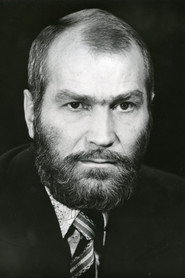 Mikk MikiverHinckus
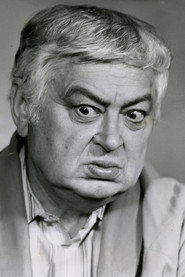 Karlis SebrisMr. Moses
 Irena KriauzaitėMrs. Moses
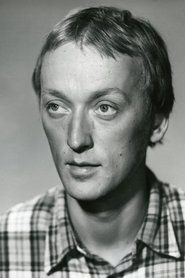 Sulev LuikLuarvik
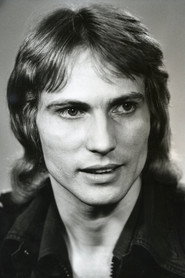 Tiit HärmOlaf
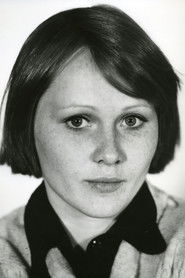 Nijolė OželytėBrun
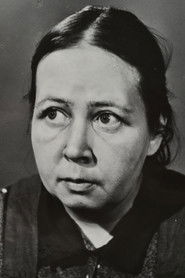 Kaarin RaidKaisa
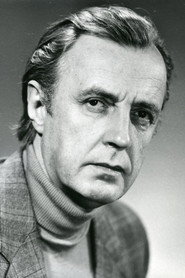 Aarne ÜkskülaInspector Glebsky (voice) (uncredited)
Directing
- Meeri KressAssistant Director
- Grigori KromanovDirector
- Irena VeisaitėFirst Assistant Director
- Margit OjasoonSecond Assistant Director
Writing
- Arkadiy StrugatskiyNovel
- Boris StrugatskiyNovel
- Arkadiy StrugatskiyScreenplay
- Boris StrugatskiyScreenplay
- Toomas RaudamScript Editor
Production
- Raimund FeltProducer
- Veronika BobossovaProducer
Recommended by
Letter Never Sent, Lifeforce, Xtro, The Man They Could Not Hang, Shock Waves, Hell Comes to Frogtown, Forbidden World, The Big Chase, Blood of the Vampire, The Mummy's Tomb, Air Crew, A Visitor to a Museum, Proving Ground 1