
Film
The Big Chase
A taut 1954 crime thriller about a cop pursuing a payroll thief across the border into Mexico by helicopter. It's propulsive and lean—60 minutes of genuine stakes—with real locations and practical action that feels lived-in. For anyone who loves tight procedurals or pre-CinemaScope genre filmmaking.
Should you watch it?
Watch it if you like lean, scrappy crime pictures from the fifties, where a cheap set and a restless chase matter less than the sheer nerve of the premise and a hero stuck in an impossible hurry.
Skip it if you need characters with real inner life, since the budget shows and the people are sketched more than felt.
What it asks of you: Barely an hour long, it moves hard from the opening minutes and keeps its foot on the accelerator, leaving little room for quiet reflection.
Not sure? Find tonight's pick in a minute.
If you liked this
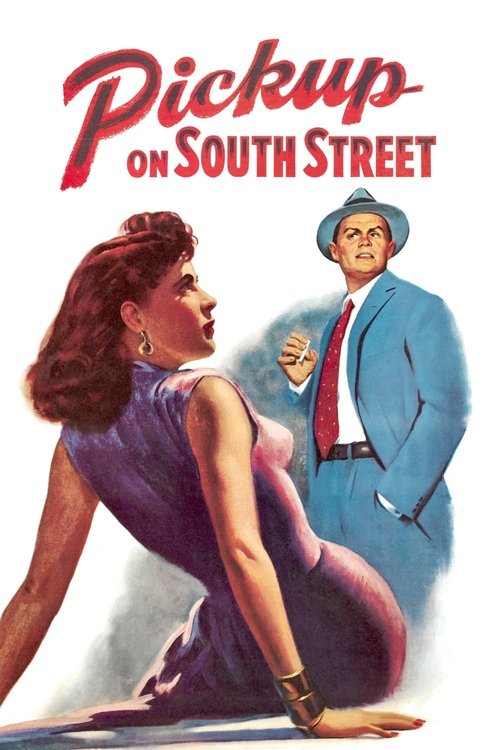
Pickup on South Street1953
Brutal, fast-moving Fuller crime film with incredible New York location work and a moral complexity that complicates every alliance. Richard Widmark is magnetic; the pickpocket milieu feels authentic and alive.
But It's shot in black-and-white on a tight budget, which some find visually austere. The plot can feel deliberately sordid rather than dramatically satisfying.
The Killing1956
Kubrick's audacious racetrack heist picture. Non-linear structure, documentary-style precision, and a fatalistic ending that earned it cult status. Every scene earns its runtime.
But The fractured timeline can feel gimmicky on first viewing. Some actors are frankly not great, which breaks immersion.

Rififi1955
French crime masterpiece: a jewel heist told with almost no dialogue for 30 minutes. Tense, elegant, genuinely inventive. The influence on heist cinema cannot be overstated.
But The middle section's silence, while brilliant, can feel arch. The ending pivots into melodrama that not everyone buys.

Not sure tonight? Get a pick in a minute, starting from The Big Chase
The wildcard
Something you would not have found on your own.
The Ballad of Little Jo1993
Both are chase narratives built on the need to cross a border—geographic or social—to survive. Both pit individual will against systems designed to stop you.
A woman disguises herself as a man to survive the Old West frontier. Maggie Greenwald's film is a revisionist Western that asks what it means to perform identity under duress. Gorgeous cinematography, genuine moral weight.
But It's austere and deliberately slow-paced. The woman-as-man premise requires patience and generosity from the viewer to avoid feeling gimmicky.

More like this (7)
The Asphalt Jungle1950
Huston's archetypal heist film: ensemble cast, meticulous planning, moral fatigue. It essentially invented the genre template. Sterling Hayden and Sam Jaffe are unforgettable.
But Slow-burn pacing means it takes time to invest. Some of the dialogue can sound stagey by modern ears.

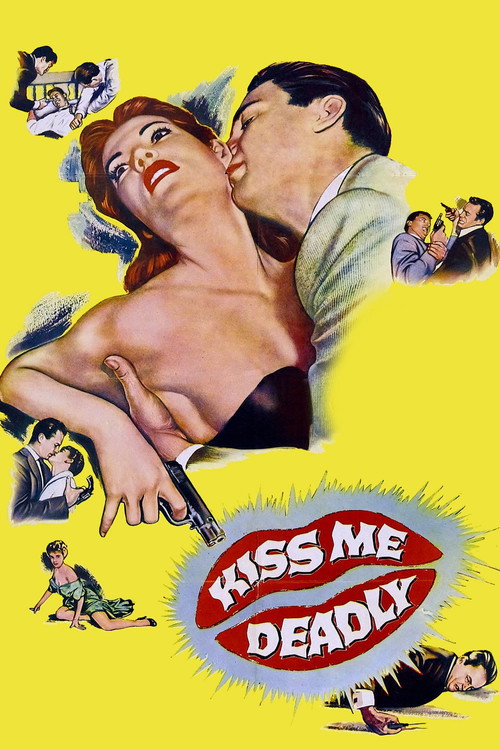
Kiss Me Deadly1955
Aldrich's savage adaptation of Spillane. Corrupt cops, atomic anxiety, and a protagonist you shouldn't root for but do. Visually vicious and weird.
But Misogyny is baked into the material. The finale is genuinely unsettling, not in a fun way.
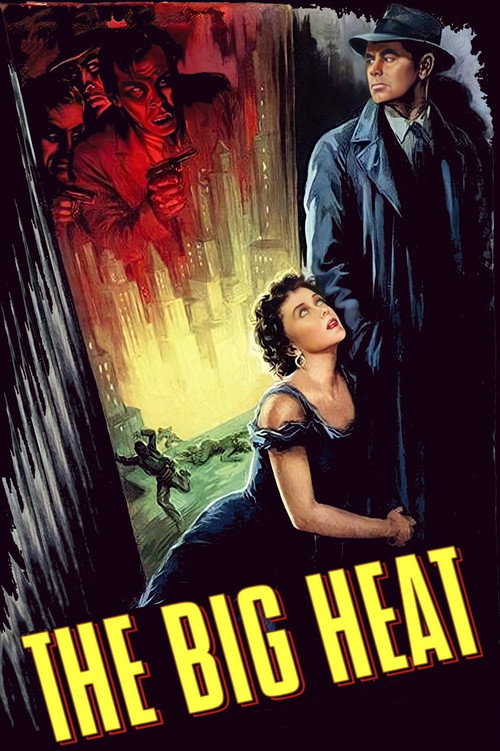
The Big Heat1953
Fritz Lang's revenge noir: a cop's wife is murdered, and his search for justice becomes a descent into brutality. Black-and-white cinematography is gorgeous and cruel.
But The violence can feel gratuitous even for noir. It's also quite bleak, with little light at the end.
The Killers1946
Siodmak's Hemingway adaptation: two hitmen hunt down a boxer, but nothing is what it seems. Burt Lancaster's debut. Elegant, paranoid, structurally inventive.
But The femme fatale plotting can feel contrived. Black-and-white film noir aesthetics won't appeal if you want colour and modernity.

In a Lonely Place1950
Ray's psychological noir about a screenwriter framed for murder. Bogart gives a rare vulnerable performance. The relationship between the leads is genuine and unsettling.
But It's quieter and more introspective than typical noir. The ending is ambiguous in ways that can feel unresolved.

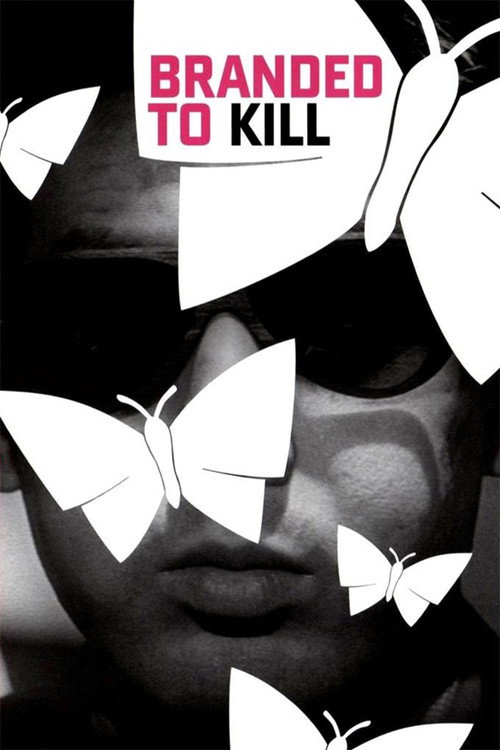
Branded to Kill1967
Both treat crime pursuit as a descent into psychological territory rather than mere procedural. Both ask what happens to a person when law becomes personal.
Seijuku's outlaw yakuza noir is formally experimental and deeply strange: a hitman haunted by the scent of boiled rice. Black-and-white Japanese cinema at its most radical. Hypnotic and violent.
But The plot is deliberately obscure and dreamlike. If you want a conventional narrative, this will frustrate you intensely.
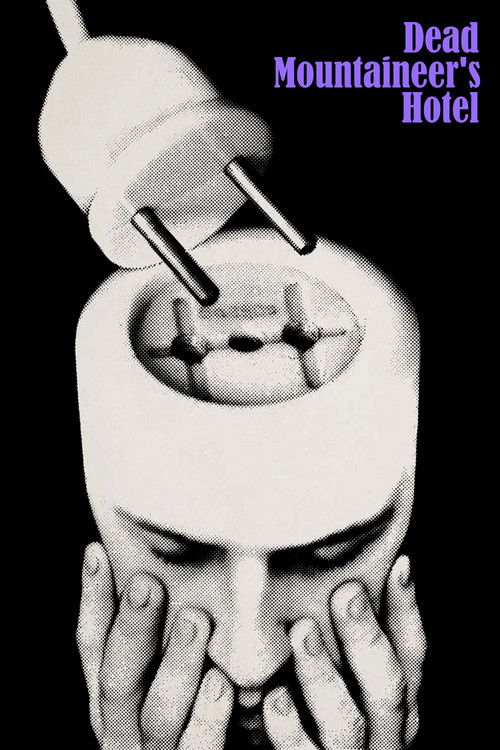
Dead Mountaineer's Hotel1979
Border crossing again—here it's cultural and temporal. An East European film that speaks to the same postwar anxiety about trust and identity that runs through The Big Chase, but filters it through a completely alien aesthetic.
Estonian mystery-thriller: a group snowed in at a hotel in the Caucasus, each a suspect, each hiding something. Psychologically intricate, visually strange, made outside the Hollywood system entirely. A genuine anomaly.
But Subtitled, slow, and set in a locale that may feel remote. The pacing is deliberate; it won't rush you toward answers.
People
Cast
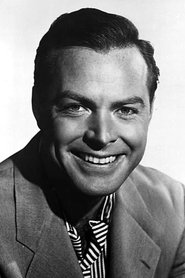 Glenn LanganOfficer Pete Grayson
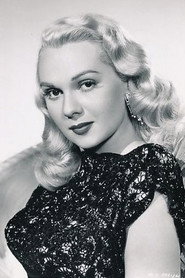 Adele JergensDoris Grayson
 Lon Chaney Jr.Henchman Kip (archive footage) (as Lon Chaney)
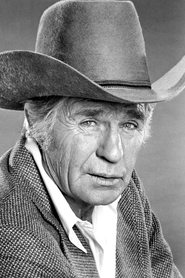 Jim DavisBrad Bellows
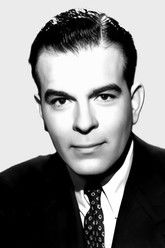 Douglas KennedyPolice Lt. Ned Daggert
- Jay LawrenceJim Miggs
- Jack DalyMonty Nicholas
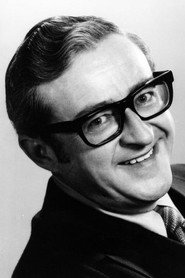 Joe FlynnMilton Graves - Reporter (as Joseph Flynn)
Directing
- Arthur HiltonDirector
Writing
- Fred FreibergerScreenplay
- Orville H. HamptonStory
Production
- Robert L. Lippert Jr.Producer