
Film
Burnt Offerings
- Haunted-house horror
- Very dark
A family rents a sprawling countryside mansion for the summer, only to find it exerts a malevolent influence over them. This 1976 slow-burn horror film trades jump scares for atmosphere and dread, building psychological unease through suggestion and decay. It's for viewers who appreciate supernatural horror that takes its time and trusts you to feel the wrongness creeping in.
If you liked this
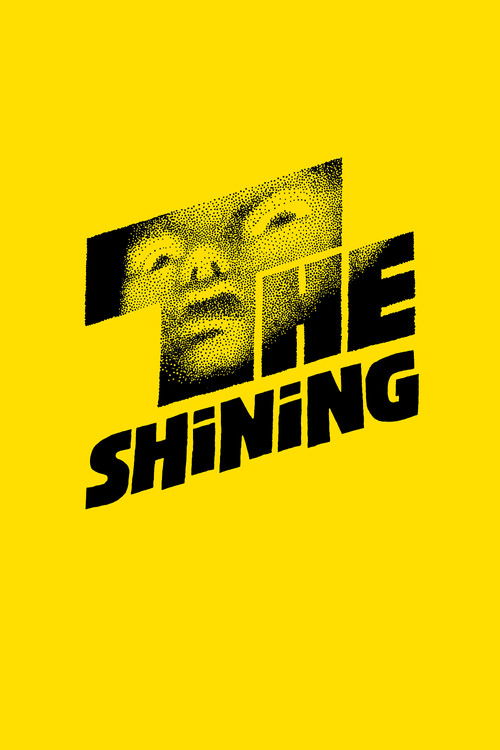
The Shining1980
Kubrick's masterpiece of isolation and corruption in a grand, empty hotel. Like Burnt Offerings, it transforms a building into a character—but with Kubrick's relentless visual precision and Jack Nicholson's descent into madness.
But Three hours long and deliberately paced; some find it glacial and prefer the book's plot coherence over atmosphere.
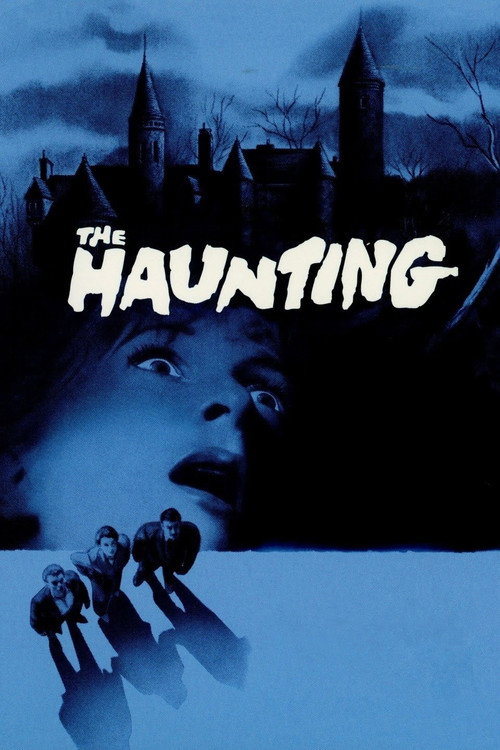
The Haunting1963
Robert Wise's invisible-threat masterpiece proves you don't need gore or spectacle to terrify. Black-and-white cinematography and production design create dread from suggestion, exactly like Burnt Offerings achieves.
But 1963 sensibilities mean slower pacing and dialogue-heavy scenes that can feel stagey to modern audiences.
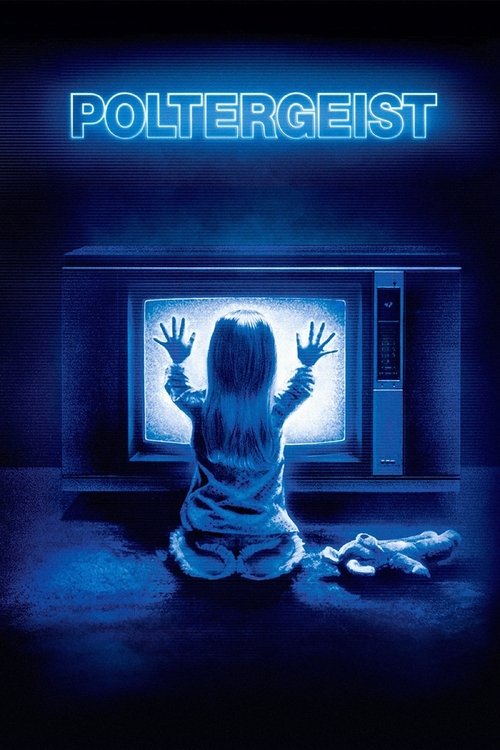
Poltergeist1982
Tobe Hooper's family-versus-house thriller with genuine scares and a production design that makes the ordinary grotesque. Shares Burnt Offerings' focus on how a place corrodes a family from within.
But The child endangerment subplot disturbs some viewers more than the supernatural elements, and the tone shifts toward action-horror by the finale.
Not sure tonight? Get a pick in a minute, starting from Burnt Offerings
The wildcard
Something you would not have found on your own.
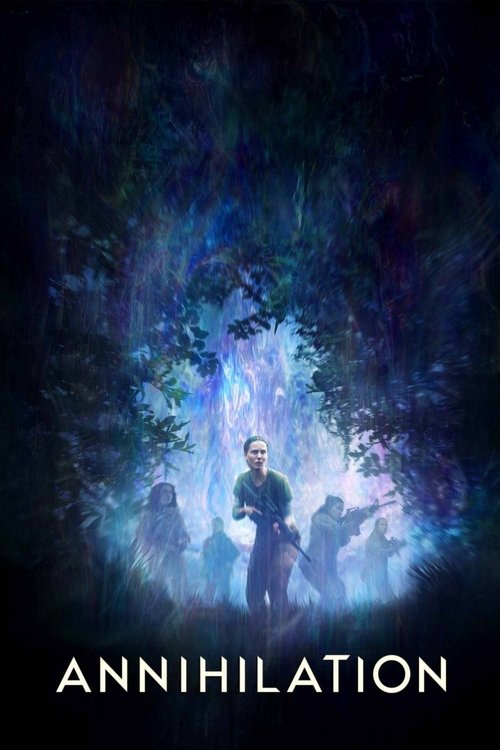
Annihilation2018
Both films use location as an active force that changes people at a cellular level, not through possession but through exposure to something fundamentally alien to human existence.
A shimmer expands across a coastal region, transforming everything it touches into something otherworldly. Like Burnt Offerings, it's about a place that doesn't corrupt through malice but through fundamental wrongness—it rewrites the rules. Atmosphere of creeping existential dread.
But Science fiction not horror; the third act becomes abstract and difficult; if you need clear explanations and resolution, this will frustrate you.
More like this (8)
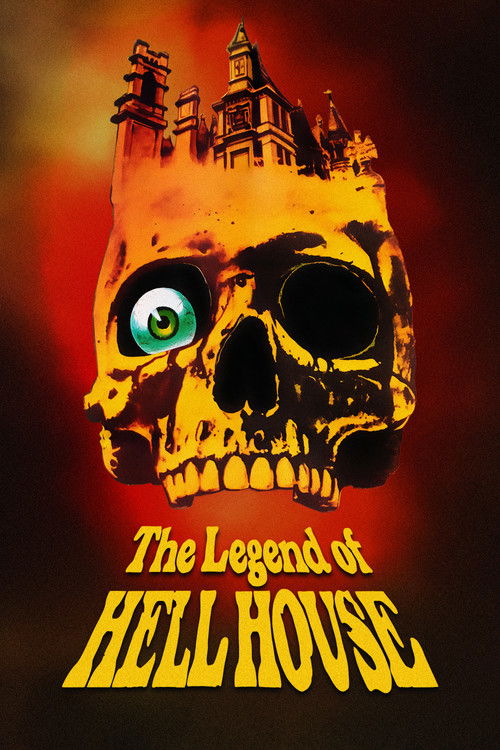
The Legend of Hell House1973
A team investigates a notorious haunted mansion in this supernatural mystery that builds genuine menace. Similar DNA to Burnt Offerings—occult threat, ensemble cast, a house with appetite.
But The 1970s special effects look dated; dialogue-heavy setup means slow burn that won't grip you immediately.
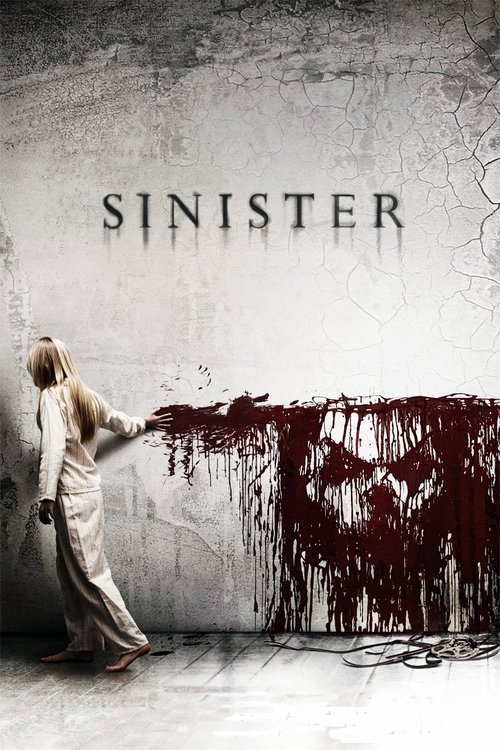
Sinister2012
Ethan Hawke as an obsessed writer uncovering a house's murderous history. Creeps forward methodically, using found footage and atmosphere to create bone-deep unease like Burnt Offerings manages.
But The final act becomes more conventional jump-scare horror; some find the twist undermines the slow-burn dread.
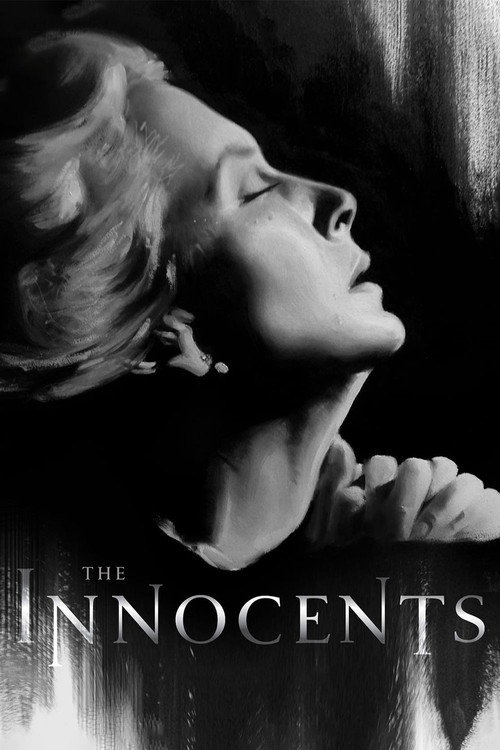
The Innocents1961
Ghostly, ambiguous, and hypnotic adaptation of The Turn of the Screw. Achieves psychological horror through suggestion and visual composition, never showing you the real threat—just the damage it does.
But Extremely slow and oblique; you must surrender to its mood or it feels like nothing happens for two hours.
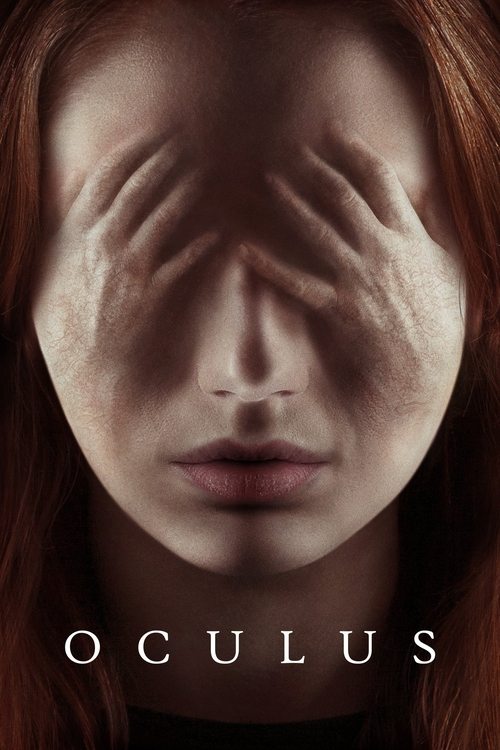
Oculus2014
Mike Flanagan's inventive supernatural thriller about a mirror corrupting a family. Uses a building's malevolent influence to explore trauma and compulsion, with Burnt Offerings' psychological dimension.
But Deliberately confusing narrative structure; you spend much of it unsure what's real, which some find frustrating rather than clever.
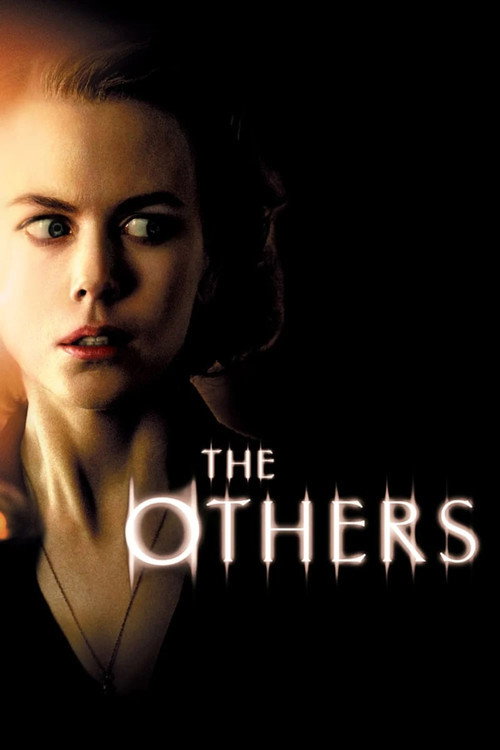
The Others2001
Nicole Kidman trapped in a fog-shrouded mansion with her two photosensitive children and mysterious servants. Atmosphere and tension build with Burnt Offerings' patience, rewarding attention to detail.
But The twist ending, while satisfying, is the film's main payoff; a rewatch loses impact once you know it.
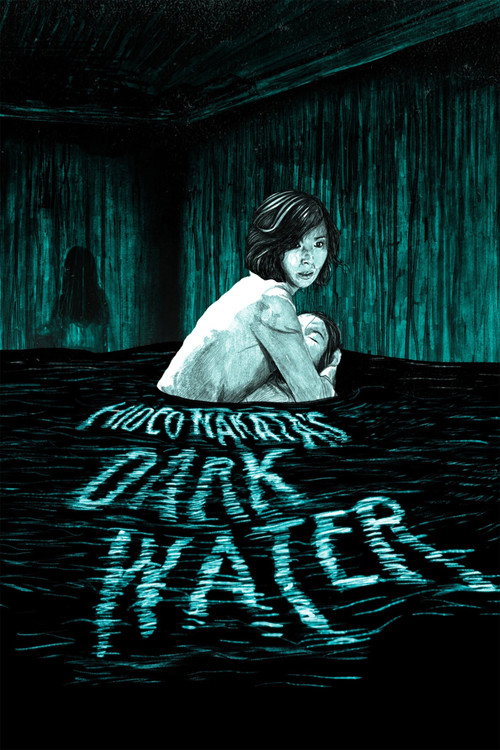
Dark Water2002
Hideo Nakata's adaptation about a mother and daughter in a deteriorating apartment haunted by malevolent water. Uses location decay as character like Burnt Offerings, with Japanese horror's particular unease.
But Subtitles; pacing slower than Western audiences expect; the haunting is less about scares than suffocating inevitability.
The Wailing2016
Both films locate horror in uncertainty and the family's inability to protect itself, treating the supernatural threat as an invasion of a safe space that forces terrible choices.
A Korean village faces supernatural plague and moral ambiguity when a mysterious stranger arrives. Three hours of building paranoia and dread where the real horror might be human, might be supernatural, might be both. Completely gripping and philosophically disturbing.
But Subtitled; extremely long; the ending deliberately refuses to answer what you most want to know, leaving interpretation to you.

Stalker1979
Both treat an environment as a mirror that reveals and amplifies what people most desire and fear, making the location the true antagonist of the interior life.
Andrei Tarkovsky's meditative sci-fi film about guides escorting people through a mysterious zone to reach a room that grants wishes. Impossibly slow, visually hypnotic, creates dread through philosophical weight rather than plot. The zone itself—like the house—is a character that corrupts desire.
But Soviet science fiction; 160 minutes of philosophical dialogue with minimal plot; if you need narrative momentum or clear answers, this is a test of patience rather than entertainment.

People
Cast
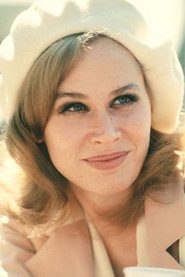 Karen BlackMarian Rolf
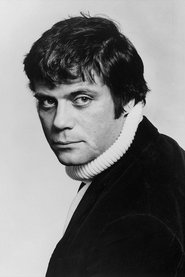 Oliver ReedBen Rolf
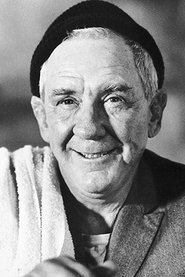 Burgess MeredithArnold Allardyce
 Bette DavisAunt Elizabeth
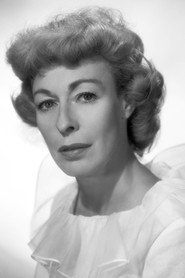 Eileen HeckartRoz Allardyce
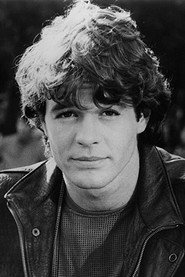 Lee MontgomeryDavid 'Davey' Rolf
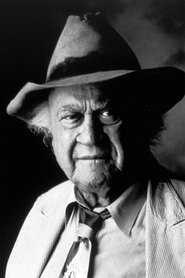 Dub TaylorWalker
- Joseph RileyBen's Father
- Todd TurquandYoung Ben
- Orin CannonMinister
- Jim MyersDr. Ross
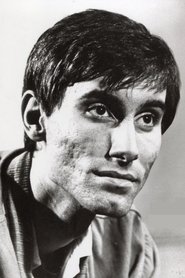 Anthony JamesThe Chauffeur
Directing
- Dan CurtisDirector
- Howard GraceFirst Assistant Director
- Alan GreedyScript Supervisor
- Stephen LimSecond Assistant Director
Writing
- Robert MarascoNovel
- Dan CurtisScreenplay
- William F. NolanScreenplay
Production
- Robert SingerAssociate Producer
- Linda OttoCasting
- Alberto GrimaldiProducer
- Dan CurtisProducer
Recommended by
The Watcher in the Woods, The Beguiled, Don't Be Afraid of the Dark