
Film
Don't Be Afraid of the Dark
A 1973 TV movie about a young woman terrorized by tiny, malevolent creatures living in her inherited mansion. It's genuinely unsettling rather than jump-scary—a slow-burn creep-out that lets dread accumulate. For anyone who finds the mundane spaces of home suddenly sinister, or who appreciates '70s television doing proper horror on a shoestring budget.
If you liked this
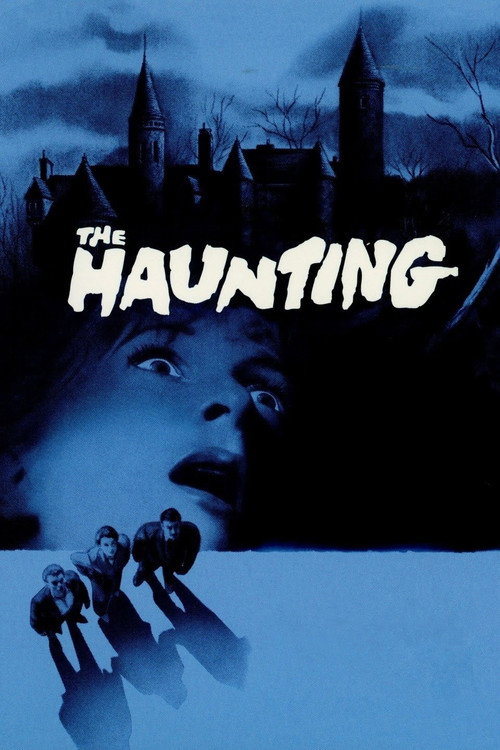
The Haunting1963
A masterclass in psychological horror that trusts atmosphere over spectacle. Like Dark, it finds terror in suggestion and the slow erosion of safety within four walls.
But Black-and-white and deliberately paced—if you need constant action or color, this will feel glacial.
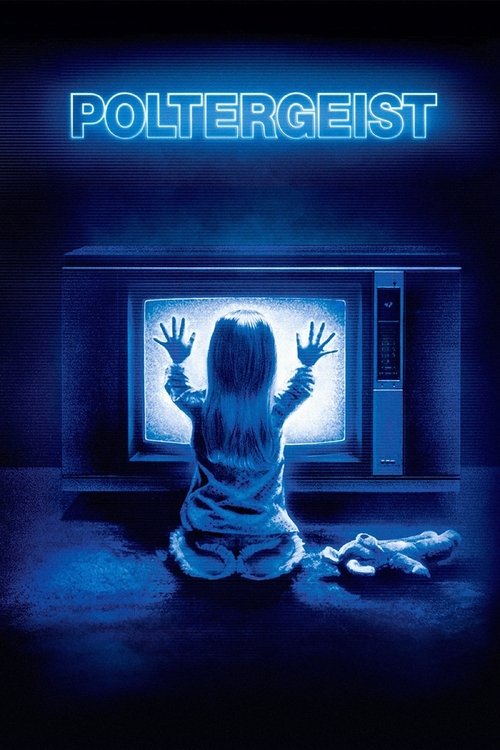
Poltergeist1982
Spielberg-produced haunted-house film with similar DNA: domestic spaces invaded by supernatural hostility, a woman at the center, mounting dread. Bigger budget, same nightmare logic.
But The child-in-danger subplot and a few dated effects choices haven't aged as gracefully as the best of it.
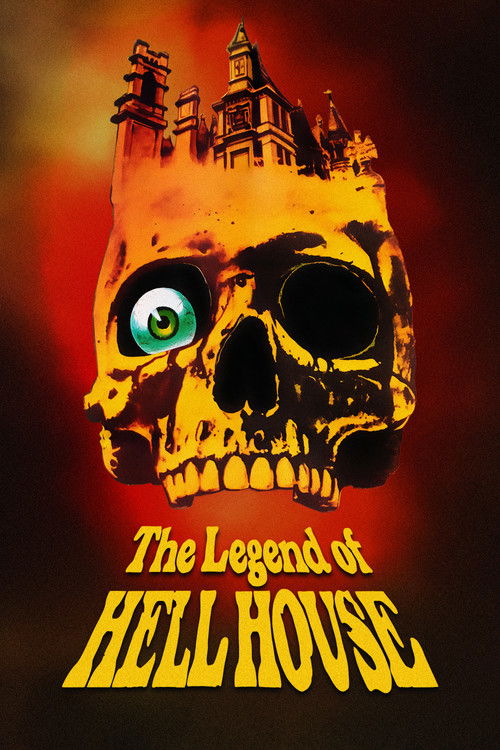
The Legend of Hell House1973
Released the same year, equally interested in slow-building unease and the psychology of haunting. A team of investigators in a genuinely wrongful house. Methodical and chilling.
But More intellectual than visceral—some find the philosophical arguments overshadow the scares.
Not sure tonight? Get a pick in a minute, starting from Don't Be Afraid of the Dark
The wildcard
Something you would not have found on your own.
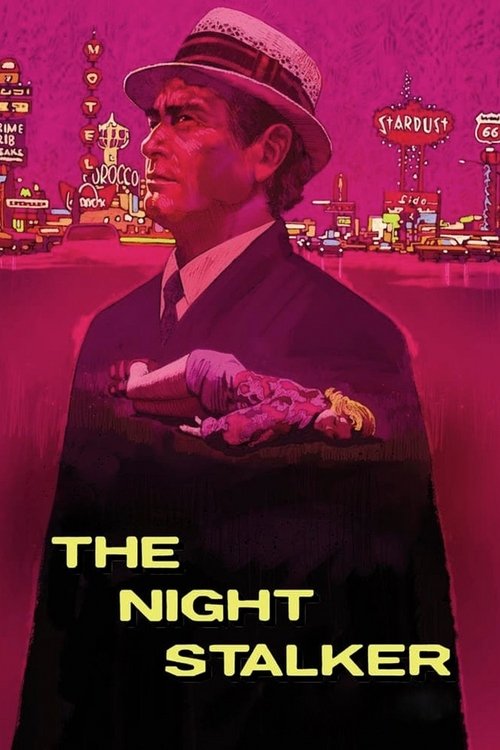
The Night Stalker1972
Both prove that '70s television horror was a genuinely artful enterprise, not a budget compromise. Watching how these shows worked teaches you why Dark still works.
A loving documentary about the '70s TV series that shares Dark's DNA: low-budget, high-atmosphere horror made by believers. Interviews with writers and producers reveal how to make something genuinely eerie on a shoestring.
But For true fans only—requires knowing the show already, and is more interesting as context than as entertainment on its own.
More like this (8)
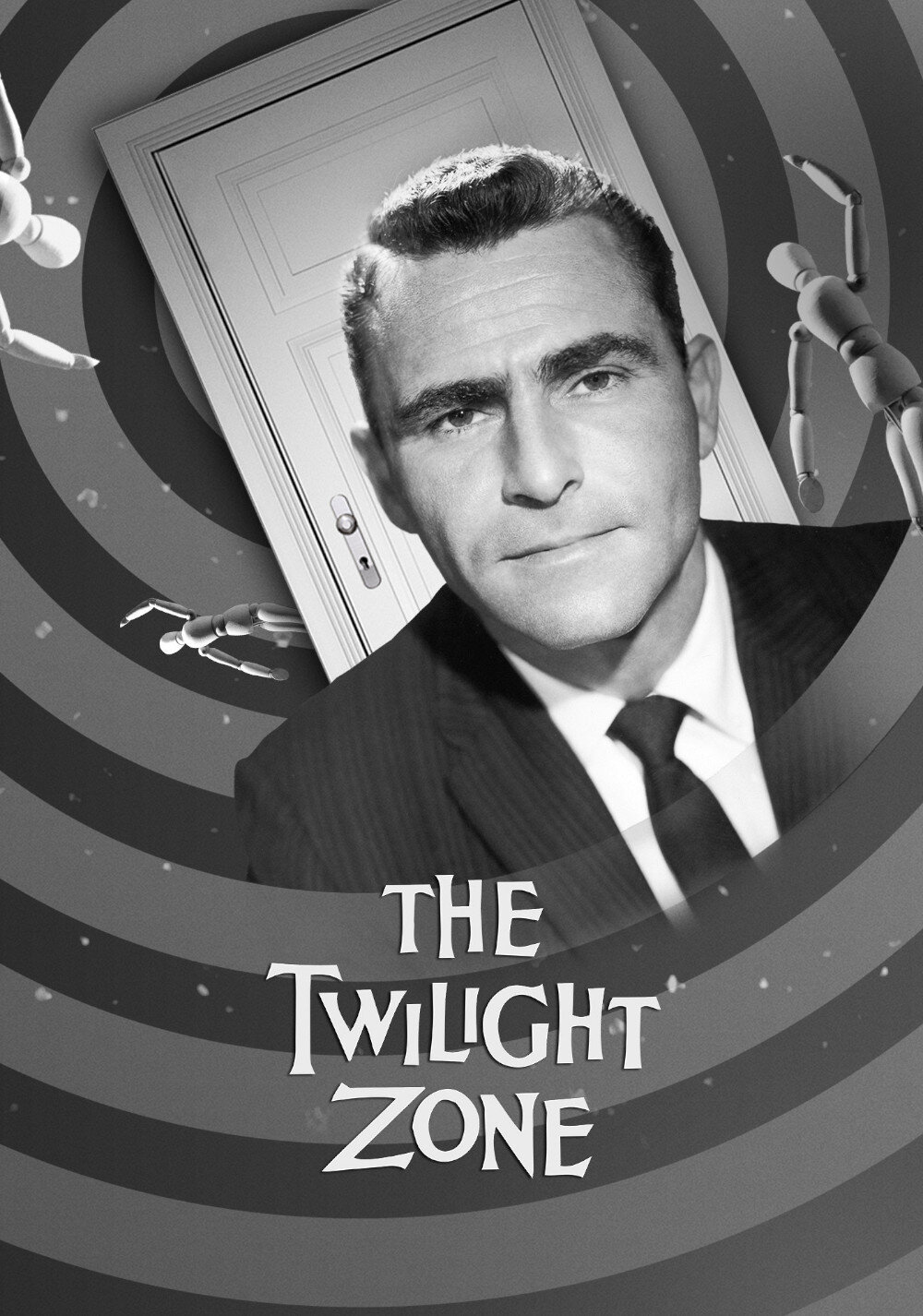
The Twilight Zone1959
The spiritual ancestor of '70s TV horror. Standalone stories that find the uncanny in ordinary life. The tonal DNA of Dark runs straight back here.
But Some episodes misfire, and the twist-ending format can feel repetitive if watched in long stretches.
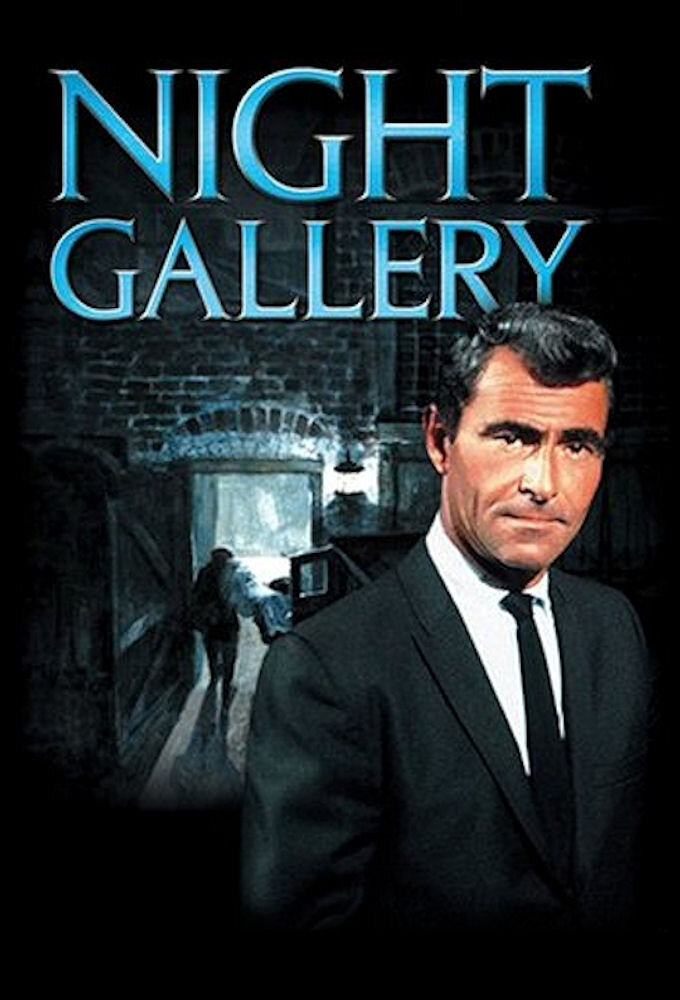
Night Gallery1969
Rod Serling's darker, weirder follow-up to Twilight Zone. Grotesque and atmospheric in ways that influenced everything that came after, including Dark.
But Wildly uneven—some segments are brilliant, others are forgettable. The framing device wears thin.
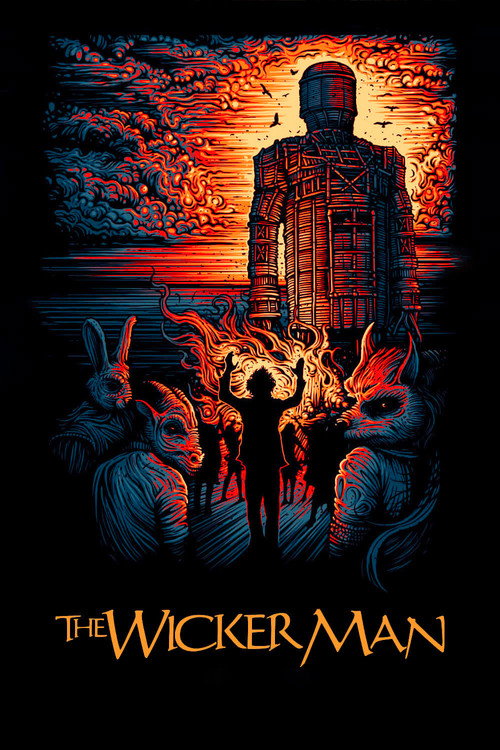
The Wicker Man1973
Another '73 gem: isolation, ritual, mounting dread, and a community built on something fundamentally wrong. The sense of inescapable wrongness mirrors Dark's trap.
But Slow-burn detective plot that some find dull; the horror is existential rather than immediate.
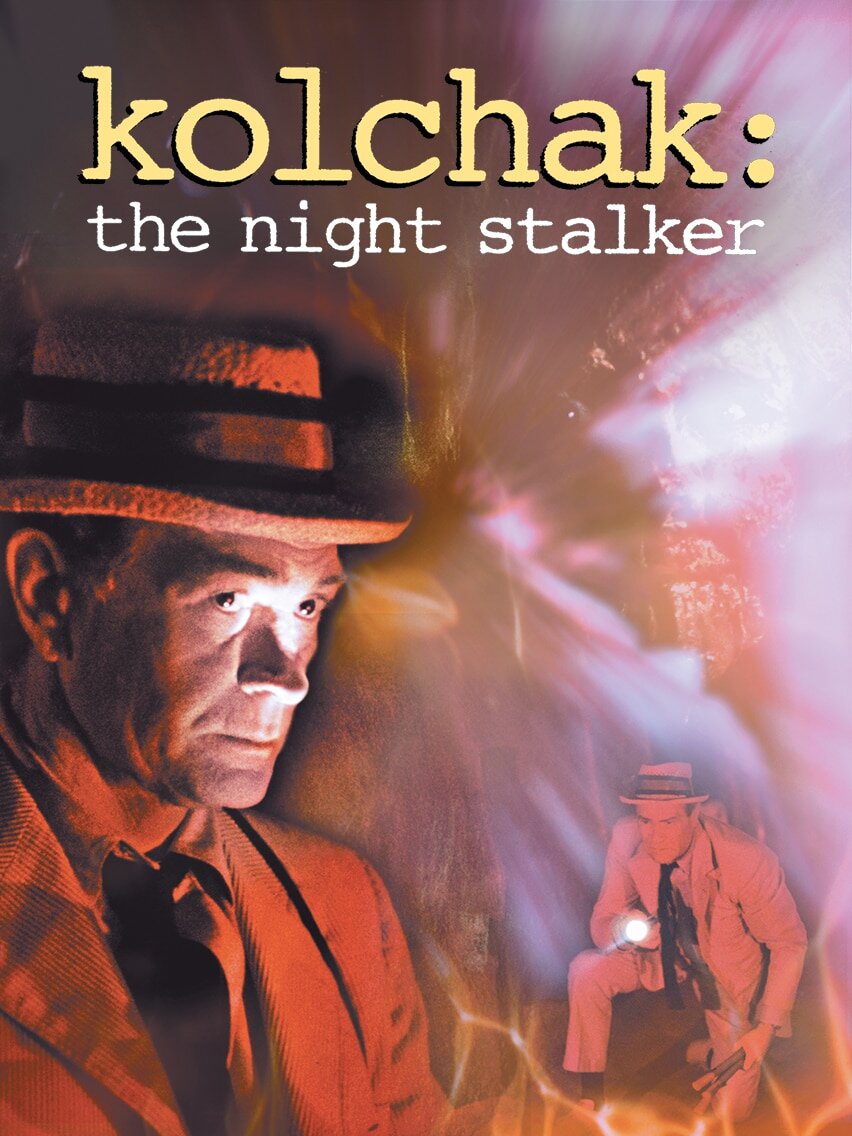
Kolchak: The Night Stalker1972
A reporter investigating the genuinely weird. Each episode finds something uncanny lurking in the everyday world, with the same TV-movie sincerity that makes Dark work.
But Episodic format means no building momentum, and the effects are deliberately cheap in ways that can look silly.
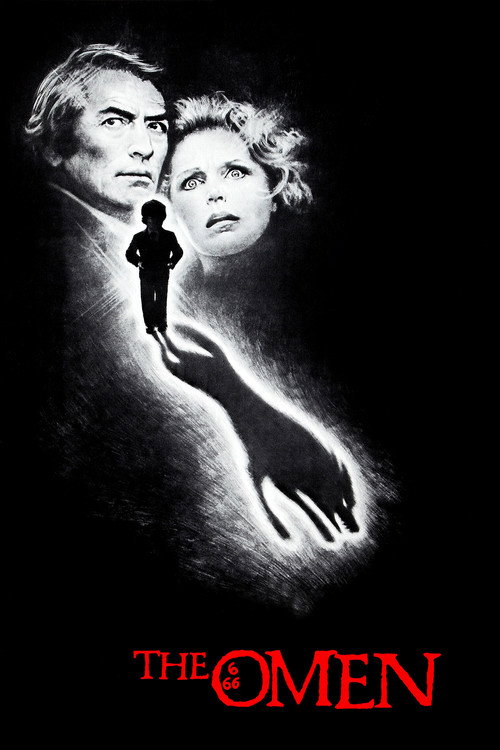
The Omen1976
A child at the center of something monstrously wrong, mounting signs ignored until too late. That same creeping inevitability, that same sense of homes as battlegrounds.
But Much bigger, louder, and more operatic than Dark—if you want subtlety, this trades it for spectacle.
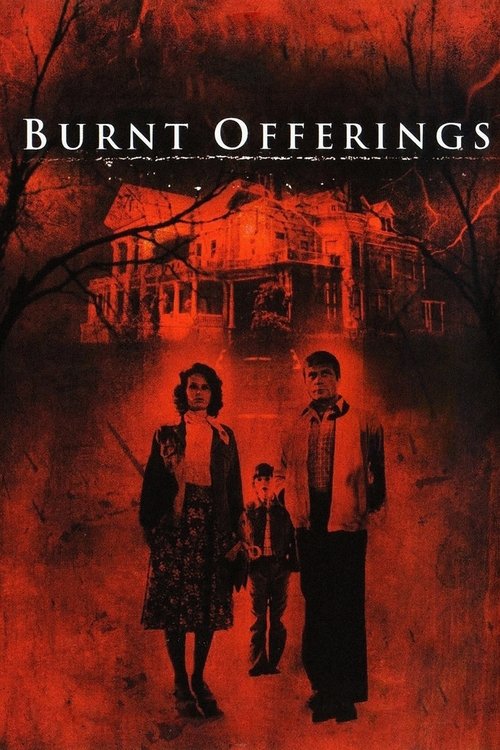
Burnt Offerings1976
A family renting a house that quietly poisons their marriage and sanity. Paranoid, slow, and fascinated by how spaces can corrupt the people in them.
But Genuinely depressing and mournful—not scary-fun, but emotionally draining in a way that some find punishing rather than rewarding.
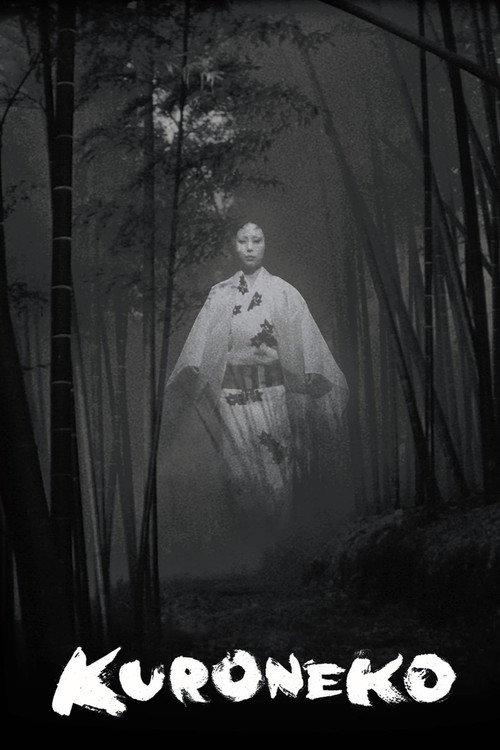
Kuroneko1968
Both understand that the most unsettling horror is psychological and quiet, where threat accumulates through atmosphere rather than action. Both treat their monsters as prisoners of circumstance.
A Japanese ghost film about the boundary between worlds, between the living and the dead—two women transformed into vengeful spirits. Shot in stark black-and-white with a dreamlike inevitability, it finds horror in beauty rather than gore.
But Slow, painterly, and culturally specific; without patience for its rhythm and philosophy, it plays as opaque or boring.
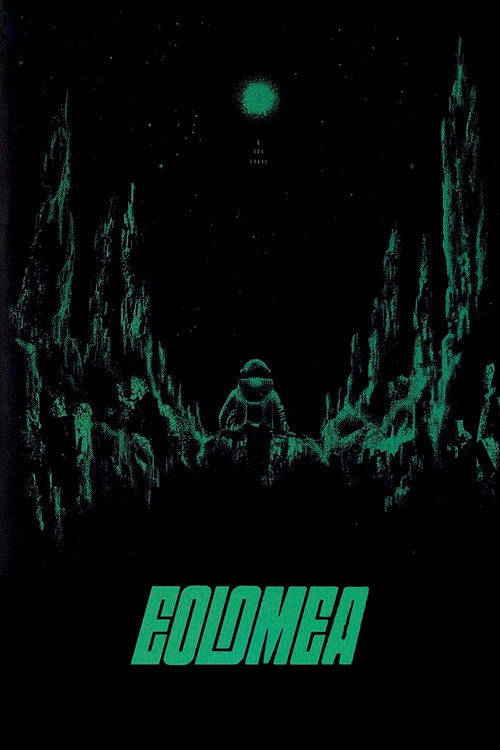
Eolomea1972
Both trap their protagonists in a space designed to drain them, both explore what it means to be surrounded by something fundamentally hostile, both use isolation as a weapon. Same nightmare from different worlds.
A brilliant, nearly forgotten Hungarian sci-fi film: a woman alone in a space station, isolated and slowly diminished by her surroundings. Bleak, hypnotic, and genuinely disorienting in ways that remake what 'horror' means.
But Experimental, slow, and offers no comfort—a film that doesn't so much scare as exhaust. Not for anyone seeking plot or conventional narrative satisfaction.
People
Cast
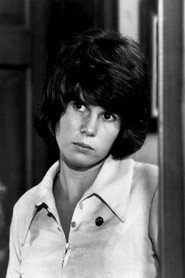 Kim DarbySally Farnham
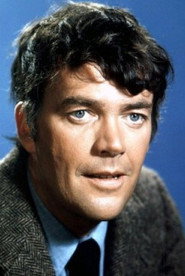 Jim HuttonAlex Farnham
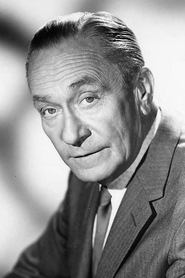 William DemarestMr. Harris
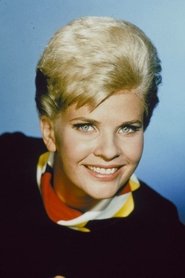 Barbara AndersonJoan Kahn
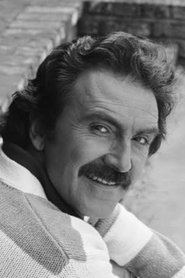 Pedro Armendáriz Jr.Francisco Perez
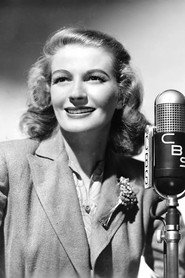 Lesley WoodsEthyl
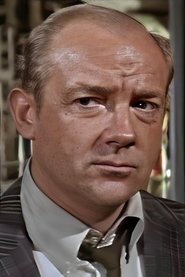 Robert CleavesDoctor
- Sterling SwansonPoliceman
- Joel LawrenceGeorge Kahn
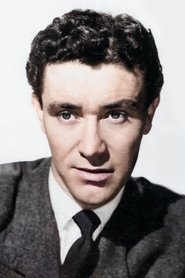 William SylvesterTom Henderson
- Don MallonBob
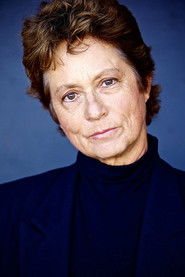 Celia MiliusAnne
Directing
- John NewlandDirector
Writing
- Nigel McKeandWriter
Production
- Neil T. MaffeoAssociate Producer
- Hoyt BowersCasting
- Lee RichExecutive Producer
- Allen S. EpsteinProducer