
Film
The Night Stalker
Other titles called The Night Stalker: the 2016 film.
A wisecracking Las Vegas reporter notices something the police won't: the serial murders follow a vampire's pattern. Armed only with scepticism, bad puns, and dogged reporting, Carl Kolchak becomes the only person who knows what's really hunting. This is fun—snappy dialogue, genuine creepiness, and a hero who's clever enough to be a foil for the supernatural.
Should you watch it?
Watch it if you love a wisecracking, shoe-leather newspaper hero who keeps chasing a story nobody believes, with the creepy-small-town-mystery pleasure of early seventies TV horror.
Skip it if you need slick modern effects or a fast, constantly escalating plot, since this 1972 made-for-TV picture moves at a leisurely pace and its scares are modest by today's standards.
What it asks of you: About seventy-five minutes of patience with a talky, deliberate build-up, then a lean, tidy payoff; you give it steady attention and a tolerance for dated television craft.
Not sure? Find tonight's pick in a minute.
If you liked this
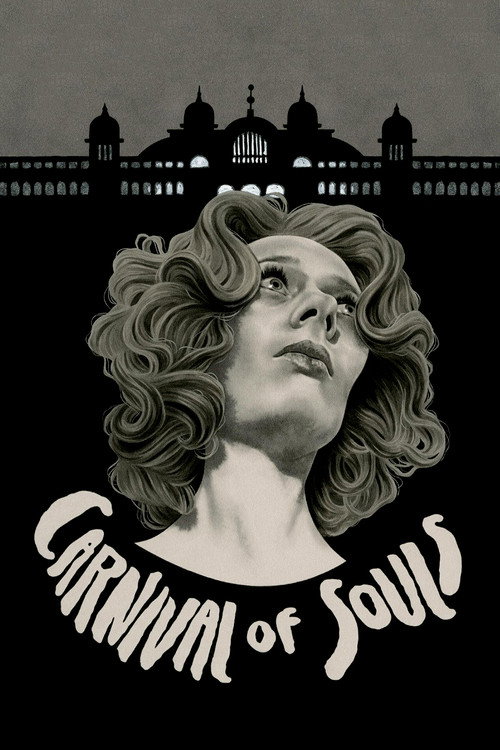
Carnival of Souls1962
A low-budget phantom story with real texture and dread, built on atmosphere rather than effects. The lead—a woman haunted by something just out of frame—has the same dogged, lonely investigation as Kolchak, but played straight and deeply unsettling.
But Slow by modern pacing standards. The black-and-white photography, though beautiful, won't appeal if you need constant motion or reassurance.
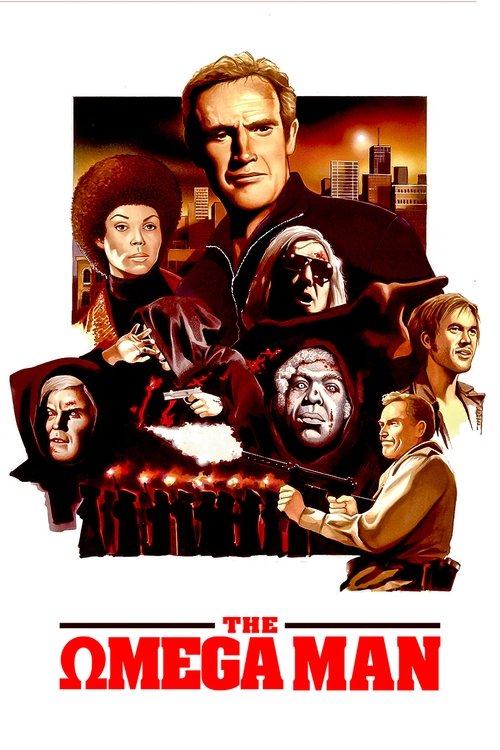
The Omega Man1971
Charlton Heston alone in Las Vegas with mutated survivors hunting him. It's got that same balance—a wry hero trapped in a thriller, pulp premise grounded with genuine tension, and a protagonist who has to survive by his wits rather than weapons.
But The dated approach to what 'post-apocalyptic' means might feel quaint. Heston's performance is broad, and the social commentary hasn't aged as gracefully as the basic tension.
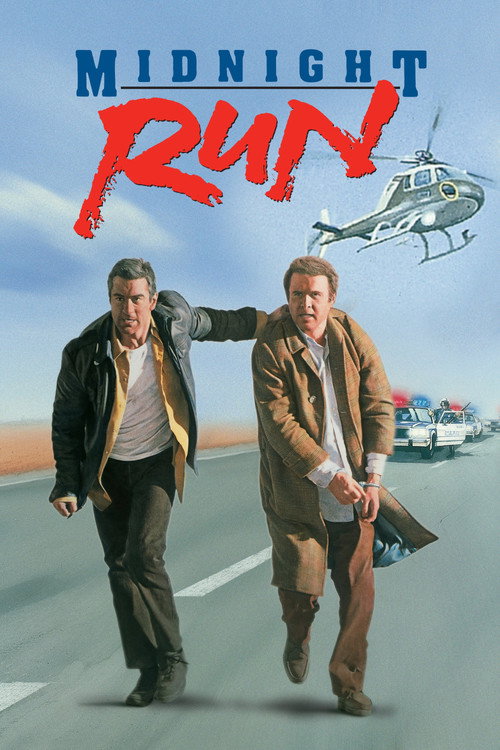
Midnight Run1988
Robert De Niro and Charles Grodin as a burnt-out bounty hunter and his reluctant fugitive, trading barbs across America. The buddy chemistry, the cynical humour, the way the lead talks his way through situations—it's the spiritual heir to Kolchak's energy.
But It's a buddy comedy-thriller, not a horror story. The stakes feel lighter, and if you came for the supernatural, you won't find it.
Not sure tonight? Get a pick in a minute, starting from The Night Stalker
The wildcard
Something you would not have found on your own.
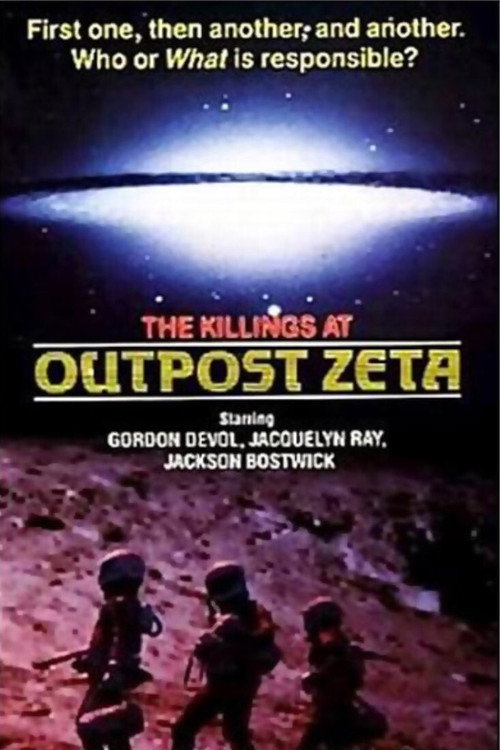
The Killings at Outpost Zeta1980
Both are tight, wisecracking-against-the-irrational stories about someone right in the face of bureaucratic blindness. The reporter and the soldier are different registers of the same argument: authority doesn't want to believe, so the vulnerable die.
A military sci-fi TV movie where soldiers at a remote base are stalked and killed by something unknown. It transposes Kolchak's structure—one man's growing certainty against official denial—into a hermetic, paranoid setting. Excellent paranoia and real stakes.
But Made for television in 1980; the visual quality is poor and the budget constraints show. The pacing drags in the middle section.
More like this (6)
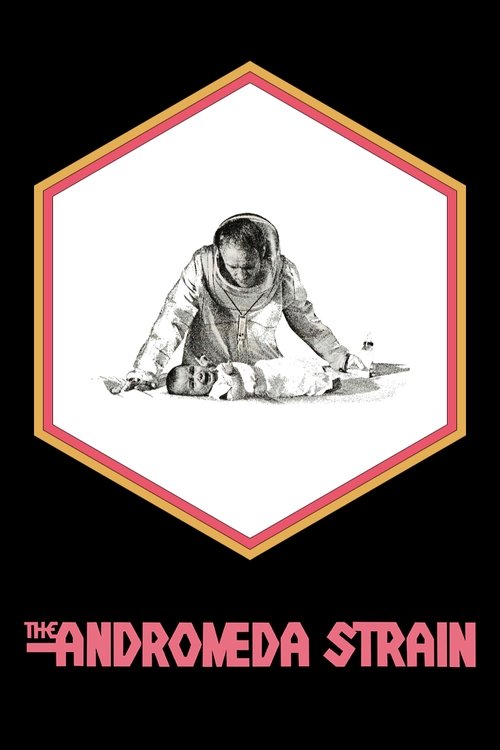
The Andromeda Strain1971
Scientists race to understand an alien microorganism before it destroys them. It's procedural and deliberately constructed, driven by smart people asking the right questions and taking each other seriously while the threat escalates methodically.
But Deliberately paced and scientifically minded. It's intellectual rather than visceral; if you want scares instead of ideas, you'll be underwhelmed.
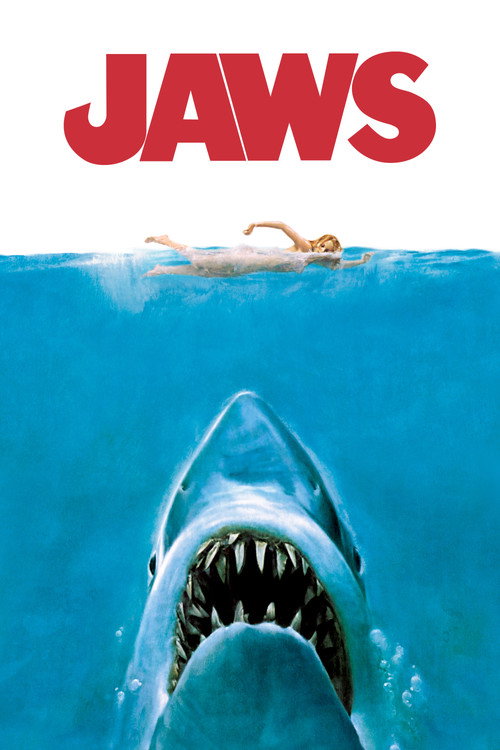
Jaws1975
A mechanical shark stalking a resort town while bureaucrats deny the danger. Spielberg builds tension methodically, and the dynamic between Brody (the outsider), Hooper (the expert), and Quint (the believer) echoes Kolchak's struggle against official indifference.
But It's a thriller first and foremost, not horror. The mechanical shark shows its limits, and if you're watching for fear, you might find it more entertaining than frightening.
The Twilight Zone1959
Smart, punchy teleplays that twist familiar settings into something wrong. Like Kolchak, it respects the premise and the audience's intelligence, delivering genuine supernatural dread in twenty-five minutes.
But The '50s sensibility feels quaint. Quality varies episode to episode, and some of the social commentary reads as dated even for the era.

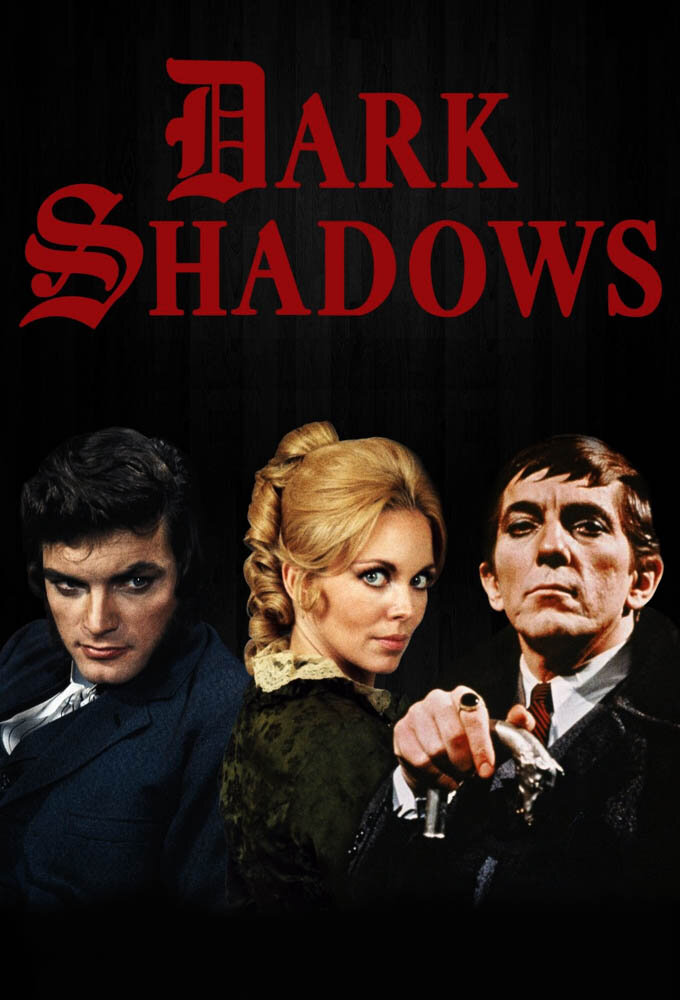
Dark Shadows1966
A Gothic soap opera where a vampire surfaces in modern-day New England and everything collapses into intrigue and horror. The earnestness with which it treats vampire lore alongside everyday melodrama has the same tonal balance Kolchak nails.
But It's a daily soap, so it's sprawling and repetitive. The live-television feel means technical mess, and the vampire doesn't show up until partway through the first season.
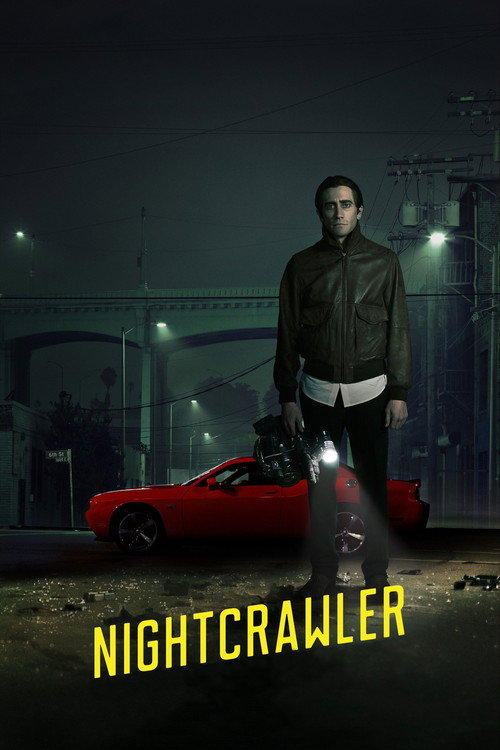
Nightcrawler2014
Both are about hunters chasing stories in the dark, but where Kolchak hunts vampires with integrity, Lou hunts footage for profit. They're the same archetype inverted: one asks 'what is this?', the other asks 'how can I use this?' The connection is the inversion.
Jake Gyllenhaal as Lou Bloom, a freelance videographer who hunts crime scenes for footage to sell to news stations. It's a modern Kolchak: an obsessive, ambitious outsider who sees what others miss, exploiting the system's hunger for the story. Tense, darkly funny, and morally complex.
But Much darker and more cynical than the film. It takes the fun out of Kolchak's world and asks harder questions about ambition and exploitation. Not a thriller first—a character study.
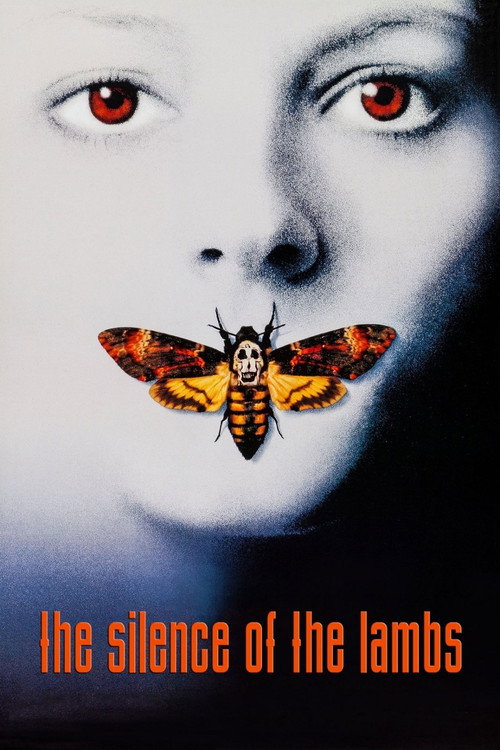
The Silence of the Lambs1991
Both are about outsiders with specialized knowledge hunting something that official channels refuse to acknowledge. But where Kolchak is a wisecracking optimist, Clarice is a trauma survivor in a system designed to chew her up. They're the same premise with opposite emotional weights.
A junior FBI agent tracks a serial killer with help from an imprisoned cannibal psychiatrist. Like Kolchak, it's a procedural powered by one person's refusal to accept conventional wisdom, by good dialogue between adversaries, and by treating the hunt as a chess match between sharp minds.
But Intensely psychological and graphic. It's a serious film about serious harm; there's no humour and no lightness. If you want Kolchak's levity, this will feel like a betrayal.
People
Cast
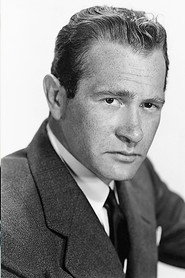 Darren McGavinCarl Kolchak
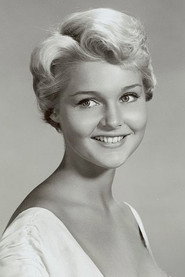 Carol LynleyGail Foster
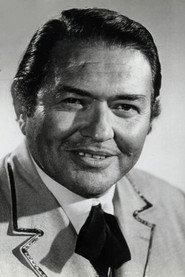 Simon OaklandTony Vincenzo
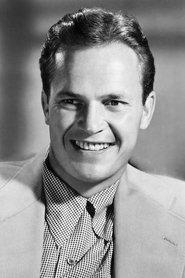 Ralph MeekerBernie Jenks
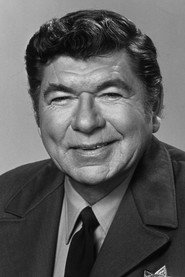 Claude AkinsSheriff Warren A. Butcher
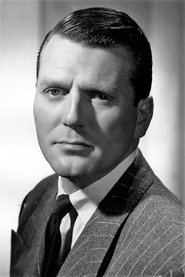 Charles McGrawPolice Chief Ed Masterson
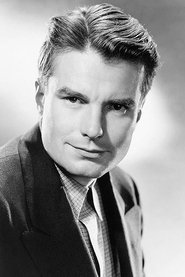 Kent SmithDistrict Attorney Tom Paine
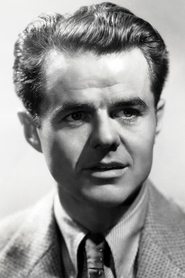 Elisha Cook Jr.Mickey Crawford
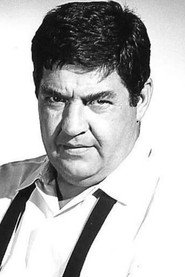 Stanley AdamsFred Hurley
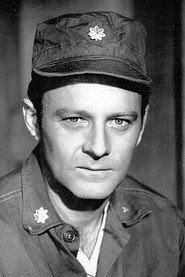 Larry LinvilleDr. Robert Makurji
 Jordan RhodesDr. John O'Brien
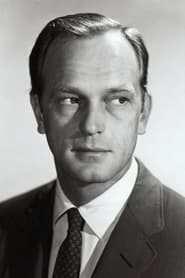 Barry AtwaterJanos Skorzeny
Directing
- John Llewellyn MoxeyDirector
Writing
- Jeffrey Grant RiceNovel
- Richard MathesonTeleplay
Production
- Hoyt BowersCasting
- Dan CurtisProducer
Recommended by
The Strain, Beauty and the Beast, Werewolf, Y Gwyll, The Dead Zone, Miss Bala, Friday the 13th: The Series, Dark Shadows, Banacek, Tales from the Darkside, Destination Moon, Early Edition, BuzzFeed Unsolved: Supernatural, Destination Truth, The Fog, Kidnapped, The Sweeney, Sapphire and Steel, Subspecies, Beyond Belief: Fact or Fiction, C.I.D., The Outer Limits, Justice League Dark, Fantasy Island, Dead Heat, Poltergeist: The Legacy, The Sixth Sense, Don't Be Afraid of the Dark