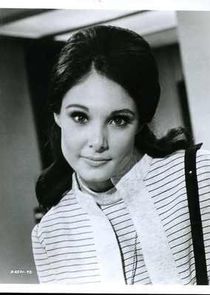
Television series
The Sixth Sense
Other titles called The Sixth Sense: the 1999 film.
- Fantasy
- Supernatural mystery
- Dip in and out
Rod Serling's lesser-known follow-up to The Twilight Zone. A parapsychologist investigates genuine supernatural cases with scientific rigor, treating ghosts and hauntings as mysteries to solve rather than merely witness. It's thoughtful, atmospheric, and genuinely eerie—made for viewers who want their weird stuff grounded in character and consequence.
If you liked this
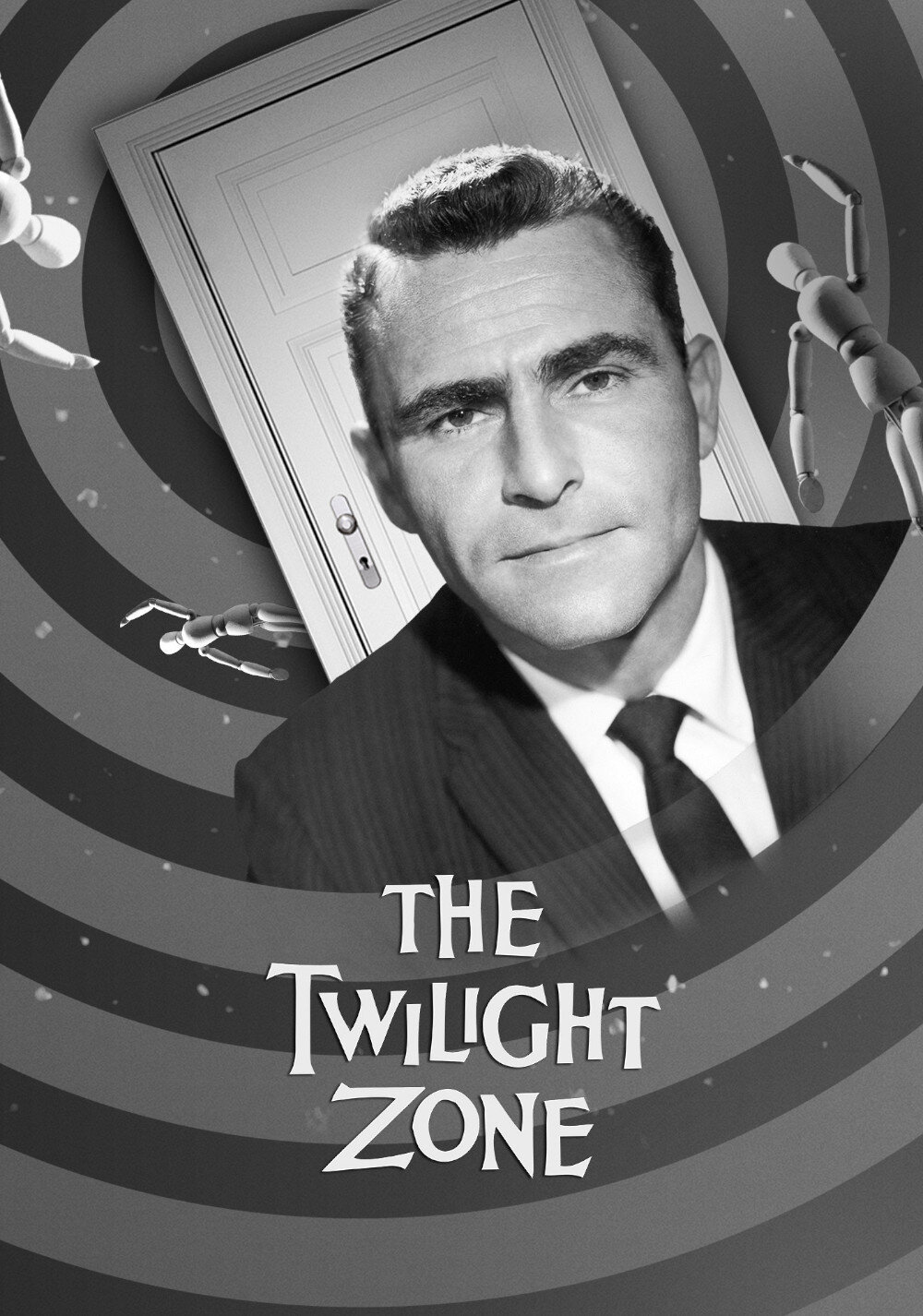
The Twilight Zone1959
The obvious predecessor, but sharper and more darkly comic. Each episode pivots on a single idea executed with surgical precision. Essential viewing if you love Serling's voice and the format that made him famous.
But Some episodes are dated in their assumptions, and the pacing can feel theatrical rather than cinematic. Not every twist lands.
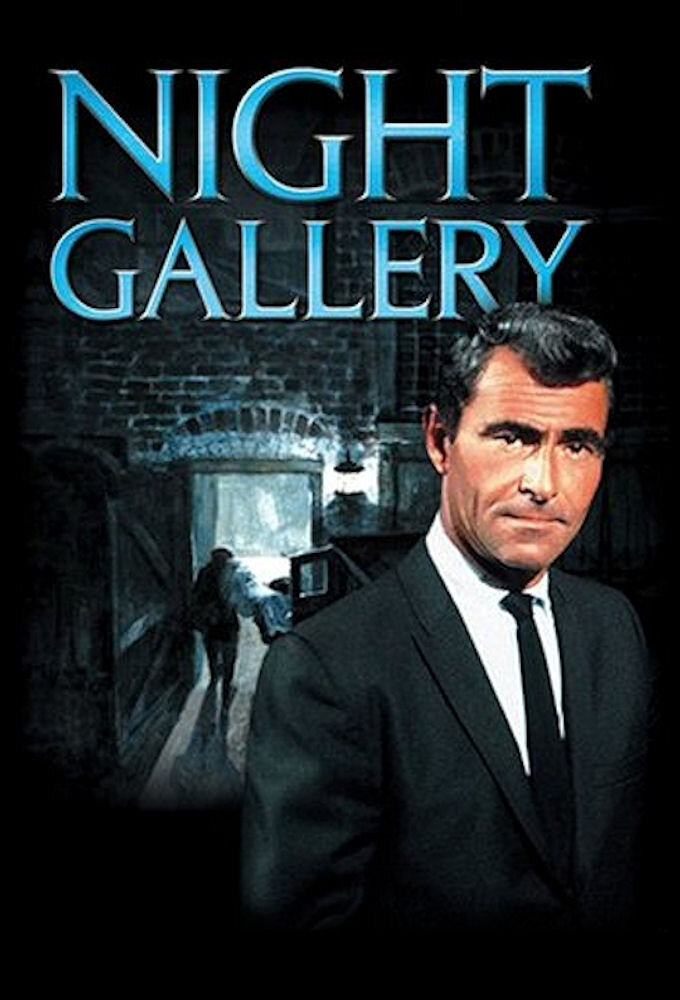
Night Gallery1969
Serling's other supernatural anthology, more visual and painterly than Twilight Zone. Stories of art, obsession, and the grotesque, with an occult edge that Six Sense shares. Wonderfully strange and dark.
But Uneven quality across episodes, and some segments feel more like blackout sketches than full narratives. The framing device can be intrusive.
Tales from the Darkside1984
An anthology that follows Twilight Zone's template but with a genuinely modern sensibility and real gore. Stories are wickedly inventive and often cruel. Each one sticks with you.
But The low budget shows, and not always in a charming way. Some episodes prioritize shock over substance.
Not sure tonight? Get a pick in a minute, starting from The Sixth Sense
The wildcard
Something you would not have found on your own.
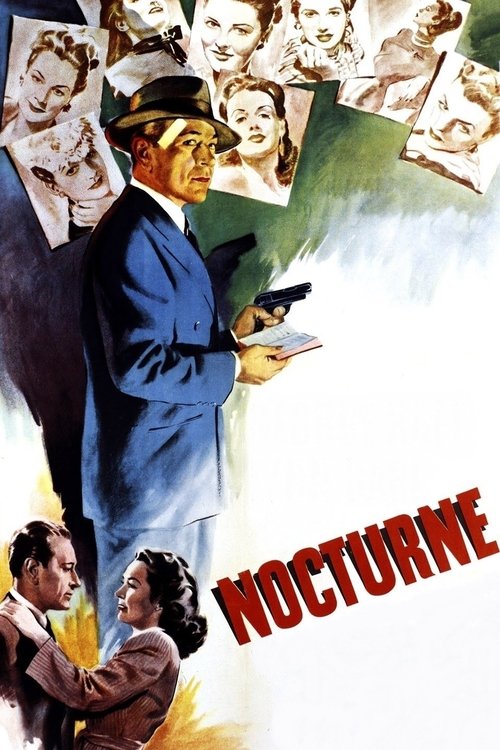
Nocturne1946
Both use parapsychology and the supernatural as frameworks for exploring grief and obsession. The investigator here is a man haunted by a question he can't answer—same emotional core as Sixth Sense's cases.
A film noir about a jazz musician haunted by a dead composer's ghost. It's stylish, melancholy, and treats the paranormal with noir's fatalism rather than gothic camp. Moody and deeply atmospheric.
But It's slight and dreamlike rather than plot-driven. If you want answers and clarity, the ambiguity will frustrate you.
More like this (6)
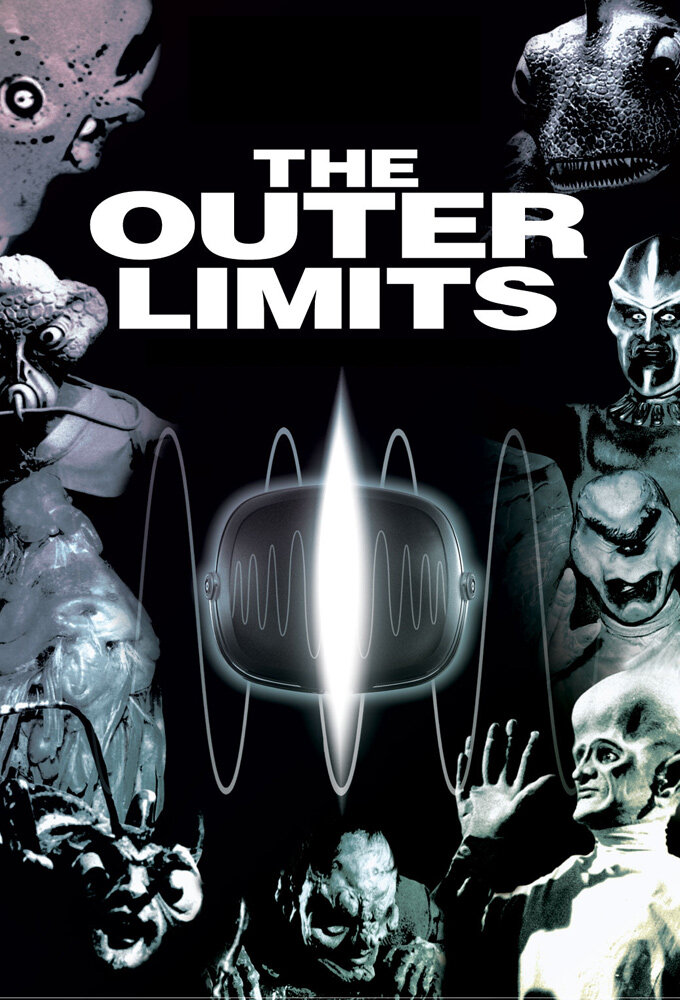
The Outer Limits1963
Sci-fi anthology with Twilight Zone's DNA but its own visual style. Often ventures into horror and the paranormal. Ambitious, weird, and willing to let ideas run strange.
But Pacing can drag, especially in longer episodes. Special effects are of their era, which some find distracting rather than atmospheric.
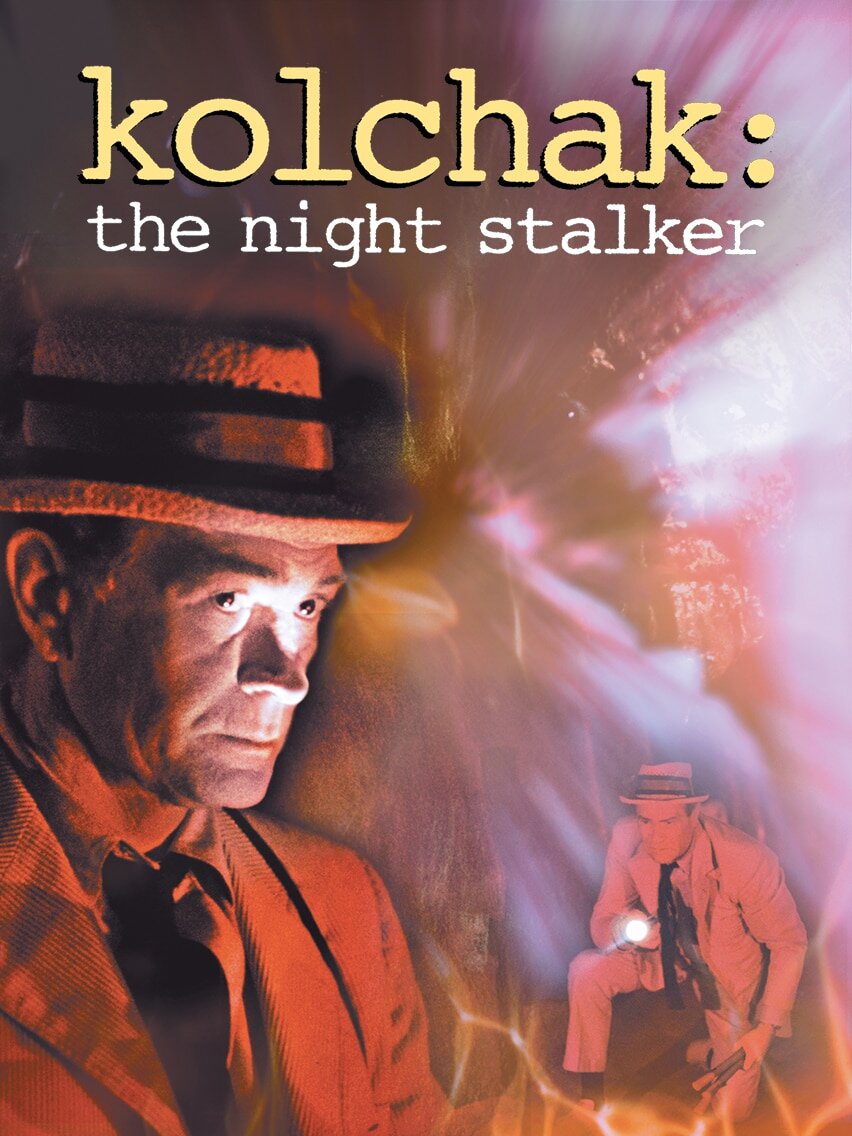
Kolchak: The Night Stalker1972
A reporter investigates supernatural phenomena week to week. It's campy but committed, funny but genuinely tense. The formula—skeptic meets the impossible—mirrors Sixth Sense's DNA exactly.
But Tone wavers between schlock and sincerity. The protagonist's repeated disbelief can feel repetitive when you know better by episode three.
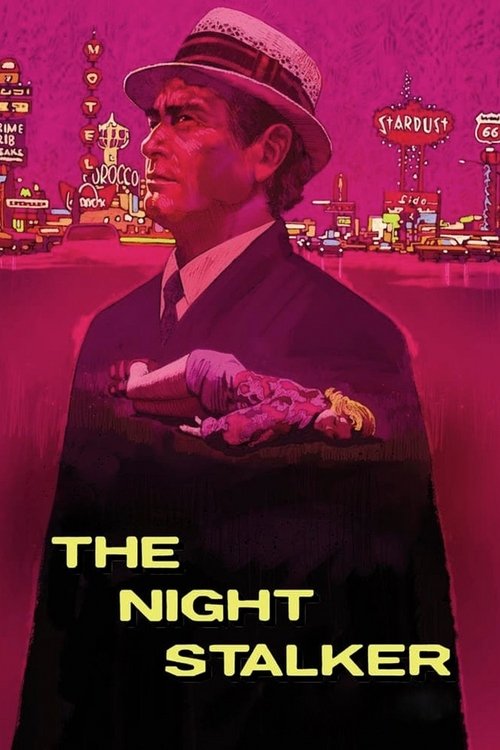
The Night Stalker1972
The TV movie that launched Kolchak, and genuinely excellent. A journalist confronts a vampire in Las Vegas. It's smart, tense, and has real atmosphere despite its modest budget.
But Slow-burn pacing won't satisfy those wanting action or gore. Some dialogue is clunky, and the ending feels slightly anticlimactic.
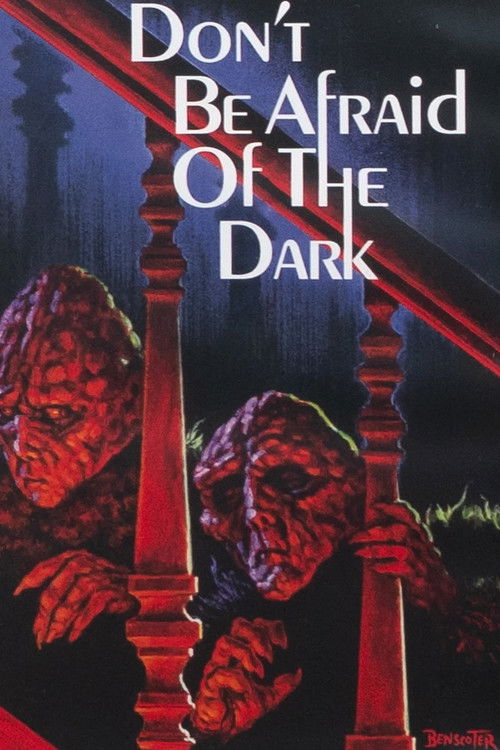
Don't Be Afraid of the Dark1973
A TV movie about creatures in a fireplace. It's intimate, claustrophobic, and deeply unsettling. Made with the same sensibility as Sixth Sense—treating the supernatural as something to investigate and survive.
But Budget constraints show in the creature design. The pacing is deliberate to the point where some scenes feel padded.
A Cure for Wellness2017
A journalist investigates a mysterious wellness spa and uncovers something far stranger. It channels paranoid 70s cinema with style and visual flair. Delightfully baroque and disorienting.
But Bloated runtime and pretentious in a way that occasionally works against it. The twist feels earned only on second viewing.

Archive2020
Both use parapsychology as a way to ask whether we should investigate the supernatural, and whether knowing the truth brings peace or harm. The same moral question beneath the surface.
A man develops technology to communicate with his deceased wife. It's a science fiction film about grief that treats the impossible with absolute seriousness. Austere, moving, and thoroughly unsettling in ways you won't anticipate.
But Glacially paced and emotionally heavy. It's not interested in thrills or plot momentum. The ending will polarize you.

People
Cast
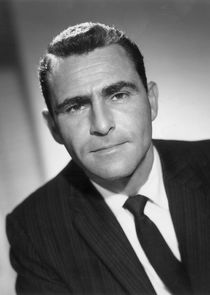 Rod SerlingHost