
Film
Nocturne
Other titles called Nocturne: the 2019 film, the 2026 series (Apple TV).
A 1946 noir mystery where a police detective questions the official suicide ruling on a dead composer in Los Angeles. It's moody and twisty, with George Raft as a skeptical cop chasing shadows through the jazz and classical music world. Lean and propulsive—the kind of film that trusts its atmosphere over explanation.
If you liked this
The Killers1946
Released the same year as Nocturne, this is noir done with surgical precision: two men investigate a murder before the victim dies, creating a haunting backwards narrative. Burt Lancaster's debut is electric.
But It's deliberately fractured and non-linear, which some find frustrating rather than clever. The pacing can feel glacial by modern standards.

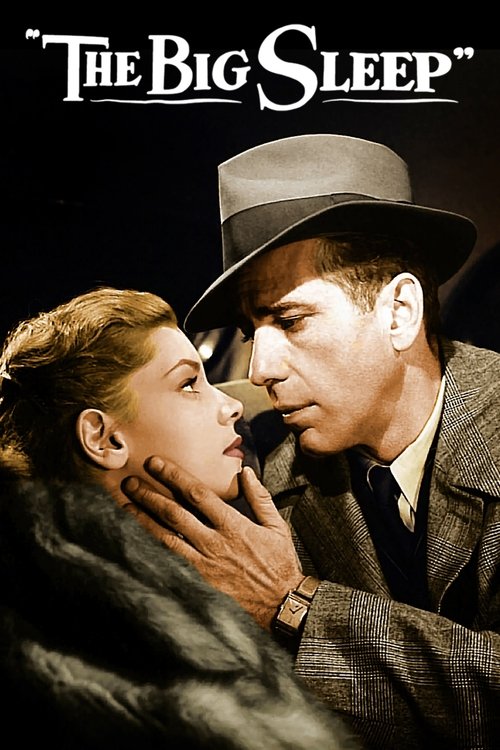
The Big Sleep1946
Bogart and Bacall in a mystery so convoluted no one quite understands the plot—but it doesn't matter because the chemistry and dialogue crackle. This is noir as seduction, not just crime.
But The plot genuinely doesn't hold together, which some find liberating and others find sloppy. Requires patience with 1940s pacing.
In a Lonely Place1950
Humphrey Bogart as a screenwriter accused of murder—a darker, more introspective take on noir suspicion and paranoia. The ending refuses easy comfort in ways that still sting.
But It's bleaker than most noirs, with no heroic cop to root for. The relationship dynamics are genuinely uncomfortable.

Not sure tonight? Get a pick in a minute, starting from Nocturne
The wildcard
Something you would not have found on your own.
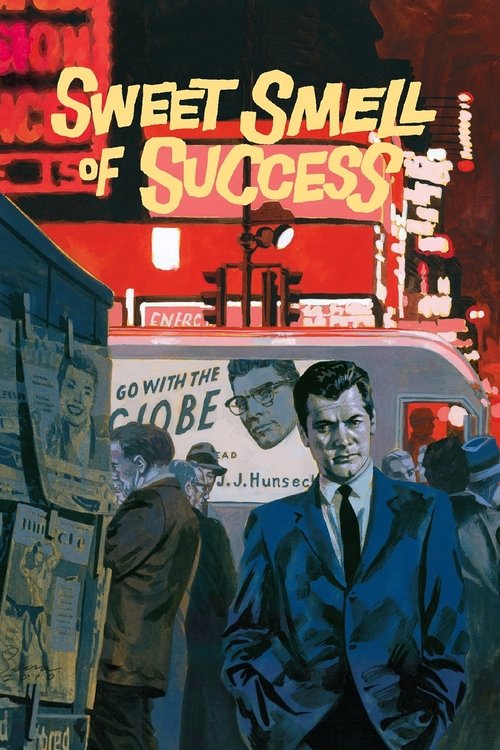
Sweet Smell of Success1957
Both center on police detectives navigating a corrupt world where appearance and reality violently diverge. Both trust their audiences to sit with moral ambiguity and atmospheric dread.
A vicious, dialogue-drunk masterpiece about corruption in New York's gossip column world. Burt Lancaster and Tony Curtis in a film where the corruption is spiritual, not just criminal. The language alone is worth the price of admission.
But It's savage and cynical to a degree that can feel exhausting. There are no good people, and the film offers no relief or redemption.
More like this (8)
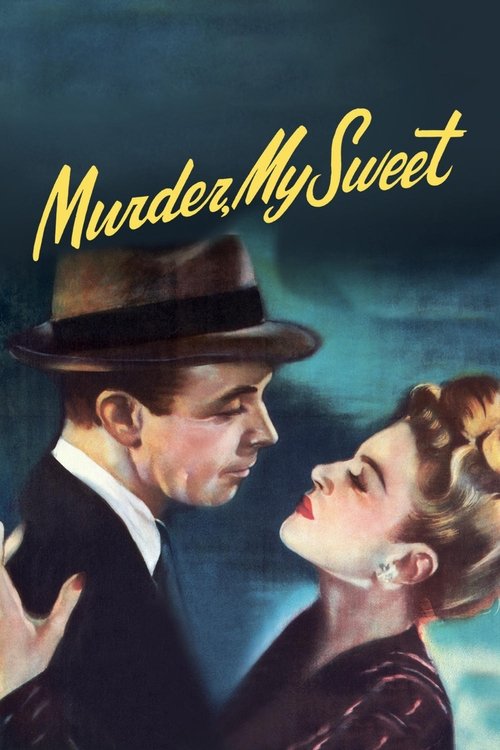
Murder, My Sweet1944
Dick Powell as a private eye in a labyrinthine plot that keeps unspooling. Sharp dialogue, genuine danger, and a lead actor playing completely against type in ways that make it sing.
But The plot gets genuinely complicated; you have to pay attention. Some viewers find it baroque rather than elegant.
The Asphalt Jungle1950
John Huston's heist noir: procedural, methodical, and utterly gripping. It essentially invented the heist-film template and does it better than most of its descendants.
But It's a slow burn about criminal professionals, not a thriller. If you want action and excitement, this will feel patient to the point of tedium.

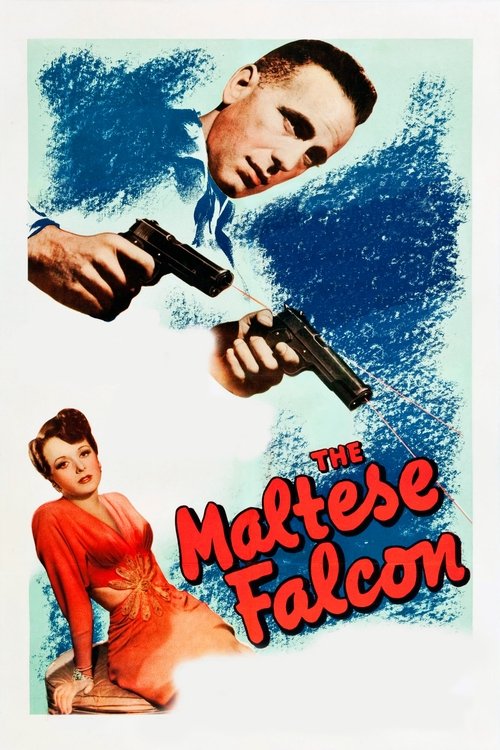
The Maltese Falcon1941
The template for everything: Bogart as Spade, a mystery that unfolds through conversation and character rather than spectacle. Tight, clever, endlessly rewatchable.
But Once you know how it ends, rewatching relies entirely on dialogue and performance. Some find it stagey or slow.
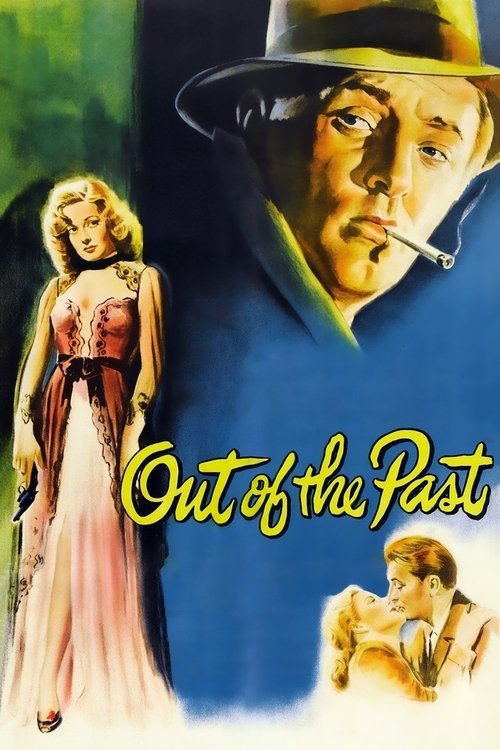
Out of the Past1947
The quintessential noir: a man pursued by his past, femme fatales, betrayal, and a sense that fate is rigged. Mitchum is perfect—world-weary before he opens his mouth.
But The fatalism can feel oppressive. If you want agency or hope, this film offers neither, by design.
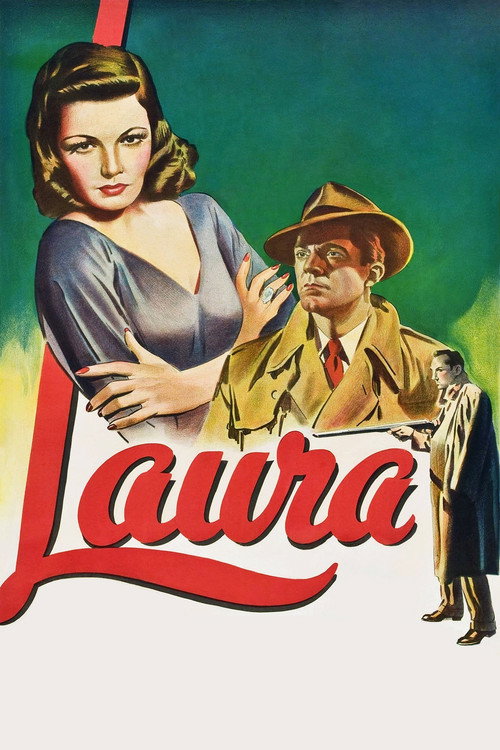
Laura1944
A detective falls in love with a portrait of a dead woman. It's elegant, weird, and generates genuine suspense from a high-concept premise executed with real style.
But The central conceit feels contrived, and some of the police procedure drags. The romance can feel thin compared to the mystery.
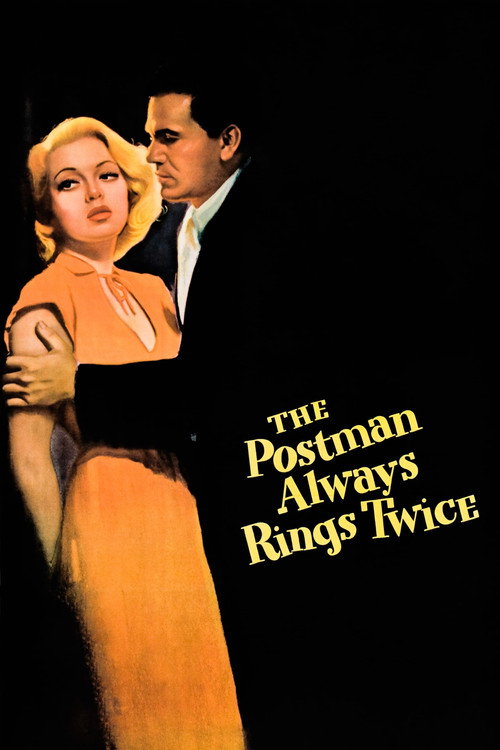
The Postman Always Rings Twice1946
Lana Turner and John Garfield in a steamy, doomed affair with murder. Lush and dangerous, with real sexual tension despite the era's restrictions.
But It's fairly straightforward—you'll know where it's going early on. The eroticism is muted by 1940s standards, which might feel quaint now.
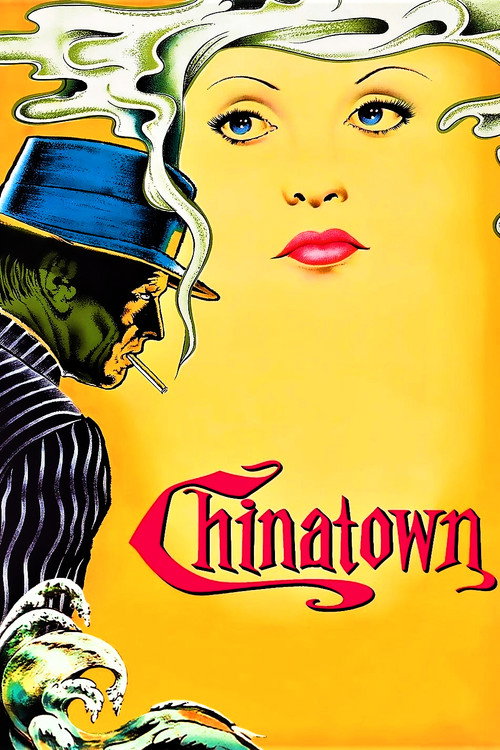
Chinatown1974
Nocturne's skepticism about official narratives becomes Chinatown's thesis: the system itself is designed to obscure truth. Both men ask the wrong questions and pay the price.
A private detective investigates a woman's death in 1930s LA, but every answer leads to deeper corruption. Jack Nicholson's finest performance in a film that redefined noir for the 1970s while honoring its 1940s roots.
But The ending is genuinely devastating and offers no catharsis. Many find the violence toward women deeply uncomfortable, and it's meant to be.
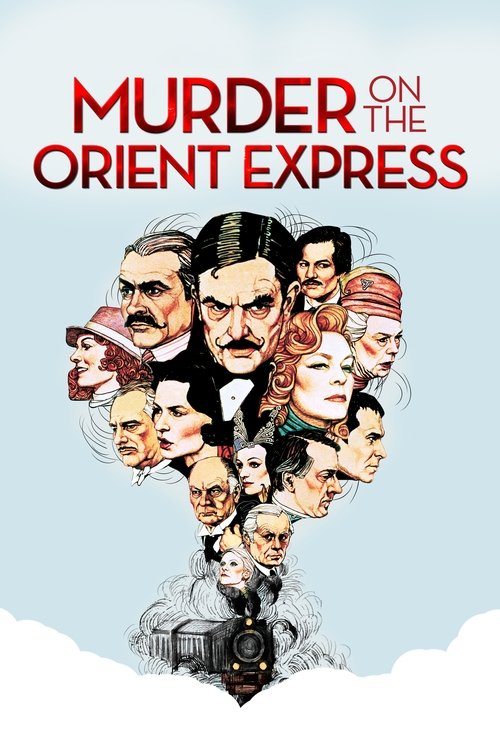
Murder on the Orient Express1974
Like Nocturne, it's about a detective questioning the obvious answer and discovering that what everyone agrees on might be a careful construction. Both reward close attention to detail and dialogue.
A locked-room mystery on a train where Hercule Poirot must unravel a murder everyone might have committed. It's the thinking person's procedural: elegant, intricate, and deeply satisfying in its logic.
But It's a puzzle-box, not a character study. If you want emotional depth or moral ambiguity, this prioritizes plot. It can feel cold.
People
Cast
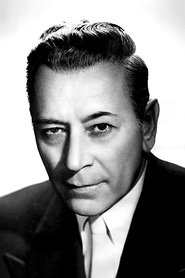 George RaftJoe Warne
 Lynn BariFrances Ransom
 Virginia HustonCarol Page
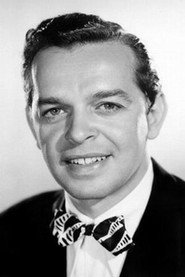 Joseph PevneyNed "Fingers" Ford
 Myrna DellSusan Flanders
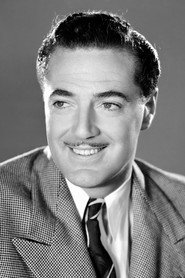 Edward AshleyKeith Vincent
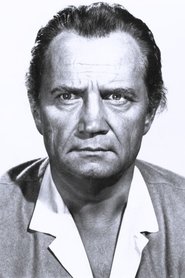 Walter SandeLieutenant Halberson
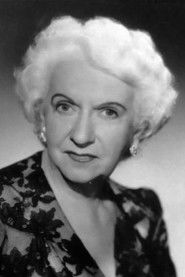 Mabel PaigeMrs. Warne
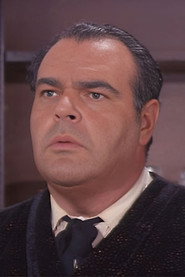 Bern HoffmanErik Torp
 Queenie SmithQueenie
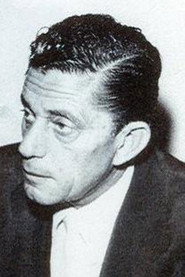 Mack GrayGratz
 Dorothy AdamsAngry Apartment House Tenant (uncredited)
Directing
- James H. AndersonAssistant Director
- Edwin L. MarinDirector
Writing
- Frank FentonStory
- Rowland BrownStory
- Jonathan LatimerWriter
Production
- Jack J. GrossExecutive Producer
- Joan HarrisonProducer