
Television series
Crown Court
Crown Court blends courtroom drama with genuine reality: fictional cases tried by real jurors plucked from the studio audience. Three episodes per case—prosecution, defence, verdict—aired three times weekly on ITV from 1972 to 1984. It's absorbing procedural television that doubles as an accidental portrait of ordinary people making weighty judgements. For anyone who loves watching juries deliberate or prefers substance to showmanship.
Should you watch it?
Watch it if you enjoy courtroom drama built on procedure and talk, and find the idea of ordinary citizens deciding a verdict on camera quietly thrilling.
Skip it if your patience for stagey, talky plots runs thin, since each case unspools in short, dialogue-heavy chapters with little visual life beyond the courtroom.
What it asks of you: Each case runs across three roughly 25-minute afternoon sittings, so you settle in for a slow build of argument rather than action.
Not sure? Find tonight's pick in a minute.
If you liked this
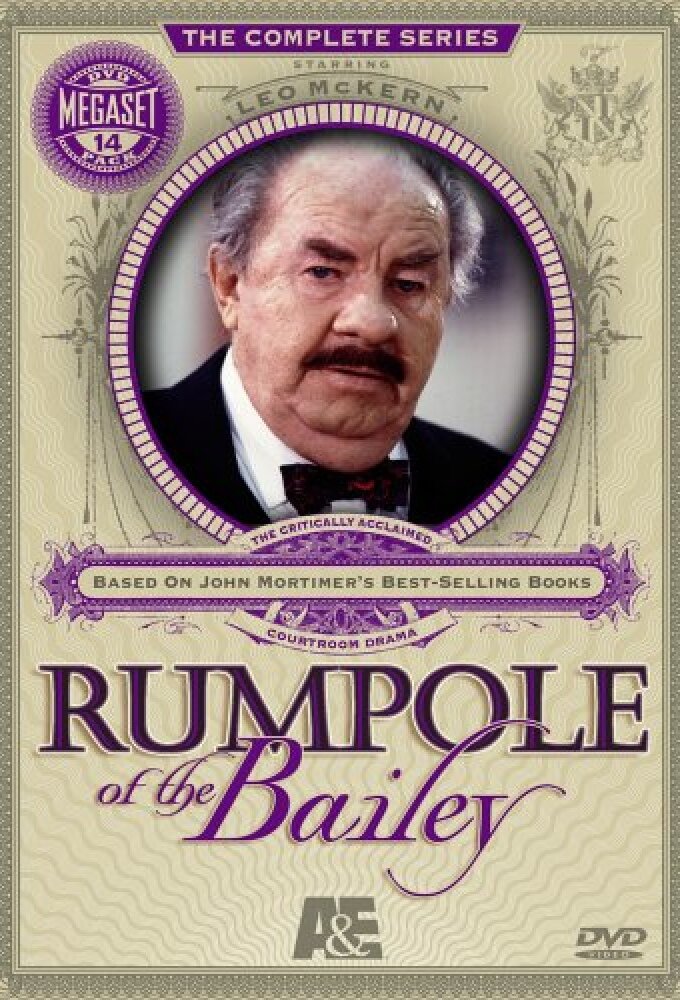
Rumpole of the Bailey1978
Leo McKern's shambling barrister defending the indefensible became a beloved institution. Sharp writing, genuine humour, and real legal procedure wrapped around character you'd follow anywhere. Brilliantly British.
But Can feel cosy and repetitive if you watch too many back-to-back. The formula, while excellent, is very much a formula.
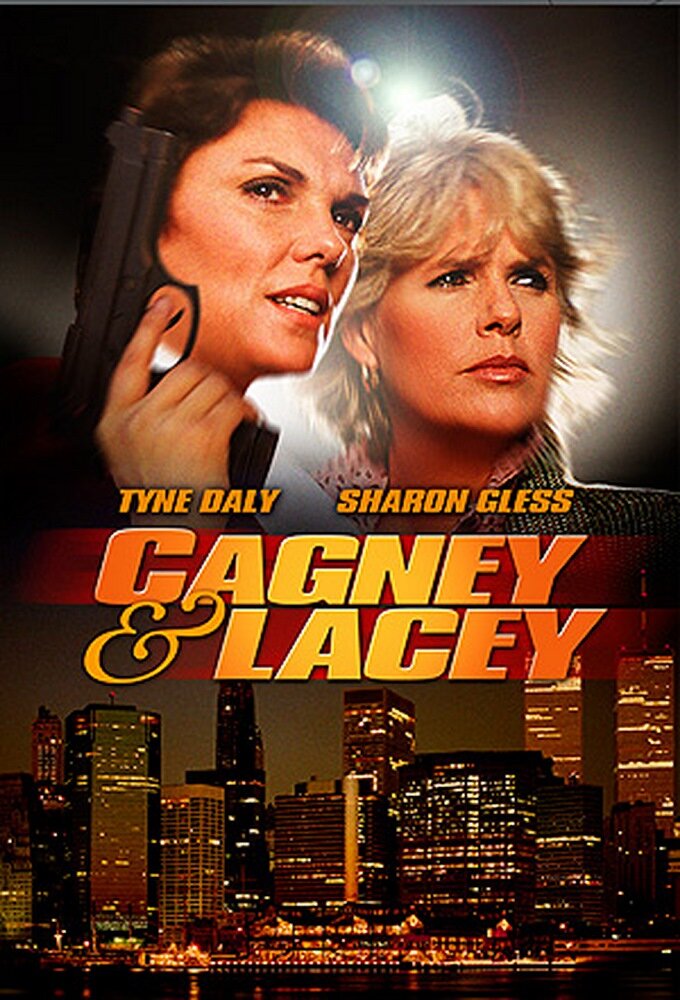
Cagney & Lacey1982
Two female detectives in New York: procedurally rigorous, emotionally honest, and genuinely ahead of its time on gender and class. Each case feels like it matters. Outstanding television.
But Some early episodes have pacing issues. The first season finds its feet slower than the rest.
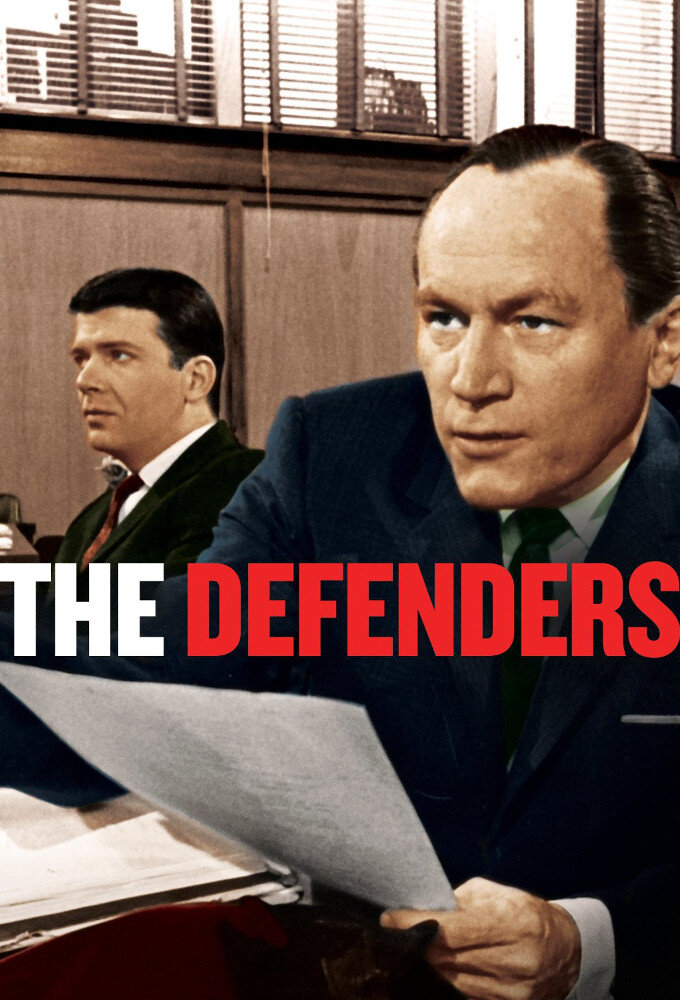
The Defenders1961
A father-and-son legal team in 1960s New York, tackling cases that were genuinely controversial for their time. Smart, urgent, and the writing still sings. American legal drama at its sharpest.
But Black-and-white TV from 1961 requires patience with pacing and production values that feel distinctly of their era.
Not sure tonight? Get a pick in a minute, starting from Crown Court
The wildcard
Something you would not have found on your own.
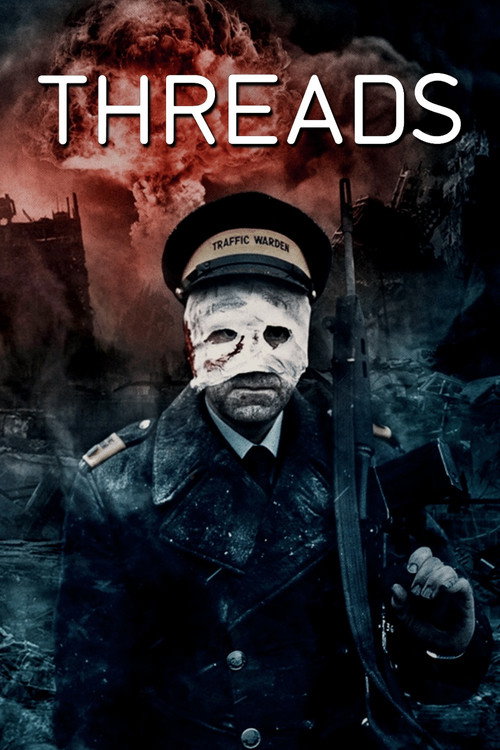
Threads1984
Both Crown Court and Threads use a hybrid of reality and dramatisation to make abstract human stakes concrete. Where Crown Court uses real jurors to ground fictional trials, Threads uses documentary authenticity to make imaginative catastrophe unbearable. Both prove that mixing registers creates a truth neither could alone.
A Sheffield nuclear attack documentary-drama hybrid that explodes every assumption about what television could show. Brutal, unflinching, genuinely visionary. Changed what TV was allowed to do.
But It is extremely bleak, graphic, and difficult to watch. This is not entertainment; it is witnessing. Not for when you want comfort.
More like this (7)
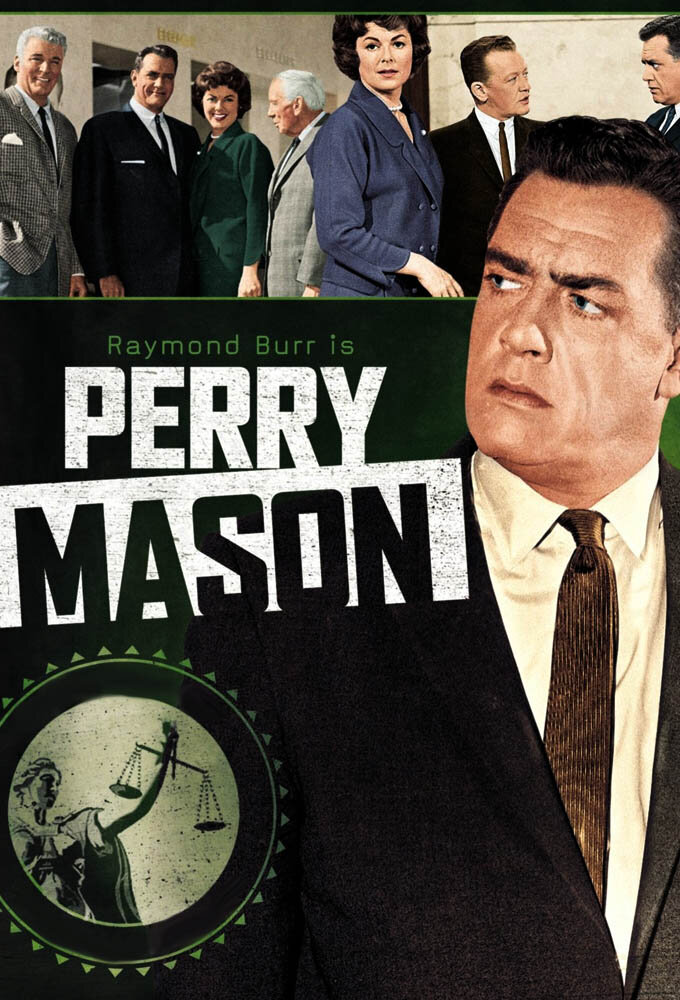
Perry Mason1957
Raymond Burr as the defence attorney who always finds the real culprit. Taut, clever mysteries that respect the audience's intelligence. A genuine page-turner in episodic form, endlessly rewatchable.
But Hundreds of episodes exist; it's easy to feel overwhelmed. Also, the resolution formula, once you spot it, becomes predictable.
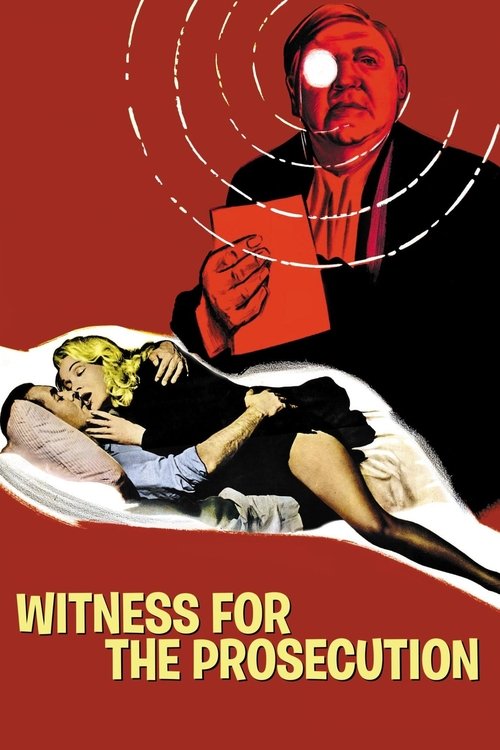
Witness for the Prosecution1957
Agatha Christie's most ingenious courtroom twist, adapted by Billy Wilder with Marlene Dietrich and Charles Laughton. A masterpiece of misdirection that has barely aged and rewards rewatches.
But It's in black and white and runs two and a half hours. Requires your full attention—no glancing at your phone.
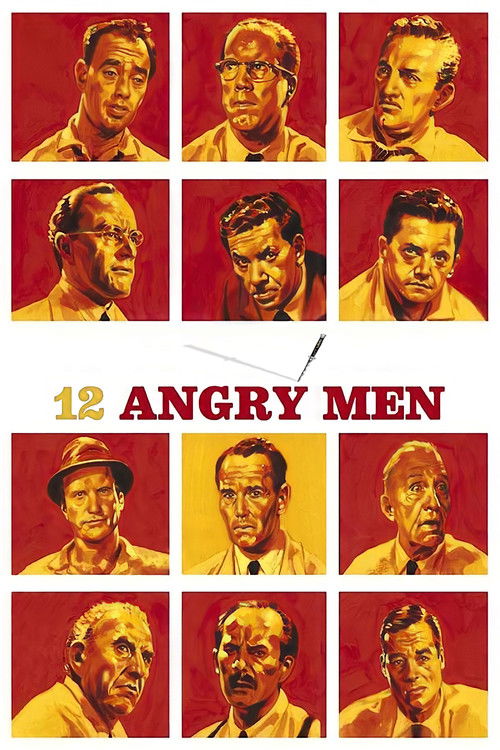
12 Angry Men1957
Jury deliberation as moral drama: one man against eleven, principles colliding with prejudice in a overheated room. Direction by Sidney Lumet is invisible and perfect. Essential viewing.
But Ninety minutes in a single room with men arguing. If you need visual variety or action, this will feel static.
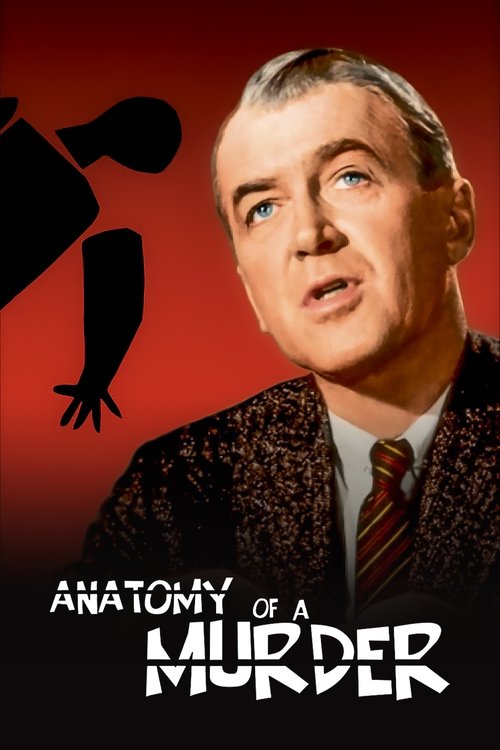
Anatomy of a Murder1959
Preminger's masterwork: a small-town lawyer defending a man accused of murder. Procedurally fascinating, morally complex, and patient in the way few films now are. Otto Preminger at his best.
But At 160 minutes, it demands commitment. Glacial pacing by modern standards will test some viewers' patience.
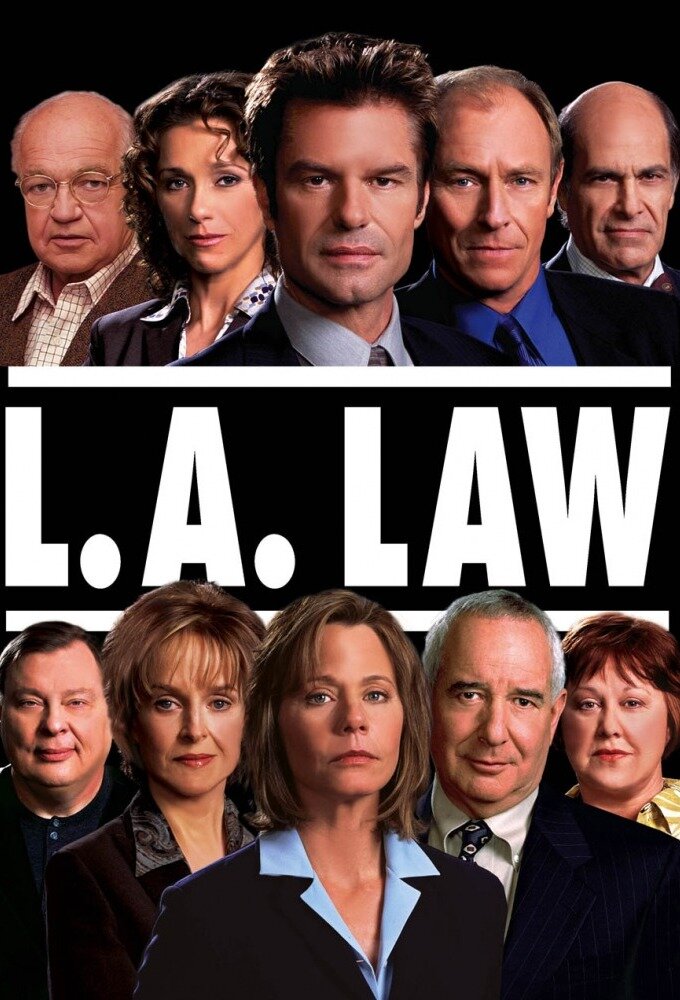
L.A. Law1986
A major ensemble legal drama that treats cases with seriousness while exploring the lawyers' lives outside court. Won armfuls of awards because it deserved them. Glossy but never superficial.
But The 1980s production design and some storylines feel dated now. The glamour and wealth of the firm can feel off-putting.
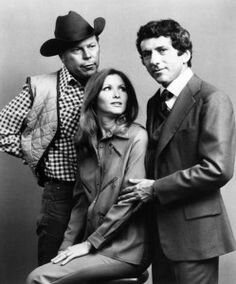
Petrocelli1974
A defence attorney in Arizona solving cases and trying them—procedurally sound, character-driven, and genuinely entertaining. Barry Ackerland in a role he owns completely. Deserves rediscovery.
But Less celebrated than its contemporaries, which means it's harder to find and the production quality is noticeably lower budget.
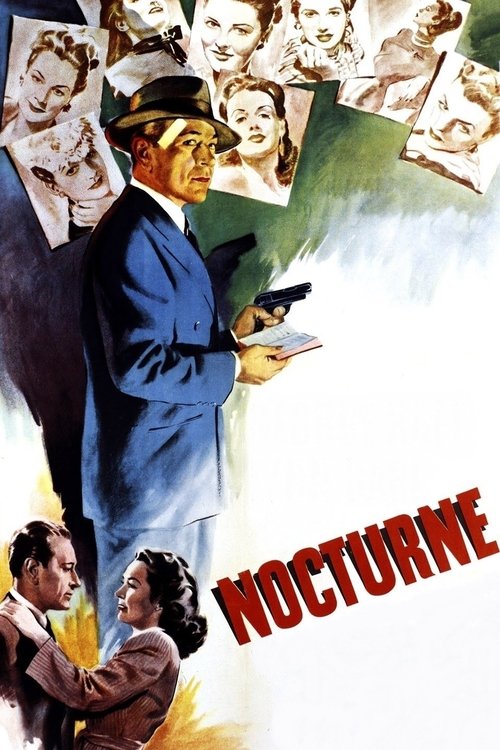
Nocturne1946
Both Crown Court and Nocturne are obsessed with how we arrive at truth through partial information. Crown Court gives jurors exactly what a trial allows them to see and asks them to decide; Nocturne gives the audience a fragmented mystery and asks us to assemble meaning from shadows. Both are pessimistic about certainty and fascinated by the gap between evidence and truth.
A pianist accused of murder; a woman caught between two men; a Freudian puzzle box directed by Edwin L. Marin. A B-picture that thinks like a modernist novel. Cryptic, dreamlike, endlessly rewatchable.
But It's obscure, slightly weird, and refuses clarity. If you want a straightforward whodunit, you will find this frustrating and pretentious.
Recommended by
Rumpole of the Bailey, Silk, Pierre, The Trial: A Murder in the Family, Warship, Shoestring