
Television series
Werewolf
Other titles called Werewolf: the 1996 film.
Werewolf follows a college student cursed with lycanthropy, hunted across America by both a mysterious drifter who started it all and a relentless bounty hunter. It's episodic monster-on-the-run television: part road movie, part horror, played with earnest conviction and early-80s practical effects. For fans of genre TV that embraces its premise without irony, and doesn't mind the occasional narrative wobble.
Should you watch it?
Watch it if you like a hunt that runs episode to episode, a monster who is also the hunted, and the moody, unshowy horror of a late-Eighties network drama.
Skip it if you need fast, slick genre work, since this is a dated, episodic 30-minute chase that can feel repetitive and creaky by modern standards.
What it asks of you: Half-hour episodes, one season of twenty-nine, and a premise that unfolds in small steps rather than big set pieces, so settle in for the chase.
Not sure? Find tonight's pick in a minute.
If you liked this
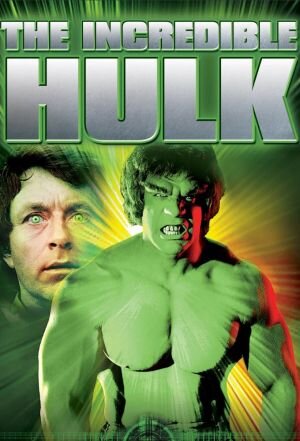
The Incredible Hulk1977
A template for the pursued-fugitive-with-a-curse formula that Werewolf follows. Bill Bixby's Bruce Banner has the same desperate quest for a cure, the same tragedy in every town, the same melancholic separation from normal life.
But The TV version of Hulk, while iconic, moves slowly by modern standards and relies heavily on the same plot beats repeating across episodes.
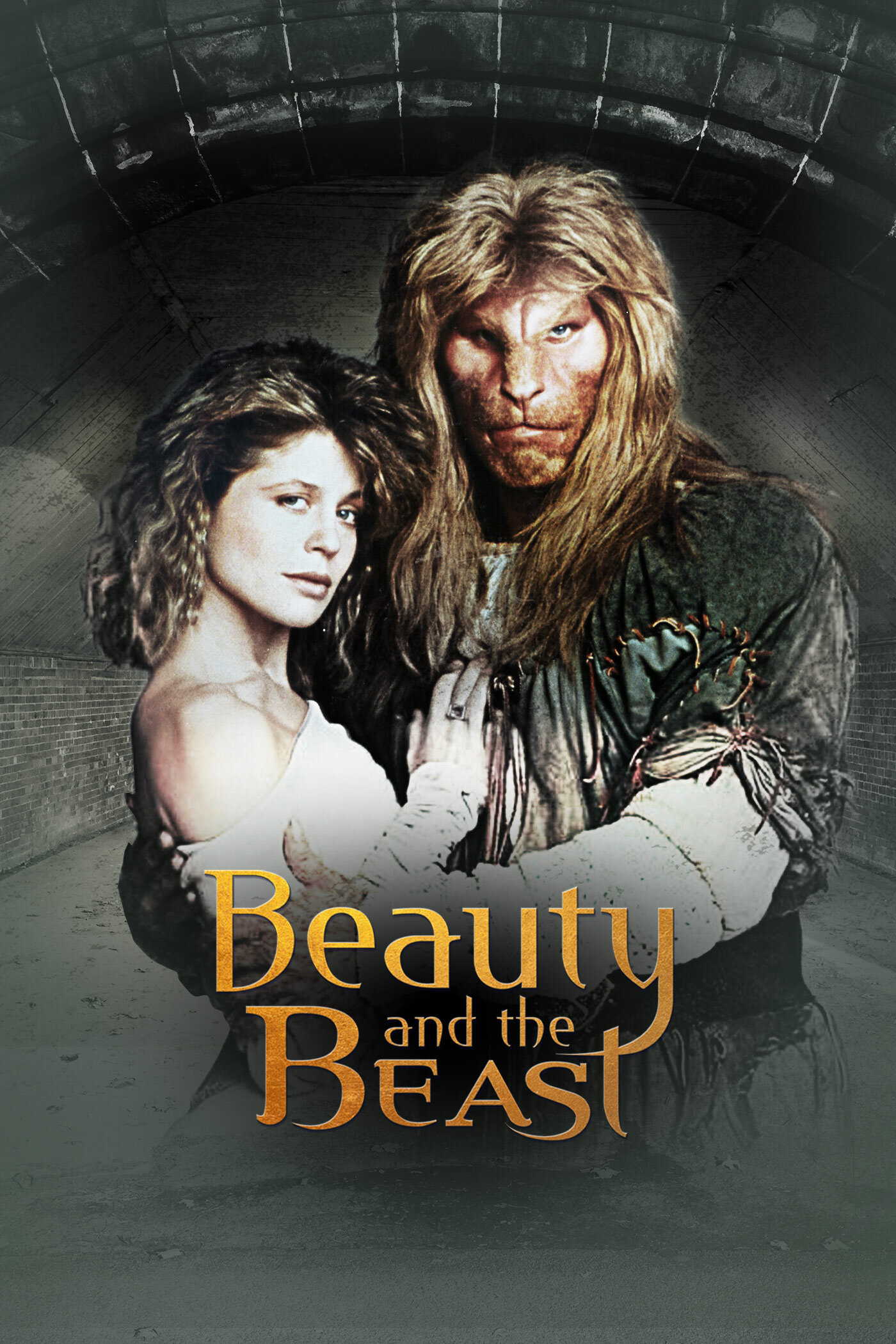
Beauty and the Beast1987
Premiered the same year as Werewolf and shares its gothic sensibility and serialized emotion. Both blend monster mythology with real vulnerability—this one between Vincent and Catherine is just as haunted as Eric's curse.
But The Romance dominates, and if you're here for horror spectacle rather than tragic longing, it won't scratch that itch.
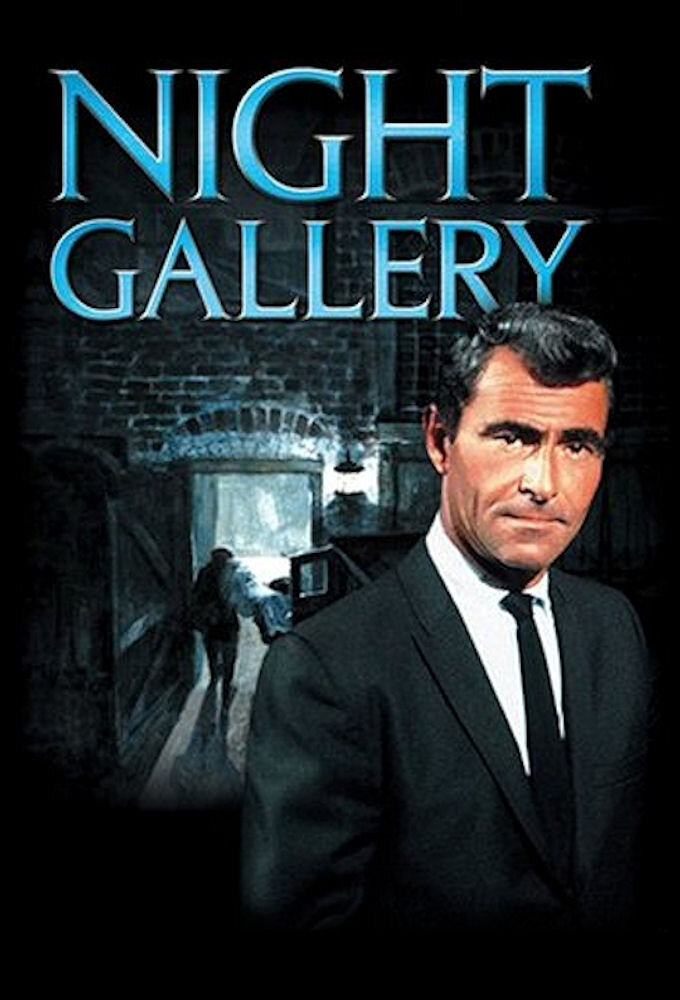
Night Gallery1969
Twilight Zone's darker sibling, equally committed to horror premises played straight. Each episode spins a new curse or transformation, with the same quality craftsmanship and willingness to let dread linger.
But Genuinely slow-paced by any standard. Some episodes are unsettling; others feel quaint. You'll want to skip around.
Not sure tonight? Get a pick in a minute, starting from Werewolf
The wildcard
Something you would not have found on your own.
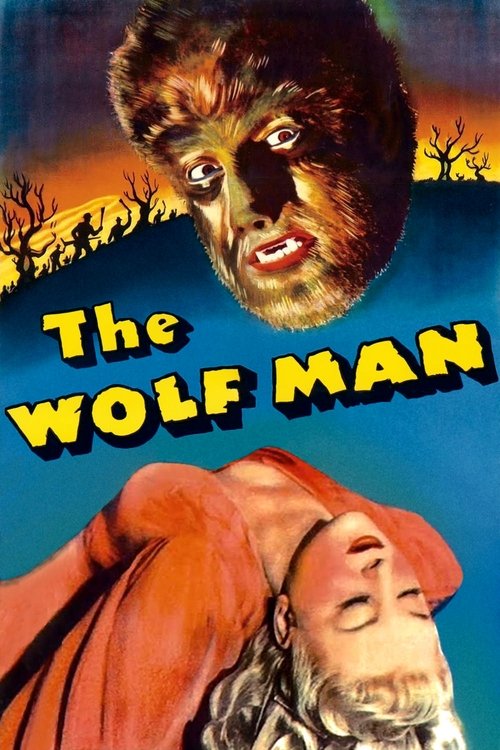
The Wolf Man1941
Werewolf is essentially a TV expansion of The Wolf Man's premise: a man cursed with lycanthropy, desperate for a cure, isolated by his condition. Both treat the curse as tragedy rather than adventure.
Universal's original werewolf tragedy—the template Werewolf inherits wholesale. Lon Chaney Jr.'s Lawrence Talbot is cursed and hunted, seeking a cure across a landscape that resists him. This is where the mythology comes from.
But It's 80 years old and moves at its own pace. The special effects, while groundbreaking, won't read as scary to a modern eye.
More like this (8)
The Twilight Zone1959
The spiritual ancestor of Werewolf's structure: ordinary people ensnared by circumstance they can't escape, each episode a fresh nightmare. Serling's writing is sharper, but the DNA is identical.
But Some episodes are brilliant; plenty are dated or obvious. The half-hour format means ideas sometimes feel compressed.
Friday the 13th: The Series1987
Also debuted in 1987 and carries the same commitment to B-movie horror and episodic adventure. A cursed object each week replaces Werewolf's cursed body, but the rhythm of pursuit and consequence is kindred.
But Wildly uneven in tone and quality. It can tip into camp when Werewolf is trying to be tragic.
Tales from the Darkside1984
Anthology horror that trusts its premise completely, no winking. Like Werewolf, it believes in curses and monsters and plays them with straight-faced seriousness that somehow deepens the dread.
But Anthology means no narrative arc. If you're invested in Eric's journey, this will feel repetitive by comparison.
The X-Files1993
Mulder and Scully chase the inexplicable across America, season after season. Werewolf's serialized horror hunt prefigures this; both are driven by characters seeking answers in a world that resists them.
But X-Files is much longer and has its own mythology issues. Committing to both is a larger project than you might want.
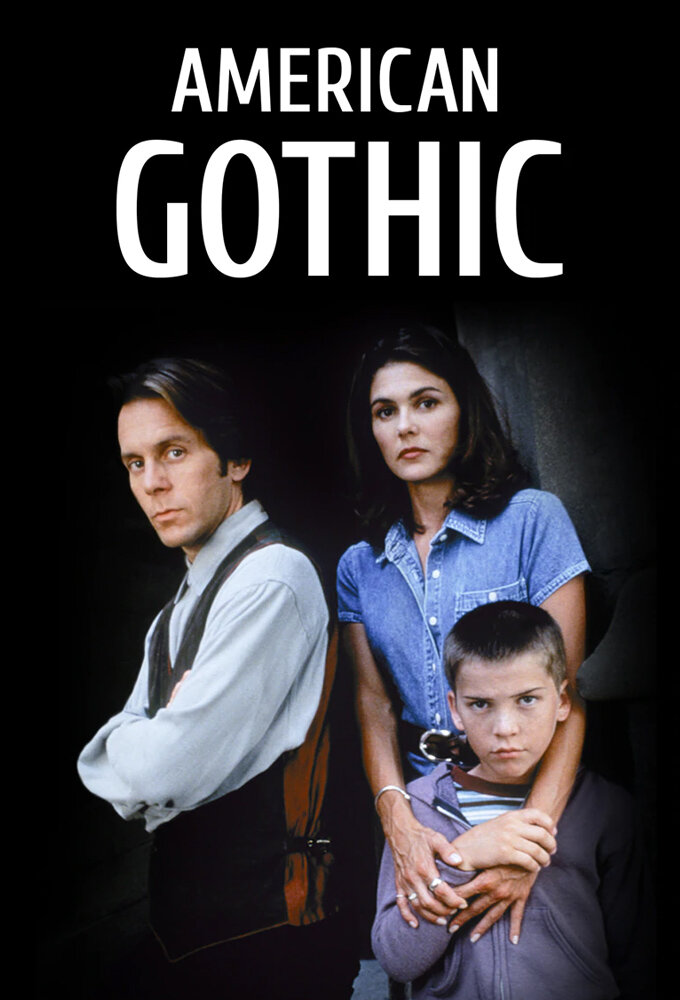
American Gothic1995
Southern Gothic dread in episodic form, another show about characters trapped in supernatural circumstances they didn't choose. The same sense of inescapable doom threads through both.
But Only lasted one season and ends on a cliffhanger. The incompleteness can feel frustrating rather than tragic.
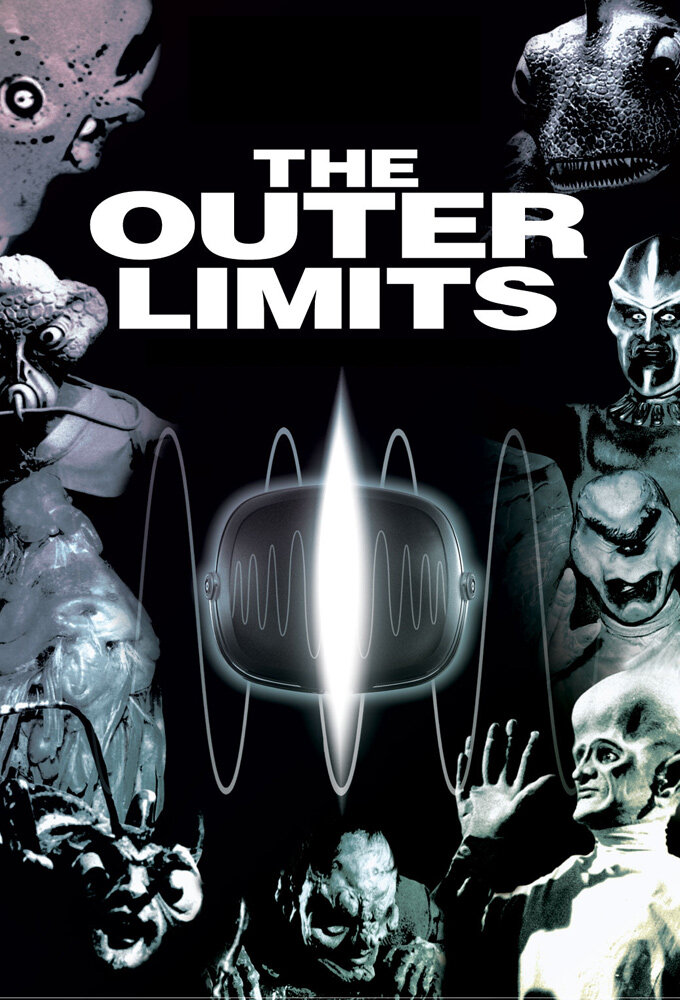
The Outer Limits1963
Like Night Gallery but leaning harder into science fiction and spectacle. Every episode commits fully to its bizarre premise, and the practical effects have a charm that mirrors Werewolf's earnestness.
But The dialogue can feel stilted, and some concepts are more interesting in description than in execution.
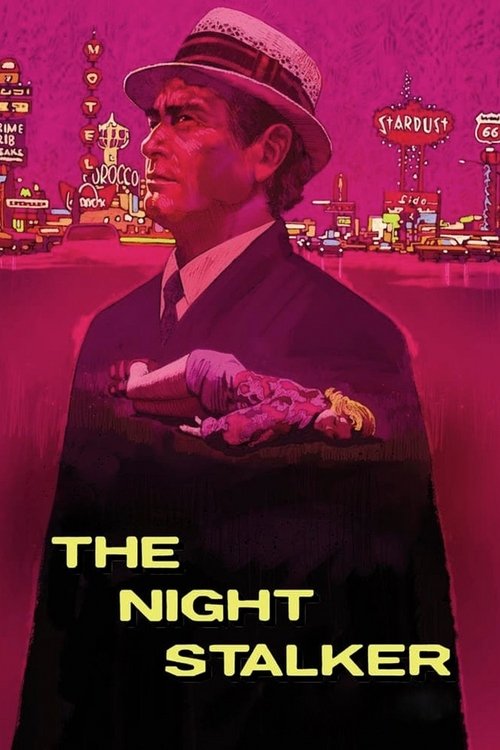
The Night Stalker1972
Both are pursuit narratives where the protagonist is driven forward by necessity rather than choice. Kolchak hunts monsters; Eric IS hunted as one. The structure of obsession and dread is identical.
A Chicago reporter pursues the supernatural week after week, winning sometimes and losing sometimes, never finding a permanent solution. It's the spiritual ancestor of everything Werewolf does—episodic horror built on a protagonist who can't catch a break.
But Only two seasons. If you fall in love with it, you'll want more than exists. The plotting can feel thin across a full episode.
Kwaidan1965
Both treat supernatural affliction as a condition that isolates and diminishes—not as a power fantasy. Werewolf's episodic structure mirrors Kwaidan's linked stories; both ask what it costs to be cursed.
A Japanese horror anthology filmed in stunning colour, each story a curse or haunting treated as intimate tragedy rather than spectacle. The formal beauty and emotional precision create dread without gore or jump scares. Completely different medium and country, same moral seriousness.
But Slow, painterly, and deeply meditative. If you watch Werewolf for monsters and action rather than atmosphere, this will test your patience severely.
People
Cast
Writing
- Frank LupoCreator
Recommended by
The Incredible Hulk, Jack of All Trades, Monster Squad, Swagger