
Television series
Early Edition
A Chicago commodities trader wakes up to tomorrow's newspaper arriving today. Kyle Chandler's Gary Hobson must decide whether to exploit this impossible gift for profit or use it to save lives. It's *The Twilight Zone* meets redemption drama—earnest, deeply optimistic, and built on the simple premise that knowing the future means nothing if you don't act with purpose.
Should you watch it?
Watch it if you enjoy a warm, slightly wistful fable about a flawed man trying to do right by strangers, with a puzzle-box premise you can happily chew on week after week.
Skip it if you need fast, edgy plotting or get restless with earnest, sentimental episodes; the sense of a premise repeating its shape can wear thin over ninety episodes.
What it asks of you: Expect hour-long episodes across four seasons, with each one asking you to hold a day's worth of consequences in mind while the mood stays largely hopeful.
Not sure? Find tonight's pick in a minute.
If you liked this
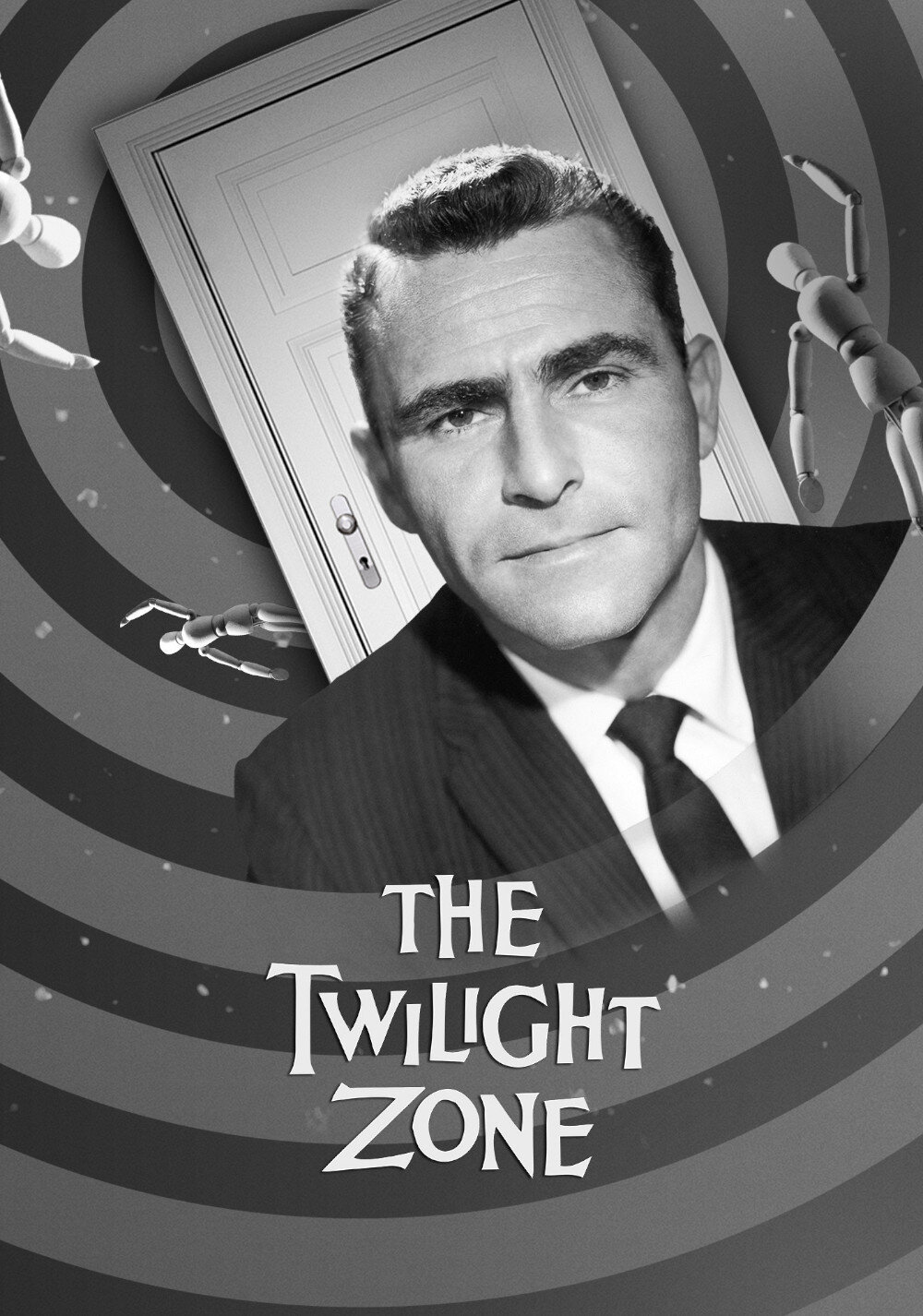
The Twilight Zone1959
The spiritual ancestor of Early Edition: standalone stories about ordinary people confronting the impossible, each exploring what you'd actually do in that situation. The best episodes ask moral questions, not just 'what if?'
But Uneven. Some episodes are brilliant; others feel slight. Black-and-white, mid-century pacing won't click for everyone.
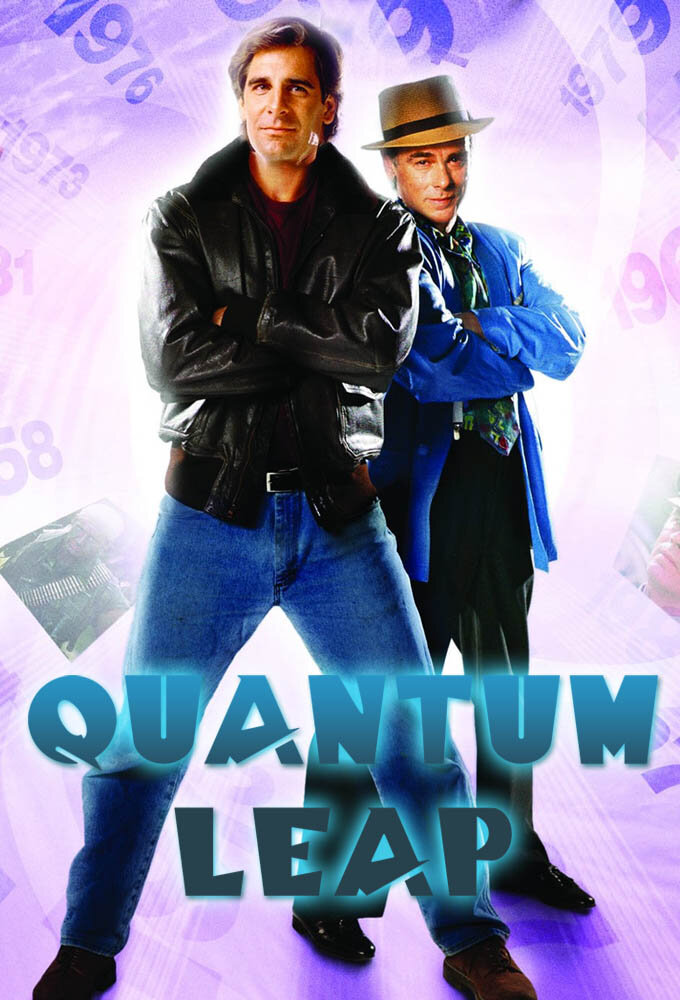
Quantum Leap1989
Sam Beckett travels through time fixing people's lives one leap at a time. Like Early Edition, it's optimistic sci-fi drama about using extraordinary circumstances to do ordinary good. Charming, emotional, and genuinely moving when it lands.
But Episodic, so it can feel repetitive. Some episodes are forgettable. The finale is deliberately unresolved in a way that bothers people.
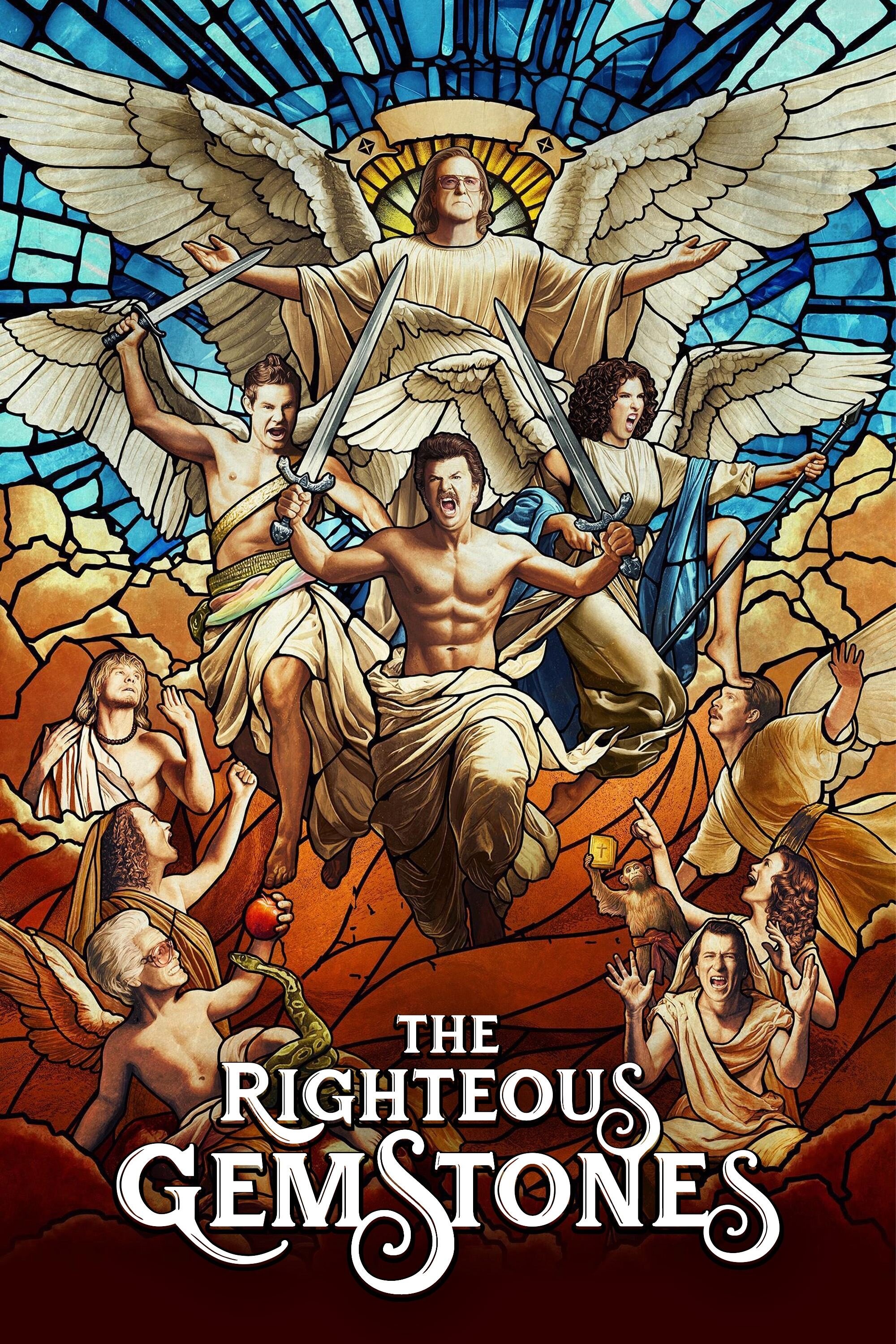
The Righteous Gemstones2019
Danny McBride's HBO series about a megachurch family managing chaos and scandal. Shares Early Edition's odd-couple buddy dynamic, moral ambiguity, and the question of whether good intentions matter if execution is messy. Darkly funny.
But Profane and crude in ways Early Edition never is. The tone is cynical where Early Edition is earnest. Some find McBride exhausting.
Not sure tonight? Get a pick in a minute, starting from Early Edition
The wildcard
Something you would not have found on your own.
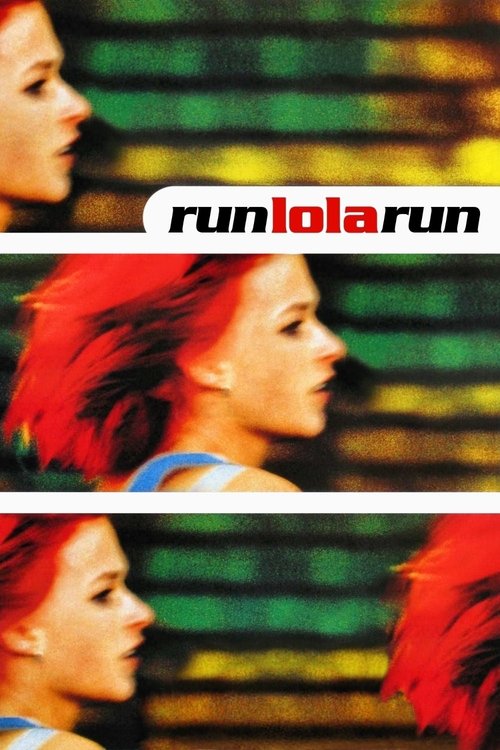
Run Lola Run1998
Both are built on the premise that foreknowledge creates moral obligation. Both ask: knowing the future, what will you choose to do? Both are ultimately optimistic about individual agency.
Twenty minutes to save a life. Three identical scenarios play out differently based on tiny choices. Visually dazzling, structurally clever, and explores the same core obsession as Early Edition: can one person's decision reshape reality? The energy is completely different but the moral architecture is identical.
But Bombastic. Relies heavily on style—if that annoys you rather than exhilarates you, it's a slog. German film with a 1998 techno score that sounds dated now.
More like this (8)
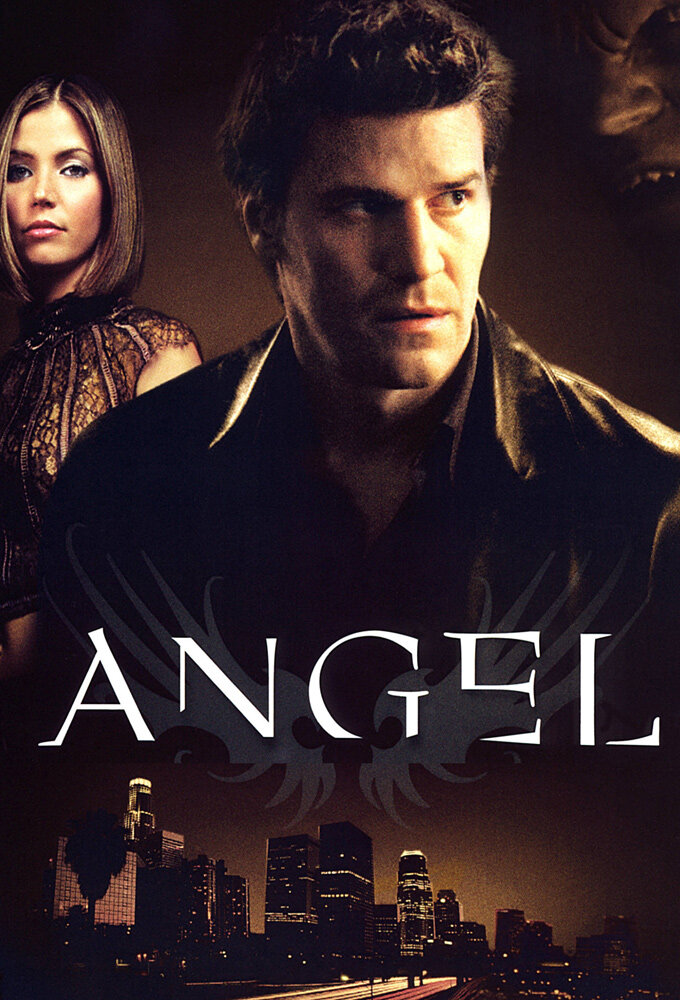
Angel1999
Vampire detective in LA helps the helpless. Like Gary with his newspaper, Angel must navigate the gap between knowing about problems and actually being able to fix them. Emotionally complex, building to a genuinely complex mythology.
But Slow start. The first season is inconsistent. Requires patience to appreciate the long game.
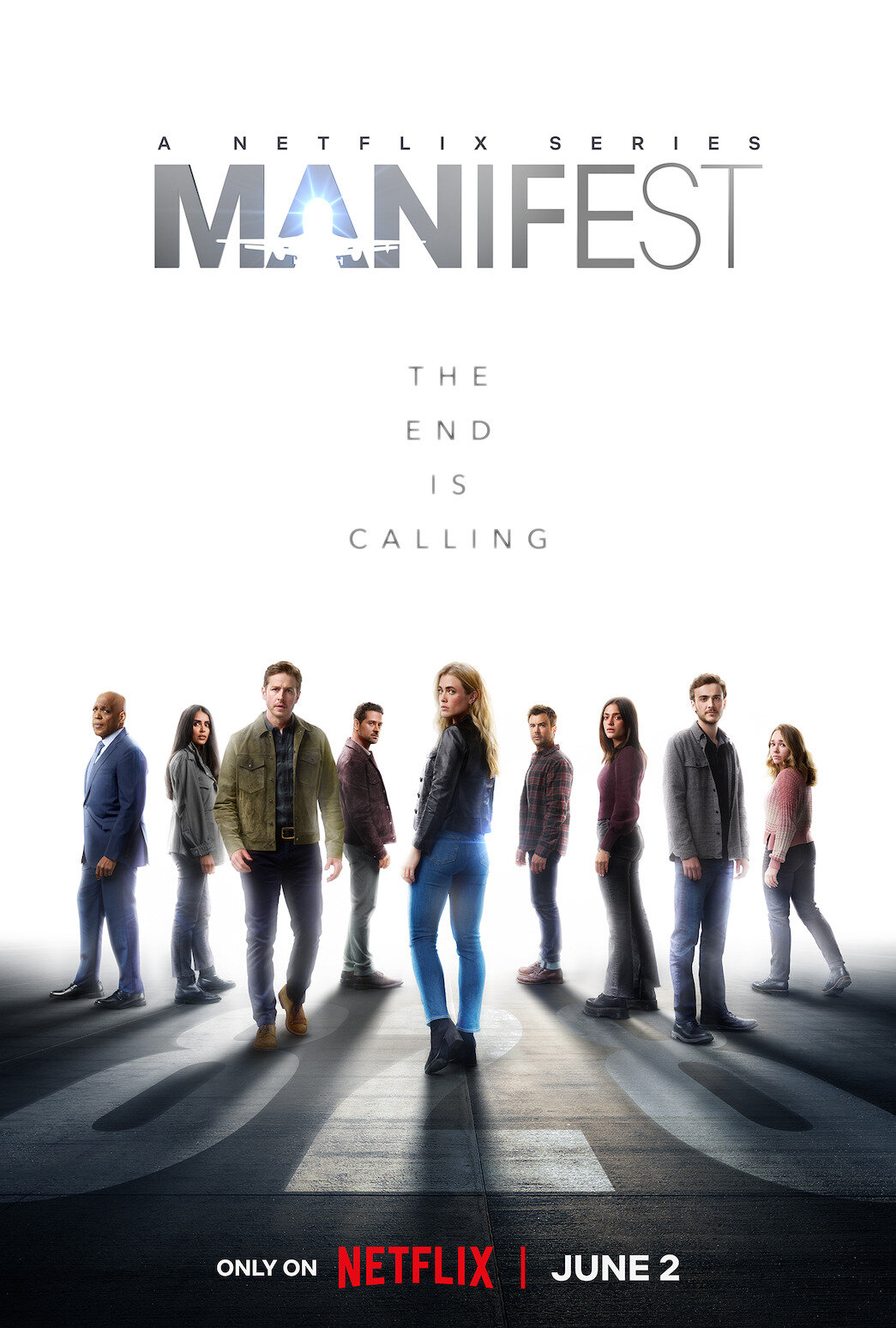
Manifest2018
Passengers return from a vanished flight with the ability to sense future disasters. Serialized like Early Edition wishes it could be, with actual mythology building. High-concept and kinetic, very 2018 in its ambition.
But Ends on a cliffhanger that Netflix never resolved. The mythology gets tangled. If the cancellation bothers you, skip it.
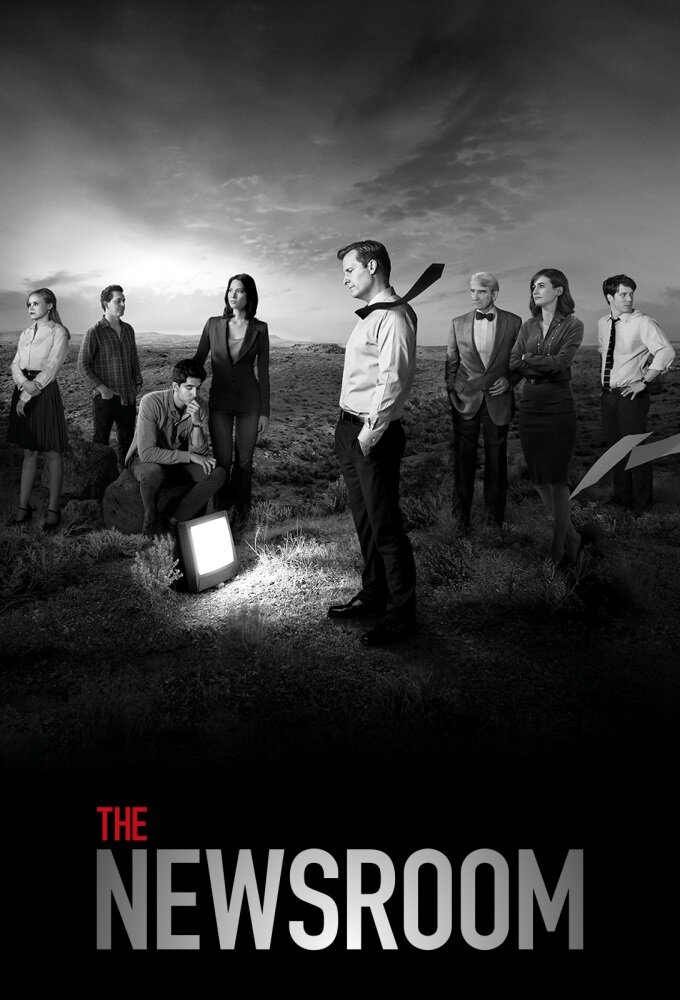
The Newsroom2012
Aaron Sorkin's drama about a news team committed to getting the story right and serving the public good. Shares Early Edition's idealism about information and responsibility. Sharp, fast-paced, and genuinely intelligent.
But Preachy. Sorkin's voice is enormous. Some find the gender politics regressive. You need to like the sound of his writing.
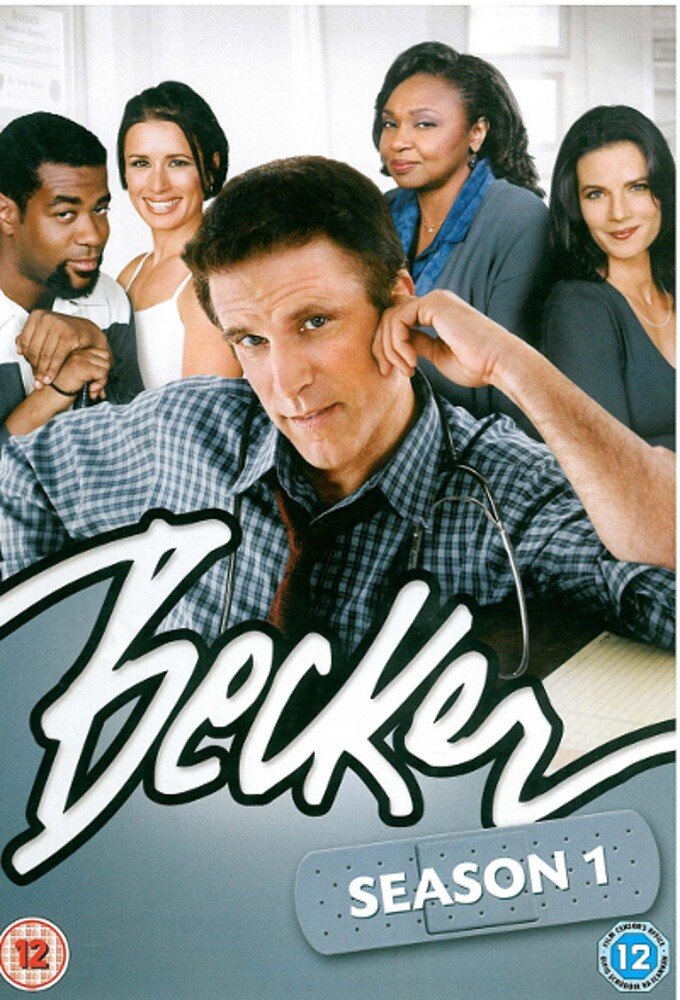
Becker1998
Ted Danson as a gruff New York doctor who can't help but care. Similar tone to Early Edition—sitcom warmth with actual stakes. Great ensemble cast and genuine affection for its characters.
But Sitcom structure means episodes reset. If you need serialization or high stakes, it won't satisfy.
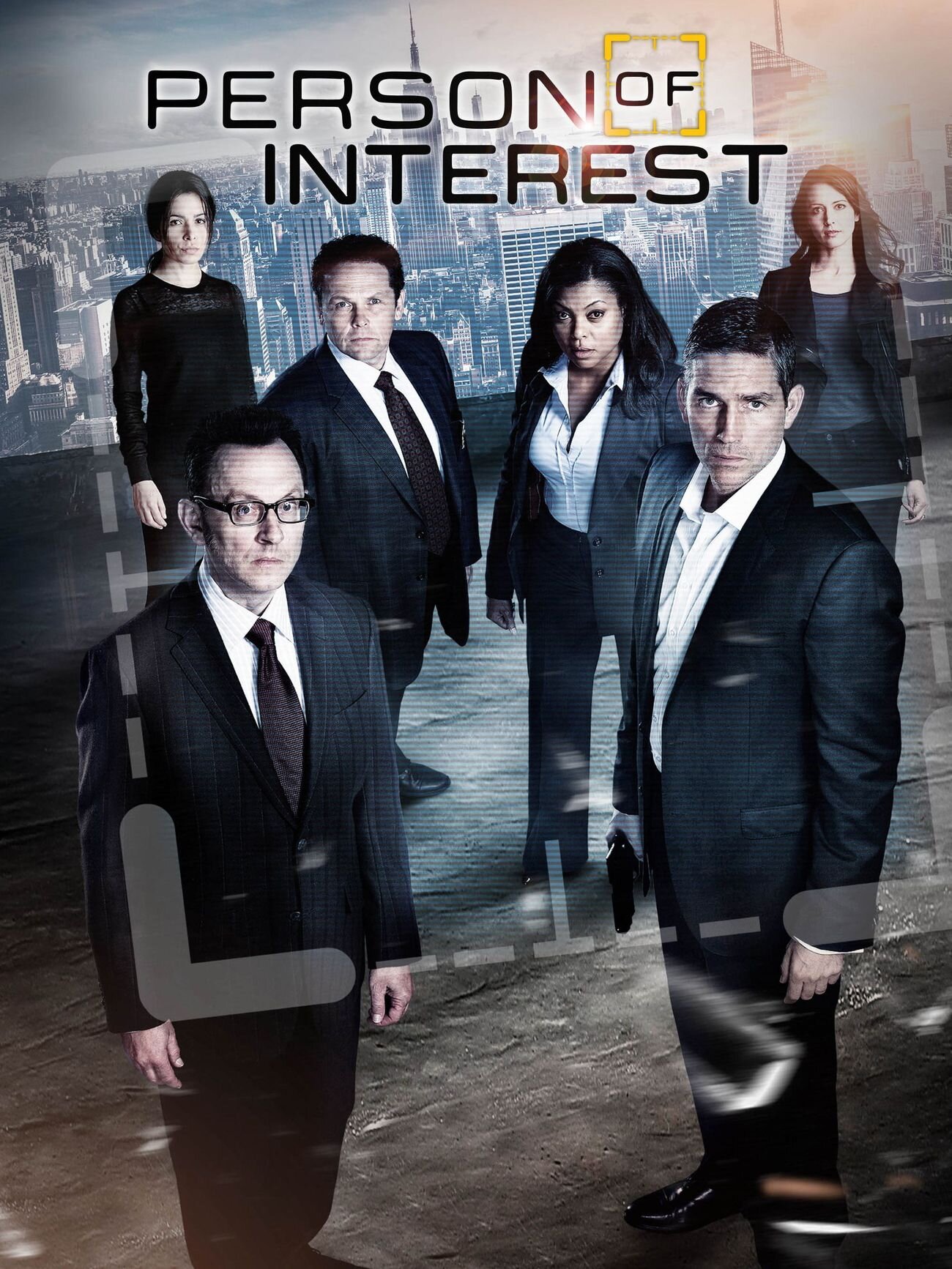
Person of Interest2011
An AI predicts crimes before they happen. Early Edition's premise scaled up: watching the tension between knowing what will happen and being able to prevent it. Lean, intelligent, grows into something unexpected.
But Procedural for several seasons. Requires commitment to pay off. Some eps are genuinely dull.
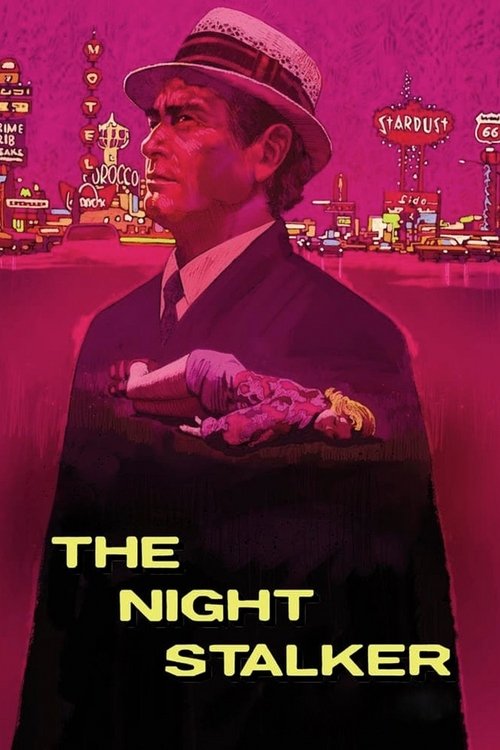
The Night Stalker1972
A reporter hunts supernatural phenomena in Chicago. Weird, wonderfully odd, and shares Early Edition's faith in one person making a difference through sheer determination and stubbornness. Cult classic with genuine charm.
But Wildly inconsistent. Some episodes are creepy; others are silly. The 70s aesthetic won't appeal to everyone.
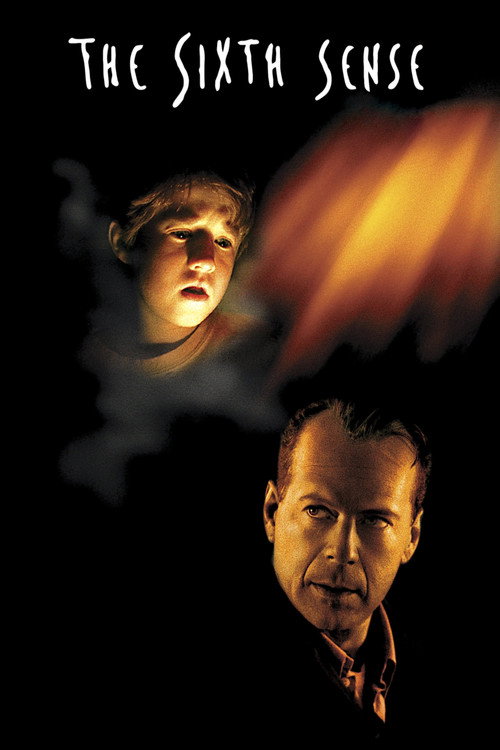
The Sixth Sense1999
Both hinge on a protagonist's credibility and moral commitment when others doubt them. Both believe in redemption through helping others. Both have a genuine supernatural element grounding the character drama.
A boy who sees dead people, a therapist determined to help. Reverses Early Edition's dynamic—here, someone else has the extraordinary gift, and the question becomes whether you can be trusted to do right by it. Devastating emotional precision. Yes, there's a twist, but it matters because the film earned it.
But Once you know the ending, the rewatchability evaporates. It's a puzzle box, not a story that deepens. Some find the sentimentality cloying.
Synecdoche, New York2008
Both explore the relationship between knowledge and action. Early Edition asks: 'If I know what happens tomorrow, what should I do?' Synecdoche asks: 'If I know what will happen, can I control it?' One is optimistic; one is a spiral. Both are fascinated by the emotional and ethical consequences of seeing too clearly.
A theater director creates an increasingly elaborate replica of New York inside a warehouse, losing his grip on reality. It's about the weight of knowing too much, seeing too far, and the paralysis that comes from understanding consequences. Baffling and brilliant. Charlie Kaufman asking: what if you could stage the future—would that help or destroy you?
But Actively difficult. Deliberately confusing, three hours, bleak despite its premise. Some will find it pretentious. It requires tolerance for ambiguity.

People
Cast


Writing
- Ian AbramsCreator
- Patrick Q. PageCreator
- Vik RubenfeldCreator
Production
- Alex TaubCo-Executive Producer
- Gary NelsonCo-Executive Producer
- Nick HardingCo-Executive Producer
- Richard HeusCo-Executive Producer
- Ian AbramsCo-Producer
- Julia RaskCo-Producer
- Norman MorrillCo-Producer
- Patrick Q. PageCo-Producer
- Steven HethCo-Producer
- Vik RubenfeldCo-Producer
- Bob BrushExecutive Producer
- Jeff MelvoinExecutive Producer
- Lillah McCarthyExecutive Producer
- Michael DinnerExecutive Producer