
Television series
Becker
- Comedy
- Dip in and out
Becker is a snappy sitcom built entirely around Ted Danson as a New York doctor who complains about everything—his patients, his staff, the weather, existence itself—yet somehow cares deeply about all of them. It's a character study dressed as a joke machine, warm underneath the grouchiness, endlessly rewatchable.
Should you watch it?
Watch it if you enjoy a grumpy, sharp-tongued lead whose cynicism is a shield, and you like sitcoms where the jokes come from stubborn character clashes rather than gimmicks.
Skip it if you want a show that feels fresh and cutting-edge, since this one runs on the familiar rhythms of a multi-camera sitcom and its gags can feel predictable.
What it asks of you: Half-hour episodes with a steady, unhurried pace, a light touch of attention, and a long run of six seasons to settle into rather than a single sitting.
Not sure? Find tonight's pick in a minute.
If you liked this
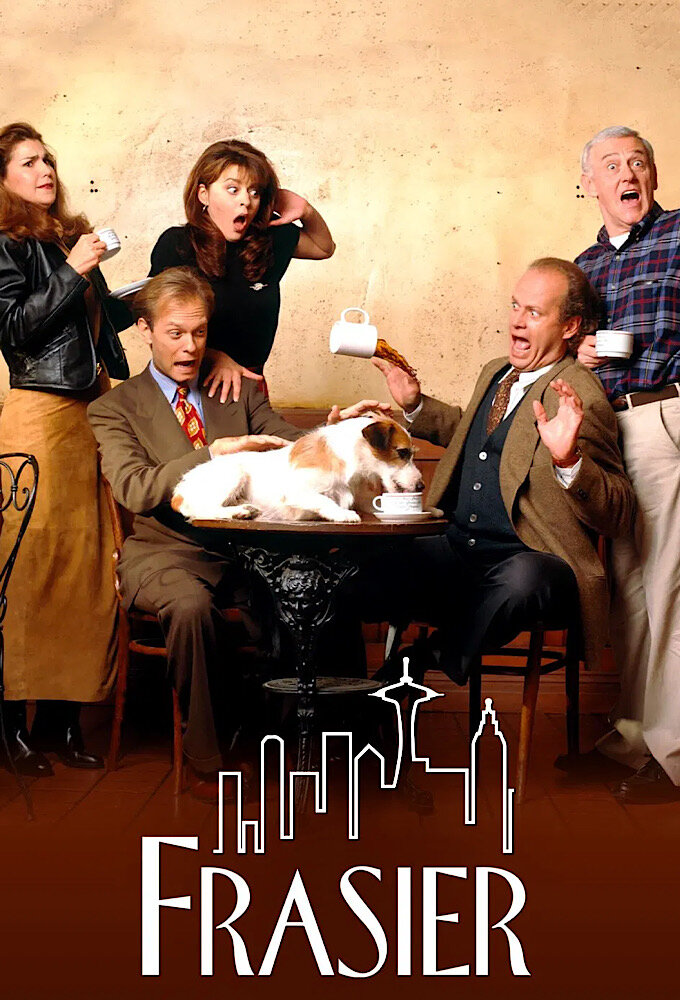
Frasier1993
Another cerebral comedy about a fastidious professional surrounded by lovable misfits in a confined space. Danson and Kelsey Grammer share that gift for making curmudgeonly characters genuinely beloved.
But If you want Frasier's theatrical sophistication, Becker's scruffier New York sensibility might feel too grounded and sardonic.
M*A*S*H1972
Both centre on a doctor using humour as armour while genuinely invested in helping people. That balance of comedy and real stakes, cynicism and heart, is identical.
But M*A*S*H gets heavier and more serious as it goes; Becker stays lighter and happier, which some find less meaningful.

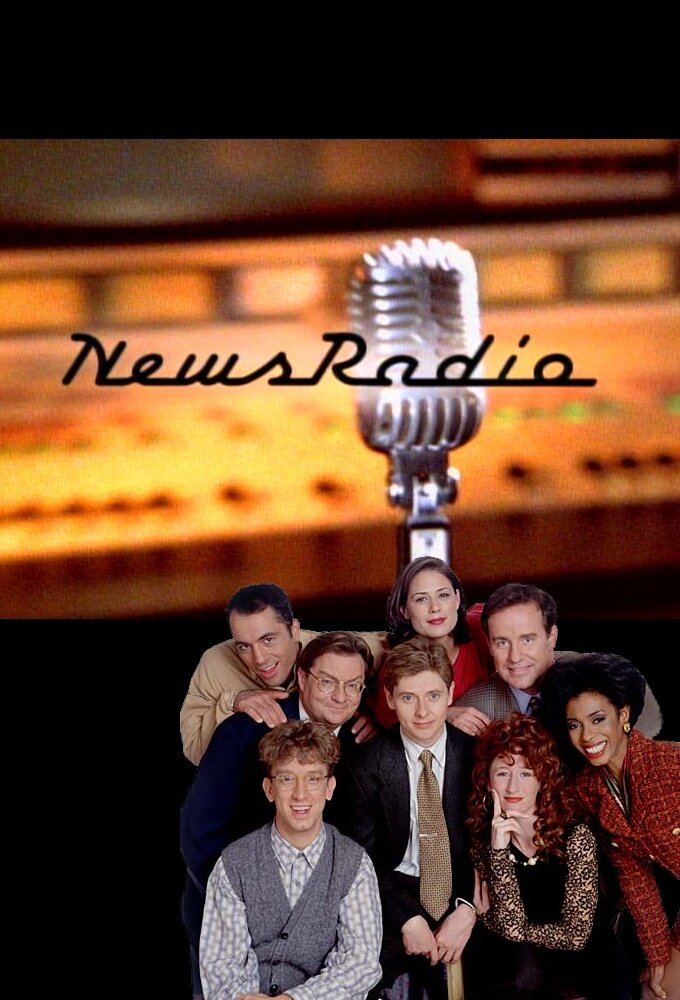
NewsRadio1995
Same era, same tone: smart ensemble comedy about workplace dysfunction, character-driven rather than plot-heavy, with genuine warmth buried under constant bickering.
But NewsRadio has a different kind of chaos—more absurdist—and a younger, edgier energy than Becker's curmudgeonly warmth.
Not sure tonight? Get a pick in a minute, starting from Becker
The wildcard
Something you would not have found on your own.
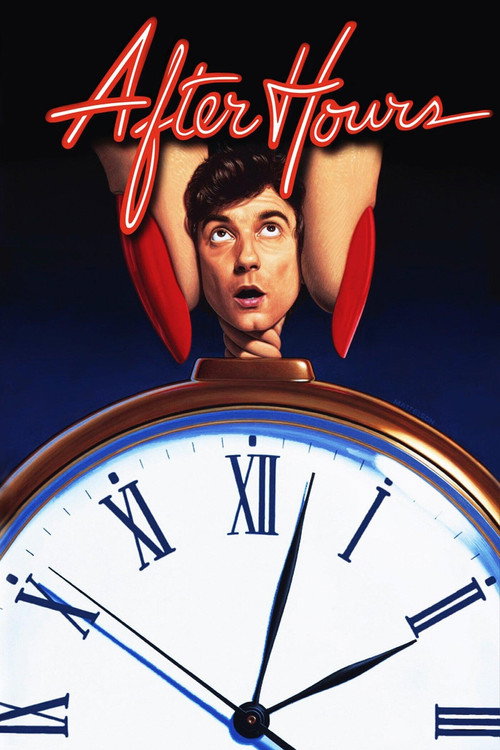
After Hours1985
Both believe that crankiness and catastrophe are often the same thing, but Scorsese doesn't let his character off the hook the way Becker does.
A film-length descent into absurdity where every encounter makes the protagonist's day worse, fueled by his own choices and attitude. It's comedic but also genuinely unsettling—Becker's cynicism played to its logical extreme.
But It's a Scorsese film with an almost Kafkaesque vibe; the comedy is dark and the mood never settles into warmth, which is the opposite of Becker's ultimate message.
More like this (8)
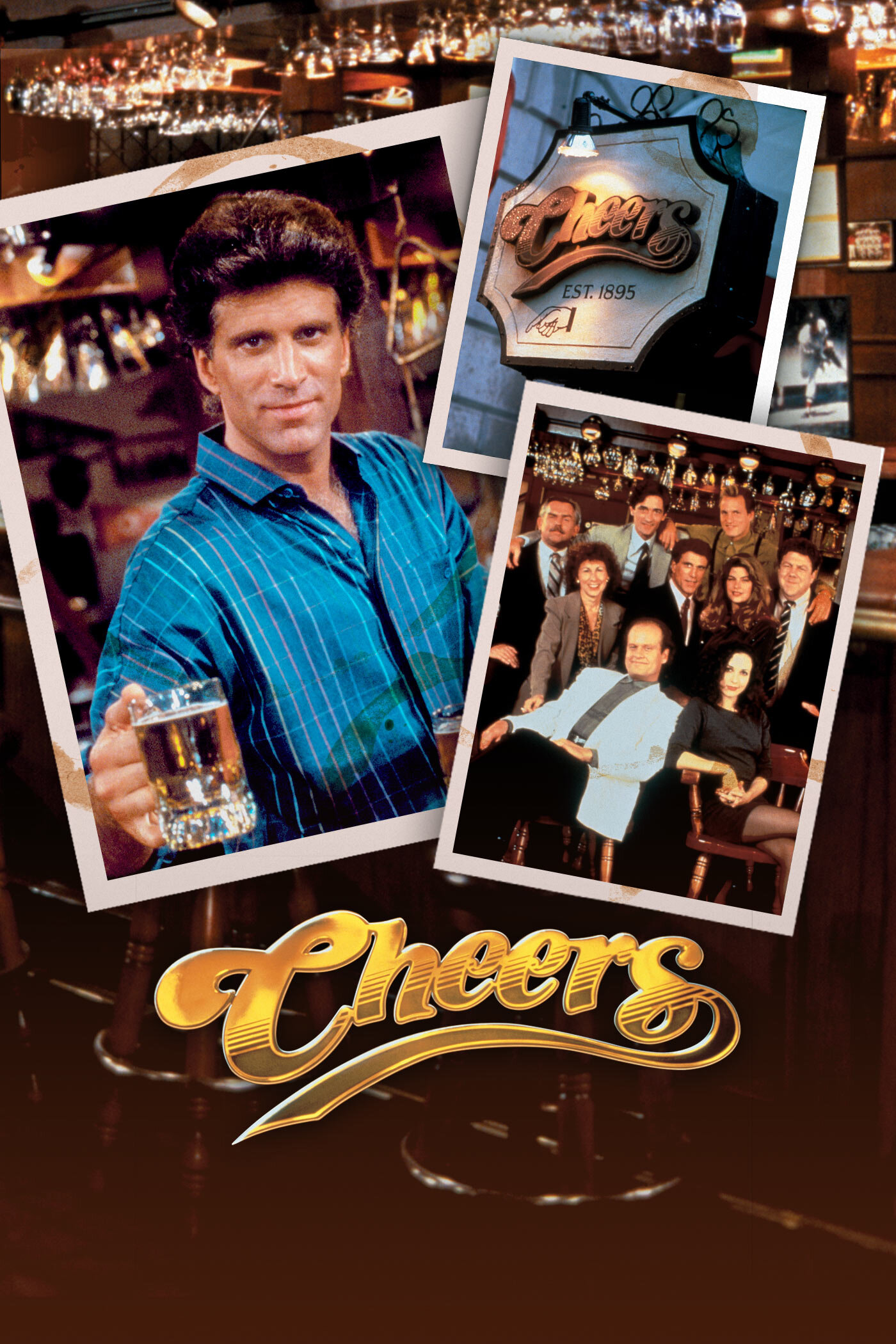
Cheers1982
The template for this entire thing: a grumpy authority figure running a small space, surrounded by distinct personalities, where cynicism masks real affection. Danson even played Samson here.
But Cheers is a bigger, slicker show with more romantic storylines; Becker is smaller, meaner, and less interested in coupling people off.
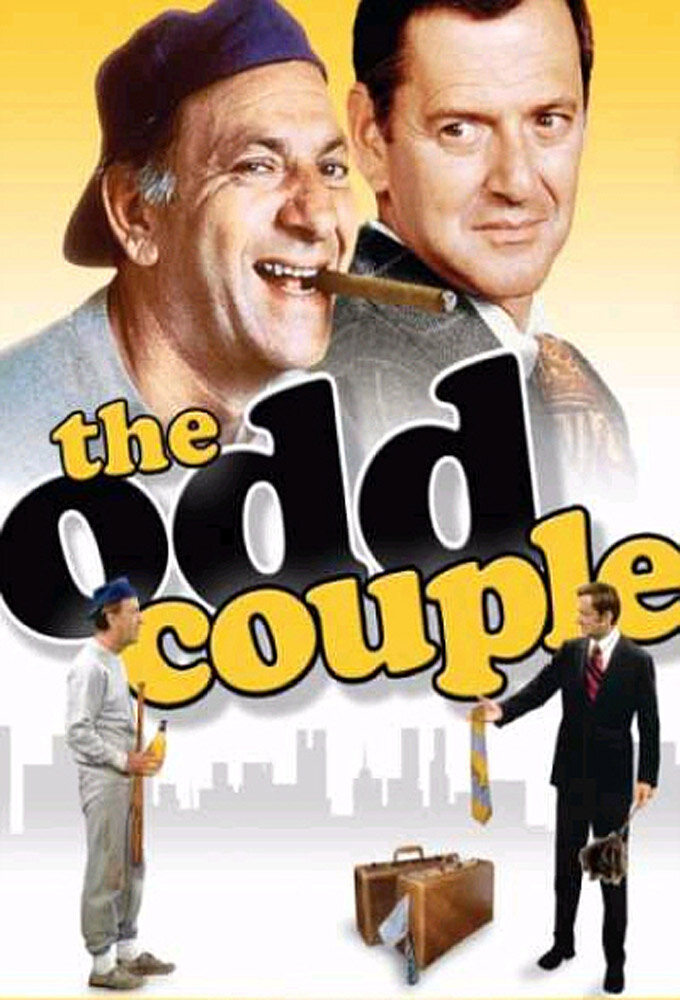
The Odd Couple1970
Another comedy about two people who bicker constantly but genuinely need each other. Same DNA, same rhythm, same discovery that crankiness and love aren't opposite things.
But It's '70s sitcom broad—if you want subtler, character-forward comedy, Becker does that better.
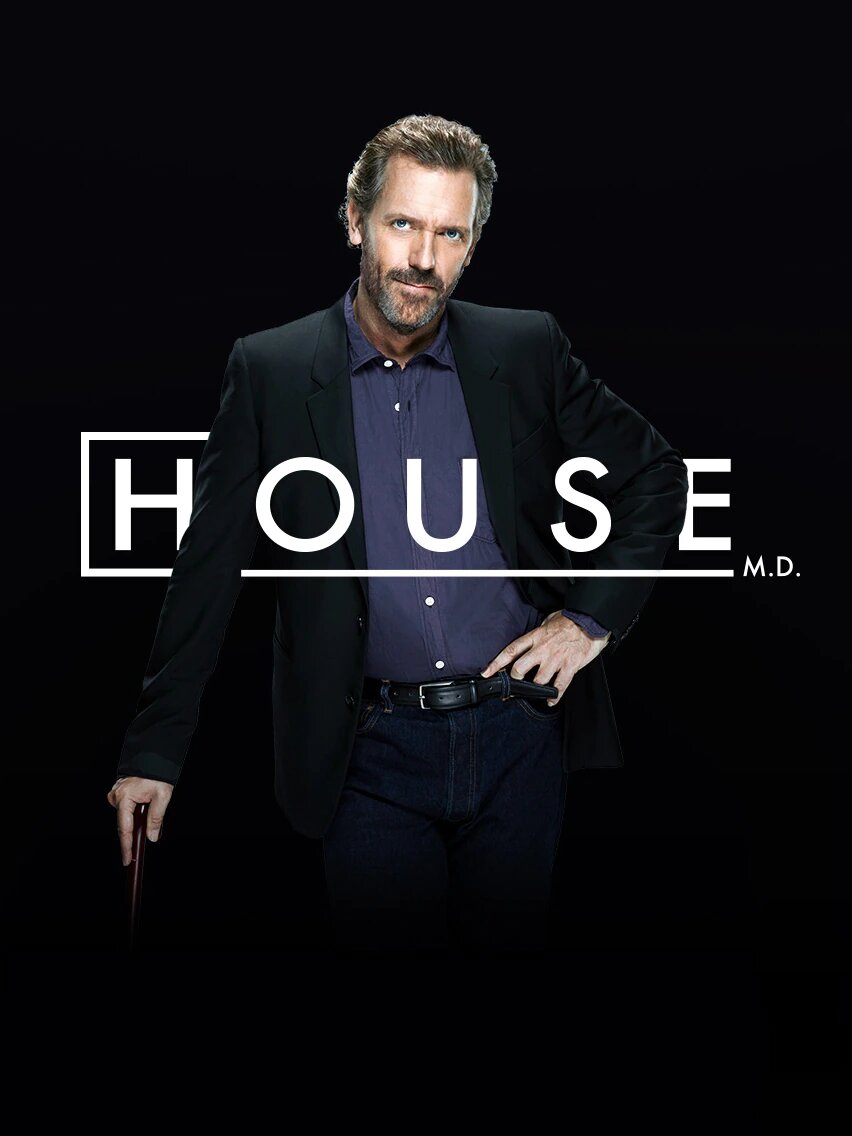
House2004
Dr. Gregory House is basically what happens if you take Becker's grouchiness and make it the entire show's central mystery. Same curmudgeonly doctor, same brilliant diagnostician beneath the rants.
But House is a drama with comedy elements; Becker is a comedy with dramatic heart. House gets darker and more self-serious as it goes on.
Scrubs2001
Hospital comedy with character-driven warmth, ensemble cast, and that same ability to land jokes and genuine feeling in the same scene. Less cynical than Becker but recognizes the same truths.
But Scrubs is sweeter and more earnest; if you want Becker's harder edge and sharper barbs, this might feel too soft-hearted.

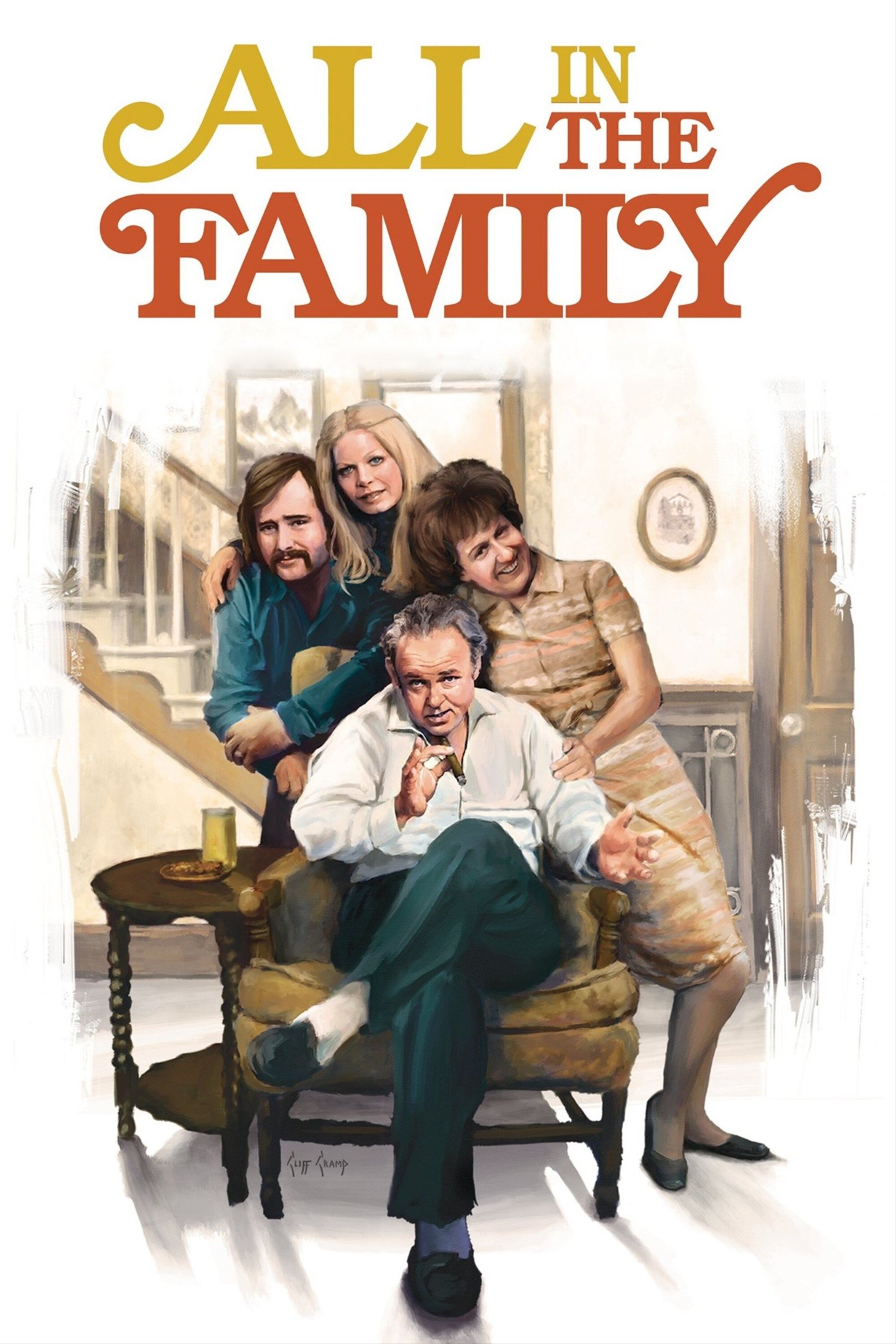
All in the Family1971
Another show built around a loudmouth who says what he thinks, surrounded by people who love him despite—or because of—his mouth. The same alchemy of crankiness and genuine decency.
But All in the Family is explicitly political in ways Becker never is, and its satire lands differently. Archie Bunker is a different beast.
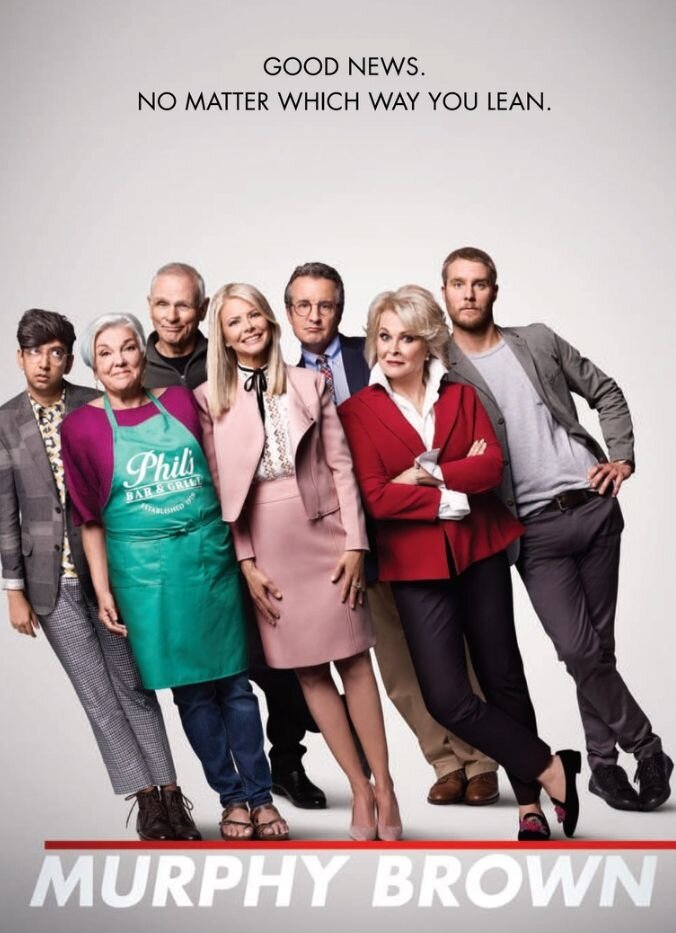
Murphy Brown1988
A similarly smart ensemble sitcom about a professional in a workplace, with sharp writing and real character development happening between the laughs.
But Murphy Brown is more interested in topical satire and workplace politics; Becker cares less about the outside world and more about the internal dynamics.
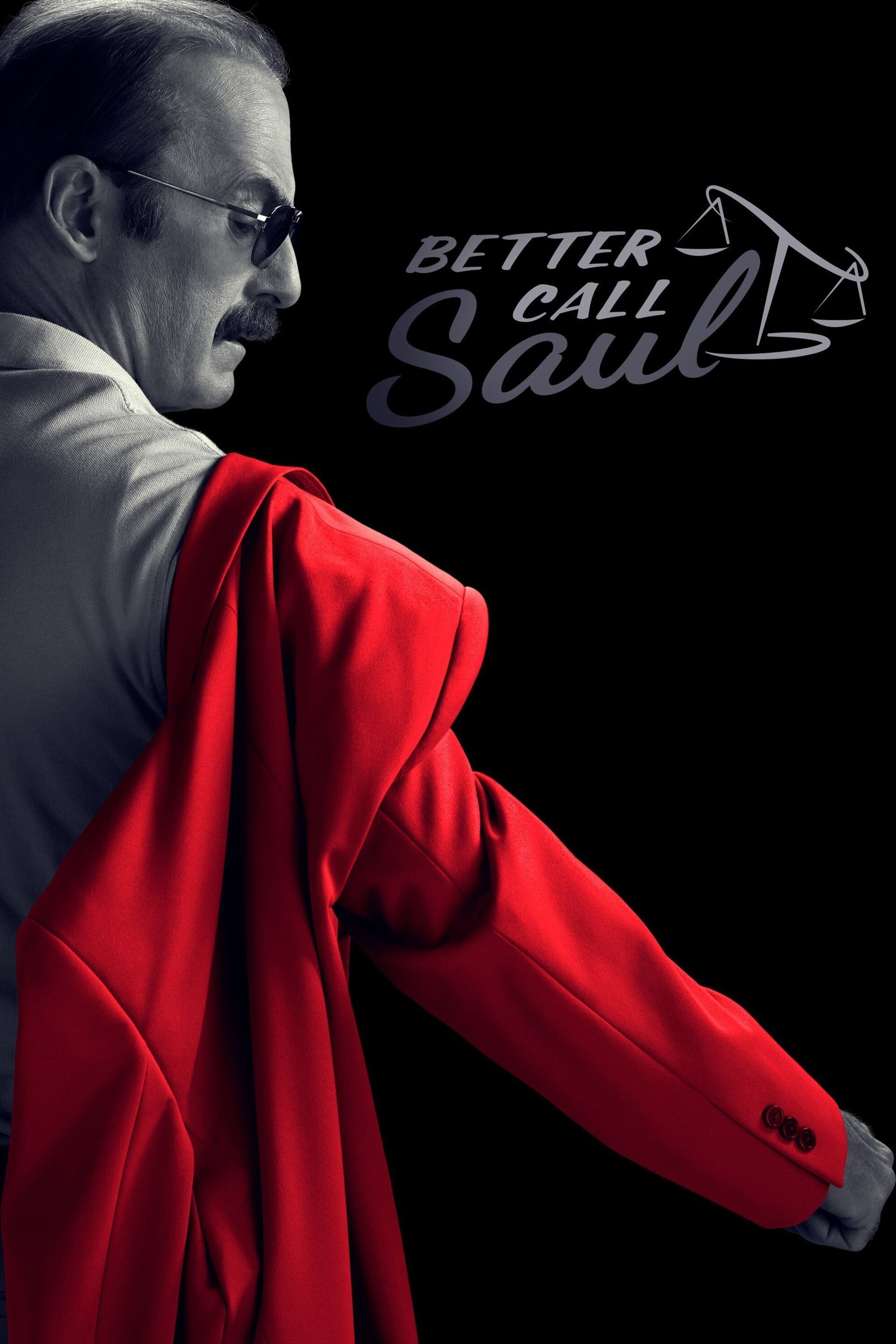
Better Call Saul2015
Both are fundamentally about a person whose worst self is so much easier to show than their best, and the cost of that choice.
A character study of a man who hides his genuine decency behind a persona of manipulation and complaint. The comedy is different—darker, slower—but the architecture is the same: watching someone be worse than they need to be.
But It's a drama masquerading as a comedy, slow-burn rather than joke-per-minute, and ends in genuine tragedy. Becker never gets that bleak.
The Simpsons1989
Both shows understand that someone can be infuriating and lovable in exactly the same moment, and that's not a contradiction—it's the whole point.
Homer Simpson is Becker's spiritual cousin—a man who complains, irritates, and stumbles through life, yet anchors a show about people who depend on him. The structure of affection-through-exasperation is identical.
But The Simpsons is animated and increasingly uneven; it's episodic rather than character-driven, and has no particular style or warmth of its own anymore.

People
Cast




Writing
- Dave HackelCreator
- Dana KleinExecutive Story Editor
- Kate AngeloExecutive Story Editor
- Liz AstrofExecutive Story Editor
- Marsha MyersExecutive Story Editor
- Matthew WeinerExecutive Story Editor
- Michael MarkowitzExecutive Story Editor
- Dana KleinStory Editor
- Kate AngeloStory Editor
Production
- Leslie ArrasAssociate Producer
- Mark PetullaAssociate Producer
- Gary DontzigCo-Executive Producer
- Ian GurvitzCo-Executive Producer
- Russ WoodyCo-Executive Producer
- Steven PetermanCo-Executive Producer
- Cheryl DowneyCo-Producer
- Darryl BatesCo-Producer
- Liz AstrofCo-Producer
- Lori A. MoneymakerCo-Producer
- Maisha ClossonCo-Producer
- Marsha MyersCo-Producer
- Matthew WeinerCo-Producer
- Matt EmberConsulting Producer
- Michael MarkowitzConsulting Producer
- Dave HackelExecutive Producer
- Ian GurvitzExecutive Producer
- Andy AckermanProducer
- Matthew WeinerProducer
- Michael MarkowitzProducer
- Michael RoweProducer
- Tim BerryProducer
- Gigi McCreerySupervising Producer
- Marsha MyersSupervising Producer
- Michael MarkowitzSupervising Producer
- Perry ReinSupervising Producer
Recommended by
My Family, Angie Tribeca, Early Edition, Dilbert, Downtown, Kevin Can Wait, F.I.R.