
Television series
All in the Family
All in the Family turned the sitcom living room into a battlefield for the era's loudest arguments: race, war, feminism, faith. Archie Bunker roars his prejudices from his armchair while his family push back, and the laughs come with a wince attached. Groundbreaking, uncomfortable, and still funnier than most shows willing to go anywhere near this territory.
If you liked this
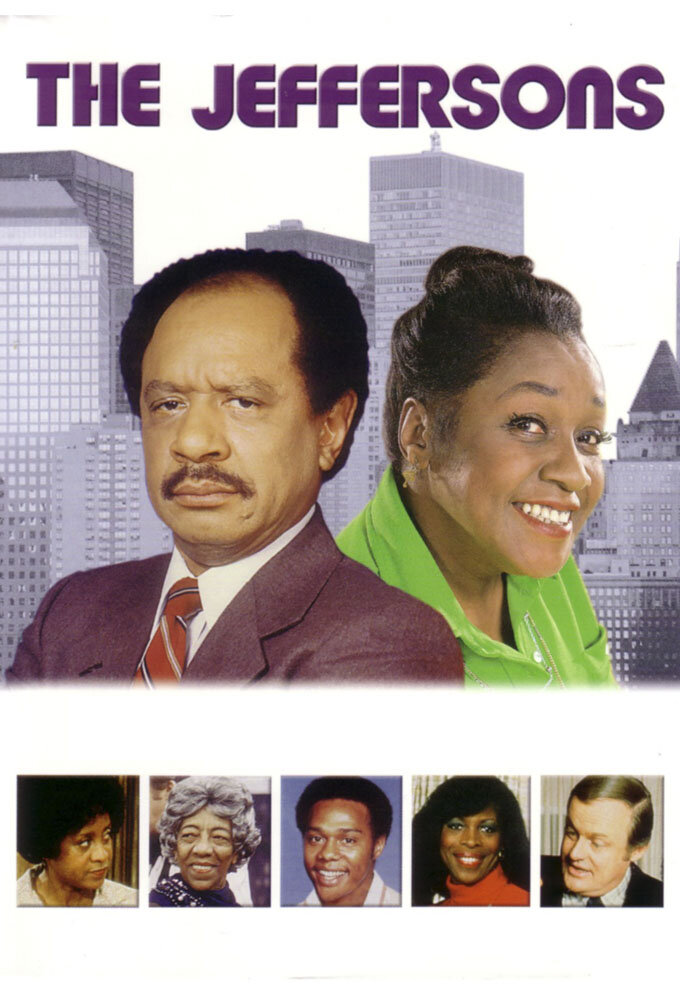
The Jeffersons1975
Archie's former neighbours get their own show, and George Jefferson is every bit as loud, proud and wrong as Archie—just wealthier and Black. Same DNA, same bite, a mirror-image bigot to love and argue with.
But The theme song alone tells you it's broader and glossier than the original—less bite, more sitcom polish.
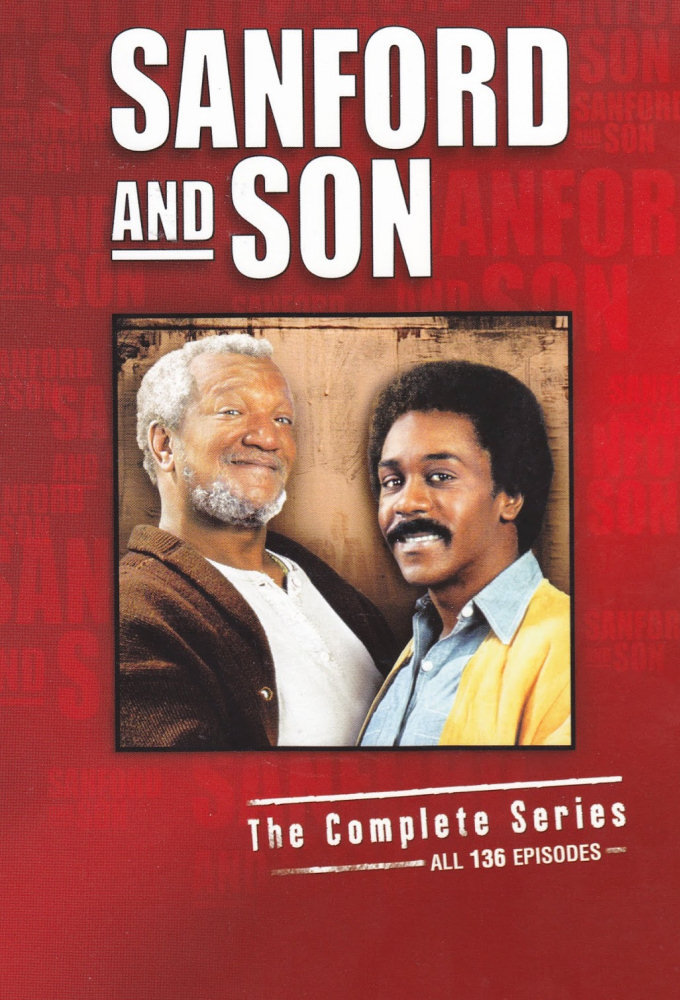
Sanford and Son1972
Redd Foxx's junkman patriarch is Archie's working-class cousin in spirit—cantankerous, hilarious, always scheming, always loving underneath it. Same Lear engine, transplanted to Watts, with a father-son dynamic just as combustible as Archie and Mike's.
But It leans more broadly comic and less issue-driven than All in the Family—fewer sharp edges, more sitcom shtick.
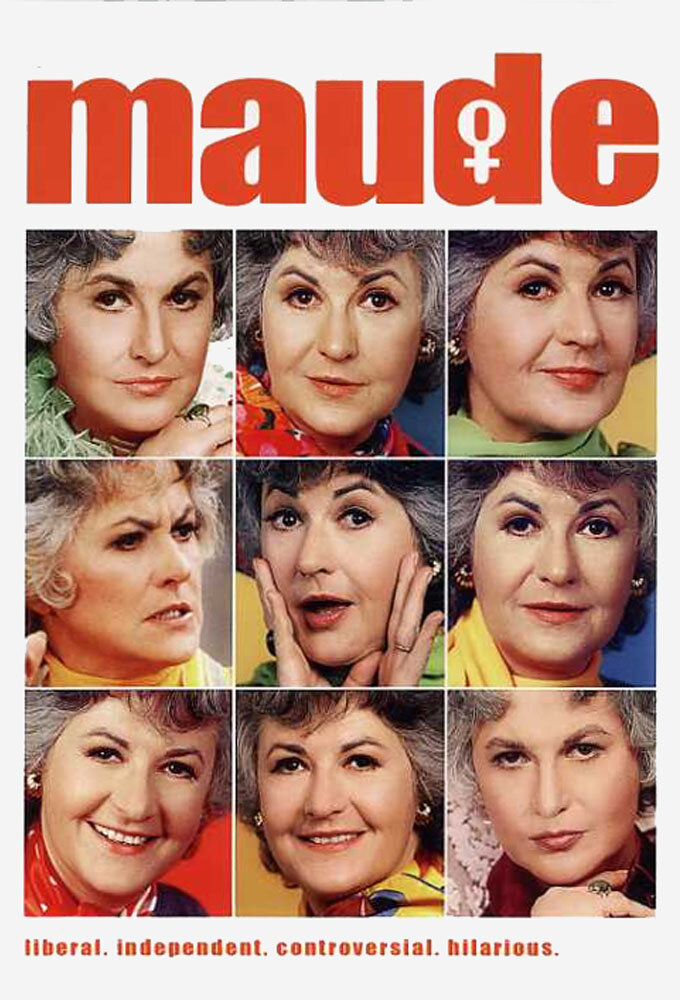
Maude1972
Archie's loudest opponent gets her own show: Edith's cousin Maude is brash, liberal, and just as certain she's right as Archie ever was. It's the argument from the other side of the room, equally funny.
But Maude can be preachier than Archie's show ever was—the politics sometimes crowd out the comedy.
The wildcard
Something you would not have found on your own.
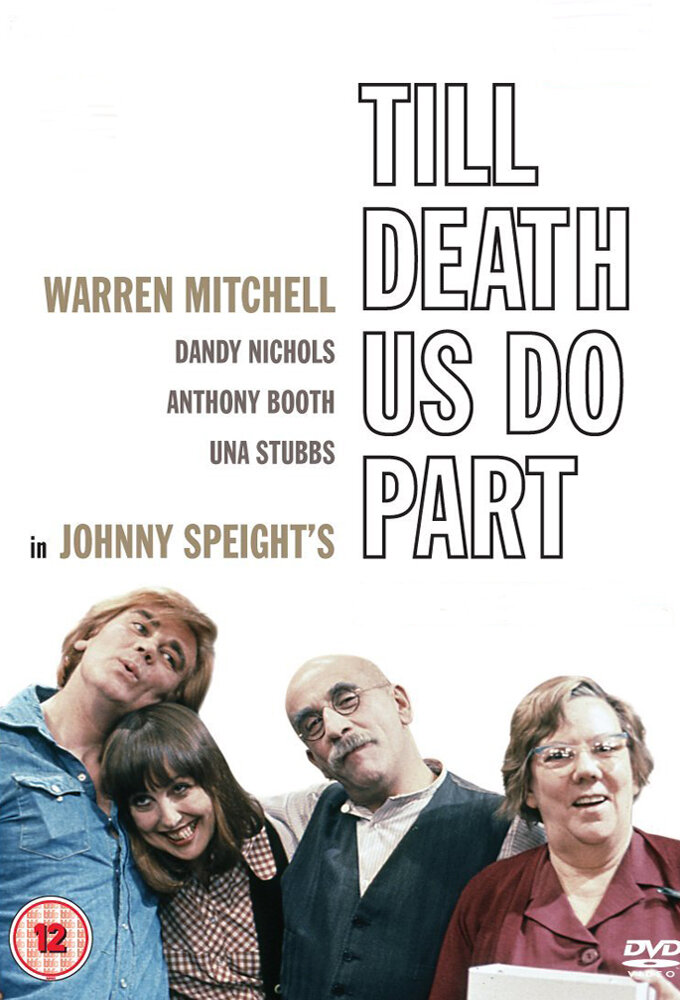
Till Death Us Do Part1966
This is the actual British sitcom All in the Family was adapted from—same bigoted patriarch, same shouting matches with his son-in-law, years earlier and in a very different accent.
See where Archie Bunker actually came from: Alf Garnett, an even more venomous London bigot, ranting at his son-in-law across the same cramped sitting room. Rougher, meaner, and startling for how much of the format survived the crossing intact.
But It's harsher and less sentimental than the American version, with none of Archie's softening moments.
More like this (8)
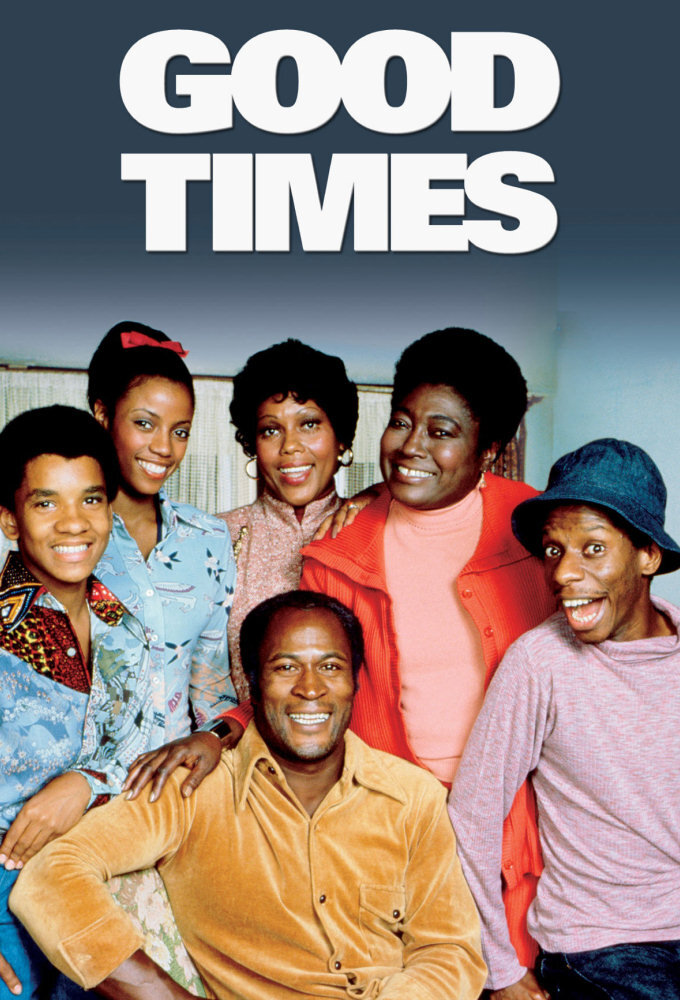
Good Times1974
Spun off from Maude, spun off from Archie's world, this one drops the sitcom cushioning and looks hard at poverty and struggle in Chicago. Funny, but willing to sit with real hardship in a way its ancestor only gestured at.
But The laughs thin out as the show goes on and the tone tilts heavier and sadder.
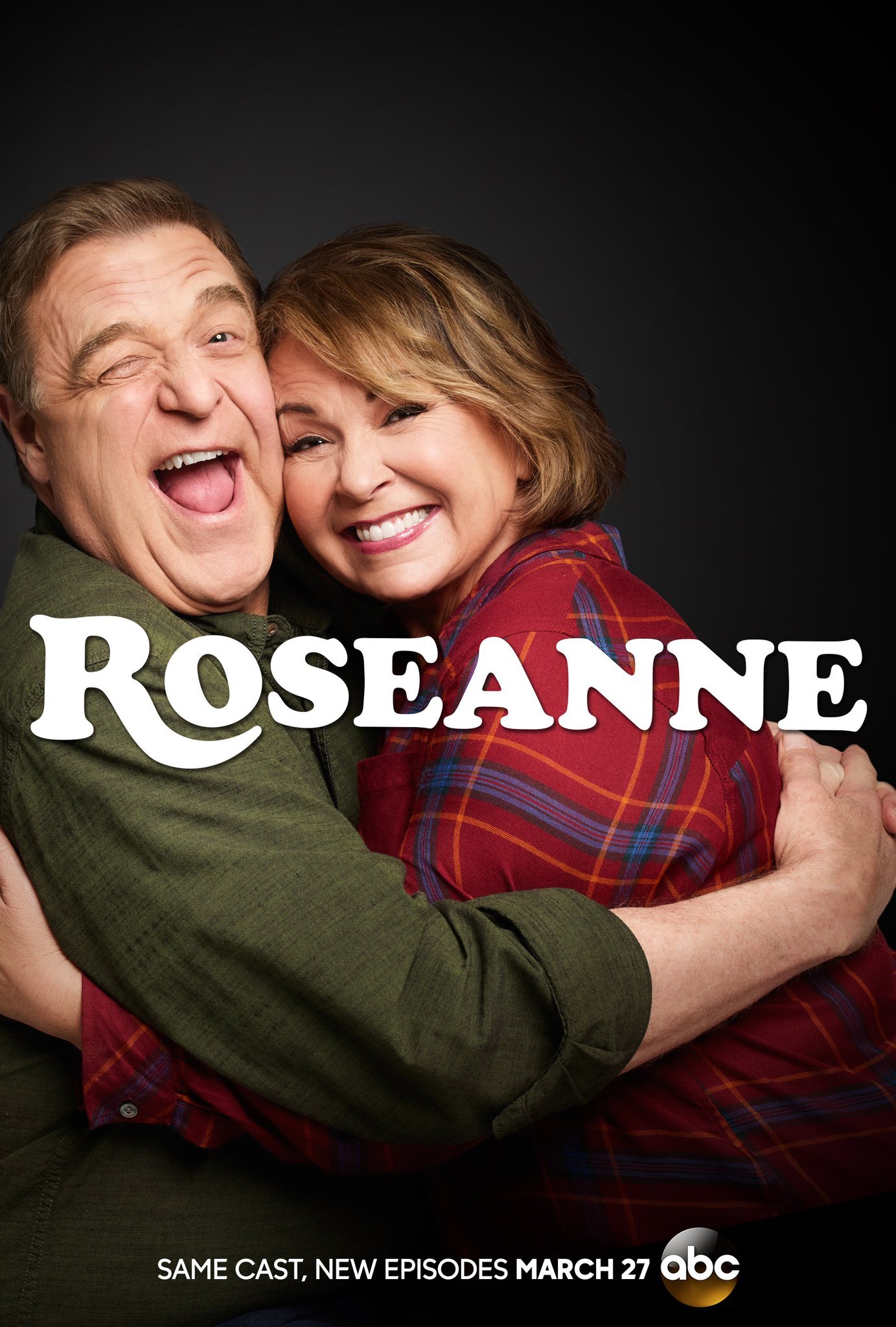
Roseanne1988
Take Archie's blue-collar gripes, hand them to a working mother instead, and you get Roseanne—cheaper furniture, sharper mouths, same refusal to pretend money worries don't exist. A worthy heir for the difficult, lovable-family-member formula.
But Later seasons wobble, and the endless behind-the-scenes drama can make it hard to watch straight.
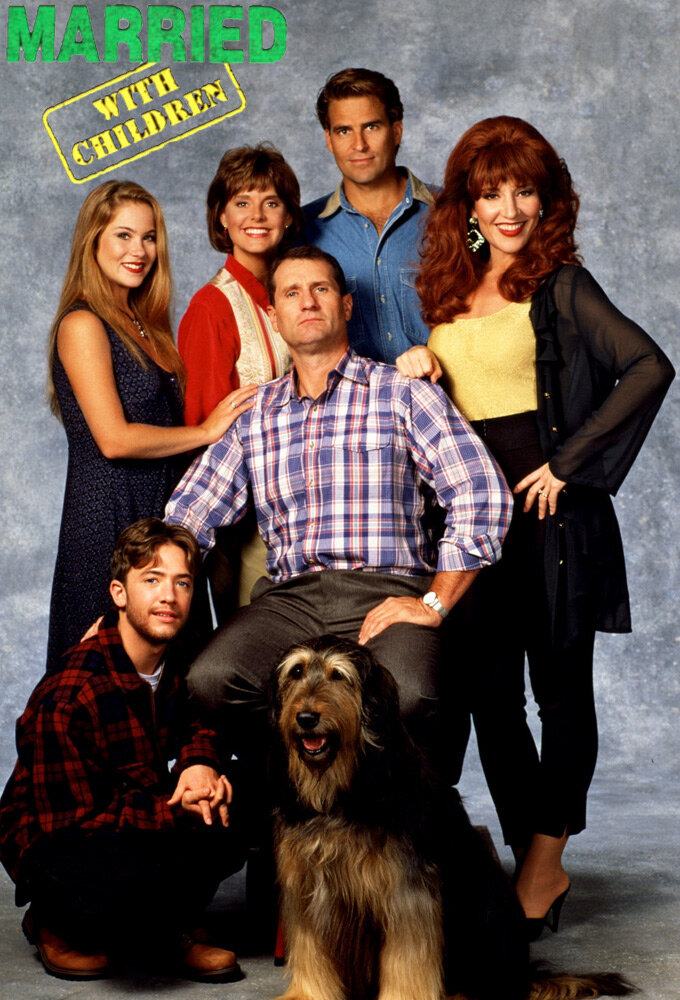
Married... with Children1987
If you want the ugliest, trashiest, most cheerfully mean-spirited descendant of Archie's living-room grouching, this is it. No warmth underneath, none of Archie's soft centre—just pure, gleeful crassness for people who want the bite without the lesson.
But There's none of Archie's tenderness here, just relentless contempt for everyone in the frame—might be exactly what you don't want.
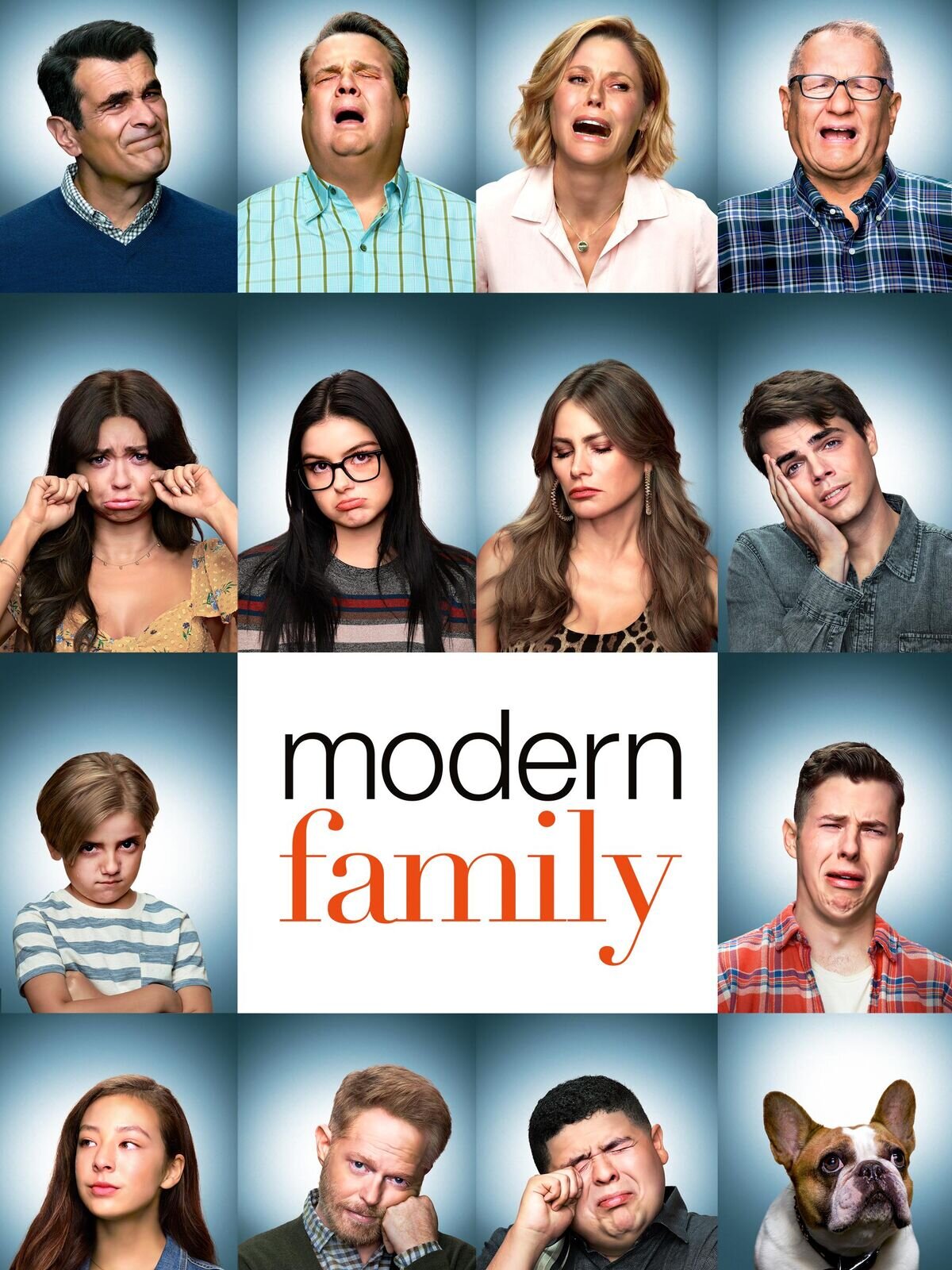
Modern Family2009
The same idea—loud family, generational clash, uncomfortable truths played for laughs—reworked for a gentler era. Less confrontation, more warmth, but it's still fundamentally a house full of people who love each other and drive each other up the wall.
But It never risks anything like Archie's bigotry—the edges are sanded down for modern comfort viewing.
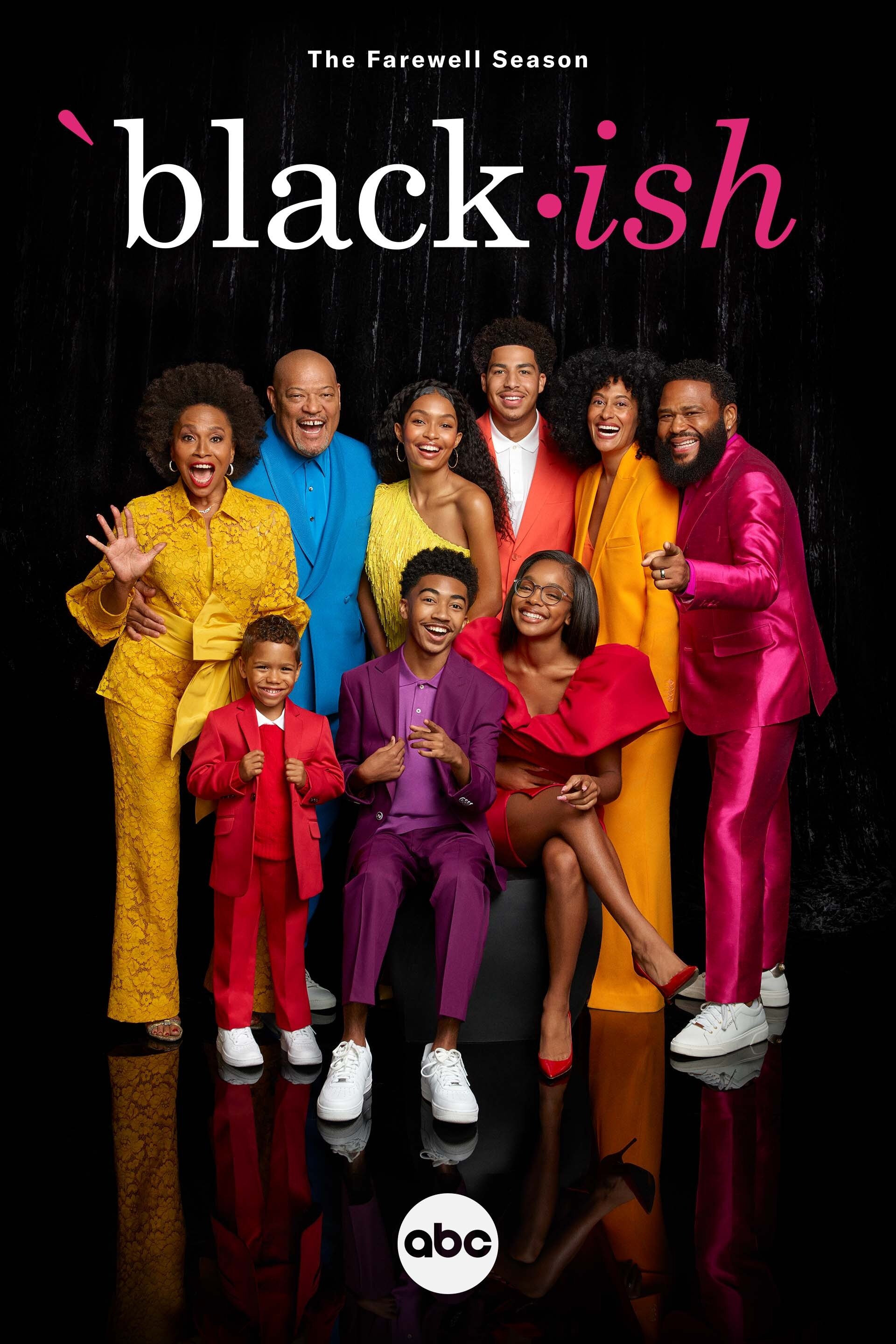
black-ish2014
A direct descendant that flips the lens: a Black family arguing about race, assimilation, and generational politics around the dinner table, with the same sitcom instinct for making an argument funny before it makes you think.
But Its multi-cam sitcom rhythms and neat resolutions can feel a little dated next to newer single-camera comedies.
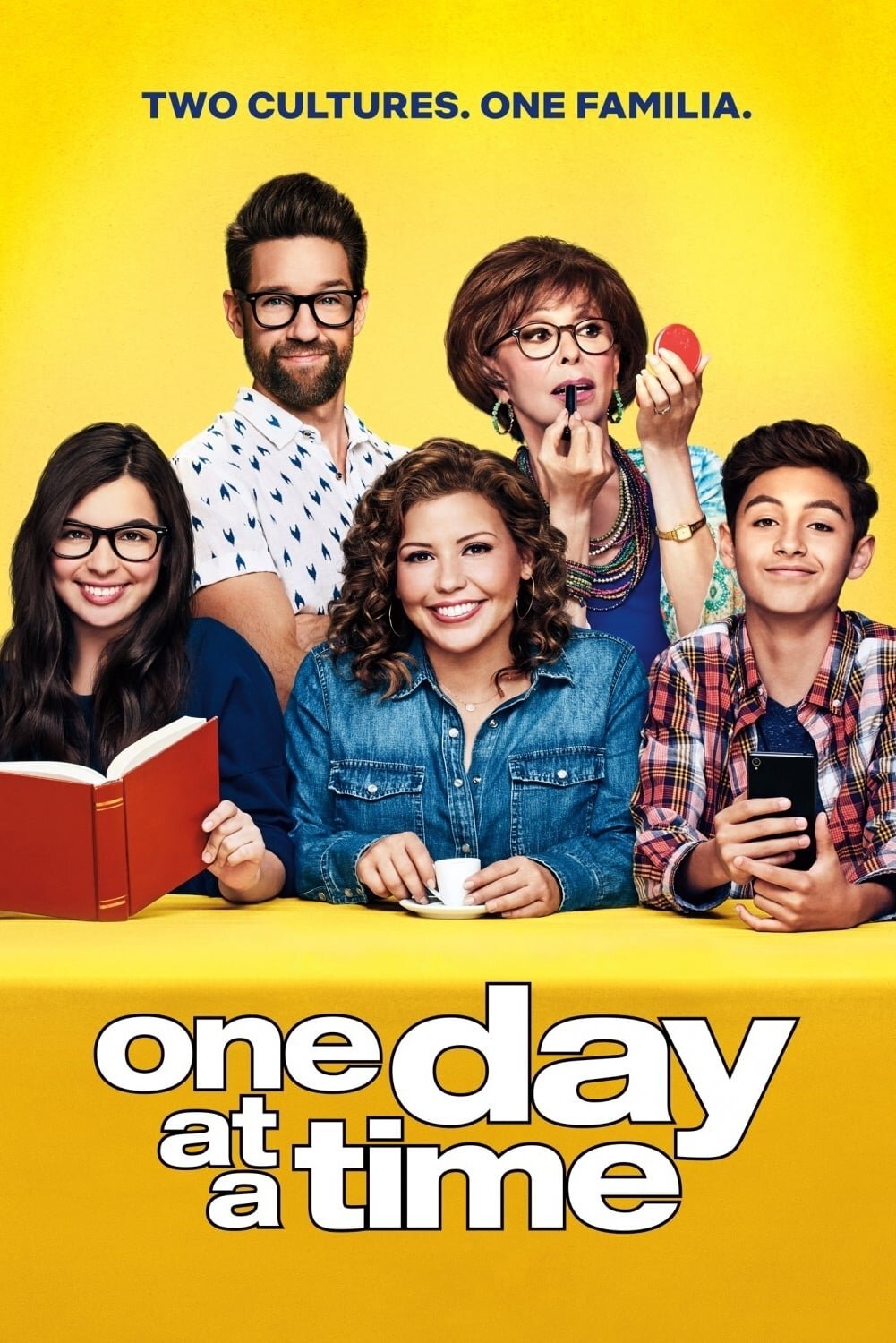
One Day at a Time2017
Norman Lear himself produced this reboot, swapping the Bunkers for a Cuban-American family in Los Angeles. Same appetite for tackling immigration, sexuality, and generational conflict head-on, filmed in front of a live audience like the original.
But It's warmer and more openly sentimental than Archie's show ever allowed itself to be, which some viewers may find soft.
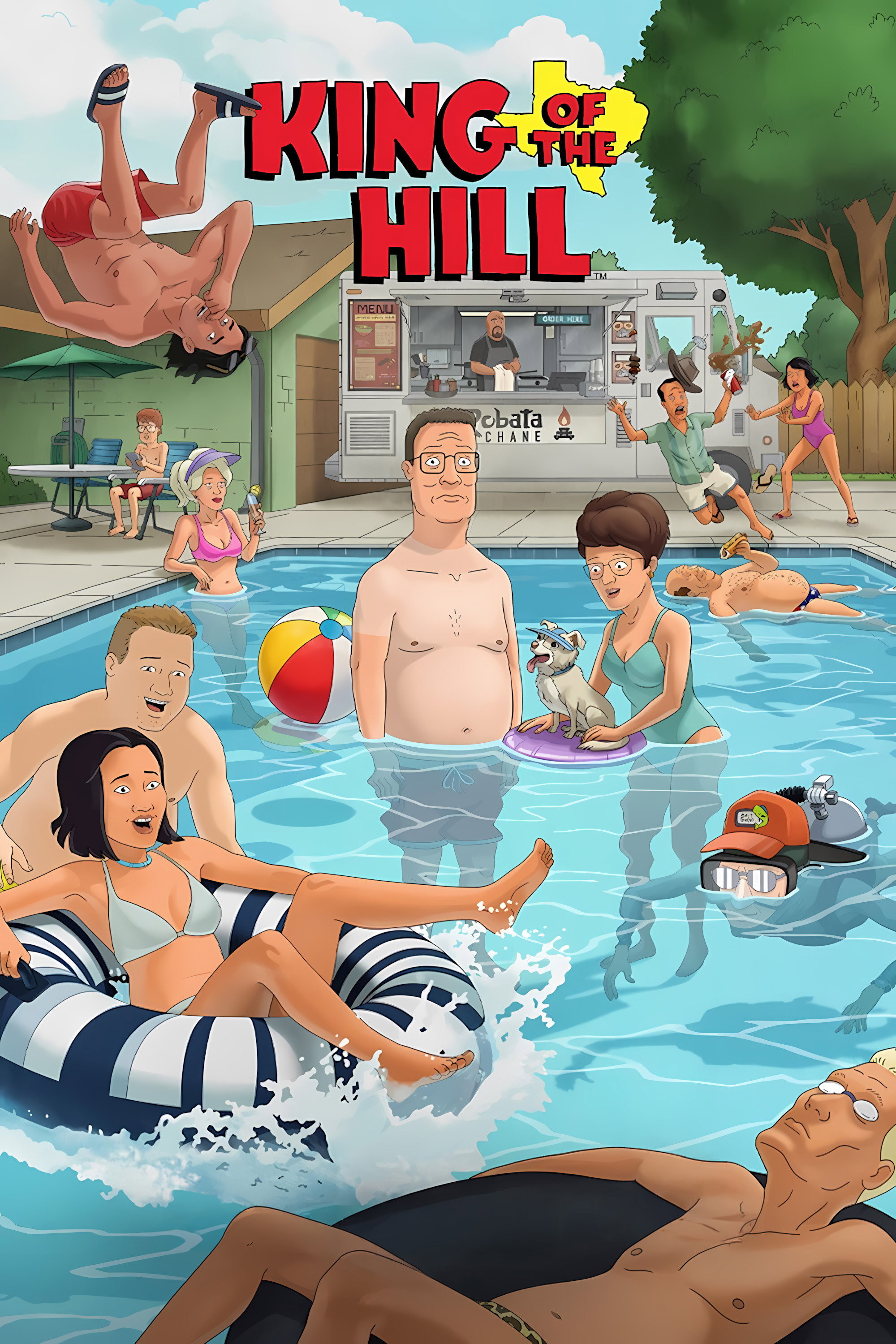
King of the Hill1997
Hank Hill is Archie Bunker's spiritual grandson: another conservative, blue-collar patriarch baffled by a changing world, but drawn as a cartoon and treated with real affection instead of satire.
Same premise—stubborn dad, changing world, family holding the whole thing together—but animated and gentler, propane-obsessed instead of politically inflamed. It finds warmth in a character type All in the Family used mostly to provoke.
But The pace is slower and the stakes are smaller; nothing here bites the way Archie could.
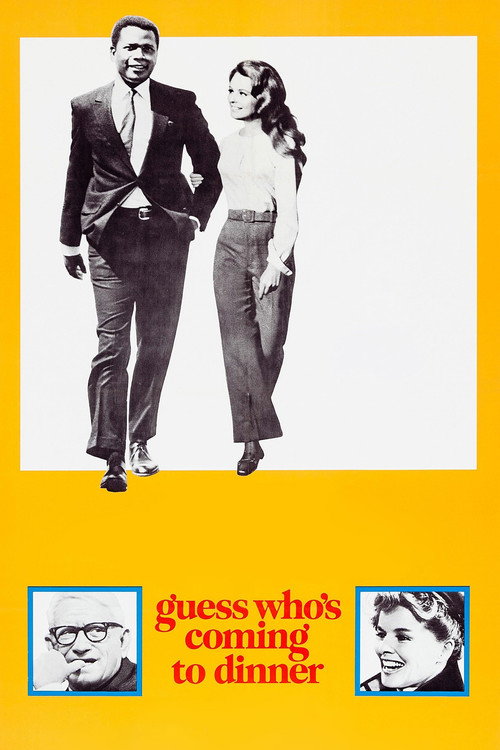
Guess Who's Coming to Dinner1967
Made just a few years before Archie Bunker arrived, this is the same dinner-table collision of old prejudice and new reality, played completely straight instead of for laughs.
Same year, same anxious America, same setup—parents confronting their own prejudice across a dinner table—but here it's drama, not comedy, and every silence lands like a gut-punch. Essential companion piece for the era's other argument about race.
But It's stagey and dated in its politics of politeness, and it can feel like a message movie first.
People
Cast



Writing
- Johnny SpeightCreator
Production
- Brigit JensenAssociate Producer
- Gene MarcioneAssociate Producer
- George TurpinAssociate Producer
- Jane ThompsonAssociate Producer
- Bernard WestExecutive Producer
- Don NichollExecutive Producer
- Hal KanterExecutive Producer
- Heywood KlingExecutive Producer
- Mort LachmanExecutive Producer
- Norman LearExecutive Producer
Recommended by
Kim's Convenience, One Day at a Time, The Jeffersons, Till Death Us Do Part, Chico and the Man, Family Ties, Maude, Soap, The Odd Couple, Good Times, Sanford and Son, The Simpsons