
Television series
Maude
Maude Findlay marches through 1970s suburbia armed with opinions on abortion, alcoholism, menopause and everything else network television was too scared to touch, and Bea Arthur plays her like a force of nature in sensible tweed. It's a half-hour comedy that dares you to laugh while it argues with you — brash, occasionally wrenching, never comfortable. Watch it for the nerve, not just the punchlines.
If you liked this
All in the Family1971
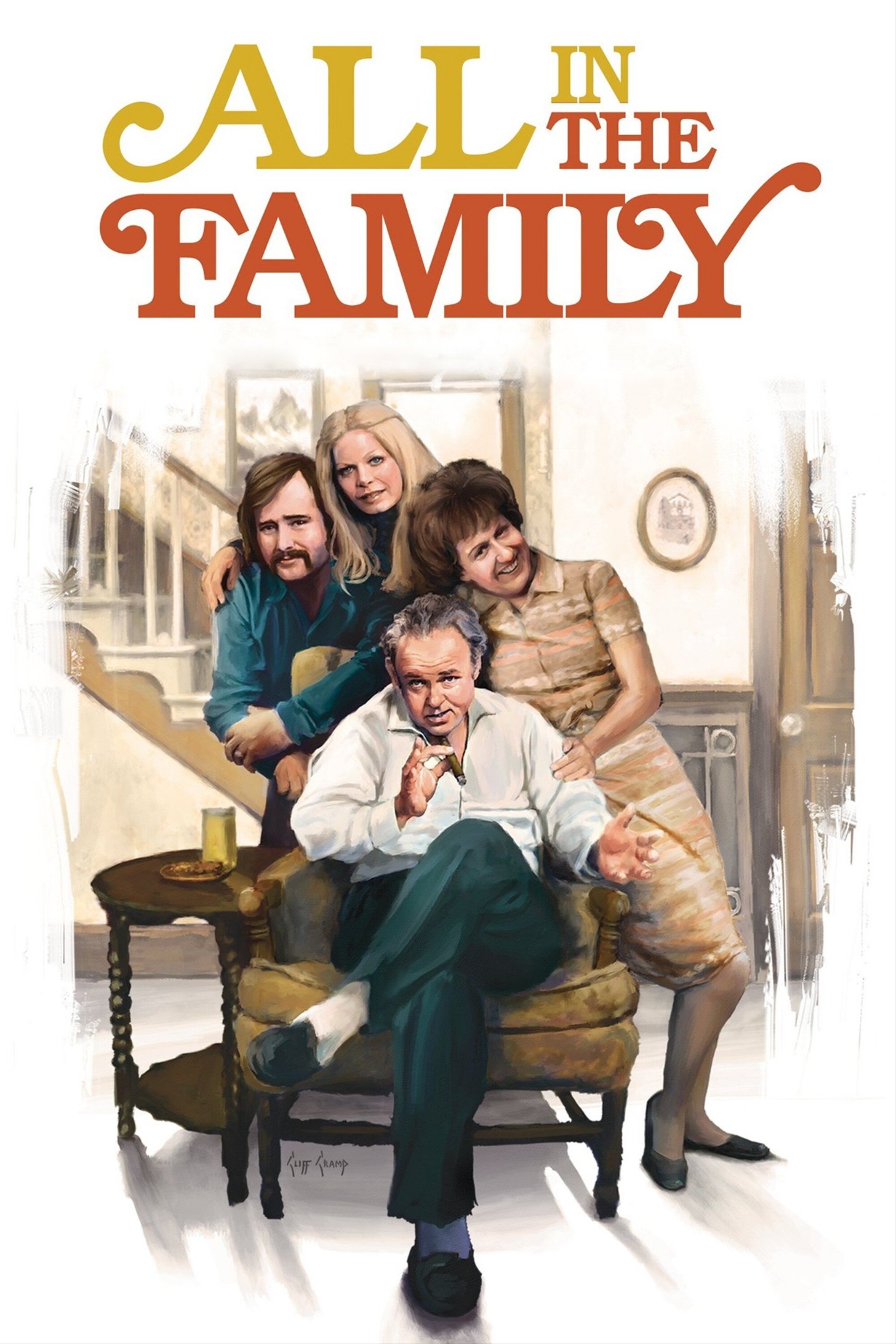
This is where Maude was born — two guest episodes as Edith's loudmouth liberal cousin turned into her own show. Archie Bunker's bigotry versus righteous argument is the same Lear formula, only rawer, angrier, and just as unafraid of a room gone silent.
But Archie's slurs land uncomfortably today even deployed as satire, and some episodes read more like op-eds than comedy.
The Golden Girls1985
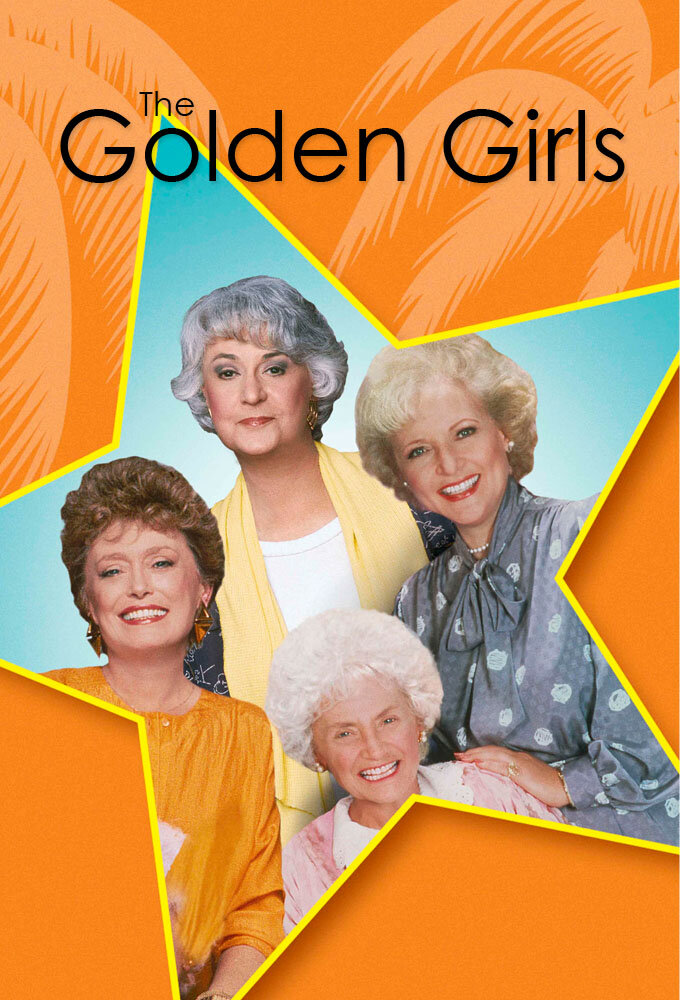
Bea Arthur again, thirteen years wiser and considerably softer, proving Dorothy Zbornak was Maude's spirit rearranged for a gentler decade — same withering delivery, same moral spine, wrapped in warmth and four-woman friendship instead of one household's arguments.
But It trades Maude's political teeth for cosier sitcom comfort; if you wanted the fights, you'll miss them.
Good Times1974
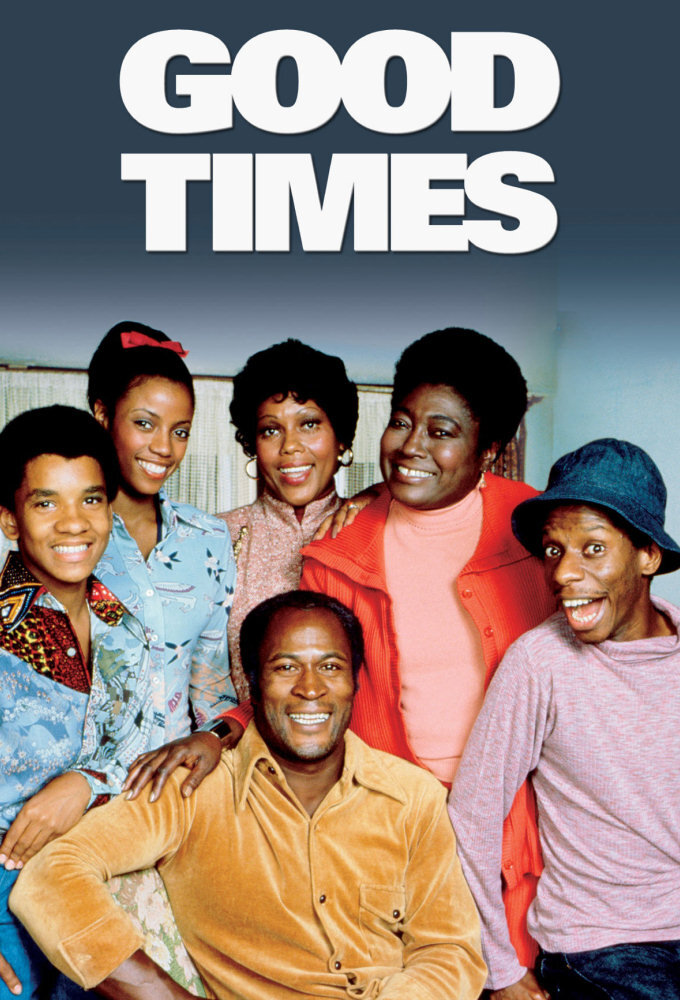
Maude's housekeeper Florida Evans got her own spinoff, essential for seeing how Lear's social conscience worked when the family at the centre wasn't affluent and white. Funnier and sadder than its reputation suggests.
But Network interference flattened some of its ambition into broader comedy by the later seasons, notably around JJ.
The wildcard
Something you would not have found on your own.
A Woman Under the Influence1974
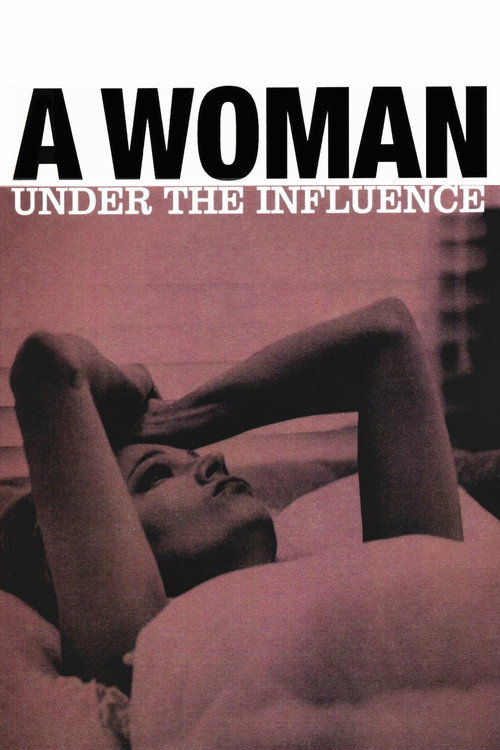
Both put a large, loudly feeling woman at the centre of a marriage and dare the audience not to look away — one through jokes, the other through unfiltered breakdown.
Gena Rowlands' performance as a suburban wife unraveling is the drama Maude's comedy keeps circling without ever landing on — same decade, same domestic pressure cooker, but played entirely straight and almost unbearably intimate.
But It's long, raw and genuinely distressing; there's no laugh track here to release the tension.
More like this (8)
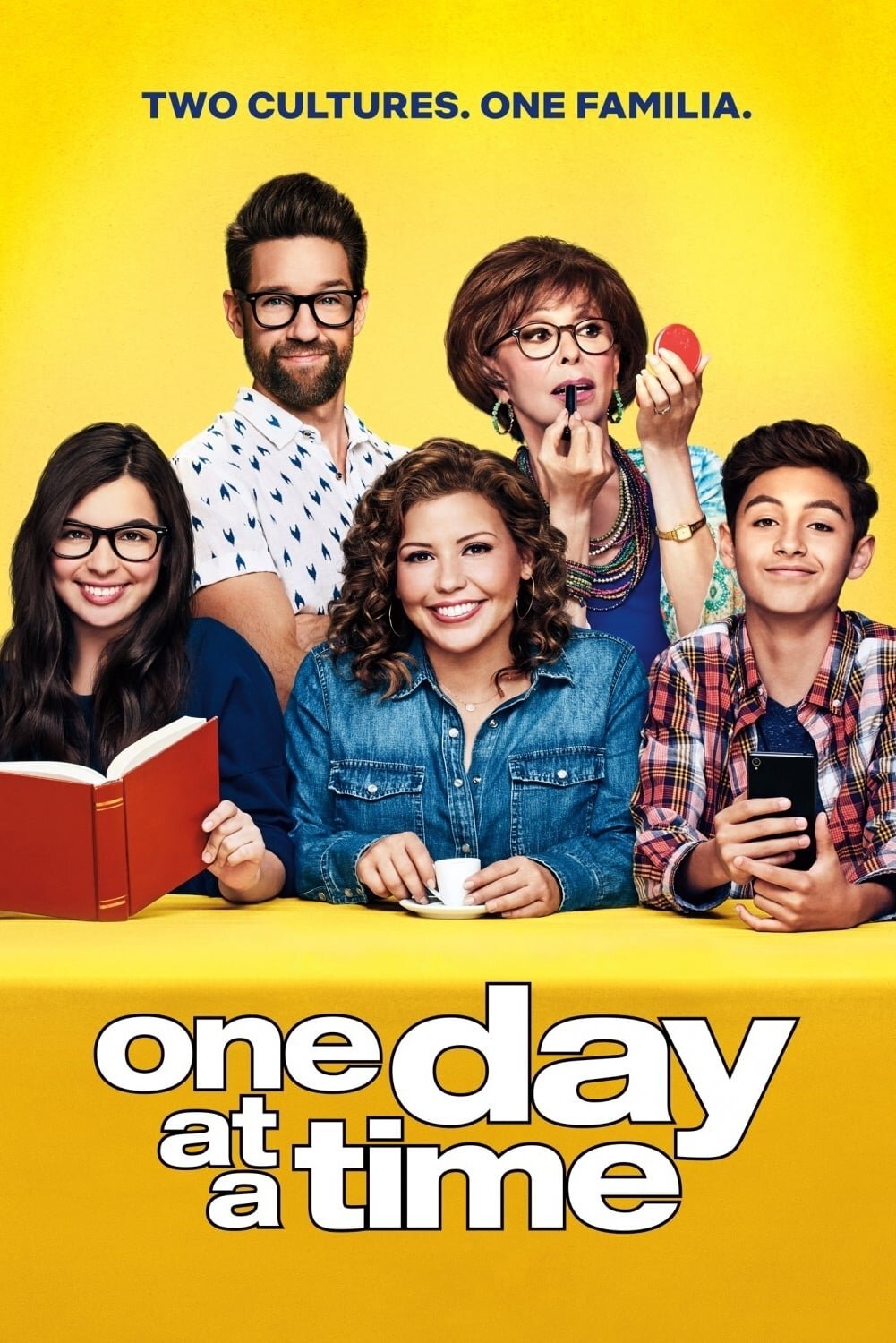
One Day at a Time2017
Another Lear creation, following a newly divorced mother raising two teenage daughters alone in Indianapolis — the same unglamorous honesty about women's lives after marriage that Maude specialised in, minus the theatrics.
But It's gentler and less pointed than Maude; the topical jabs are softer and the tone more standard sitcom.
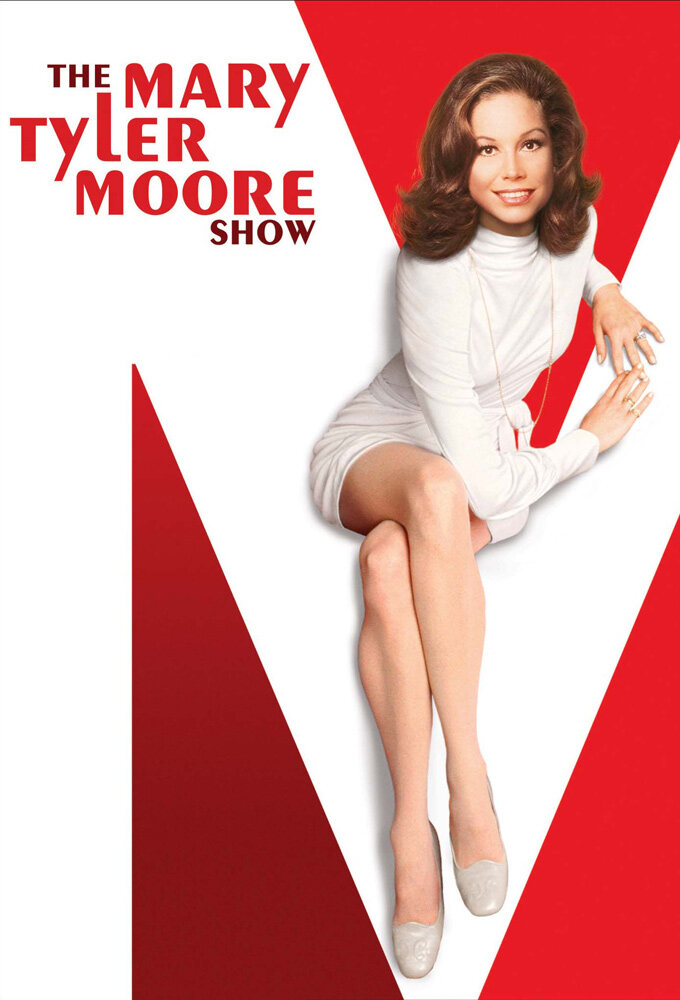
The Mary Tyler Moore Show1970
Airing the same years as Maude, this one is quieter and kinder but just as invested in a woman figuring out independence on her own terms, with a newsroom instead of a living room for arguments.
But Mary Richards is deliberately mild where Maude is a hurricane — expect charm, not confrontation.
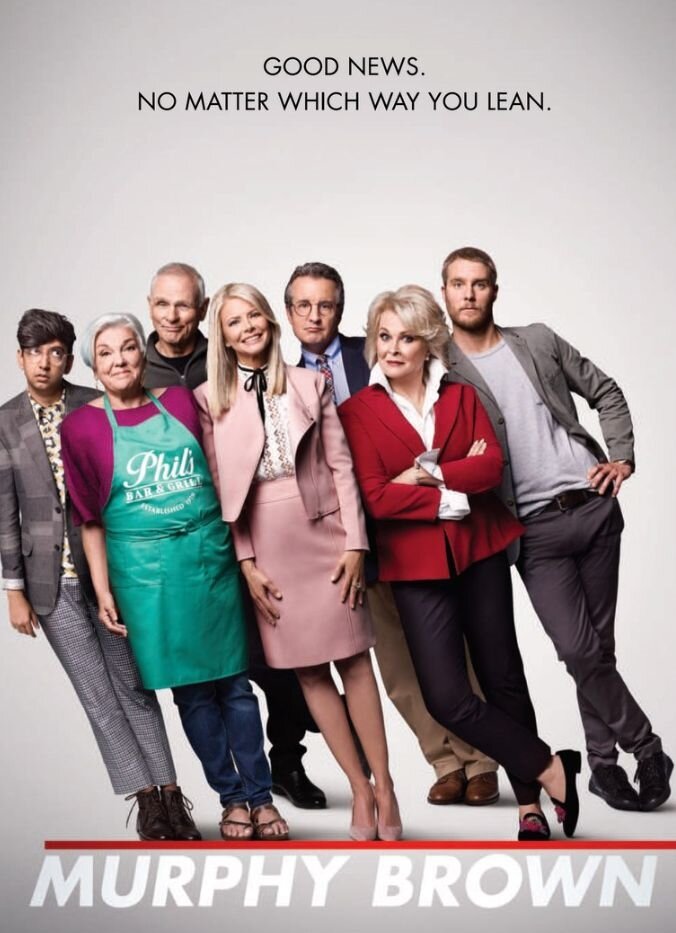
Murphy Brown1988
Candice Bergen's television anchor is Maude's professional descendant — loud, opinionated, unafraid to pick a fight with a sitting president. If you liked Maude arguing politics at her dinner table, watch her argue with the whole country.
But Its topical references have aged into history homework, and some episodes now practically need footnotes.
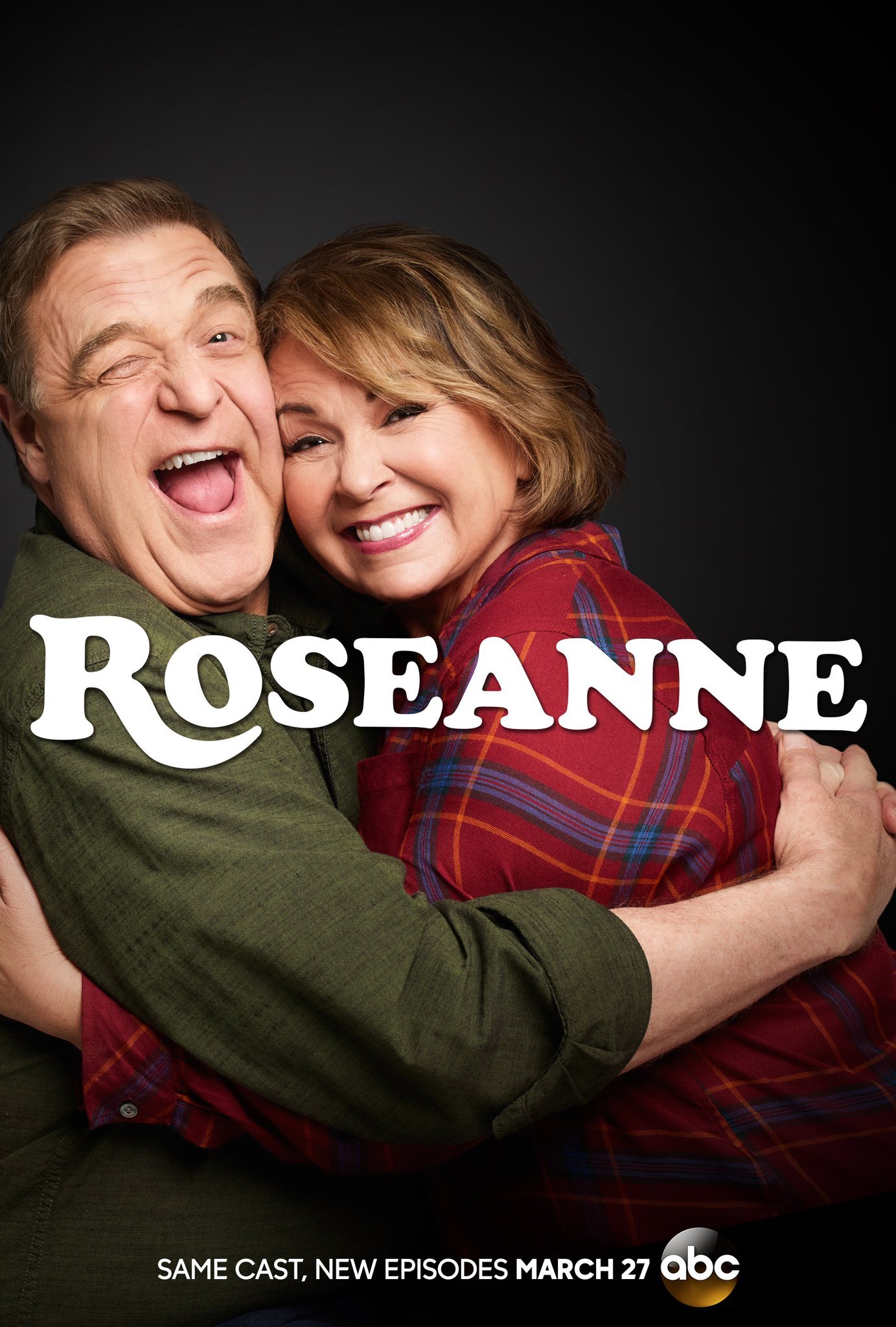
Roseanne1988
Working-class instead of suburban, but the same appetite for a woman who says what she thinks regardless of the room's comfort, and the same willingness to let a sitcom sit in genuine hardship.
But It's coarser and less polished than Maude, with a tonal messiness not everyone finds charming.
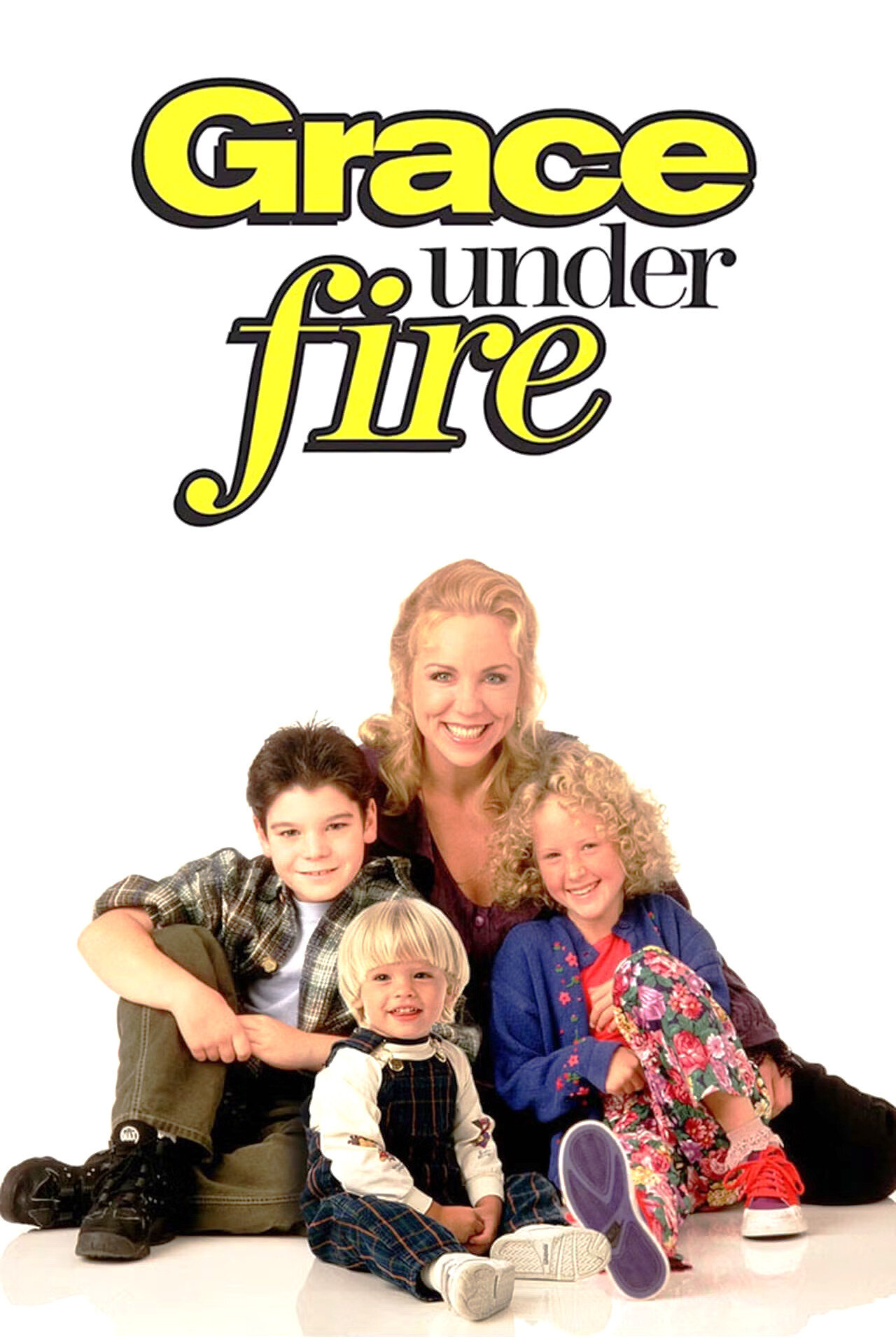
Grace Under Fire1993
A single mother, a recovering alcoholic, an ex-husband — this one borrows Maude's willingness to build comedy from subjects sitcoms usually avoid, filtered through the grungier tone of the early nineties.
But It never reaches Maude's satirical heights and leans harder on melodrama than wit.
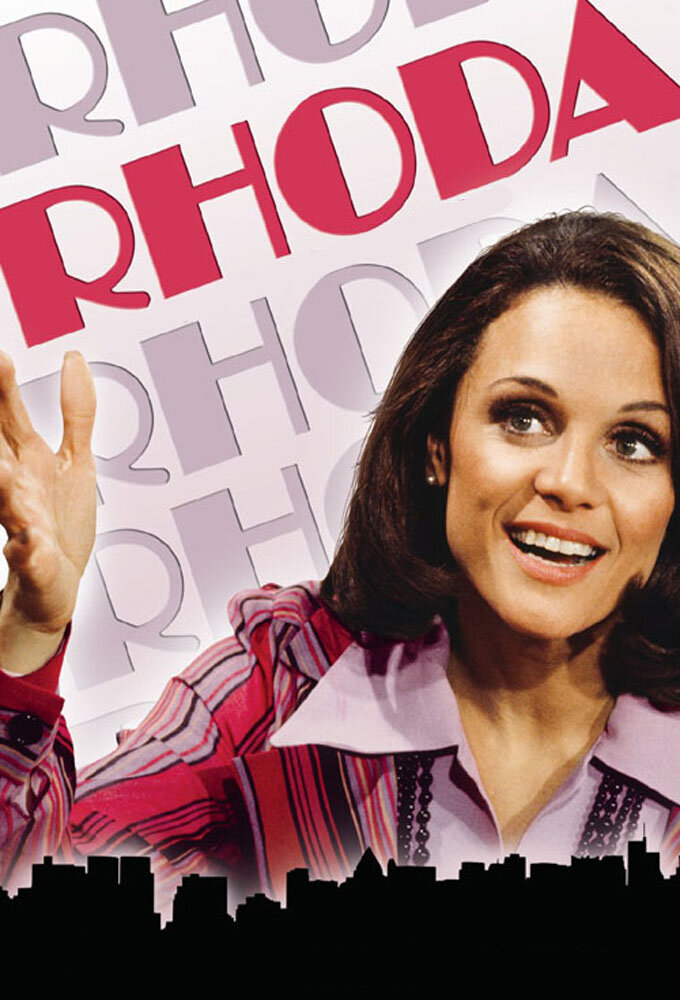
Rhoda1974
Another Mary Tyler Moore spinoff, following the wisecracking best friend into her own marriage and eventual divorce — a gentler cousin to Maude's fourth-marriage cynicism, with less shouting and more shrugging.
But It's more romantic comedy than social commentary; don't expect Maude's political bite.
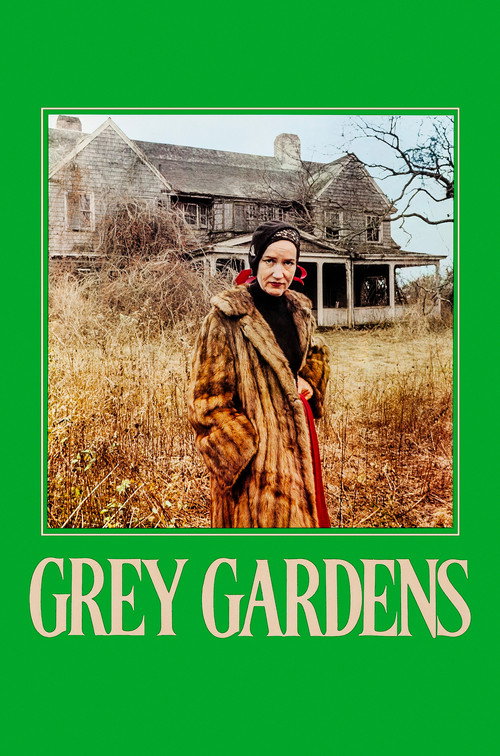
Grey Gardens1976
Little Edie and Big Edie share Maude's theatrical self-possession and refusal to be quiet or apologise, only here it's unscripted and the house is genuinely falling down around them.
The Maysles brothers' documentary about a real mother and daughter living in genteel decay is Maude's outspoken, unfiltered energy with the sitcom scaffolding removed entirely — just two extraordinary women talking, arguing, performing for the camera.
But It's uncomfortable in ways fiction can soften — you're watching real decline, not a character's.
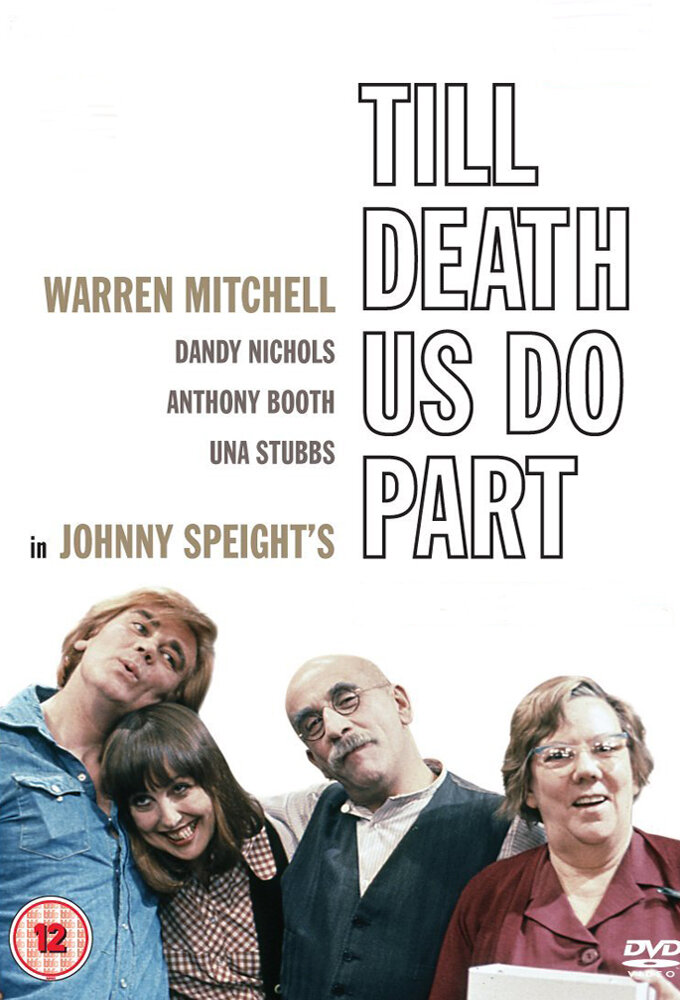
Till Death Us Do Part1966
It's the direct ancestor of the argumentative-family-sitcom format Maude perfected — the same shouting matches over politics at the dinner table, just with a different accent and a decade's head start.
The BBC sitcom Norman Lear adapted into All in the Family, and therefore Maude's actual grandparent — bigoted Alf Garnett ranting at his left-wing family a full six years before Archie Bunker did it in Queens.
But The class-specific British slang and sixties references can be a barrier, and it's rougher and less polished than its American descendants.
People
Cast
Writing
- Norman LearCreator
Recommended by
The Golden Girls, All in the Family, The Jeffersons, Benson, Rhoda, Good Times, Here's Lucy