
Television series
Phyllis
- Comedy
- Light-hearted
Phyllis is a 1970s sitcom that follows Cloris Leachman's character navigating single life in San Francisco after leaving her husband. It's a warm, character-driven comedy about reinvention and independence, landing somewhere between workplace ensemble humor and domestic comedy. Perfect for fans of that golden age of sitcoms when the format could be genuinely about something.
If you liked this
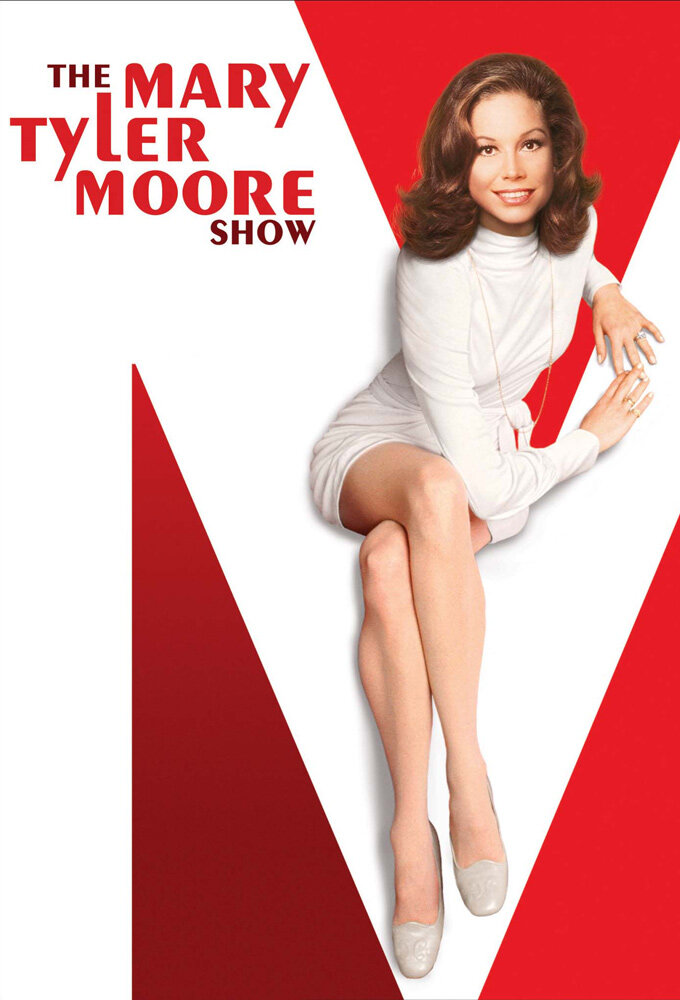
The Mary Tyler Moore Show1970
The spiritual ancestor of Phyllis itself—Mary's urban independence and workplace friendships set the template. Leachman appeared in it brilliantly, and this is where that energy originated. Essential viewing.
But The pacing is slower than modern TV, and some episodes lean hard on very specific '70s references that don't land as sharply now.
Maude1972
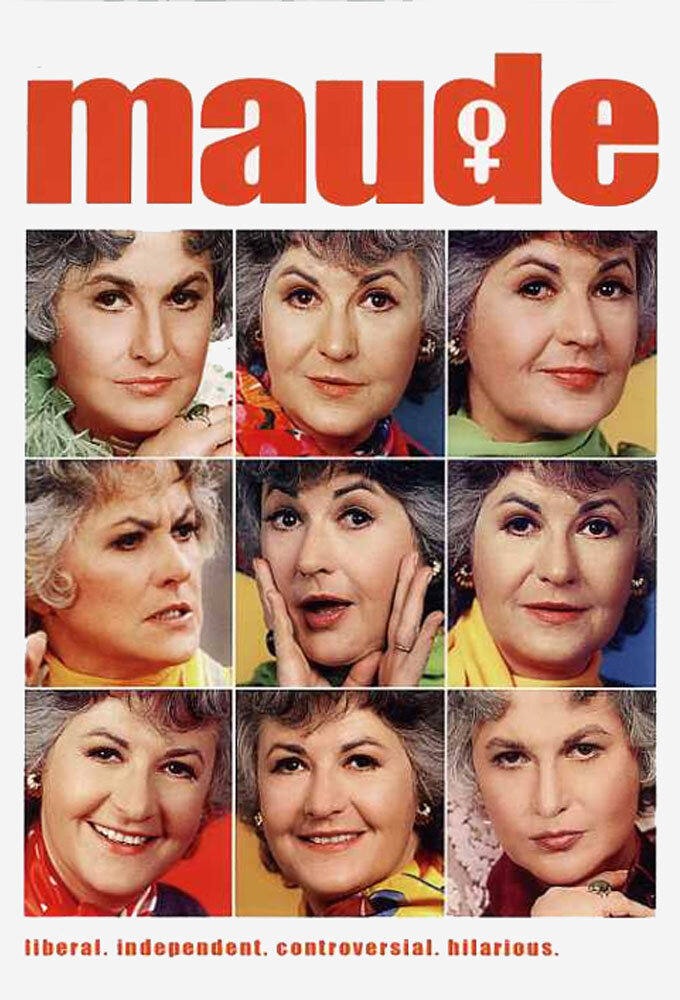
Another Bea Arthur vehicle about a strong-willed woman navigating a full life in her own terms. Sharp writing, genuine stakes beneath the comedy, and the same willingness to let sitcoms be about something.
But It tackles social issues with the subtlety of a sledgehammer sometimes, and the tonal whiplash can feel dated.
Alice1976
Linda Lavin as a waitress starting over in a new city—it shares Phyllis's DNA of female independence and workplace camaraderie. Lighter and more purely comedic, with wonderful character work and genuine warmth.
But Only lasted two seasons before cancellation, so there's not much of it. It's also very earnestly '70s in its sensibility.
Not sure tonight? Get a pick in a minute, starting from Phyllis
The wildcard
Something you would not have found on your own.
Soap1977
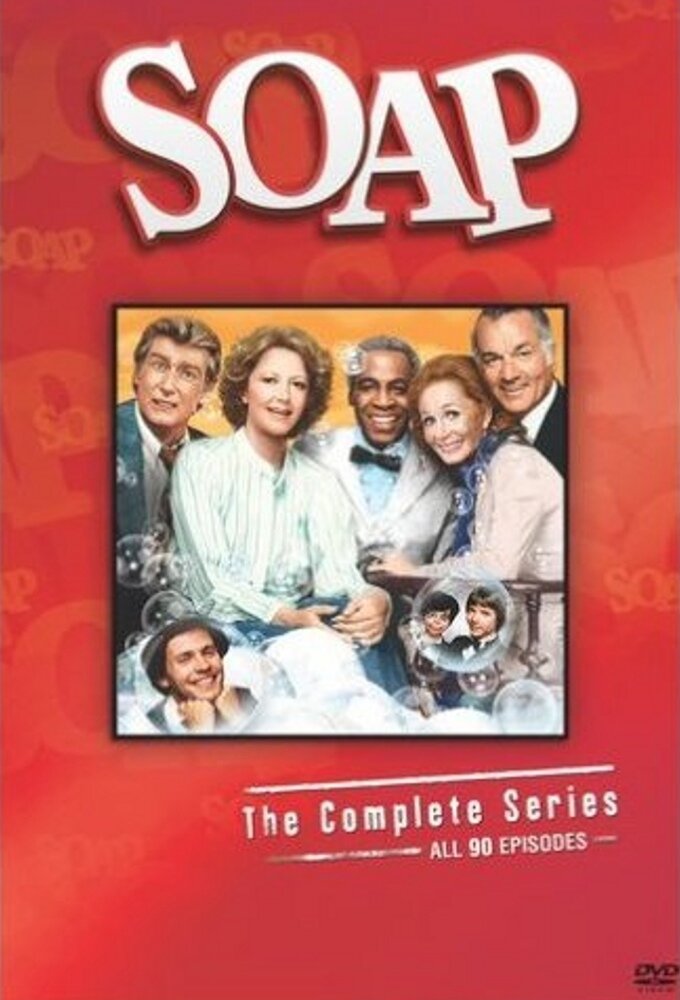
Both emerged from the same era's willingness to let sitcoms be stranger and more ambitious than the audience expected. But where Phyllis is earnest, Soap is gleefully anarchic.
Also from the mid-'70s CBS stable but taking comedy to absurdist extremes—outrageous plots, genuine darkness, and no interest in conventional sitcom sentiment. It's what happened when sitcoms stopped playing it safe, and it's hilarious.
But It's aggressively, exhaustingly weird. If you want character-driven comedy, this sacrifices character for increasingly baroque plot. It's exhausting.
More like this (8)
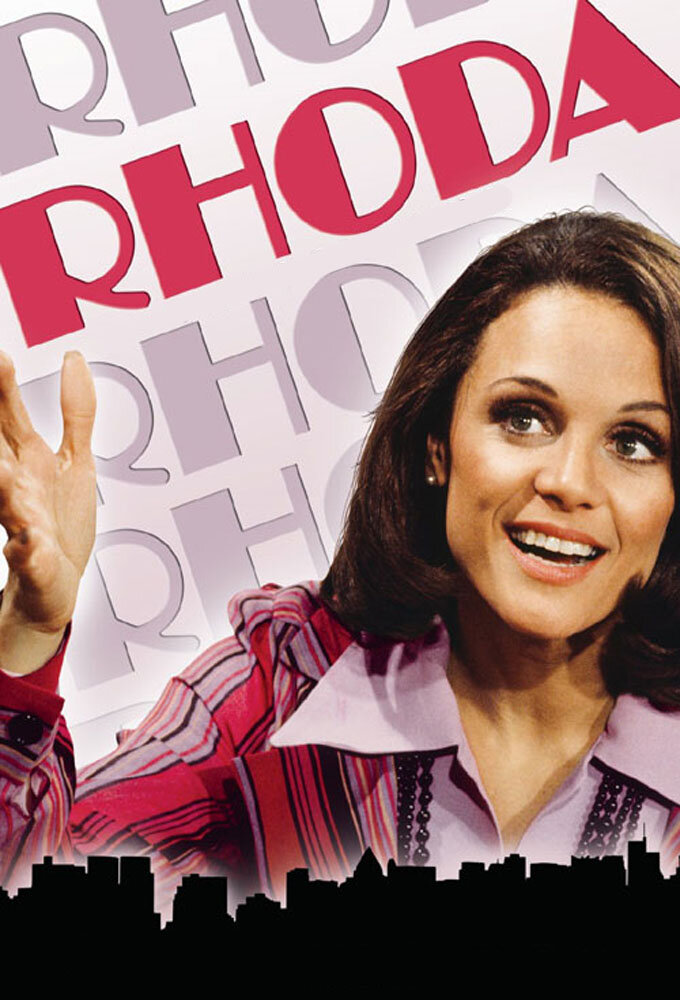
Rhoda1974
Julie Kavner as a woman building a life in Minneapolis after a divorce. Genuinely funny, deeply character-focused, and unafraid to let comedy emerge from real situations rather than just gags.
But The tone shifts between seasons can be jarring, and some plots resolve in ways that feel anticlimactic to modern viewers.
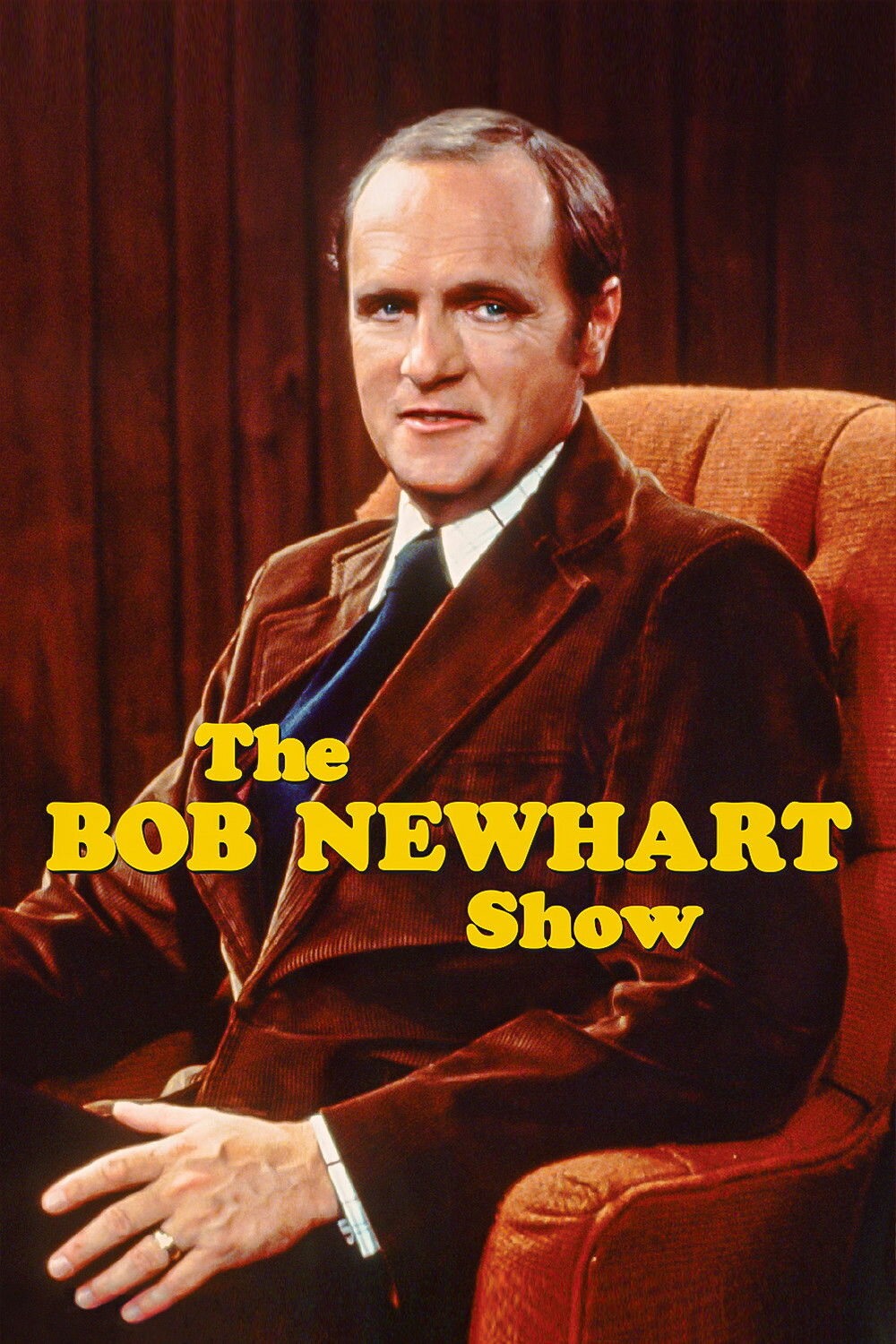
The Bob Newhart Show1972
Set in Chicago with an ensemble cast of regulars, it proves sitcoms could be smart, quietly observational, and about actual human connection. Bob Hartley's patient kindness is a tonal cousin to Phyllis's warmth.
But If you're looking for broad laughs, the humor is very dry and relies on timing and character rather than punchlines.
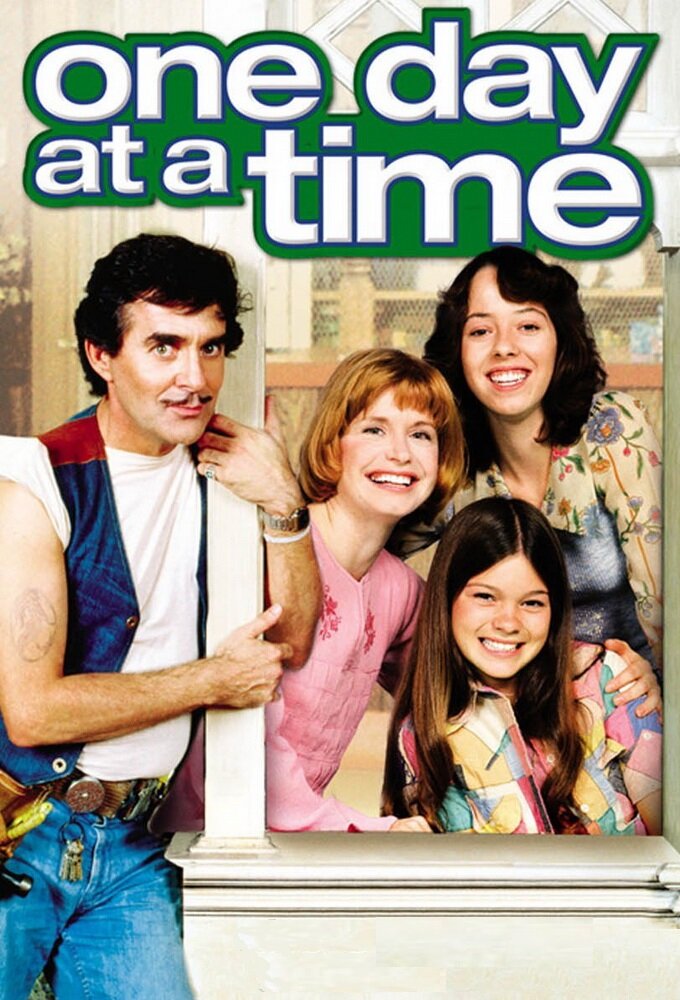
One Day at a Time1975
Bonnie Franklin as a divorced mother rebuilding her life in Indianapolis. It's lighter than Phyllis but shares that earnest commitment to showing women's agency and independence as genuinely funny and compelling.
But It tilts younger and broader in its humor, and some social commentary feels very of-the-moment in ways that haven't aged gracefully.
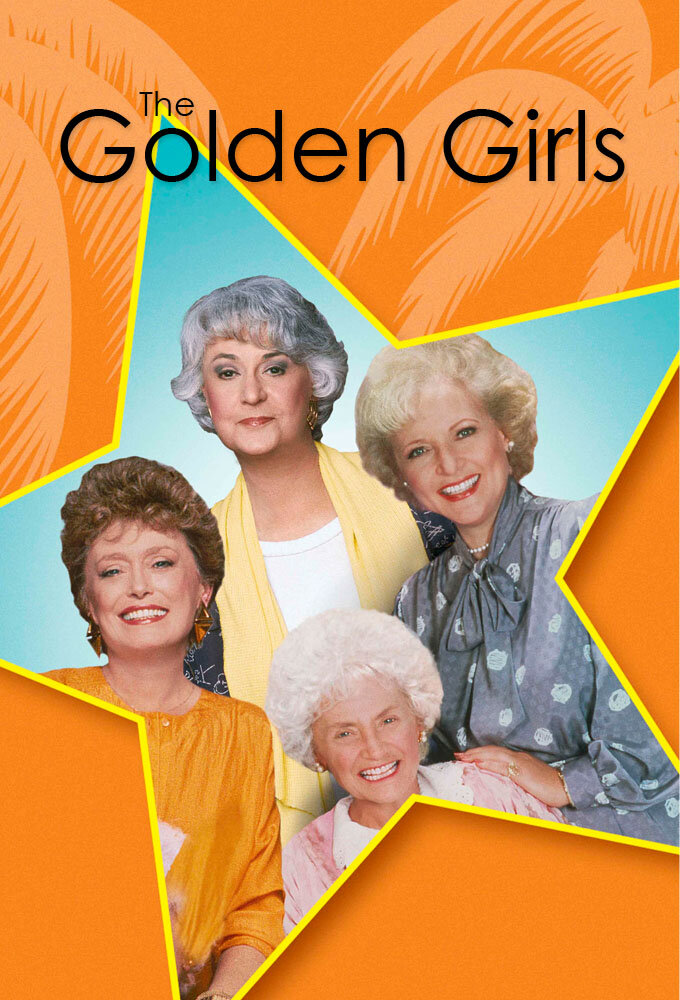
The Golden Girls1985
A direct spiritual successor showing women in their later years as fully alive, funny, and complex. It perfected what Phyllis was attempting—sophisticated comedy about real lives, without condescension.
But It's a more polished, network-safe version of these ideas. The rawness and slight awkwardness of '70s sitcoms is gone.
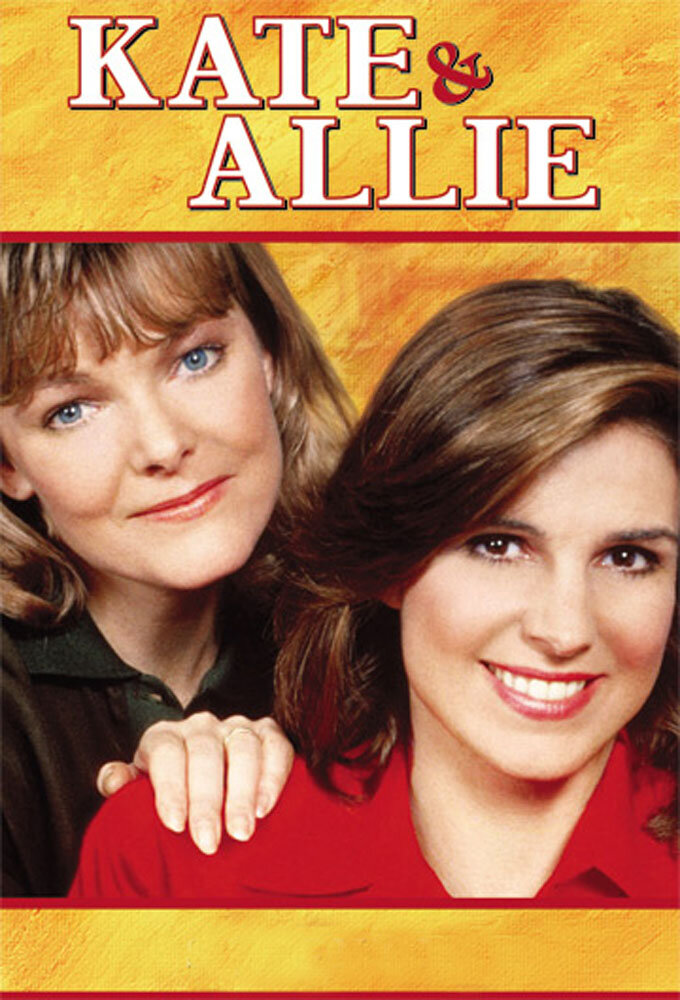
Kate & Allie1984
Two women rebuilding their lives together in New York after divorces. It keeps the character-driven warmth of this era alive while the format was evolving, and Susan St. James and Jane Curtin have genuine chemistry.
But It's more conventional sitcom structure than Phyllis, with bigger plots and broader resolutions. The emotional stakes are lower.
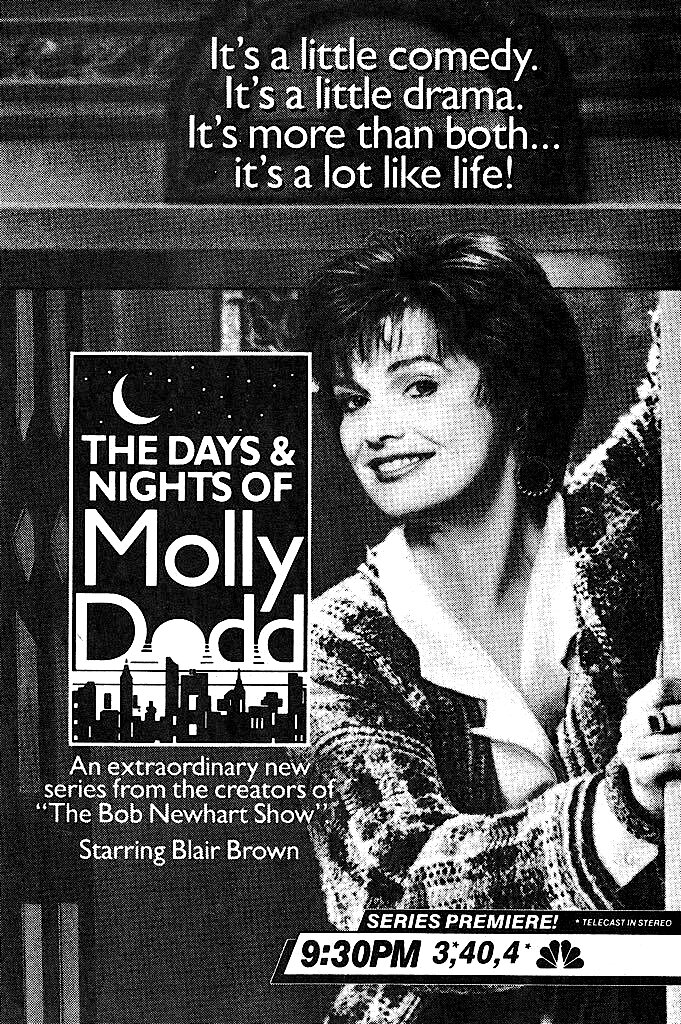
The Days and Nights of Molly Dodd1987
A show about a divorced woman in New York navigating work, dating, and independence. It's quirky and surprisingly experimental in structure, proof that the DNA of these shows kept evolving and getting stranger.
But It's genuinely experimental in ways that make it feel half-finished sometimes, and the tone is deliberately elusive rather than warm.
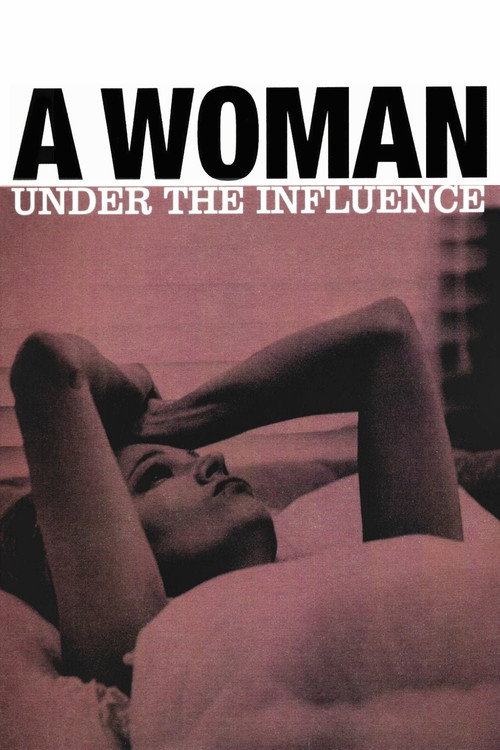
A Woman Under the Influence1974
Both insist that a woman's daily negotiations of independence, family, and identity are the main plot. Phyllis finds comedy there; Cassavetes finds tragedy. Same core conviction.
Gena Rowlands as a woman navigating marriage, motherhood, and her own desires without apology. It's a drama, not a comedy, but it has Phyllis's commitment to taking women's interior lives seriously as the subject rather than decoration.
But It's brutal, uncomfortable, and very long. No jokes, no relief. Cassavetes shoots pain without distance. If you want something lighter, this will destroy you.
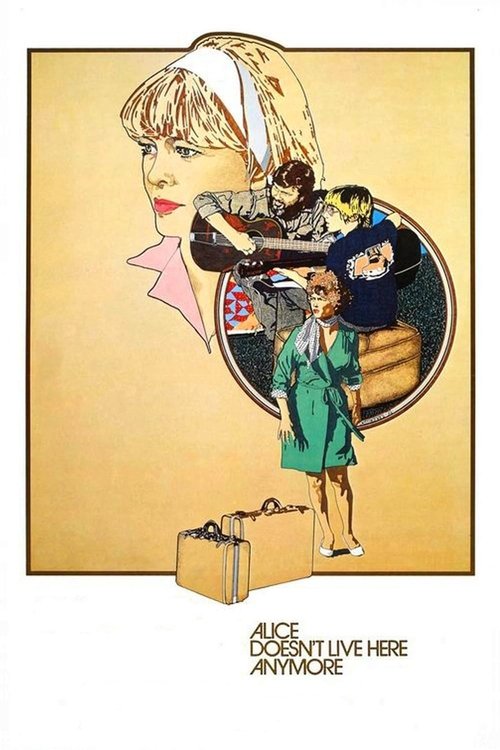
Alice Doesn't Live Here Anymore1974
Same era, same character—a woman reinventing herself in a new city—but Scorsese's film sprawls into realism while Phyllis keeps it contained in comedy's structure. The same woman, different keys.
Scorsese and Ellen Burstyn on a woman starting over as a widow with a child, and yes, it's a Scorsese film with genuine warmth and humor alongside the complexity. It's proof that this exact story could be something extraordinary.
But It's 111 minutes and moves into darker territory than a sitcom would ever venture. Some scenes are achingly sad in ways that might not be what you wanted.
People
Cast


Writing
- Ed. WeinbergerCreator
- Stan DanielsCreator