
Television series
Here's Lucy
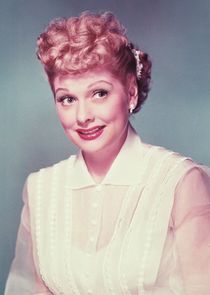
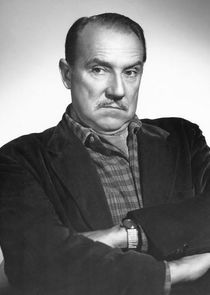
Here's Lucy is Lucille Ball's third and final network sitcom, casting her real-life children as her onscreen family and installing Gale Gordon as her exasperated boss and brother-in-law. Every episode ropes in a famous guest playing an exaggerated version of themselves, giving the show a genial, star-studded predictability. It's broad, gentle, and built for maximum pratfalls—comfort television from an era when sitcoms rarely aimed higher than a laugh and a hug.
If you liked this
I Love Lucy1951
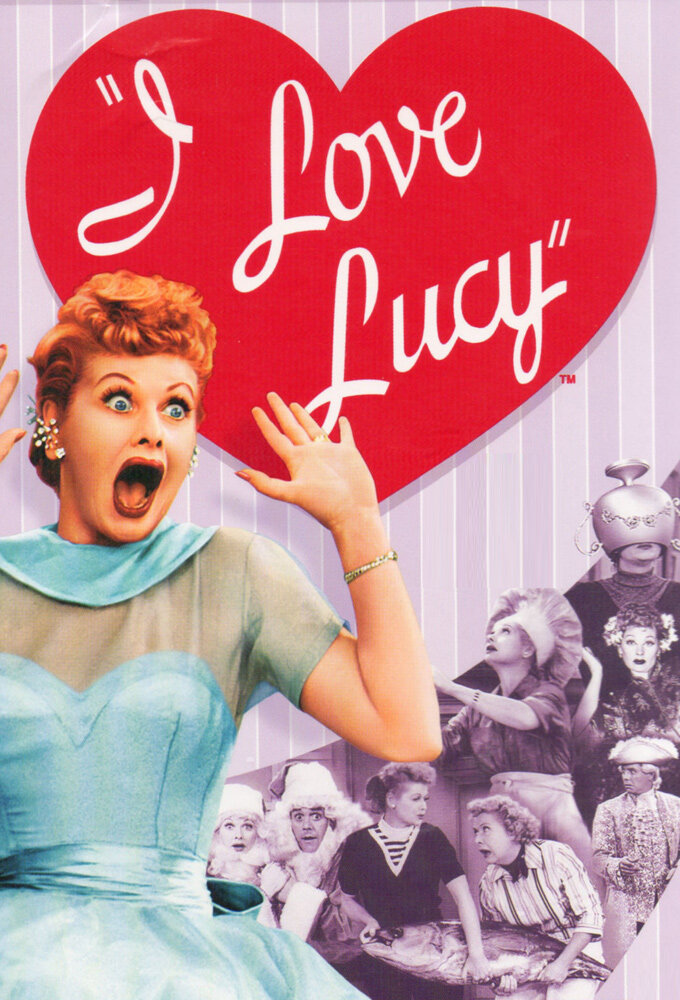
This is the show that invented the modern sitcom playbook and made Lucille Ball a household name; see the physical comedy craft that Here's Lucy spent years trying to replicate.
But The black-and-white 1950s production and studio-audience laughter can feel dated next to looser, later comedy styles.
The Lucy Show1962
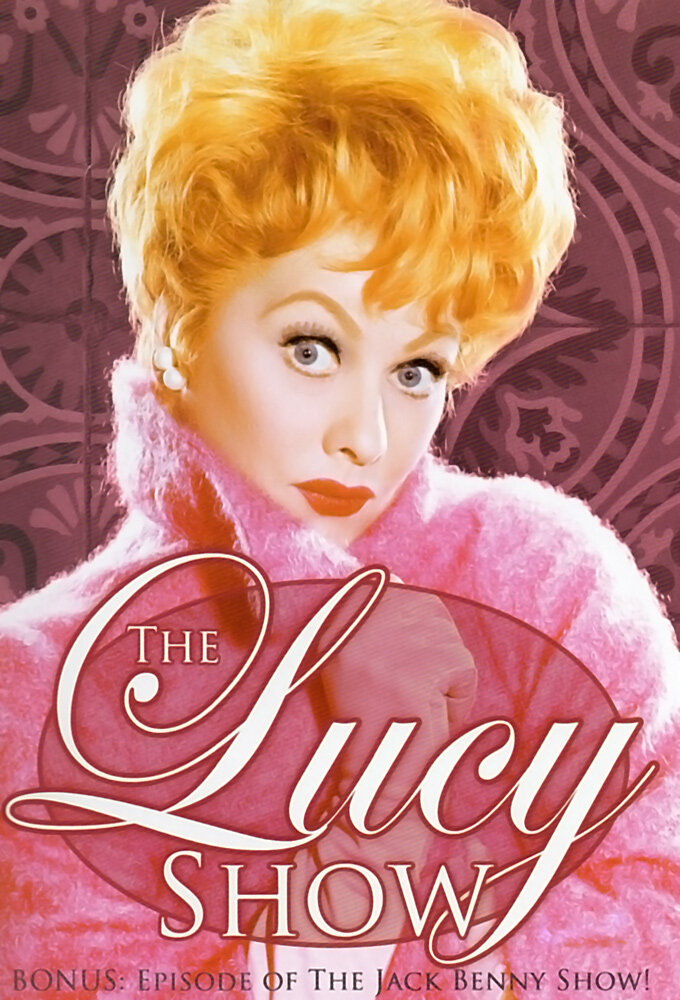
Ball's immediate predecessor, with Gale Gordon already playing her exasperated boss—basically a dry run for the same chemistry, minus the real-life kids.
But The scripts lean formulaic, and without the novelty of family casting it can feel like a retread of ideas done better elsewhere.
The Carol Burnett Show1967
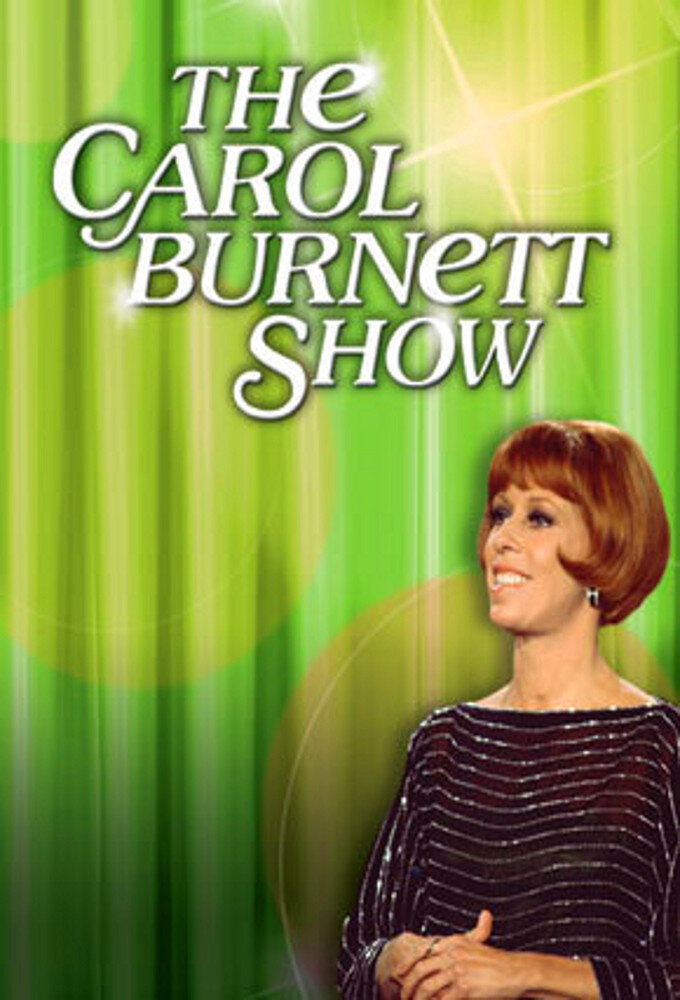
Sketch comedy built on the same fearless physical clowning Ball perfected, with an ensemble clearly indebted to her timing and willingness to look ridiculous for a laugh.
But Variety format means no ongoing story or characters—if you want continuity between episodes, this won't give it to you.
The wildcard
Something you would not have found on your own.
Modern Times1936
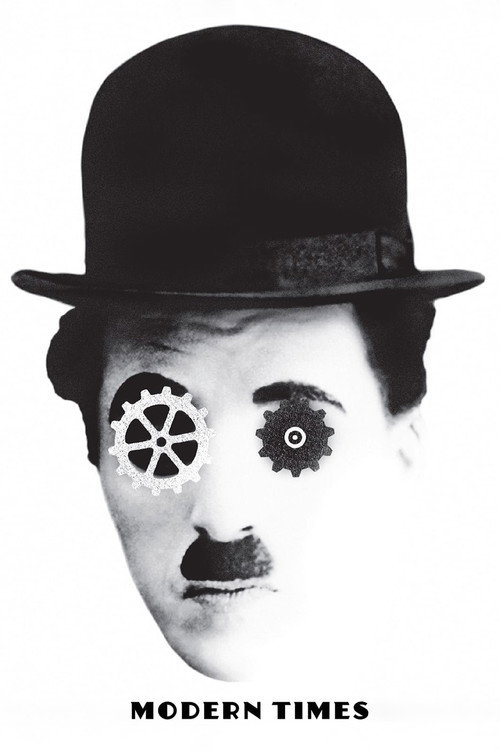
Ball openly modeled her physical comedy on silent clowns like Chaplin; the elaborate stunt setups in Here's Lucy are direct descendants of this film's factory and roller-skate sequences.
Lucille Ball built her comic engine on Chaplin's blueprint—escalating physical disasters played completely straight. Watching him decades earlier shows you the source code for every pratfall she ever pulled off.
But Silent, black-and-white, and paced for a 1930s audience—if you need dialogue to feel engaged, it may test your patience.
More like this (8)
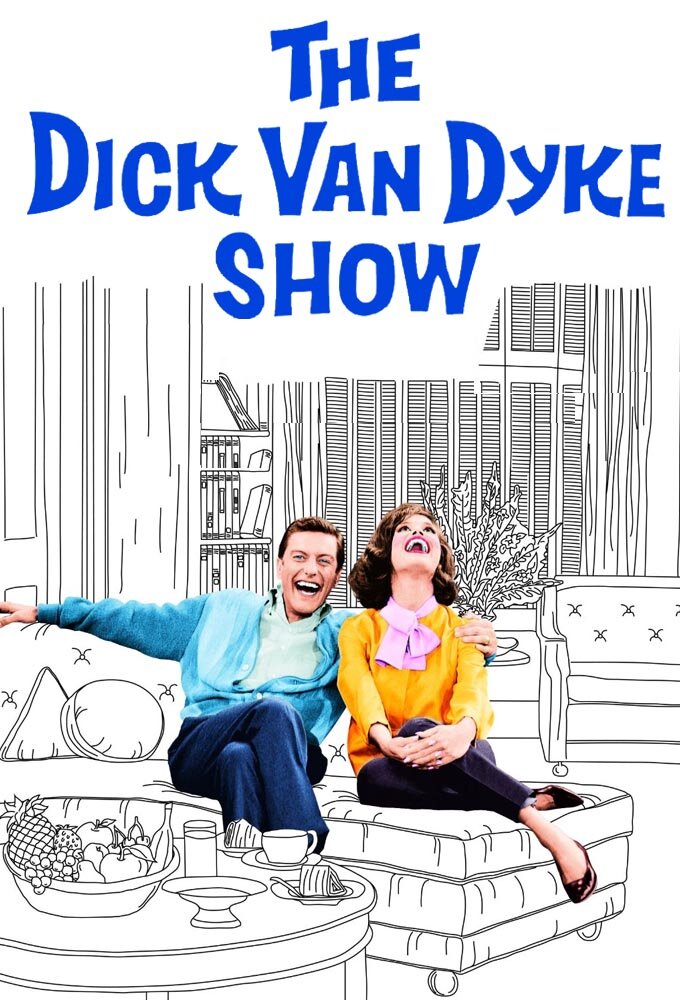
The Dick Van Dyke Show1961
Sharper writing and more character-driven than most sitcoms of its era, with Van Dyke's own pratfalls proving physical comedy could coexist with genuine wit.
But More understated than Here's Lucy—if you want big broad slapstick every episode, this is comparatively restrained.
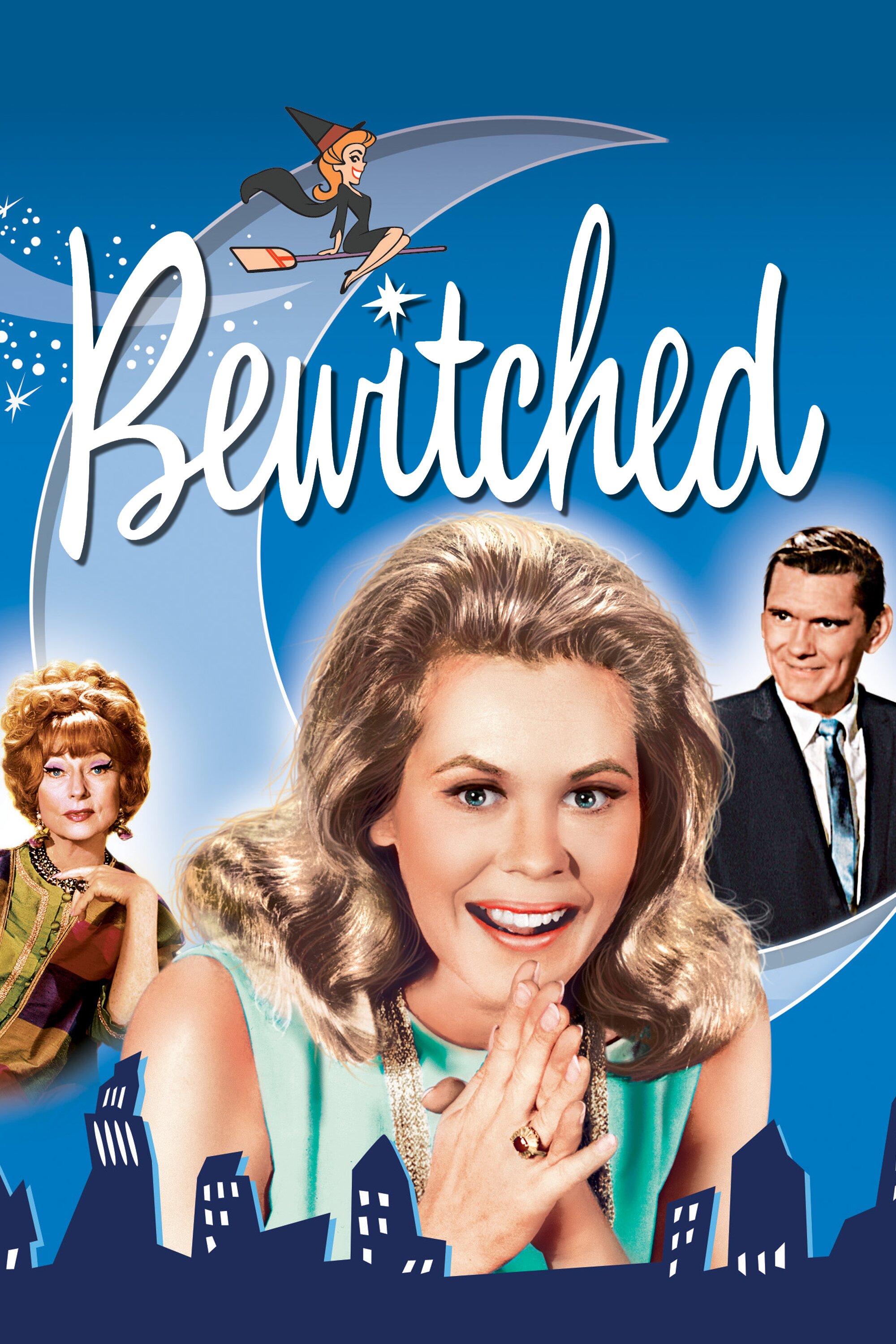
Bewitched1964
Same era, same network sensibility, same appetite for playing everything for laughs, but with a fantastical premise that lets the jokes get a little weirder.
But The magic gimmick means plots repeat fast, and the gender politics haven't aged gracefully.
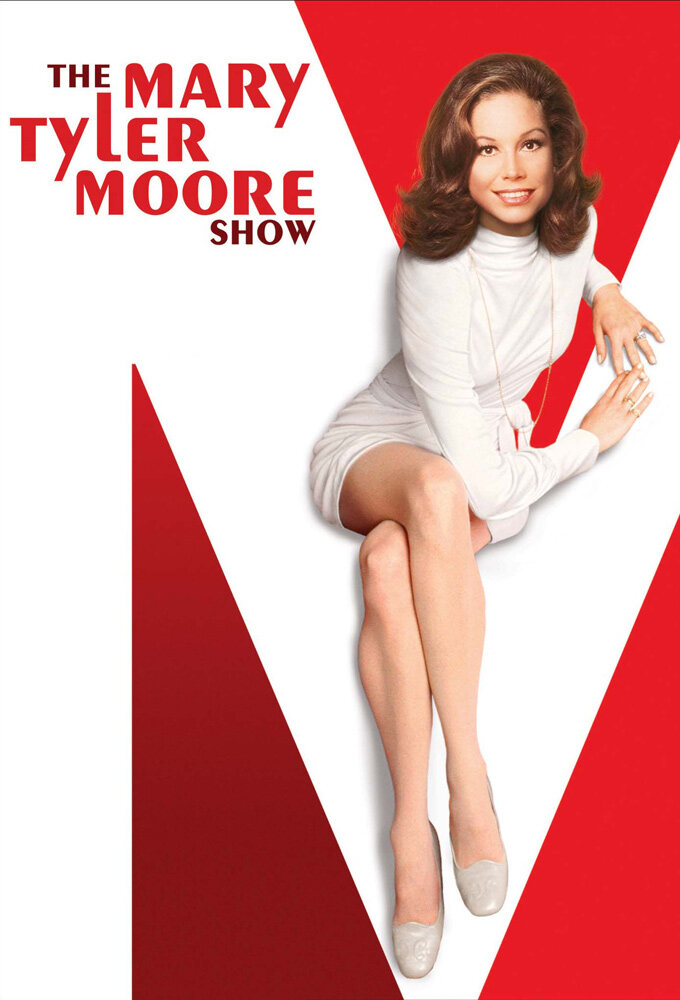
The Mary Tyler Moore Show1970
Made right alongside Here's Lucy but pointed at a completely different future—single, working, funny without needing a family unit or a guest star to prop up the joke.
But Its low-key naturalism is the opposite of Here's Lucy's showbiz razzle-dazzle; if you want spectacle, this won't deliver it.
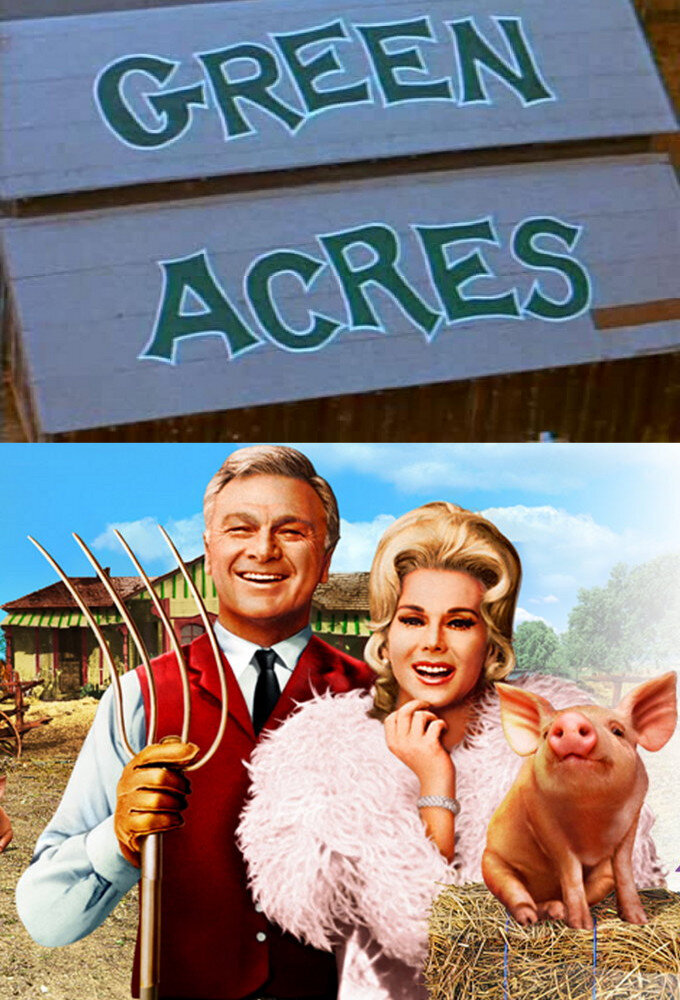
Green Acres1965
Same CBS stable, same commitment to absurdity played completely straight, with a fish-out-of-water premise that gets stranger the longer you watch.
But Deliberately silly to the point of surreal—some viewers find its constant non-sequiturs more baffling than funny.
That Girl1966no page yet
A lighter, single-girl-in-the-city cousin to Here's Lucy's brand of comedy, with Marlo Thomas doing her own version of lovable chaos.
But Thinner premise and less starpower per episode than Here's Lucy's guest-heavy format—charming but slighter.
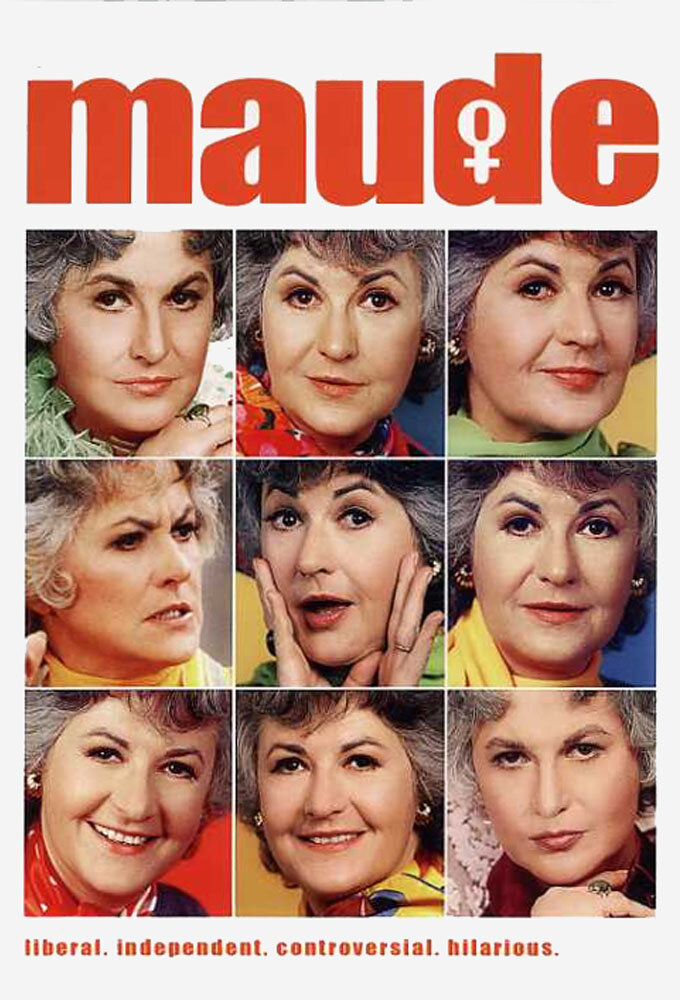
Maude1972
Proof the sitcom could grow teeth in the same decade Here's Lucy stayed sweet—same broad comic energy, aimed at real social issues instead of pratfalls.
But Political and combative where Here's Lucy is cozy; if you want comfort viewing, Maude picks fights instead.
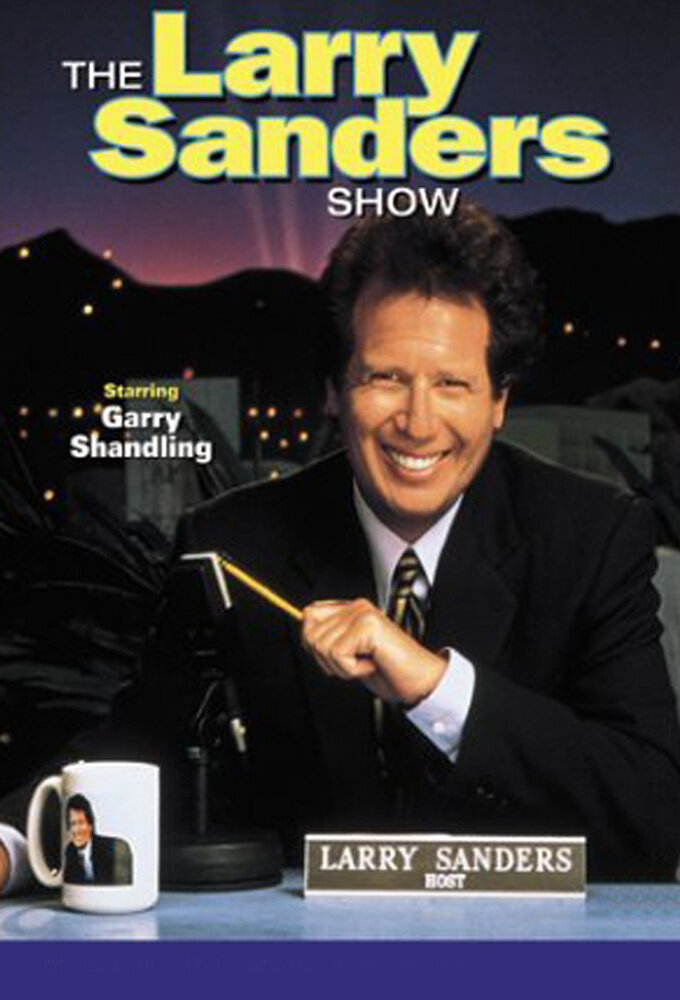
The Larry Sanders Show1992
Both shows rely on real celebrities appearing as fictionalized versions of themselves; Larry Sanders takes that same device and strips away the sweetness to expose the machinery underneath.
Guest stars play twisted versions of themselves on a fictional talk show, turning the celebrity-cameo gimmick Here's Lucy popularized into something cynical, sharp and very funny.
But It's caustic where Here's Lucy is warm—showbiz cruelty played for laughs, not family-friendly wholesomeness.
Lucy and Desi2022no page yet
Here's Lucy cast Lucille Ball's actual children as her onscreen kids; this documentary unpacks the real relationships that made that casting so loaded, especially through Lucie Arnaz's own reflections.
Amy Poehler's documentary digs into the real marriage, business partnership and family behind the fictional Carters, using home movies and interviews including Lucie Arnaz herself.
But It's poignant rather than funny—more interested in heartbreak and industry pressure than gags.
People
Cast
Writing
- Milt JosefsbergCreator
- Ray SingerCreator
Production
- Gary MortonExecutive Producer