
Television series
The Sweeney
- Police procedural
- Action
- Relentless
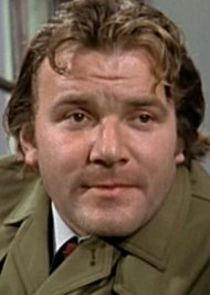
The Sweeney is a 1975 British crime procedural that redefined police television. Jack Regan leads the Flying Squad with methods as murky as the criminals he hunts—bent, brutal, often brilliant. It's gritty, London-specific, and genuinely thrilling: a show that proved cop dramas didn't need to be righteous to be riveting. For anyone who loves morally complicated protagonists and 1970s texture.
Should you watch it?
Watch it if you like gritty, morally grubby cop shows where the detectives bend every rule and the car chases and pub rows feel genuinely dangerous.
Skip it if you need your police drama measured and fair-minded, since Regan's brutal, often illegal methods are the point, and the 1970s rough edges can feel dated.
What it asks of you: Each of its 53 episodes runs about an hour, and it moves in brisk, self-contained cases with plenty of shouting and sudden violence.
Not sure? Find tonight's pick in a minute.
If you liked this
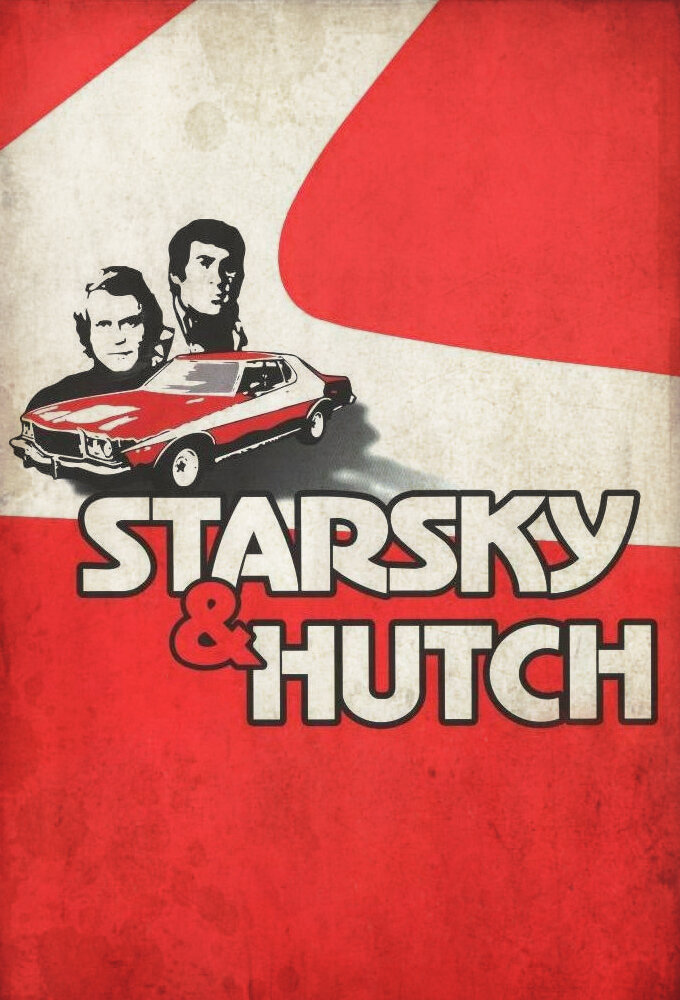
Starsky & Hutch1975
Two detectives operating on the edge of protocol, solving crimes through instinct and rule-breaking. The American cousin to Regan's methods—looser, more colorful, but built on the same foundation of cops who get results their way.
But Lighter and campier than The Sweeney, with a sunnier California vibe that undercuts the moral ambiguity you came for.
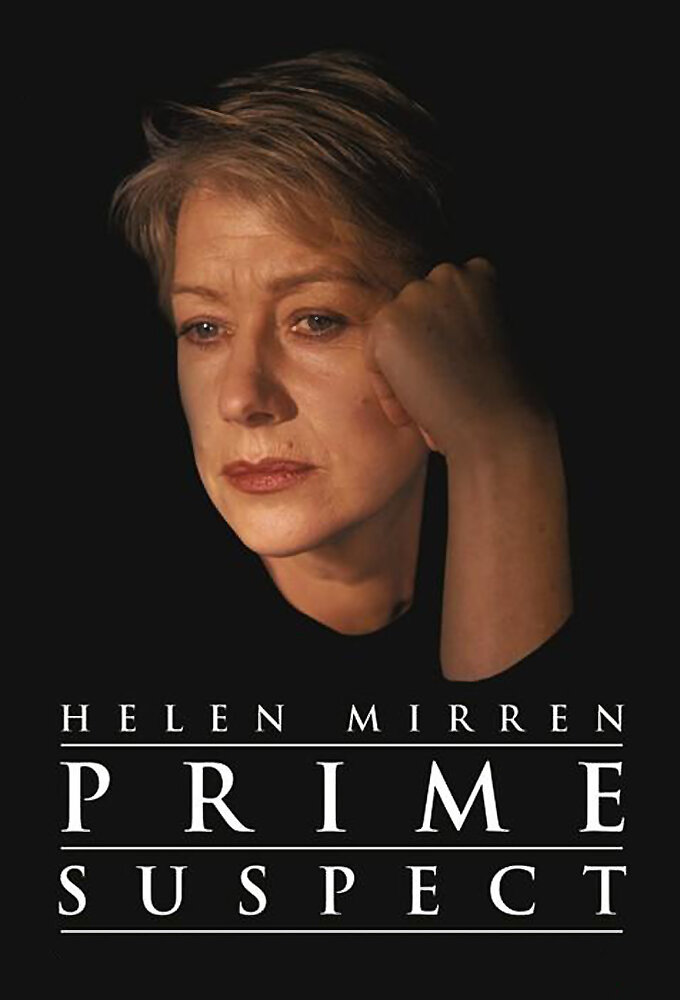
Prime Suspect1991
Helen Mirren as a detective fighting institutional corruption while solving brutal crimes. Same willingness to show how the system fails victims; same unsentimental, procedural intensity about what detection actually costs.
But More focused on institutional sexism than street-level grit. Slower, more forensic, less about violence and more about bureaucracy.
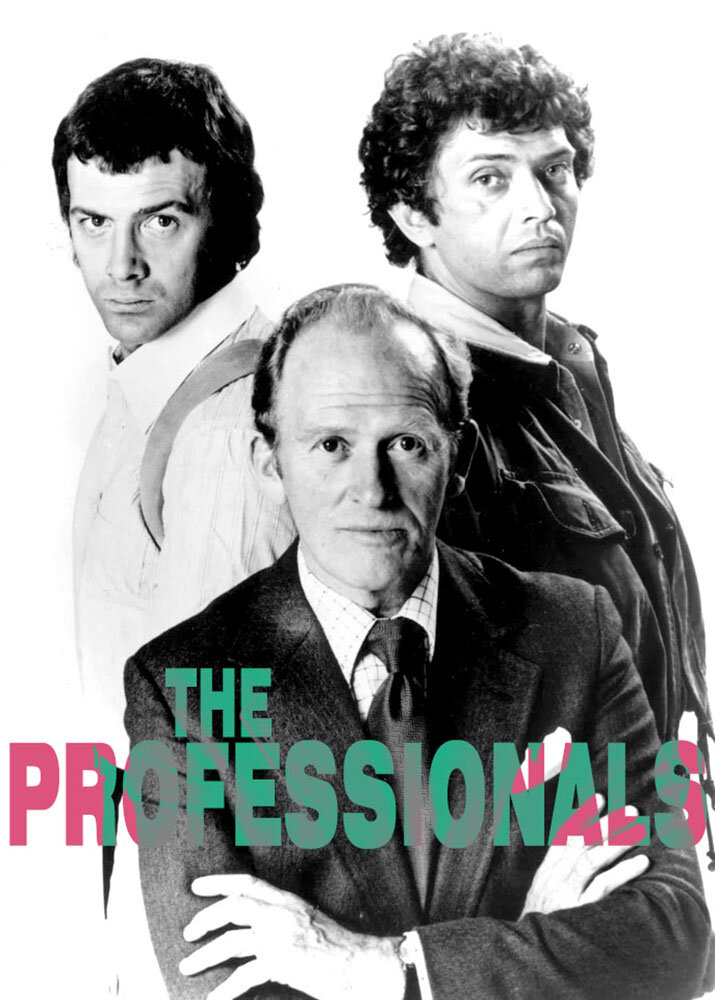
The Professionals1977
Two ex-military agents working for a covert British security agency. Same era, same moral flexibility, same dynamic between partners—but these men operate in the shadows rather than wearing badges.
But Science fiction and spy-fi elements creep in. Less grounded in actual police work; more concerned with Cold War paranoia.
Not sure tonight? Get a pick in a minute, starting from The Sweeney
The wildcard
Something you would not have found on your own.
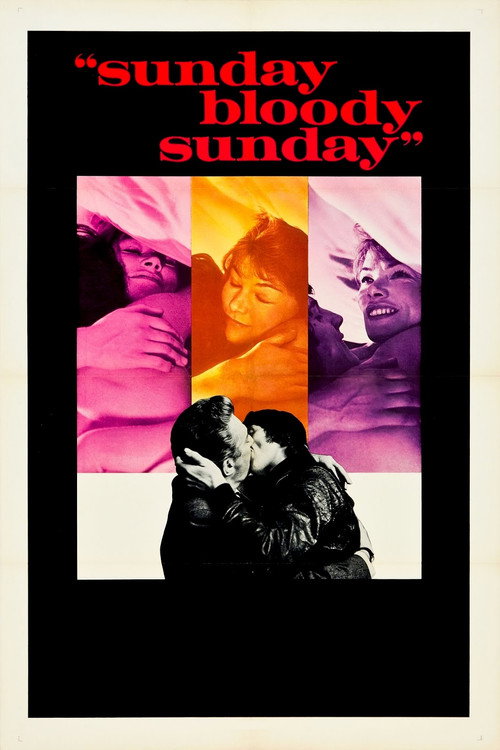
Sunday Bloody Sunday1971
Both treat state violence as structural and mundane rather than aberrant. Both show institutions protecting their own rather than serving justice. The Sweeney celebrates this; Bloody Sunday mourns it. Watching both reframes what The Sweeney's morality actually costs.
Paul Greengrass's recreation of the 1972 Derry massacre, using handheld cameras and a real-time procedural structure. Like The Sweeney, it shows British authority figures committing violence with impunity—but from the victims' perspective, not the perpetrators'. Raw, devastating, formally innovative.
But Deeply political and genuinely distressing. Not entertainment in any conventional sense. A film that accuses rather than thrills.
More like this (8)
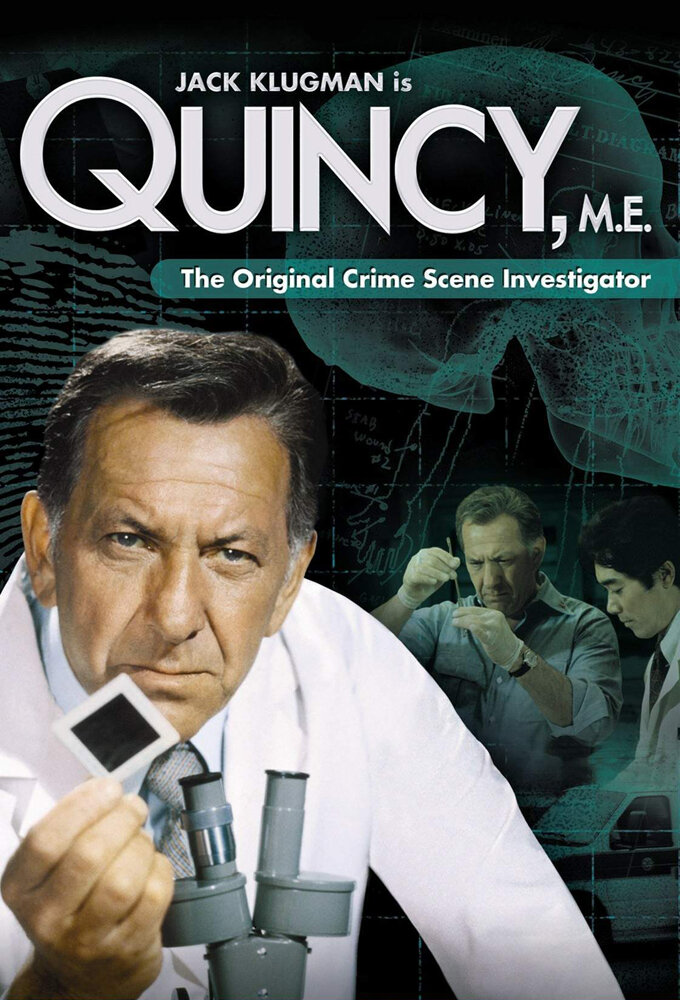
Quincy, M.E.1976
Jack Klugman's medical examiner bends rules and provokes superiors to solve murders. American counterpart to Regan's obstinacy—a lone operator with a gift for seeing what others miss, willing to antagonize the system.
But More maverick wish-fulfillment, less institutional realism. The crimes are puzzles; The Sweeney treats violence as consequential.
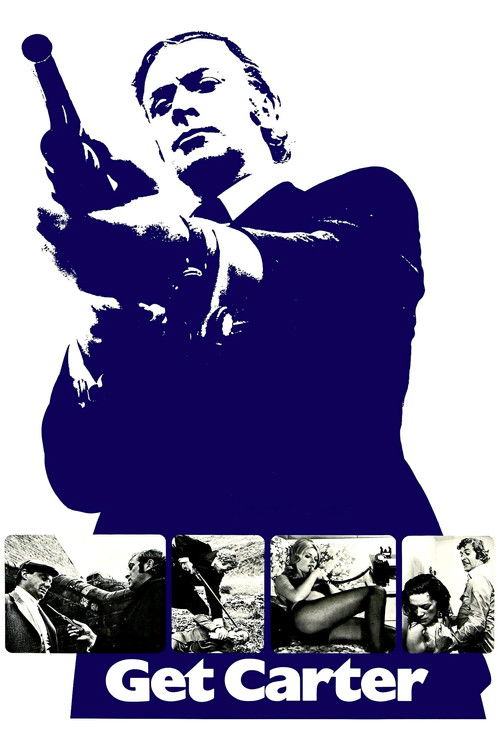
Get Carter1971
Michael Caine as a criminal enforcer in Newcastle, operating within a corrupt system. Same British brutalism, same willingness to show morality as situational rather than absolute. Regan in film form.
But One-off film rather than episodic. Darker and more nihilistic—there's no institutional framework to push against, just human venality.
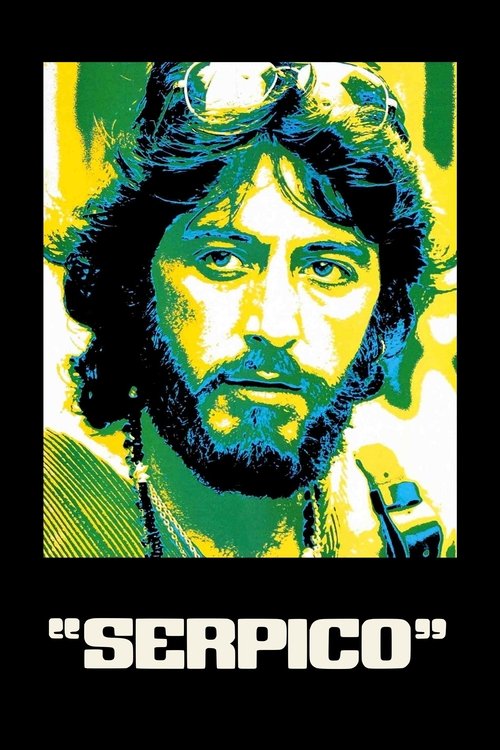
Serpico1973
Al Pacino as a cop fighting systemic corruption from within. Same obsession with how the institution itself corrupts; same recognition that doing the right thing often means breaking the rules of the wrong system.
But The moral argument is clearer. Regan is murkier about whether he's a good man using bad methods or just a bad man with a badge.
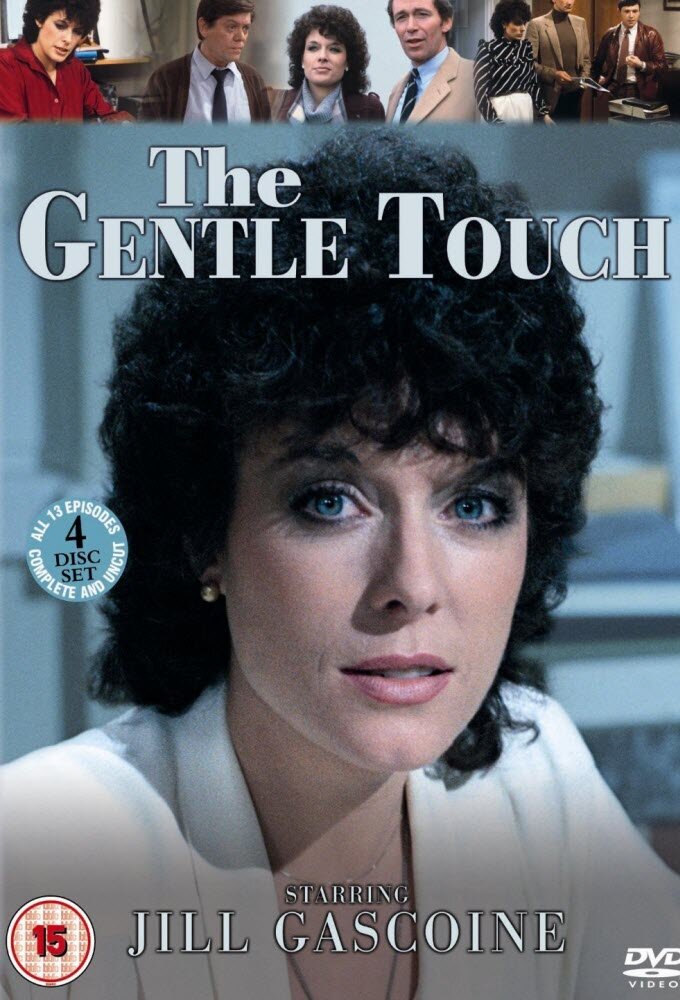
The Gentle Touch1980
Jill Gascoigne as a female detective working major crime cases with the same unsentimental, procedural rigor. Proves the format worked beyond one charismatic male lead; same gritty London crime framework.
But Later 1980s tone softens the moral ambiguity. The institutional sexism it must address shifts the focus away from pure procedural tension.
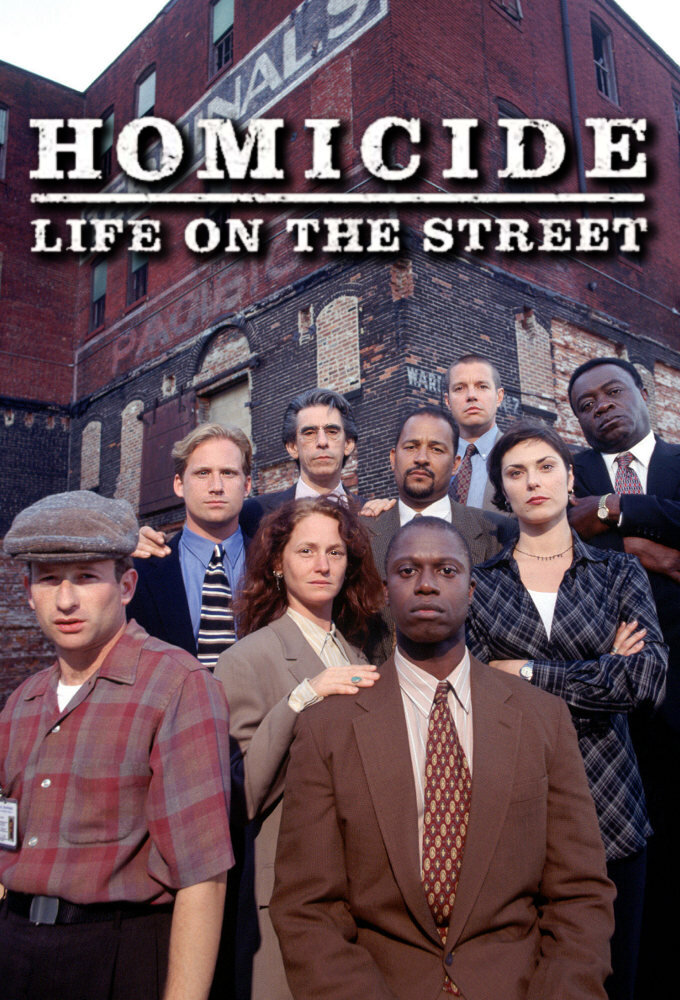
Homicide: Life on the Street1993
Baltimore detectives solving murders in a city where institutional collapse is total. Takes The Sweeney's premise—good cops in a broken system—and expands it to show why the system fails. Operatic, devastating.
But American, slow-burn, obsessed with moral philosophy. Nothing like the kinetic street energy of 1970s London. Requires patience.
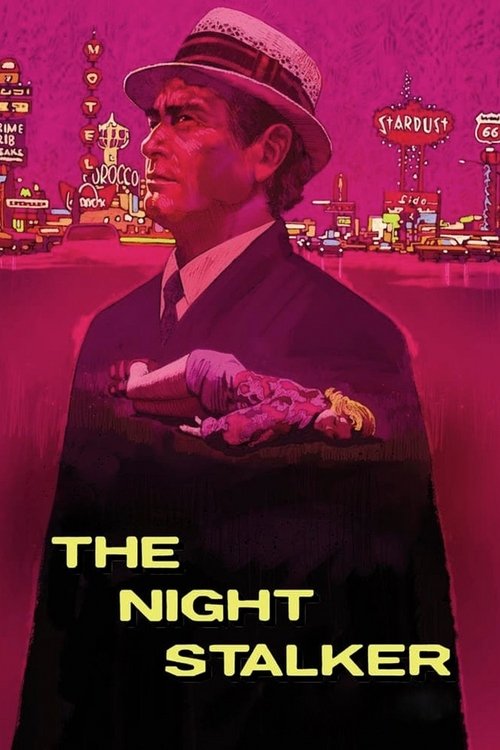
The Night Stalker1972
A reporter bent on exposing truth, operating outside official channels, antagonizing bureaucrats. Same restless energy as Regan; same protagonist who cannot be managed or controlled by institutional authority.
But Supernatural elements undermine realism. Less interested in crime procedure than in conspiracy; more X-Files than police procedural.
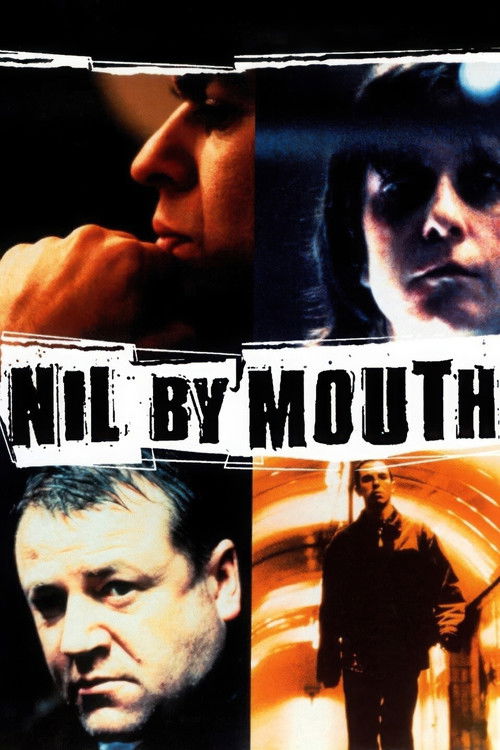
Nil by Mouth1997
Identical London vernacular and visual texture; identical willingness to show brutality as structural rather than exceptional. The Sweeney makes violence look efficient and purposeful; Nil by Mouth shows its actual human wreckage. Same world, opposite moral registers.
Gary Oldman's directorial debut about working-class London brutality: assault, addiction, casual cruelty within families. Same unvarnished London street language and violence, but intimate rather than procedural. Regan's world, zoomed in on the people it grinds down.
But No plot in the traditional sense, no heroes. Bleak, repetitive, hard to watch. Family violence is the subject, not crime-solving.
Kes1970
Both are 1970s British cinema obsessed with showing how the system works on people without power. The Sweeney celebrates the cop who bends the system; Kes shows the kid who can never access it. Watching both together reveals what era's vision of Britain actually was.
Ken Loach's drama of a working-class Yorkshire boy and his hawk. No crime, no police, no drama in The Sweeney's sense—but the same unflinching depiction of how institutions (school, family, economy) fail ordinary people. Loach's documentary realism applied to childhood instead of adult crime.
But Slow, plotless, focused on a teenage outsider. No excitement. You watch it for emotional truth, not narrative propulsion. The Sweeney gives you action; Kes gives you understanding.

People
Cast

Writing
- Ian Kennedy MartinCreator
Production
- Ted ChildsProducer
Recommended by
Dixon of Dock Green, Z Cars, A Touch of Frost, Bergerac, Taggart, The Professionals, Minder, Maigret, Van der Valk, The Gold Robbers