
Television series
Dixon of Dock Green
- Police procedural
- Workplace drama
- Light-hearted
A foundational British police procedural following PC George Dixon, a thoughtful, community-minded constable navigating petty crime and human problems with wisdom rather than force. Twenty-five minute episodes made for intimate storytelling about ordinary people in an ordinary London neighbourhood. It's gentle, humane television that treats police work as social care. For anyone curious about where the modern cop show came from, or who values character over plot.
Should you watch it?
Watch it if you like gentle, small-scale crime stories where a decent copper settles disputes by patience and common sense rather than force, and you enjoy the texture of an old London neighbourhood.
Skip it if you want tension, sharp edges or modern pacing, since this is leisurely, quietly moralising television with a warm, unhurried tone that can feel gentle to the point of old-fashioned.
What it asks of you: Each episode runs about 25 minutes and asks only modest attention, moving at a patient, unshowy pace with a mood that stays mostly light.
Not sure? Find tonight's pick in a minute.
If you liked this
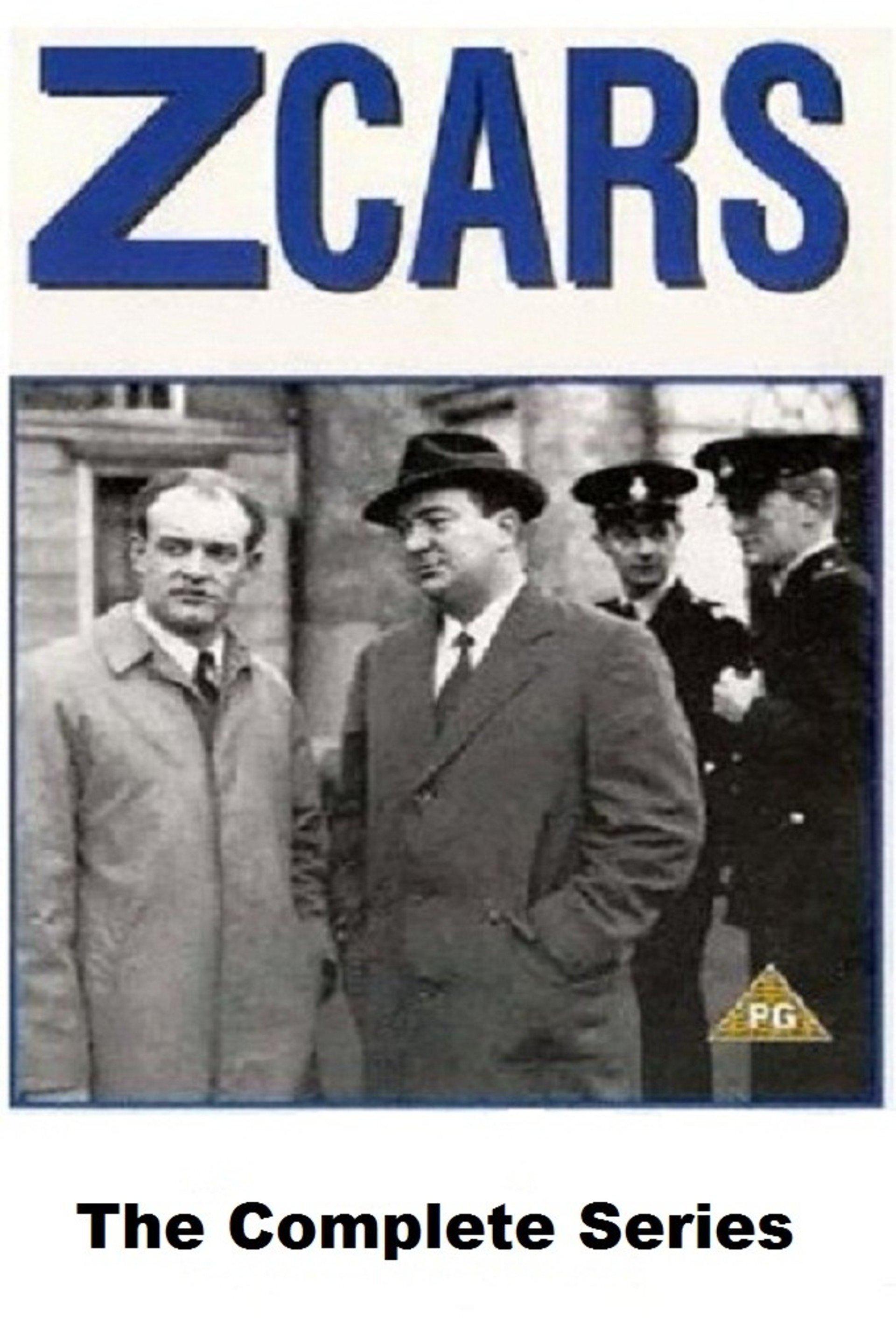
Z Cars1962
The spiritual successor that deliberately rejected Dixon's genteel approach for grittier, faster-paced policing. Essential viewing to understand how British TV drama evolved and why the shift mattered—it's the argument the medium was having with itself.
But Much starker and less warm. If you come to it expecting Dixon's wisdom and comfort, the abrasive tone and procedural efficiency will feel cold and alienating.
Killing Them Softly2012
A Z-Cars spin-off that found middle ground: serious, credible police work but with more psychological depth and character development. Shows how the genre matured without losing sight of the human cost of crime.
But Runs to 105 episodes across five series. The commitment required is substantial, and not every storyline lands with equal weight.
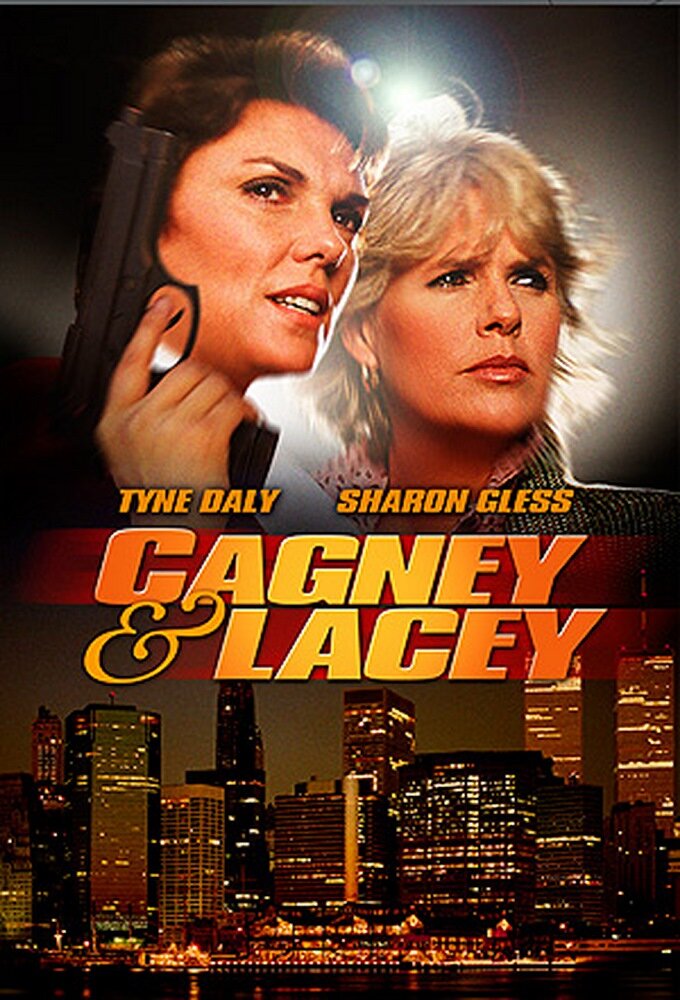
Cagney & Lacey1982
American police drama that inherited Dixon's humanism but updated it: two detectives balancing the job with real lives, solving crimes through intelligence and empathy rather than machismo. Proof the approach transcends geography and era.
But Eighty-five episodes across seven seasons. The 1980s production values and some plotlines haven't aged as gracefully as the character work.
Not sure tonight? Get a pick in a minute, starting from Dixon of Dock Green
The wildcard
Something you would not have found on your own.
I Confess1953
Both turn crime drama into a space for exploring conscience and human decency as practical problems, not abstractions.
Hitchcock's examination of a priest bound by confession hearing a murder confession. Explores the same theme as Dixon: what does duty mean when compassion and justice conflict? Suspenseful and philosophically serious.
But Slow, internal, and deeply Catholic in its preoccupations. Not a thriller in any conventional sense; it's a moral chamber piece.
More like this (7)
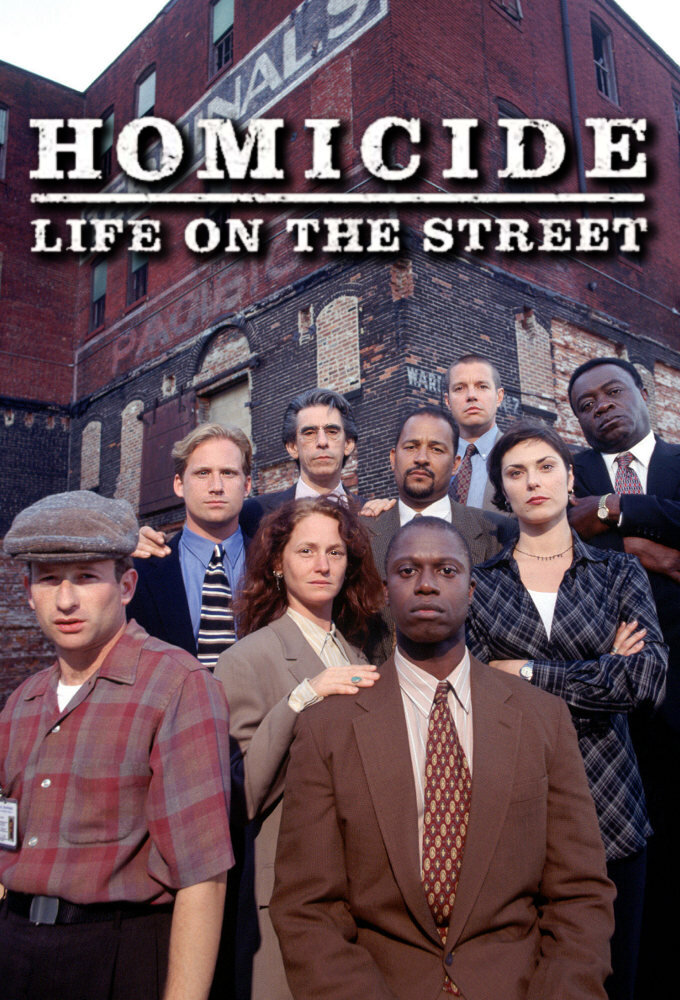
Homicide: Life on the Street1993
Modern descendant that understands Dixon's core insight: police work is fundamentally about understanding people. Extraordinary writing, ensemble cast, and willingness to let quiet moments matter as much as the crime.
But Much darker in subject matter and tone. The weight of trauma accumulates; it's not comfort viewing, even when it's brilliant.
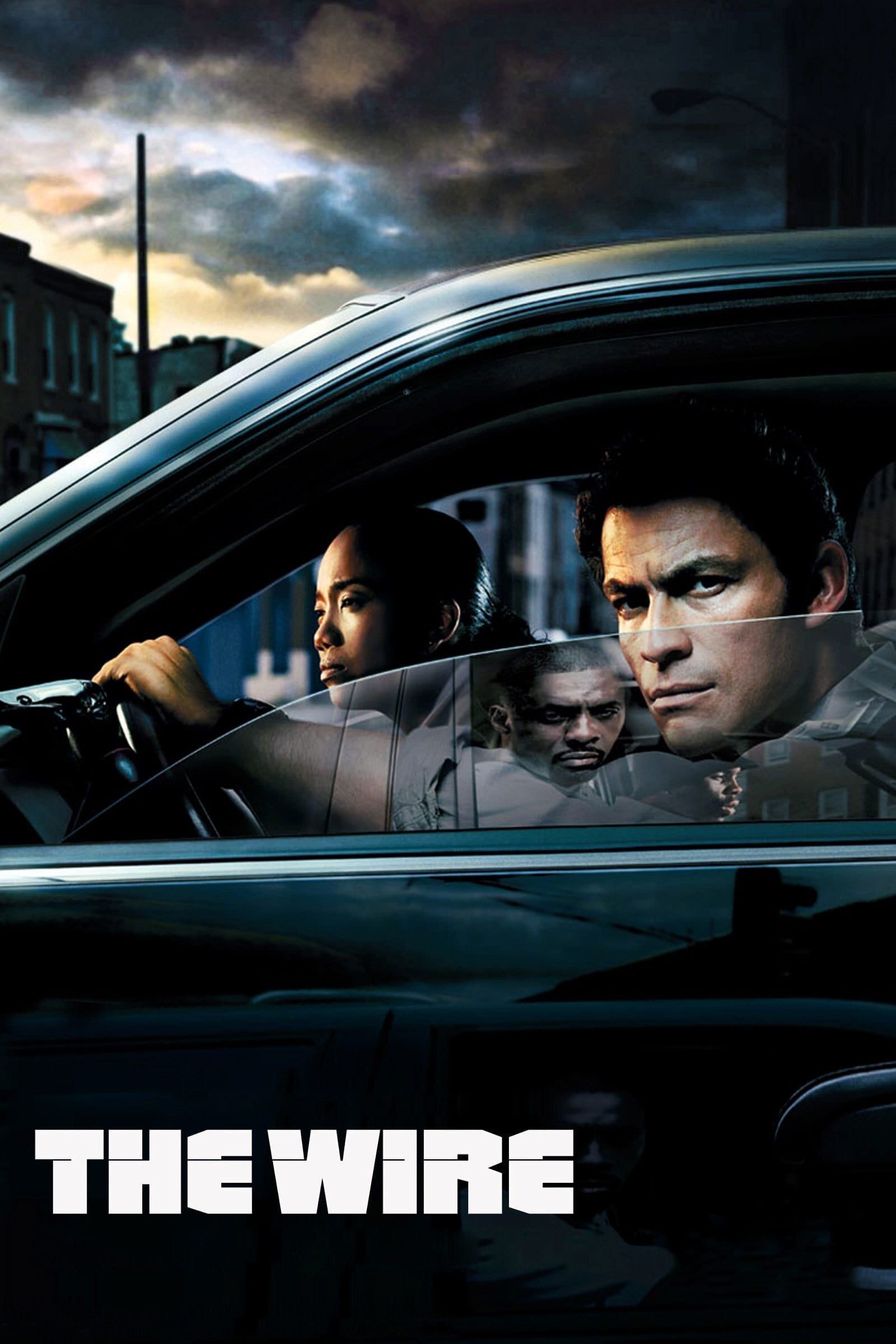
The Wire2002
Takes the procedural form Dixon pioneered and scales it to systemic complexity. Shows how individual wisdom and decency struggle against institutional failure. Intellectually demanding television that respects the audience.
But Five seasons, 60 episodes—requires serious investment. The pace can feel glacial. And it argues that the Dixon approach, however noble, cannot solve structural problems.
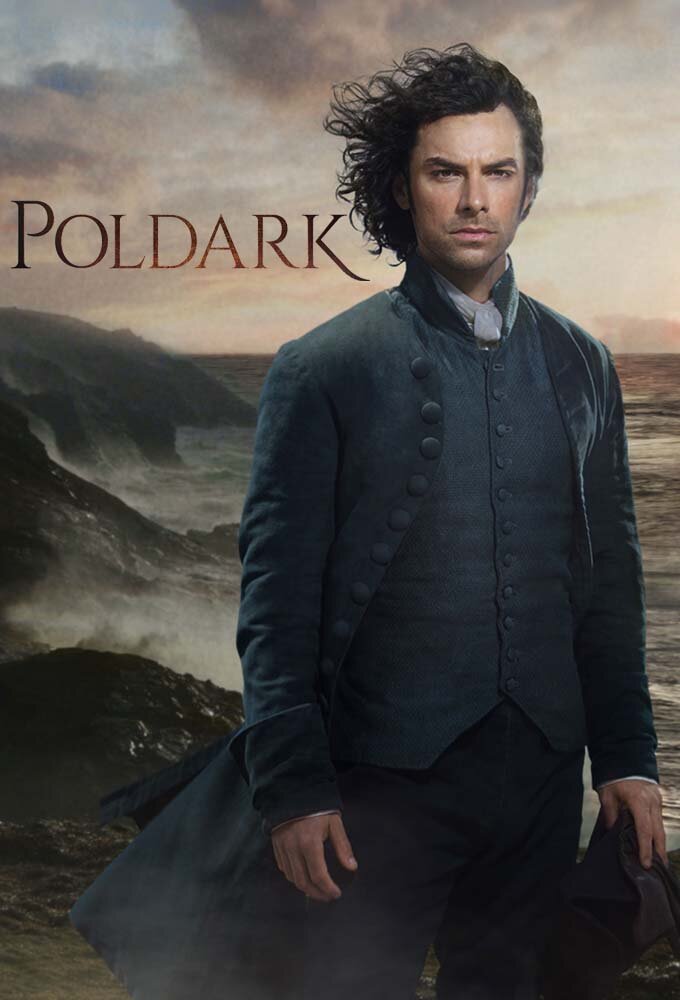
Poldark2015
Period drama with similar DNA: a good man trying to do right in an imperfect system, relying on moral clarity rather than authority. Slower pacing that lets you breathe, character-driven rather than plot-driven.
But Costumes and melodrama aren't everyone's thing. It wears its romanticism openly, which some find affecting and others find purple.
Tinker Tailor Soldier Spy2011
Le Carré adaptation with Alec Guinness. Shows an entirely different approach to crime storytelling: interior, suspicious, morally murky. The opposite of Dixon's clarity, but made with equal care for character.
But Glacially paced and genuinely difficult to follow on first viewing. Not a film that gives you anything easy.

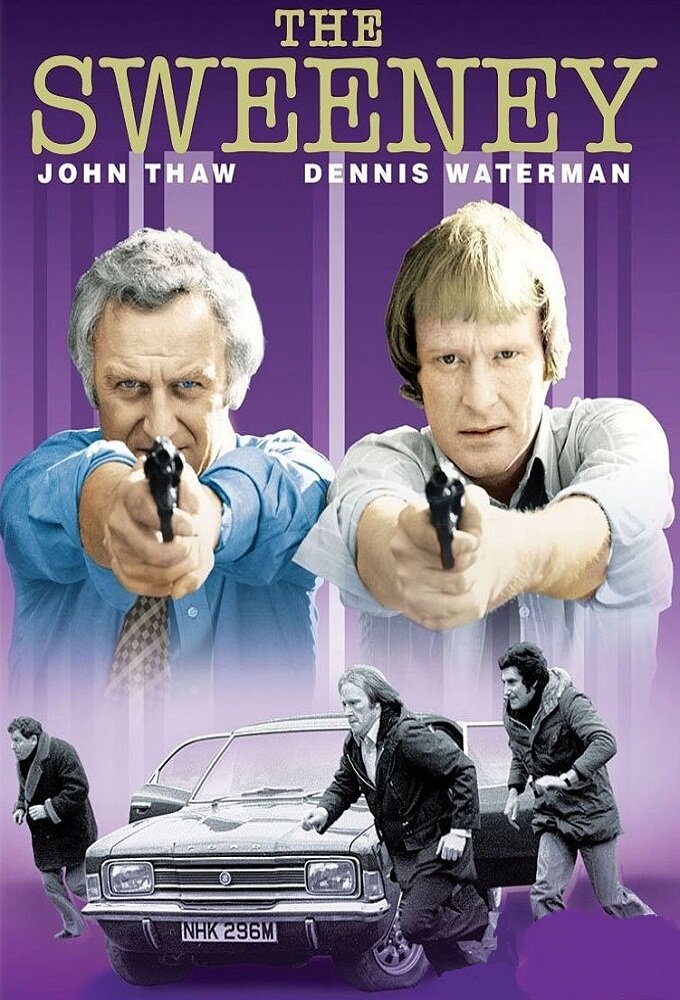
The Sweeney1975
Deliberately cynical and fast-paced, it represents the other direction British police drama could go: action-first, morality secondary. Thrilling and entertaining in a way Dixon never tried to be.
But Macho posturing and dated attitudes toward women. It's a product of its time in ways that don't flatter it.
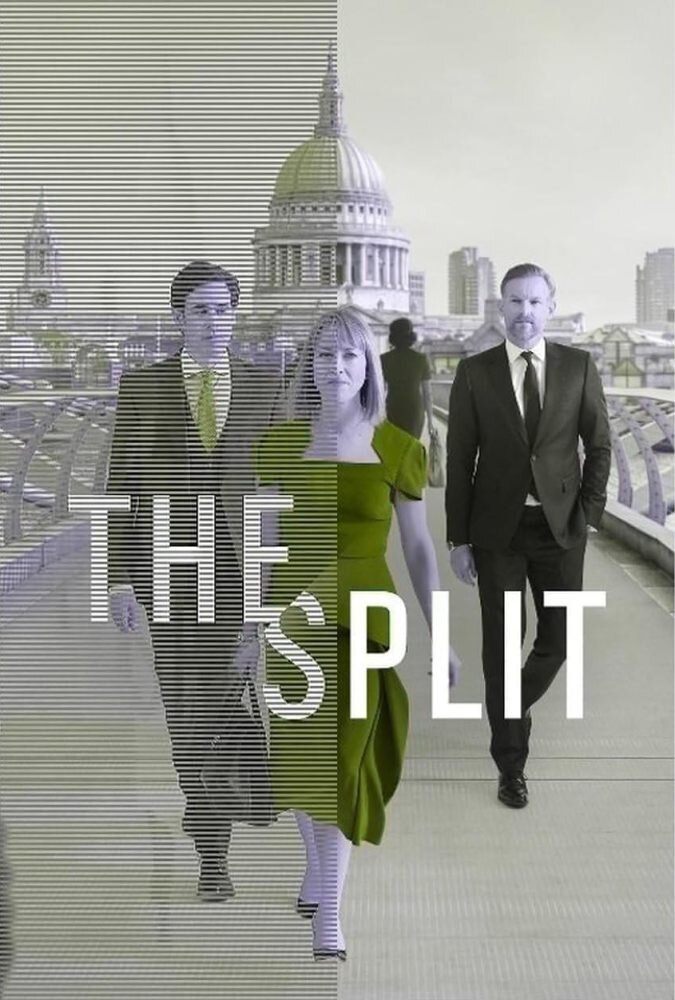
The Split2018
Direct lineage: contemporary officers explicitly trying to practice community policing as Dixon embodied it, learning whether that ideal survives contact with modern systems.
A documentary following real neighbourhood police officers in Edinburgh. Shows contemporary policing trying to reclaim Dixon's philosophy in a world that has moved on. Quietly powerful and unexpectedly moving.
But Nonfiction documentary, not drama. Won't give you plot or structure; just observation. And modern policing's constraints make it frustrating to watch sometimes.
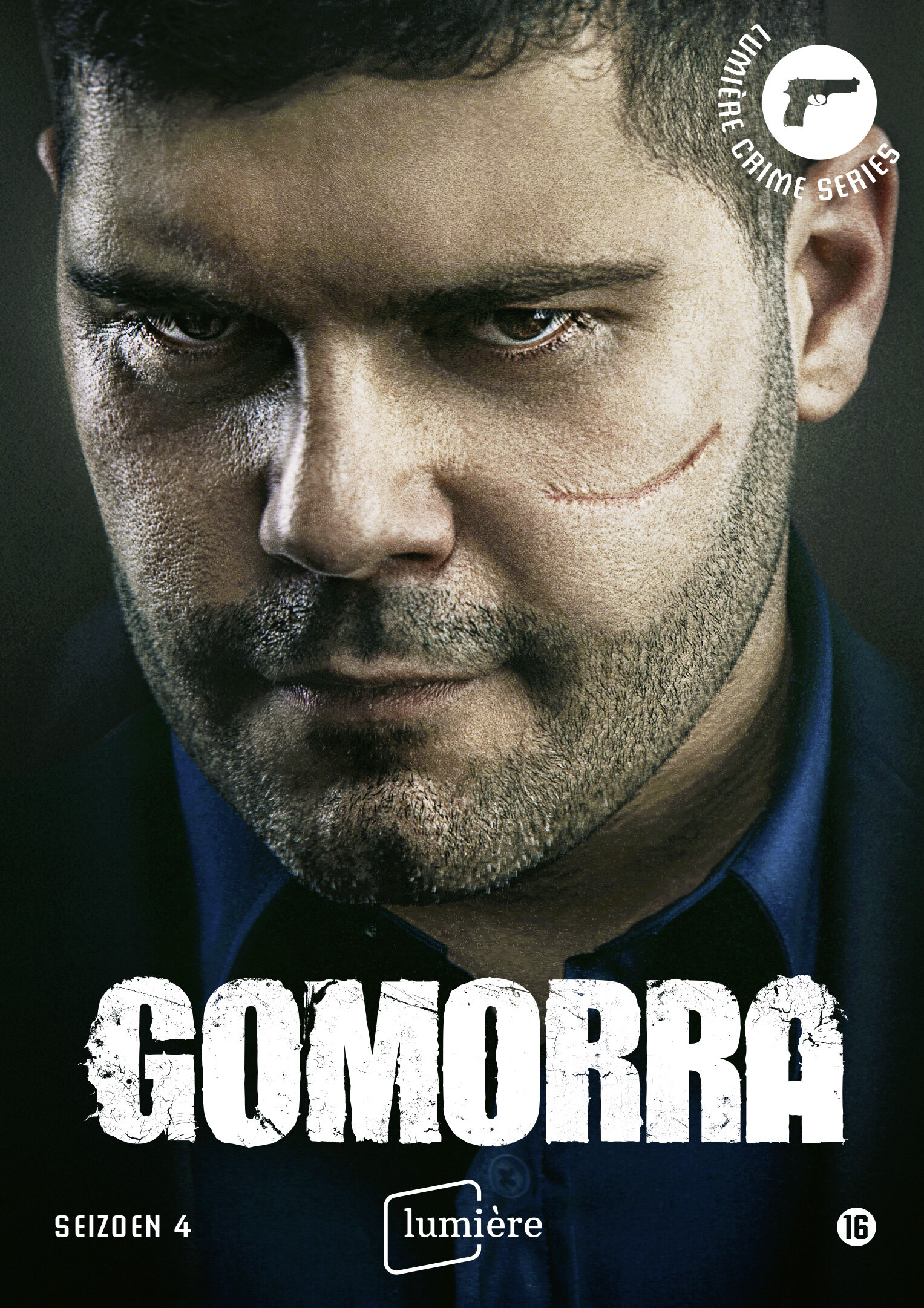
Gomorra: La Serie2014
Both treat crime as embedded in community structure rather than individual transgression; both argue that police or law alone cannot solve what is fundamentally social.
Italian crime series about Naples and organized crime. The opposite register from Dixon—violent, systemic, baroque—but built on the same foundation: that crime drama works when you understand the people, not just the plot.
But Subtitled. Genuinely brutal and uncompromising; not cathartic. The Neapolitan crime machine is not defeated or understood, just documented.
People
Cast
Writing
- Ted WillisCreator
Production
- Ronald MarshProducer