
Film
I Confess
Hitchcock in a minor, austere key: Montgomery Clift's priest hears a murderer's confession and then cannot use it to save his own neck from the gallows. It's a thriller built almost entirely on restraint — no musical stings, just a face holding still under unbearable pressure. Quiet, Catholic, and more interested in guilt than in suspense for its own sake.
Should you watch it?
Watch it if you relish slow-burning moral puzzles where tension lives in a man's silence and in the wary faces of those who suspect him.
Skip it if you want brisk plotting or a lighter touch, since it moves at a deliberate pace, leans on courtroom procedure and talk, and its black-and-white look can feel stagey.
What it asks of you: Settle in for a little under ninety-five minutes of measured, mostly dialogue-driven scenes, where the dread builds through glances and pauses rather than action.
Not sure? Find tonight's pick in a minute.
If you liked this
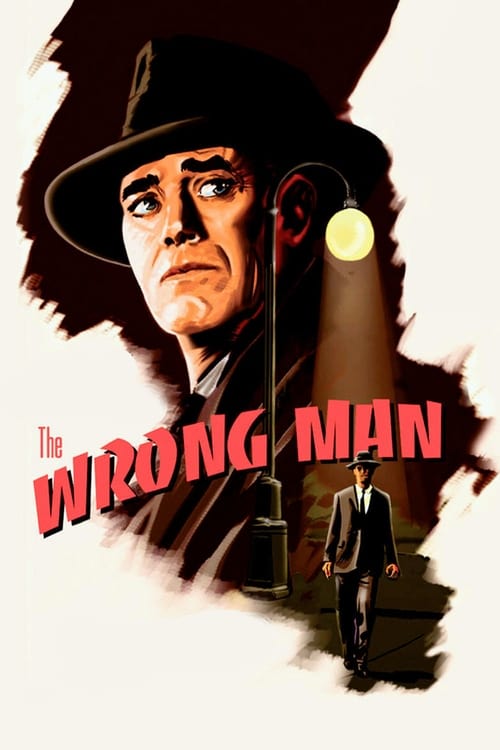
The Wrong Man1956
Hitchcock's other wrongfully-accused-man film, based on a true case and stripped almost documentary-flat. Henry Fonda plays innocence as a kind of slow-motion horror, trusting the facts alone to be frightening.
But Its deliberate dryness can feel closer to procedure than drama; many call it Hitchcock's most emotionally distant film.
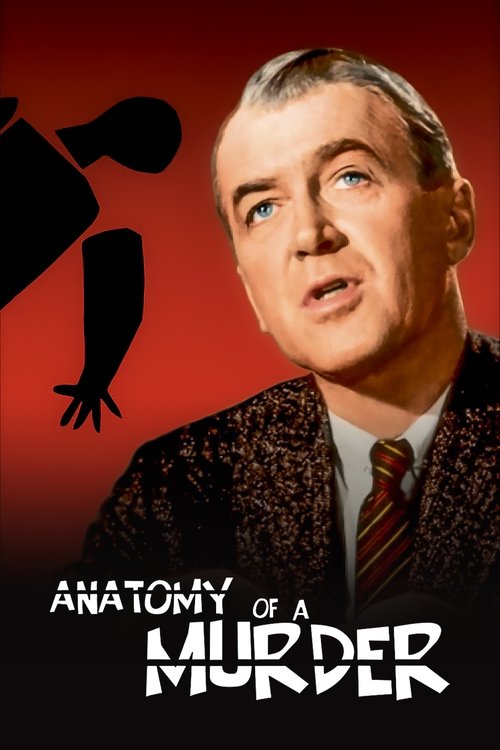
Anatomy of a Murder1959
A courtroom drama with real teeth — Jimmy Stewart as a small-town lawyer picking apart a murder case where nobody, including the defendant, is fully trustworthy. Sharp, funny, morally slippery.
But Two and a half hours of legal maneuvering; if you want tension building steadily to a verdict, the process can drag.
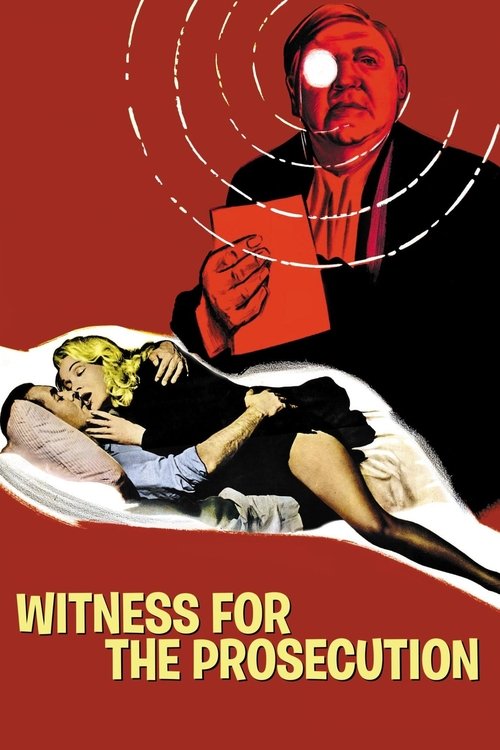
Witness for the Prosecution1957
Billy Wilder's courtroom thriller turns a murder trial into a magic trick — every certainty gets flipped at least once, with Charles Laughton magnificent as the barrister running the show.
But It's plot over psychology; the twists are the point, so it rewards a first watch more than repeat viewing.
Not sure tonight? Get a pick in a minute, starting from I Confess
The wildcard
Something you would not have found on your own.
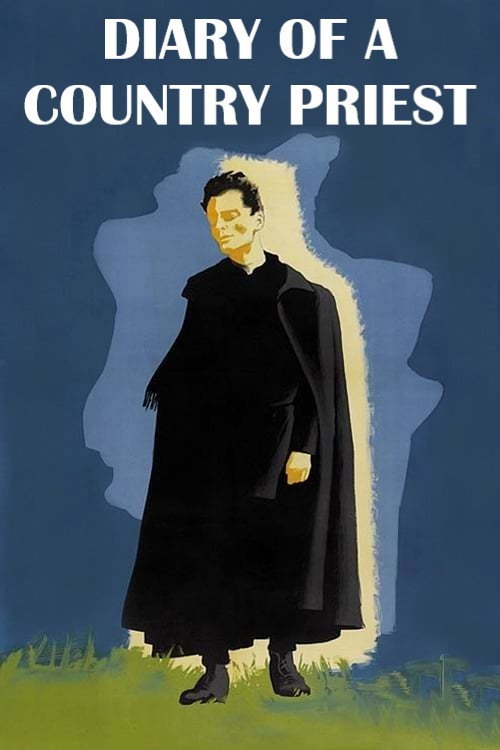
Diary of a Country Priest1951
Same vow, same isolation: a priest whose spiritual duty cuts him off from ordinary self-defence, told in Bresson's stripped, interior style instead of Hitchcock's suspense grammar.
Bresson's austere portrait of a young priest slowly consumed by a parish that doesn't want him and a body that's failing him — devotional filmmaking at its most unflinching, made two years before Hitchcock's film and just as obsessed with silence as vocation.
But Glacially slow and nearly plotless; it asks you to sit with despair rather than resolve it, with nothing like a thriller's release.
More like this (8)
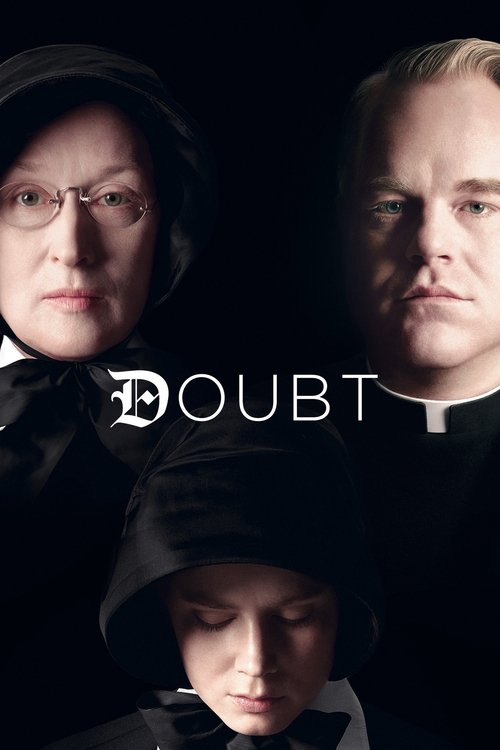
Doubt2008
A Catholic school, an accusation nobody can prove, and two extraordinary performances locked in a battle over certainty itself. The closest modern cousin to Hitchcock's Catholic guilt machine.
But Deliberately unresolved — if you need an answer by the credits, this will frustrate you.
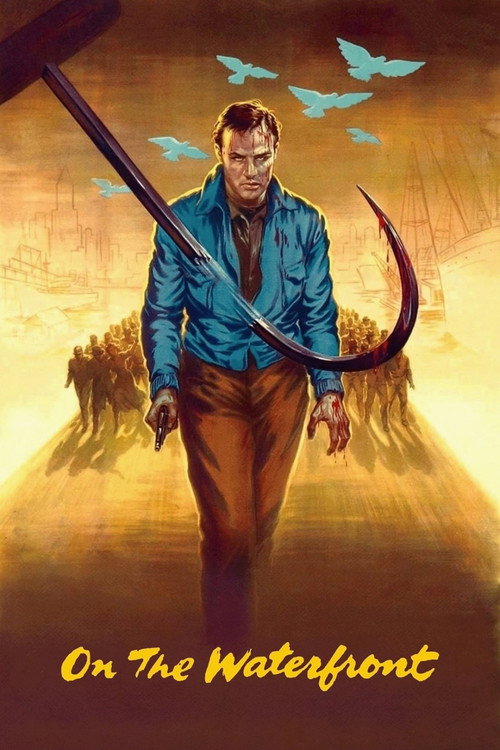
On the Waterfront1954
Karl Malden again, this time as a waterfront priest urging a conflicted dockworker toward confession and consequence. Brando's performance is legend, but the moral architecture echoes Hitchcock's film exactly.
But Its politics around informing carry real historical baggage from Kazan's own HUAC testimony, which can colour the viewing.
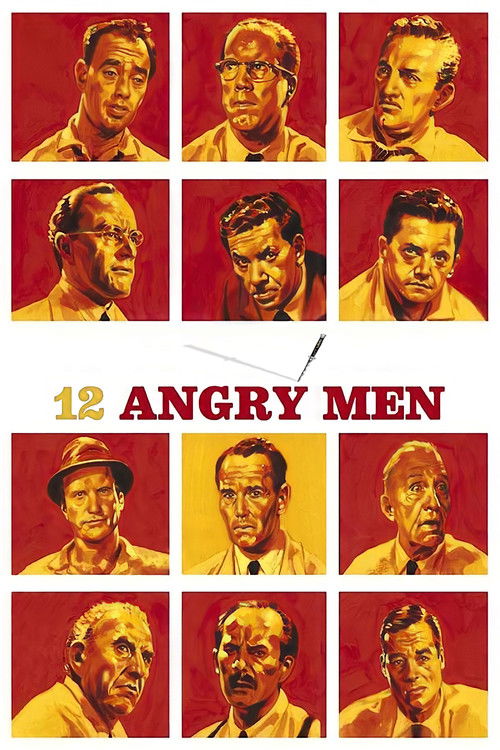
12 Angry Men1957
One room, twelve men, one life on the line — a masterclass in tension generated entirely through argument. Watching conscience wrestle with self-interest, multiplied by twelve.
But No plot momentum beyond talk; if you need visual variety, the single-set staging may feel static.
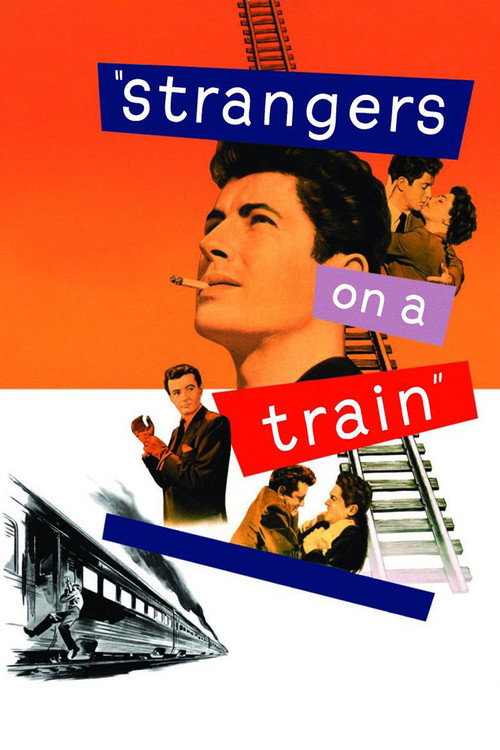
Strangers on a Train1951
Vintage Hitchcock from two years earlier — a chance meeting, a shared secret, an innocent man dragged toward a crime he didn't commit. Same guilt-by-association fascination, more pulp, less piety.
But Its central conceit, a tennis star menaced by a charming psychopath, is broader and pulpier than I Confess's solemnity.
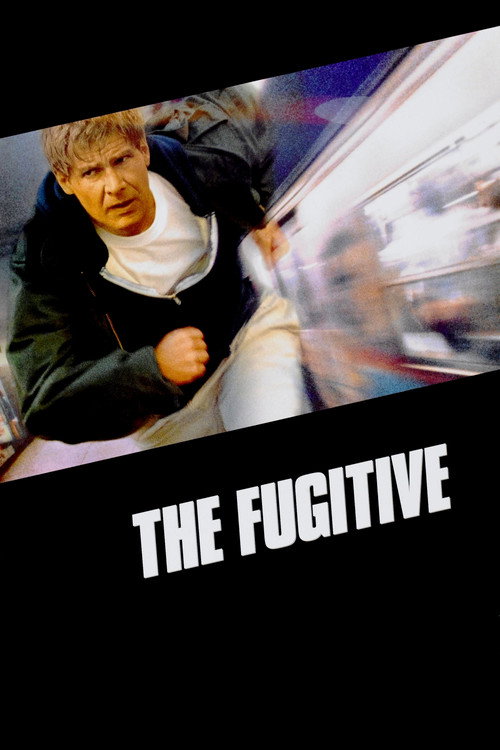
The Fugitive1993
The wrongly-accused-man plot updated into a full-throttle chase thriller — Harrison Ford on the run, Tommy Lee Jones closing in. All the moral weight of the setup, none of the stillness.
But It's an action movie at heart; anyone drawn to I Confess for its quiet will find this loud and relentless by comparison.
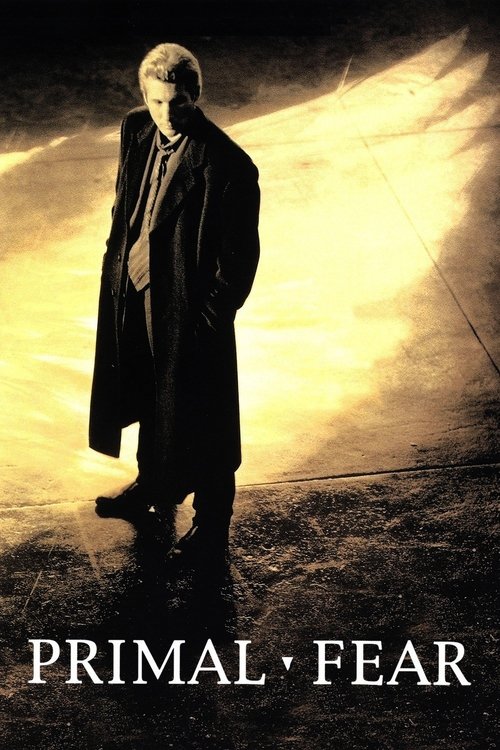
Primal Fear1996
A courtroom thriller about a defendant nobody can quite read, and a truth that stays hidden until it can't. Richard Gere's lawyer learns, like Clift's priest, that knowing something isn't the same as being able to use it.
But It leans harder into twist-thriller mechanics than moral drama, and the ending divides people.
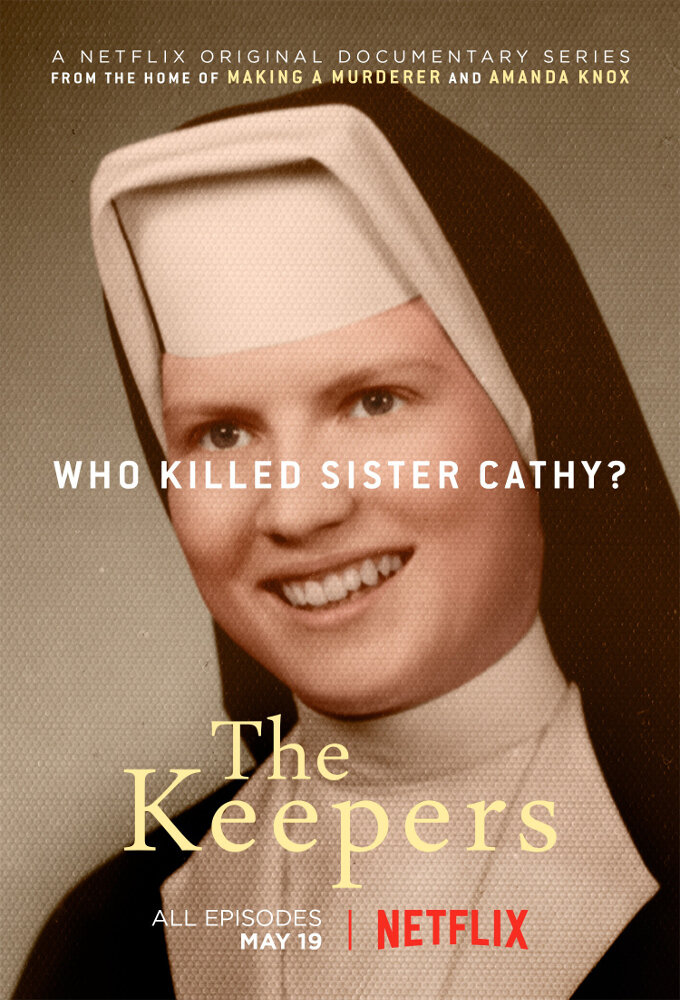
The Keepers2017
I Confess imagines a priest bound by silence as a moral test; The Keepers shows what that same institutional silence looks like when it protects the guilty instead of testing the innocent.
A true-crime documentary series about the unsolved murder of a nun and the decades of Catholic Church silence that followed — real institutional secrecy standing in for the fictional confessional, and just as chilling.
But Seven slow episodes digging through a decades-old cover-up, heavy with real grief and no tidy ending — the opposite of a 95-minute thriller.
Harakiri1962
Swap the confessional for the sword: both films watch a man submit to a code of silence and honour that the institution around him doesn't actually deserve, building to the same quiet fury at virtue worn as a mask.
A masterful Japanese drama about an aging samurai demanding ritual suicide be granted with dignity — and the code of honour that turns out to be hollow at its core. Cool, formal, devastating.
But Subtitled and slow-building, rooted in samurai-era customs that take some patience to settle into if the genre is new to you.

People
Cast
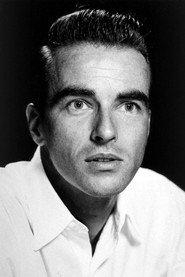 Montgomery CliftFr. Michael William Logan
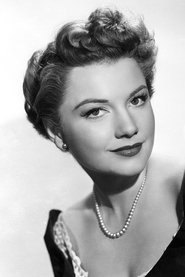 Anne BaxterRuth Grandfort
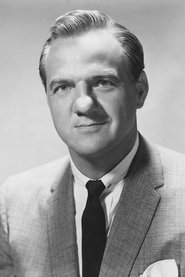 Karl MaldenInspector Larrue
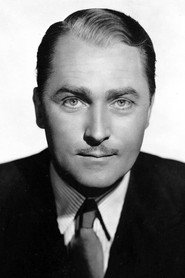 Brian AherneWilly Robertson
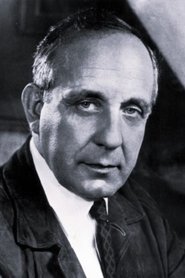 O.E. HasseOtto Keller
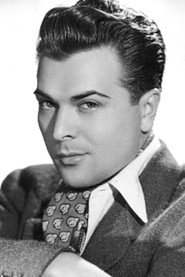 Roger DannPierre Grandfort
 Dolly HaasAlma Keller
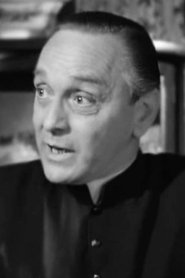 Charles AndreFather Millars
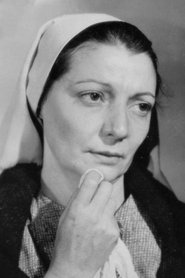 Nan BoardmanMaid (uncredited)
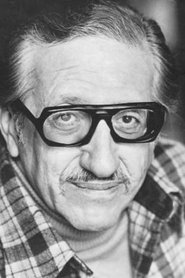 Henry CordenDet. Sgt. Farouche (uncredited)
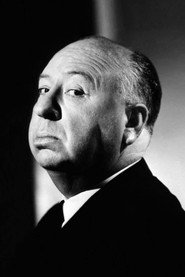 Alfred HitchcockMan Crossing the Top of Long Staircase (uncredited)
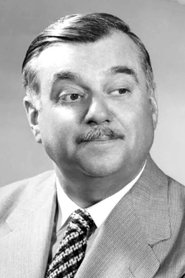 Ovila LégaréMonsieur Villette (uncredited)
Directing
- Don AlvaradoAssistant Director
- Alfred HitchcockDirector
Writing
- George TaboriScreenplay
- William ArchibaldScreenplay
- Paul AnthelmeTheatre Play
Production
- Alfred HitchcockProducer
- Sherry ShourdsProduction Supervisor
Recommended by
The Keepers, Dixon of Dock Green, The Man Who Knew Too Much, Broken, Crime and Punishment