
Film
Diary of a Country Priest
Robert Bresson's 1951 film follows a sickly young priest through his first, disastrous posting, narrated in fragments from his own diary. The performances are deliberately flat, the pacing unhurried, the cruelty of the village almost liturgical in its patience. It's a film about grace arriving without comfort — slow, spare, unsentimental. For patient viewers drawn to spiritual cinema, not for anyone wanting warmth or resolution.
If you liked this
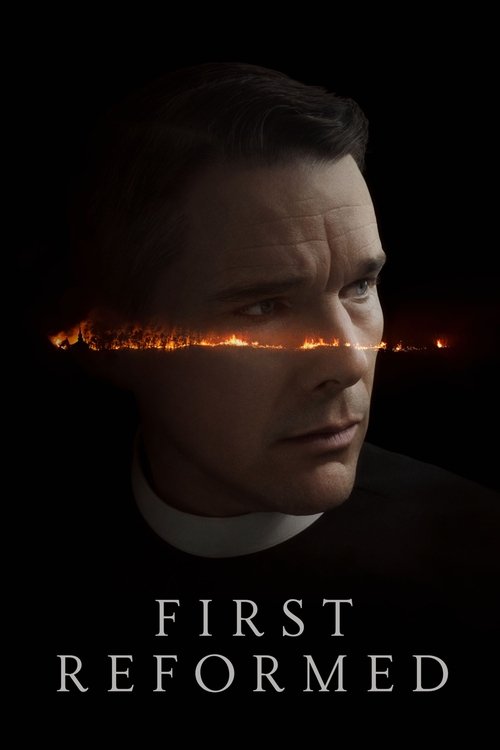
First Reformed2018
Paul Schrader wrote this as a direct, self-declared answer to Bresson's priest; Ethan Hawke's minister keeps a diary too, and the despair curdles into something even darker.
But Its final act swerves into shock and allegory that some find punishing rather than illuminating.
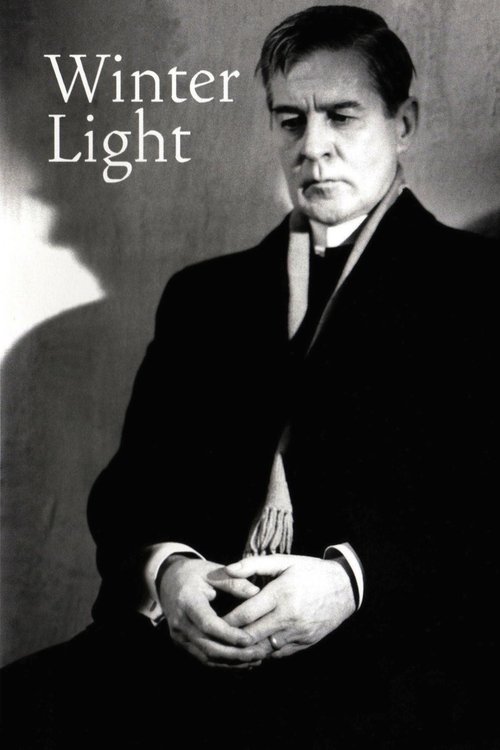
Winter Light1963
Bergman's pastor administers communion to an empty church and feels nothing; it's the Protestant, chamber-drama mirror to Bresson's Catholic asceticism, brutal and precise.
But Only 80 minutes but relentlessly bleak, with almost no relief or plot momentum.
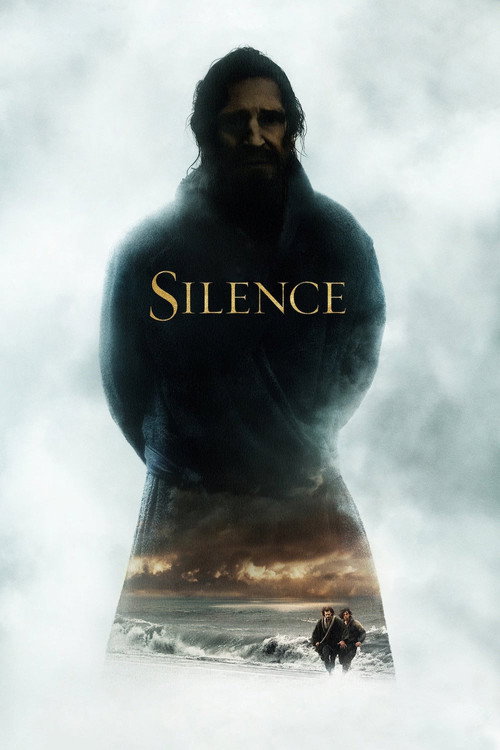
Silence2016
Scorsese's decades-long passion project follows Jesuit priests tortured for their faith in 17th-century Japan, asking exactly the same question — what does God's silence mean?
But Nearly three hours long and deliberately punishing; some find it more admirable than watchable.
The wildcard
Something you would not have found on your own.
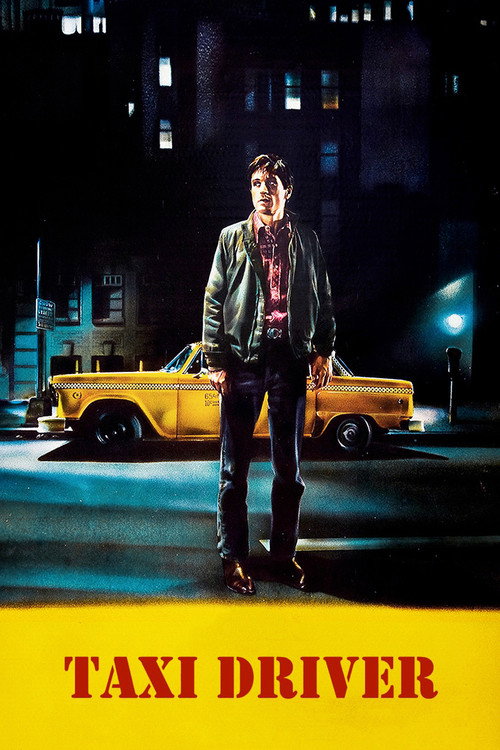
Taxi Driver1976
Schrader has publicly credited Diary of a Country Priest's confessional structure as the direct model for Travis's narration — same shape, opposite costume.
Paul Schrader has said he wrote Travis Bickle's diary voiceover with Bresson's priest directly in mind — an isolated man narrating his own unraveling, relocated to grimy 1970s New York.
But It's violent, paranoid, and thoroughly secular — nothing about it looks or feels like a religious film on the surface.
More like this (8)
Calvary2014
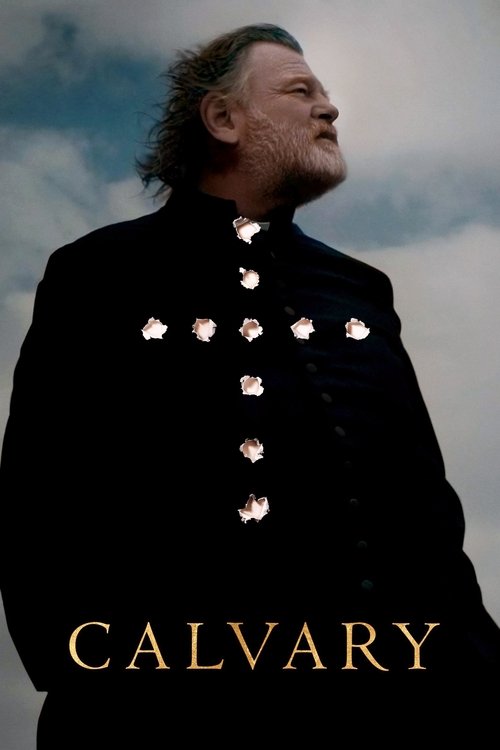
A good priest is given a week to live by a parishioner, and the film turns village hostility toward the church into something between black comedy and elegy.
But The tonal swerves between jokes and genuine anguish won't sit well with everyone.
Ordet1955
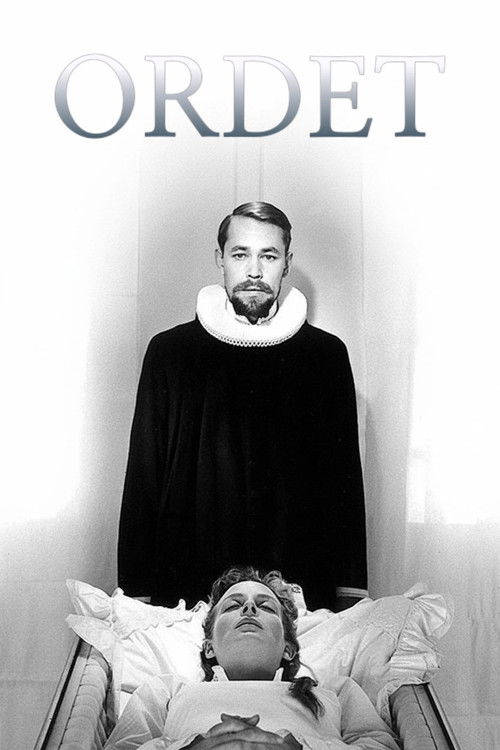
Dreyer's Danish drama treats faith, doubt, and a miracle with the same unhurried, unadorned seriousness Bresson brings to his priest's small parish.
But Its final scene asks you to accept something many modern viewers will resist taking straight.
A Man Escaped1956
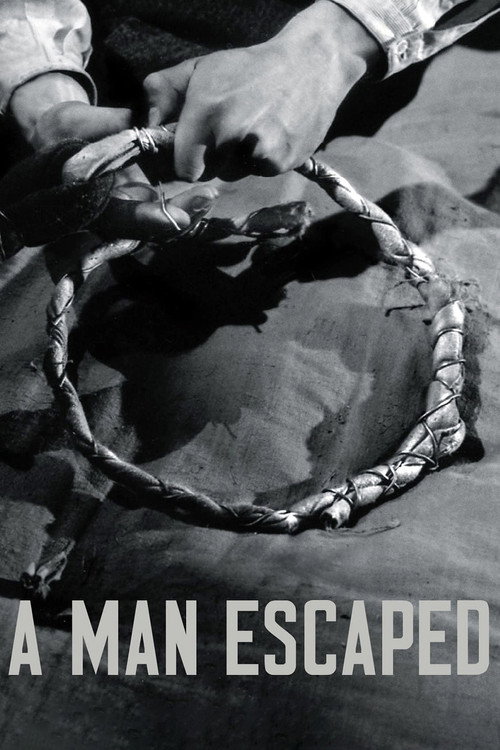
Same director, same flattened performances and voiceover, but here the subject is a Resistance prisoner planning escape — Bresson's method applied to pure procedure and tension.
But If you found Diary too austere, this won't convert you; it's just as controlled, just less overtly spiritual.
Au Hasard Balthazar1966
Bresson again, this time following a donkey through a village of human cruelty and indifference — grace and suffering distilled to something almost unbearably simple.
But Watching an animal suffer through human failure is exactly as hard as it sounds.
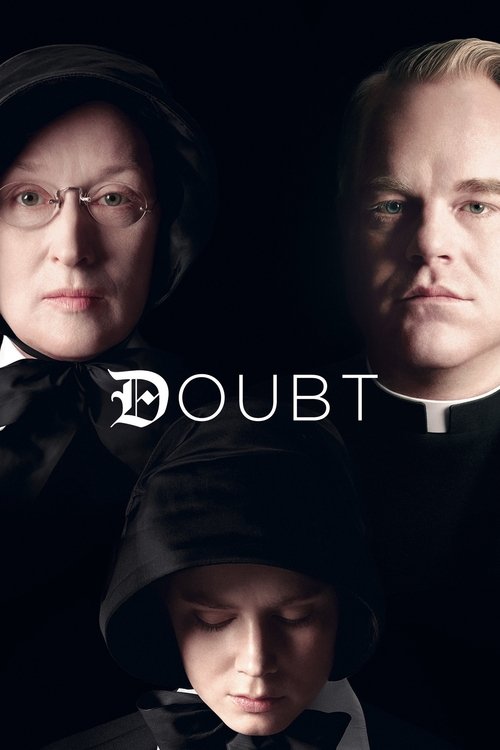
Doubt2008
Meryl Streep and Philip Seymour Hoffman face off over a nun's suspicion of a priest, turning institutional faith into gripping, actorly combat.
But It's a filmed play at heart — talky and theatrical, much more plot-driven than Bresson's interior stillness.
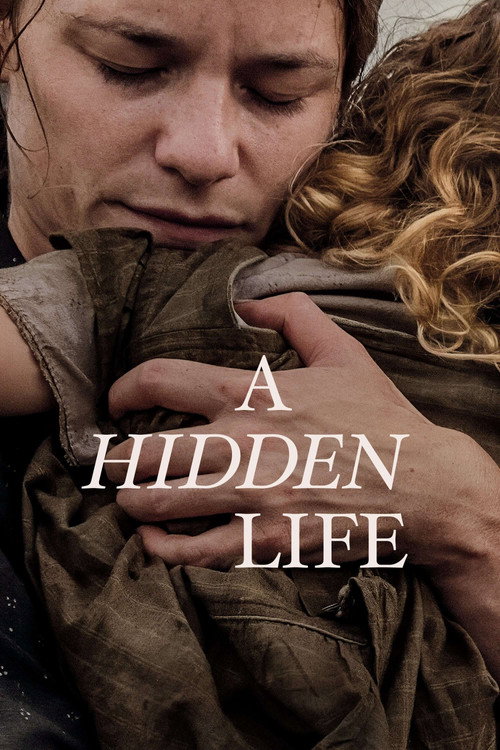
A Hidden Life2019
Malick follows an Austrian farmer's quiet refusal to swear allegiance to Hitler — hours of conviction held against overwhelming pressure, filmed like a prayer.
But Malick's whispered voiceovers and drifting camera test patience even by arthouse standards.
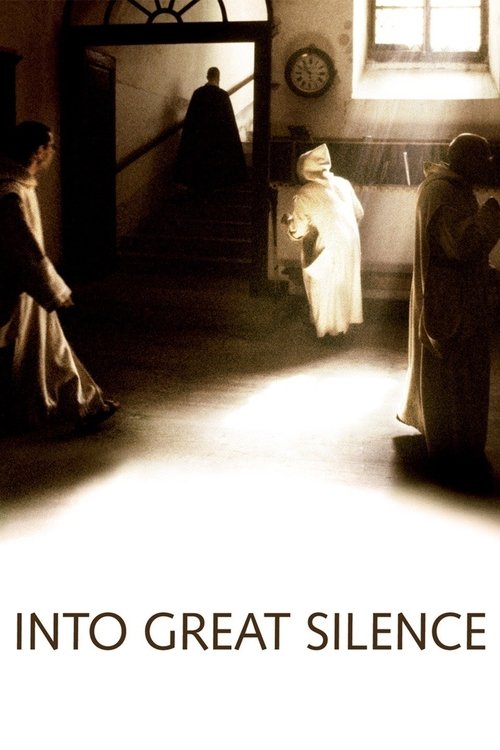
Into Great Silence2005
It shows the actual daily asceticism — silence, prayer, physical hardship — that Bresson's fiction dramatizes through his priest's diary.
A wordless, nearly scoreless documentary shot inside a French Carthusian monastery — the real, lived version of the discipline and silence Bresson only stages.
But Almost three hours with virtually no dialogue or narrative; it demands the same patience Bresson's priest tests, with none of the drama.
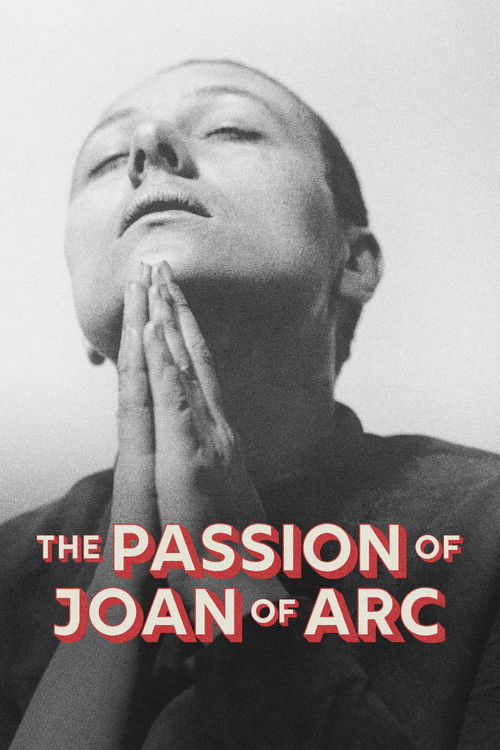
The Passion of Joan of Arc1928
Both films locate faith's real drama in the body's endurance of suffering rather than in plot or speech — Dreyer got there first, and without sound.
Dreyer's silent masterpiece, built almost entirely from Renée Falconetti's face, finds the same interior spiritual agony Bresson later pursued — decades earlier, without a single word of dialogue.
But Silent, from 1928, and entirely dependent on reading suffering off a face for 80 minutes straight.
People
Cast
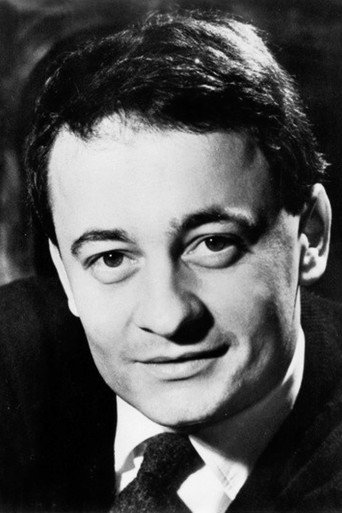 Claude LayduCuré d'Ambricourt
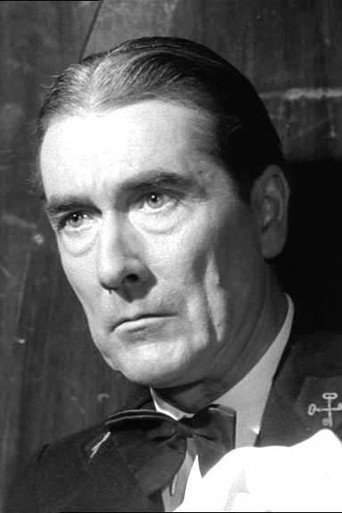 Jean RiveyreLe Comte
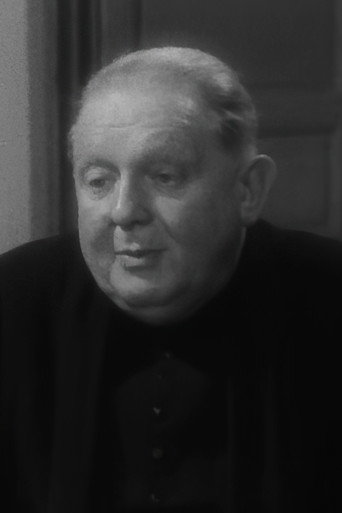 Adrien BorelPriest of Torcy
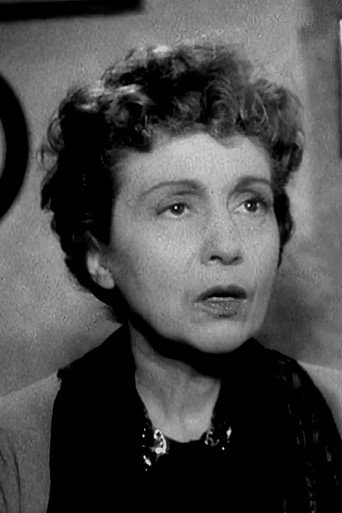 Rachel BérendtLa Comtesse
 Nicole MaureyMiss Louise
 Nicole LadmiralChantal
 Martine LemaireSéraphita Dumontel
 Antoine BalpêtréDr. Delbende
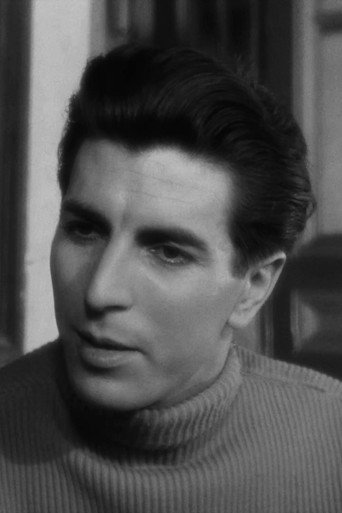 Jean DanetOlivier
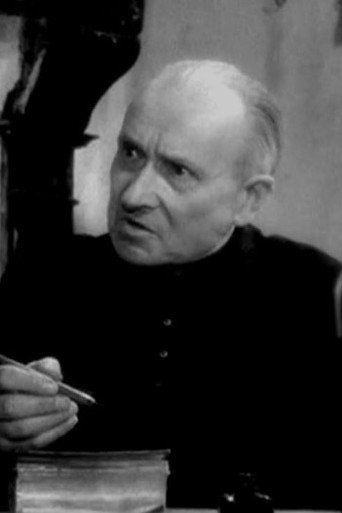 Gaston SéverinCanon
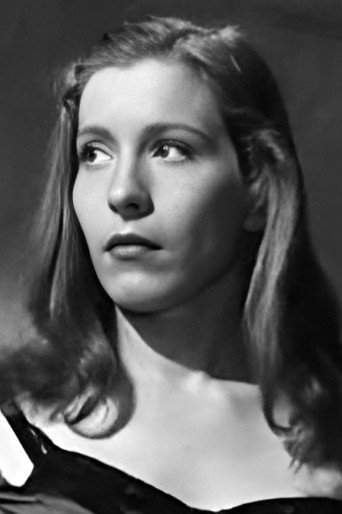 Yvette EtiévantFemme de Ménage
- Bernard HubrennePrêtre Dufrety
Directing
- Robert BressonDirector
- Guy LefrancFirst Assistant Director
- Odette LemarchandScript Supervisor
Writing
- Robert BressonAdaptation
- Georges BernanosNovel
- Robert BressonScreenplay
Production
- Michel ChoquetGeneral Manager
- Emil PuetProduction Manager
- Léon CarréProduction Manager
- Robert SussfeldProduction Supervisor
- Henry ServetUnit Manager
Recommended by
First Reformed, Babette's Feast, Ordet, Calvary, Winter Light, Going My Way, Rev.