
Film
Two Years at Sea
- Slow-burning
Ben Rivers' hypnotic film follows Jake Williams, a man living alone in a remote Scottish forest, through two years of seasons and solitude. It's meditative, austere, and utterly absorbing—less documentary than prose poem. For anyone drawn to extreme self-sufficiency, landscape as character, or cinema that demands patience and rewards it.
Should you watch it?
Watch it if you are drawn to slow, observational portraits where a solitary man's small daily rituals and odd home-made projects slowly reveal a whole way of living.
Skip it if you need a plot, a sense of where things are heading, or a narrator to explain anything, since this one offers almost none of that and simply keeps watching.
What it asks of you: It unfolds at the pace of the seasons themselves, with long, quiet stretches of watching where your patience does more work than any momentum.
Not sure? Find tonight's pick in a minute.
If you liked this
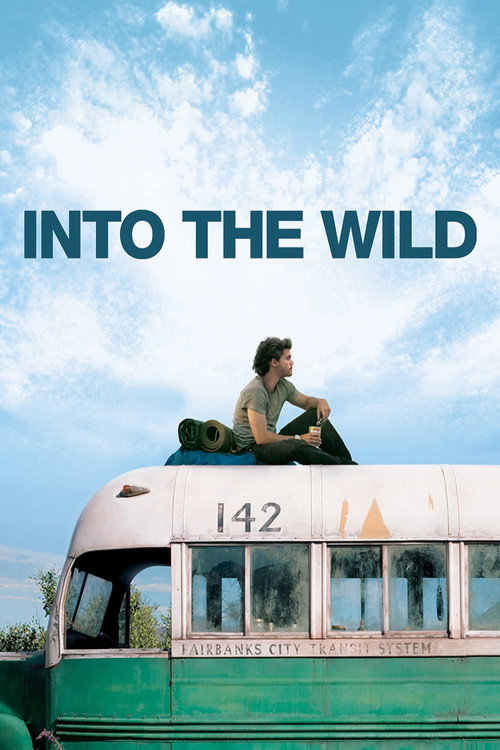
Into the Wild2007
Sean Penn's account of Chris McCandless seeking transcendence through wilderness isolation. Gripping, beautifully shot, asks the same question: can you find yourself by losing everything?
But It's a cautionary tale that ends tragically, and the romantic myth of wilderness living is its target, not its endorsement.
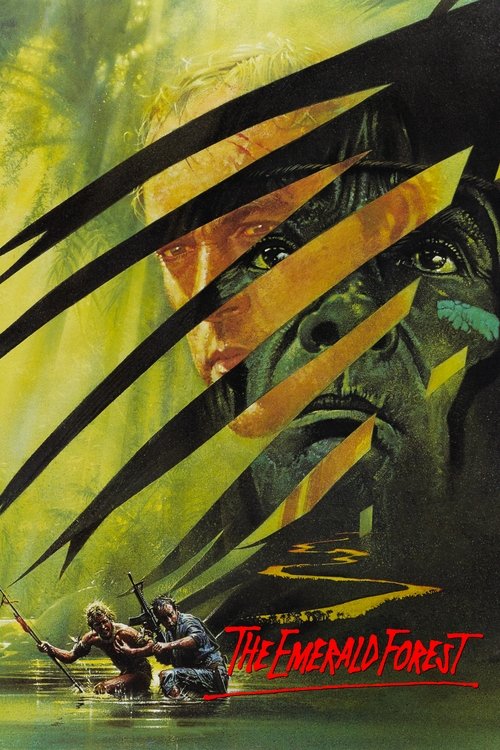
The Emerald Forest1985
John Boorman's ravishing film about a man and his son in the Amazon, raising profound questions about civilization, nature, and what we're willing to abandon. Visually stunning, genuinely strange.
But The pacing is deliberately slow, and the plot is secondary to atmosphere. It won't grab you with incident.
Stalker1979
Tarkovsky's meditative sci-fi masterpiece about a journey through a mysterious zone. Like Two Years at Sea, it's more interested in contemplation and landscape than plot, and it's mesmerizing.
But It's 163 minutes of philosophical slowness. If you need narrative momentum, this will test your patience severely.

Not sure tonight? Get a pick in a minute, starting from Two Years at Sea
The wildcard
Something you would not have found on your own.
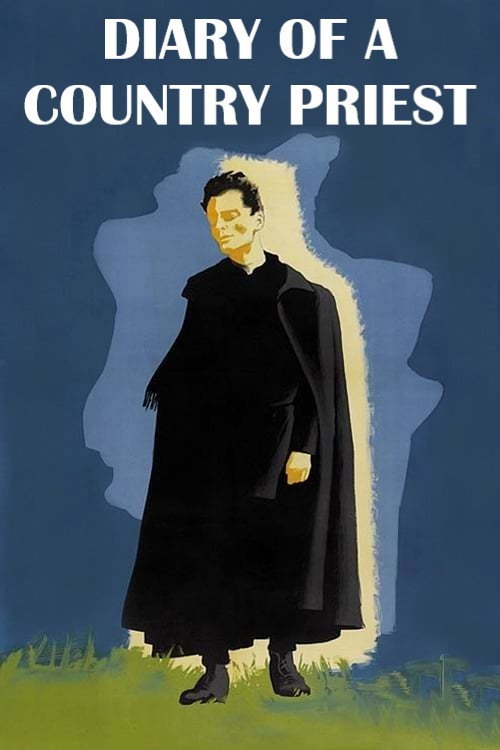
Diary of a Country Priest1951
Both films treat isolation as a spiritual practice rather than escapism, using extreme constraint of form (monochrome and minimal narrative for Bresson, two years in one location for Rivers) to force depth.
Robert Bresson's 1951 masterpiece about a young priest serving a remote parish, documenting his inner life through prayer and self-doubt. Austere, spiritual, and about the discipline of solitude as a path to understanding.
But It's in black and white, from 1951, and deliberately anti-cinematic—shot like a visual essay. The quietness might feel like nothing is happening.
More like this (7)
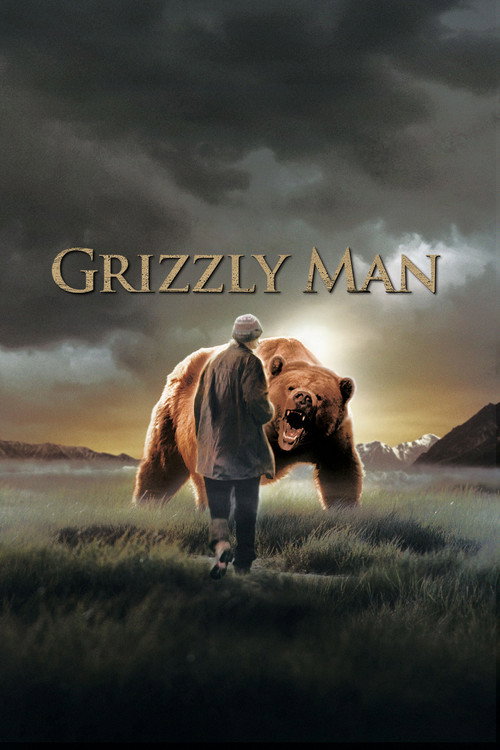
Grizzly Man2005
Werner Herzog's documentary about Timothy Treadwell, a man obsessed with living among bears. It shares Two Years at Sea's fascination with solitary obsession and the question of whether retreat is enlightenment or delusion.
But It ends in genuine tragedy and loss, and Herzog doesn't let you off easy with neat conclusions.
The Man from Earth2007
A deliberately cheap, conversation-heavy film about a professor who reveals he's a 14,000-year-old immortal. It's austere, intelligent, and proof that constraint breeds creativity.
But Minimal production values and a single location might feel claustrophobic rather than focused. It's closer to a chamber play than cinema spectacle.
My Octopus Teacher2020
A marine biologist spends a year in the ocean documenting an octopus. Peaceful, gorgeously shot, about observation and the slow discipline of attention—spiritual without being grandiose.
But It's gentler and more accessible than Two Years at Sea, which might make it feel slight by comparison if you wanted something darker.
Nostalgia1983
Tarkovsky again, but this time about an intellectual grappling with memory, faith, and displacement. If you loved the philosophical weight of Two Years at Sea, this goes deeper into existential territory.
But It's nearly three hours of Tarkovsky being Tarkovsky—hypnotic for some, a test of endurance for others. Requires genuine surrender.
Robinson in Ruins2010
Patrick Keiller's essay-film about walking through the English landscape, narrated by a deadpan voiceover. It's about observation, solitude, and what the land tells you if you're patient enough to listen.
But It's deliberately dry and intellectual. If you want emotion or conventional storytelling, you'll find it puzzling rather than moving.
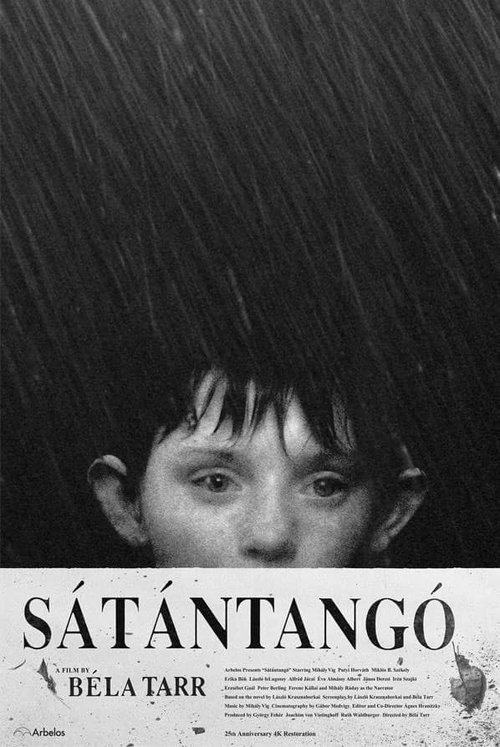
Satantango1994
Both are essays in extreme duration and atmospheric accumulation, using repetition and routine to explore how time and place shape consciousness. Both trust the viewer to find meaning in observation rather than explanation.
Béla Tarr's seven-hour Hungarian masterpiece about social collapse in a decaying community. Hypnotic, bleak, and so committed to its own logic that it becomes almost meditative. Demands surrender but rewards it completely.
But Seven hours, black and white, about poverty and despair. It's one of the most challenging films ever made—not because it's obscure, but because it refuses to comfort you.
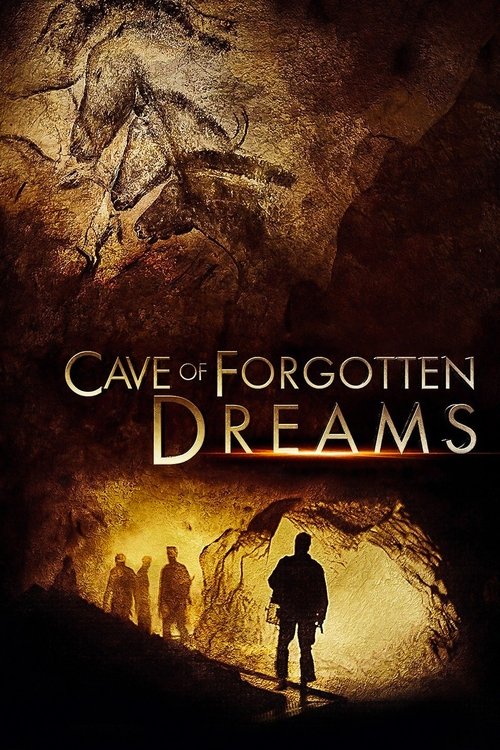
Cave of Forgotten Dreams2010
Both films use their format (documentary, minimalist narrative) to create something closer to philosophy or poetry than storytelling. Both suggest that the deepest human truths come from patience, attention, and acceptance of what is.
Werner Herzog documents the Chauvet Cave in southern France and its 32,000-year-old paintings. It's Herzog's most wonder-struck film—about art, time, and what endures. Hypnotic, spiritual, genuinely moving.
But It's a museum visit on film, and for long stretches nothing happens but looking. If you need drama or conflict, this offers none—only contemplation.
People
Cast
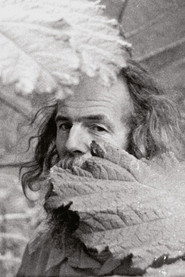 Jake WilliamsHimself
Directing
- Ben RiversDirector
Writing
- Ben RiversWriter
Recommended by
The Assassin, Sugar Cane Alley, In Another Country, Everyone Else