
Film
Sugar Cane Alley
Sugar Cane Alley is a quietly powerful coming-of-age story set in colonial Martinique, following a determined boy and his grandmother as they navigate poverty and systemic oppression through education. Tender and unsentimental, it moves at the pace of real life—long days of small victories and setbacks. Essential watching for anyone interested in Caribbean cinema and stories about how families survive.
Should you watch it?
Watch it if you are drawn to quiet, observant coming-of-age stories where a child's schooling becomes a window onto poverty, pride and a grandmother's stubborn love.
Skip it if you want plot-driven momentum, since this is a patient, episodic portrait of daily hardship where little happens by design and scenes linger on work and ritual.
What it asks of you: Long stretches of quiet observation over about an hour and forty minutes, with a slow rhythm and heavy material handled without showy hooks or quick cuts.
Not sure? Find tonight's pick in a minute.
If you liked this
A Separation2011
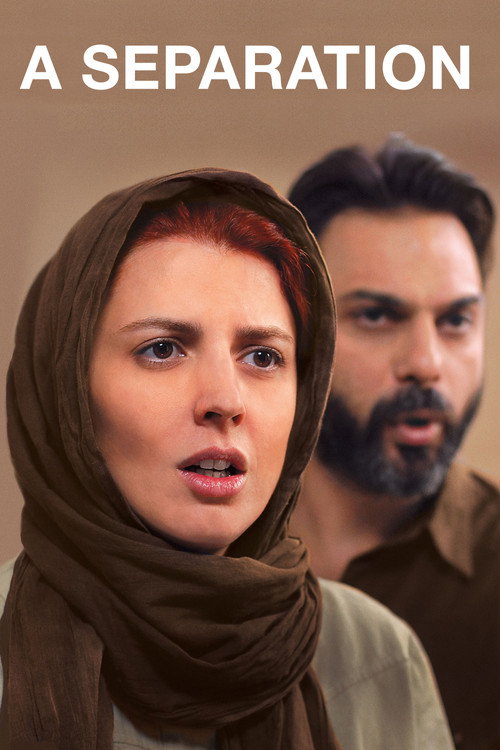
Like Sugar Cane Alley, this Iranian masterpiece finds profound humanity in ordinary struggles—here, a marriage fracturing under economic pressure. Both films trust you to understand heartbreak without melodrama, and both centre dignity in the face of systemic indifference.
But It's deliberately paced and emotionally exhausting. If you need catharsis or clear answers, this will frustrate you—it leaves you suspended in ambiguity.
The Inheritance2020
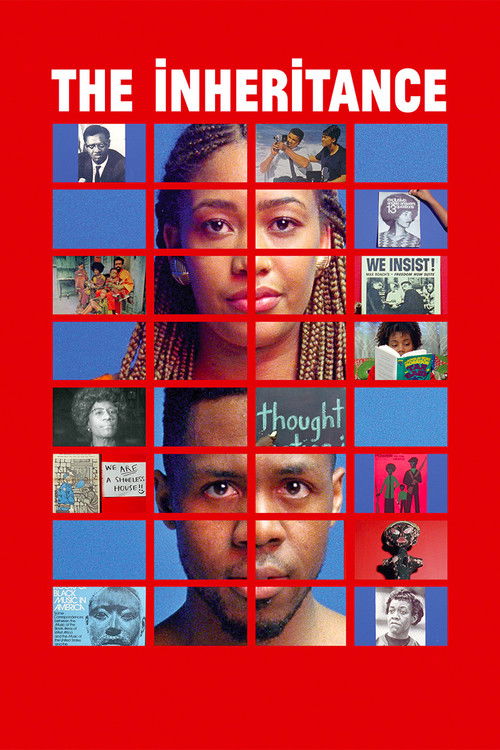
A Côte d'Ivoire drama about a young woman fighting to inherit her father's land against a rigged system. Shares Sugar Cane Alley's unflinching look at how class and power operate in West African society, with the same moral clarity and understated grace.
But The pacing is glacial by design, and if you're looking for plot momentum or a satisfying victory, you'll find only partial truths.
Kes1970
Ken Loach's masterpiece about a working-class boy finding dignity through determination. Like José, the protagonist uses intelligence and willpower to transcend his circumstances. Both films dignify poverty without romanticizing it, and both hurt in the same quiet way.
But It's deeply sad. The system crushes hope here as much as it offers it, and there's no neat resolution—just the knowledge of what could have been.

Not sure tonight? Get a pick in a minute, starting from Sugar Cane Alley
The wildcard
Something you would not have found on your own.
I Am Not Your Negro2017
Both use historical specificity to illuminate how systemic injustice shapes individual lives. Both refuse to let you look away, and both see culture and education as survival tools.
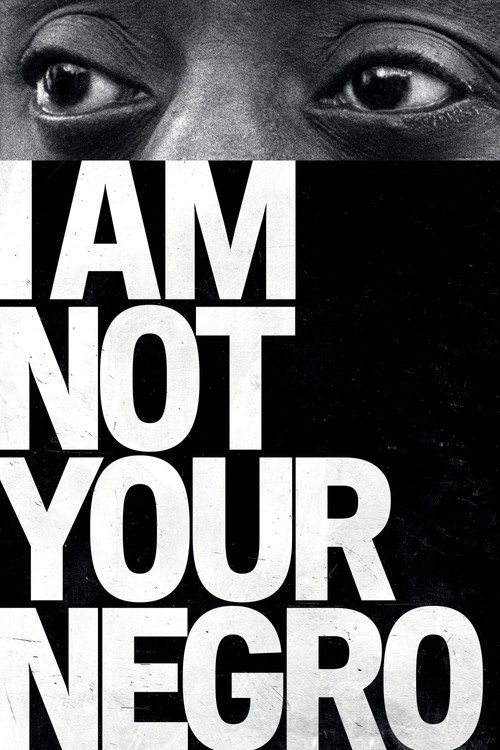
Raoul Peck's documentary essay uses James Baldwin's unfinished manuscript to anatomize American racism across cinema, history, and lived experience. It's the intellectual and moral companion to Sugar Cane Alley—both are rigorous meditations on colonialism, power, and how art survives oppression. Baldwin and José's grandmother speak the same language.
But It's dense, literary, and demands you sit with ideas rather than follow narrative. Some find the essay form exhausting, and the archive footage of racial violence is genuinely difficult.
More like this (7)
Moonlight2016
Three chapters in a Black boy's life, each intimate and formally beautiful. Shares Sugar Cane Alley's interest in how resilience is built in small moments, and how education and mentorship become lifelines when the world offers nothing else.
But It's sparse and meditative rather than narrative-driven. Long stretches of silence and observation will lose anyone wanting conventional storytelling momentum.

Lucía1968
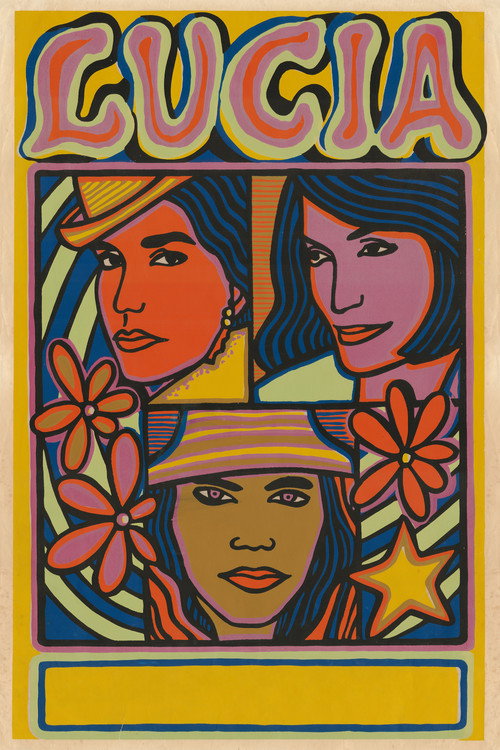
A Cuban New Wave film told in three parts across Cuban history. Like Sugar Cane Alley, it's a Black Atlantic cinema landmark showing colonialism's scars and the struggle for dignity across generations. Formally inventive in ways that enhance rather than distract.
But The experimental structure and political density require active engagement. It's not a passive watch, and the second section deliberately bores you as a formal strategy.
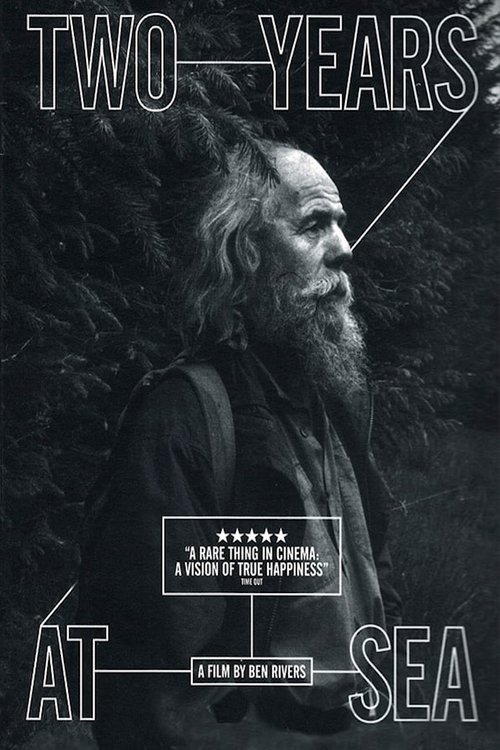
Two Years at Sea2012
Observational cinema about an elderly man living alone on a Scottish island. Shares Sugar Cane Alley's profound respect for quiet lives and sustained attention to how people actually live. No plot, just presence and meaning.
But Patience is not optional. If 'nothing happens' bothers you, this will feel like a pointless documentary. It requires you to change speed entirely.
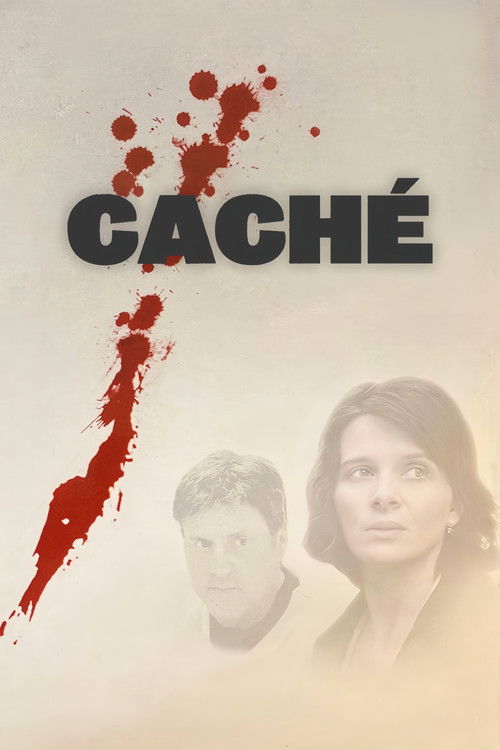
Caché2005
Michael Haneke's unsettling thriller about complicity and colonial guilt. While formally very different, it shares Sugar Cane Alley's interest in how history lives in the present body, and how systems of power shape who gets to speak and be heard.
But It's deliberately provocative and will leave you disturbed rather than satisfied. The ambiguity is infuriating by design, and some viewers find it self-consciously cruel.
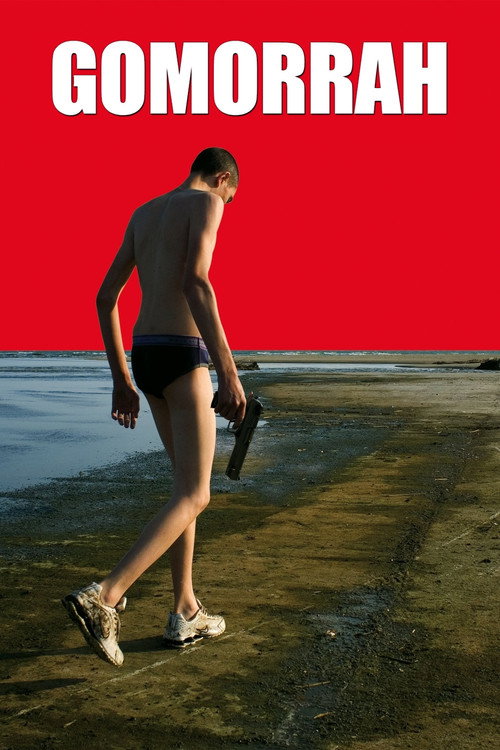
Gomorrah2008
Matteo Garrone's Naples crime epic that refuses heroic narrative. Like Sugar Cane Alley, it shows how systems grind people down and how survival itself becomes an act of resistance. Structurally complex but utterly gripping.
But Extreme violence, moral grey zones, and a plot that deliberately refuses climax. It's bleak in ways that feel punitive to some viewers.
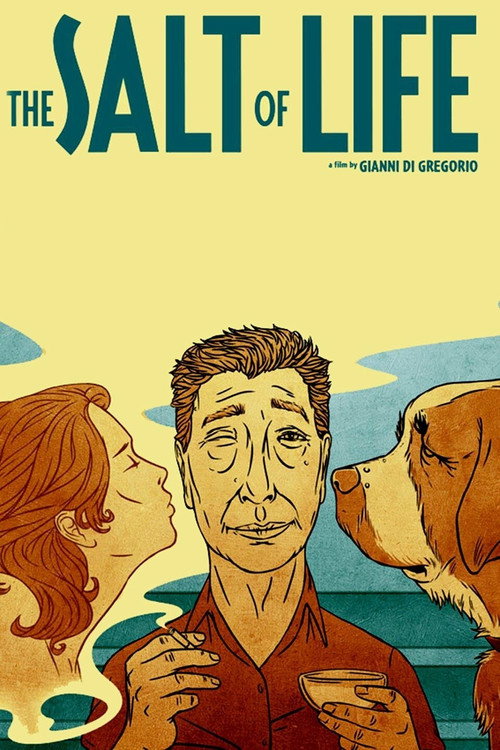
The Salt of Life2011
Paolo Sorrentino's portrait of an aging man in Naples navigating decline. Thematically distant but tonally aligned—both films allow their characters interiority and humour even in hardship, refusing sentimentality or despair.
But It's visually sumptuous and formally playful in ways some find self-indulgent. The episodic structure and tonal shifts can feel slight compared to grittier fare.
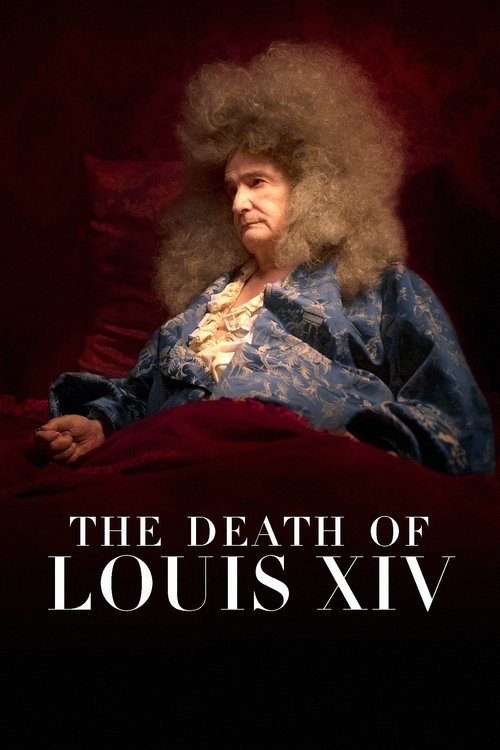
The Death of Louis XIV2016
Both films use formal rigour and severe pacing to make you attend to what capitalism normally renders invisible—the body, the effort, the actual cost of living and learning and enduring.
Albert Serra's radical 52-minute chamber film watches a dying man in his final hours—no plot, just presence and the slow dissolution of power. It sounds nothing like Sugar Cane Alley, but both films understand that the body in time is the subject. Where José rises, Serra's subject falls; both register the gravity of individual survival against forces larger than self.
But It's literally watching someone die, and the style is so austere it borders on hostile. Colour drains from the image; sound becomes unbearable. It's genuinely uncomfortable, and for many, unbearably slow.
People
Cast
- Garry CadenatJose
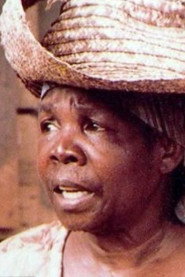 Darling LégitimusM'Man Tine
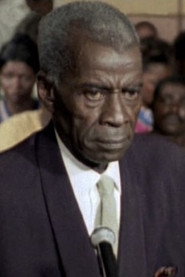 Douta SeckMedouze
- Joby BarnabéMonsieur Saint-Louis
- Francisco CharlesLe Géreur
- Marie-Ange FarotMadame Saint Louis
- Marie-Jo DescasLa mère de Léopold
- Henri MelonMonsieur Roc - l'instituteur
- Eugène MonaDouze Orteils
- Joël PalcyCarmen
- Samuel AbrahamUn enfant de la rue Cases Nègres
Directing
- Fred RunelAssistant Director
- Guy DesloriezAssistant Director
- Max SalvonAssistant Director
- Euzhan PalcyDirector
- Patrick DelabrièreSecond Assistant Director
Writing
- Joseph ZobelNovel
- Euzhan PalcyScreenplay
Production
- Alix RégisDelegated Producer
- Michel LoulergueDelegated Producer
- Jean-Luc OrmièresExecutive Producer
- Christine RenaudProduction Manager