
Film
Lucía
Other titles called Lucía: the 2013 film.
Humberto Solás's landmark Cuban film follows three women named Lucía across a century of revolution and desire. Each segment—a romantic melodrama, a political thriller, and an avant-garde love story—uses entirely different visual language to chart how national upheaval shapes intimate life. It's formally ambitious, emotionally raw, and fundamentally about how history invades the bedroom.
If you liked this
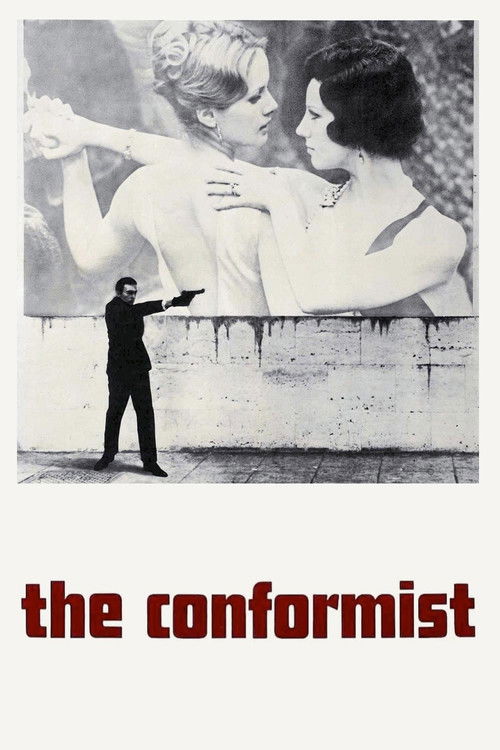
The Conformist1971
Bertolucci's masterpiece also uses visual language to explore how political ideology corrupts desire and agency. A fascist intellectual seduced into betrayal; the cinematography is baroque and suffocating, the moral collapse exquisite.
But It's glacially paced and the protagonist is so morally compromised that rooting for anyone becomes impossible. Some will find that numbness rather than insight.
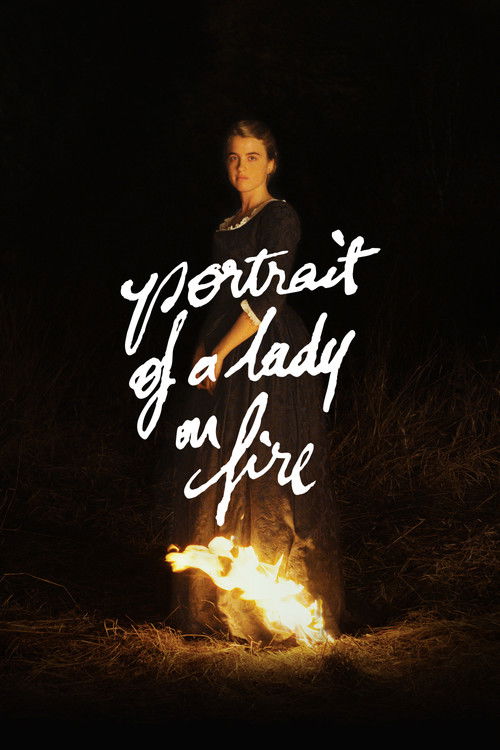
Portrait of a Lady on Fire2019
Another triptych about women and desire, also formally daring: Céline Sciamma uses color, framing, and editing to make female intimacy feel revolutionary. It's rapturous where Lucía is austere, but the DNA is identical.
But The first half is deliberately slow. If you need plot momentum or dialogue to anchor you, this will feel like waiting for something that never comes.
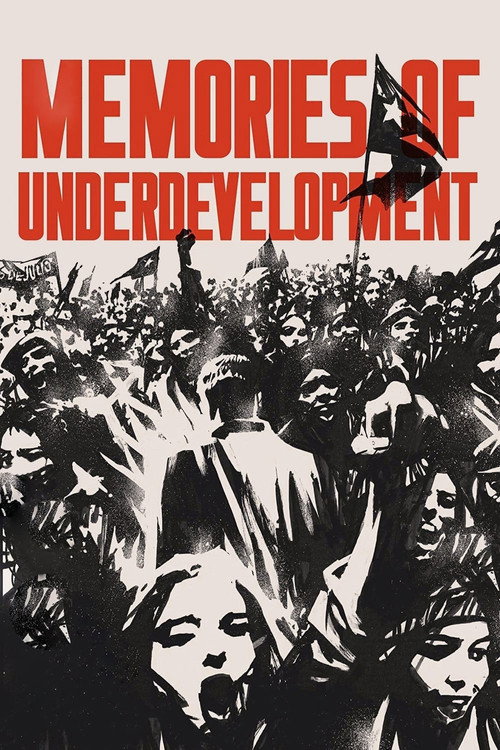
Memories of Underdevelopment1968
Another essential Cuban film from the same year, also fragmentary and essayistic. It's a portrait of intellectual paralysis during revolution—formally inventive, funny, and acidly written about desire and impotence.
But There's almost no plot. It's a man's interior monologue over images. If narrative momentum matters to you, this dissolves under your fingers.
Not sure tonight? Get a pick in a minute, starting from Lucía
The wildcard
Something you would not have found on your own.
Jeanne Dielman, 23, quai du Commerce, 1080 Bruxelles1976
Both films treat domestic and sexual life as political territory. Both refuse the melodrama that usually accompanies such material. Both believe that form—not dialogue—is the place where meaning lives.
Chantal Akerman's three-hour portrait of a widow's daily rituals—cooking, cleaning, sex work—rendered in long, still takes. Like Lucía, it uses form radically to argue that the personal is historical. It's about time, labor, and female autonomy.
But It is extremely slow. You watch a woman peel potatoes. If patience is not your native language, this will feel like punishment rather than cinema.

More like this (8)
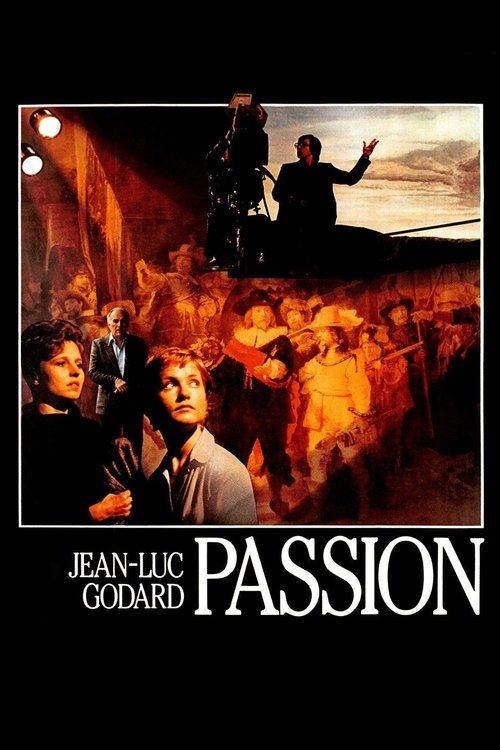
Godard's Passion1982
Godard's film also uses three parallel love stories to ask how politics and art and eros tangle together. It's willfully difficult, sometimes maddening, but the formal radicalism and the question are dead serious.
But Godard's late work requires real patience and a taste for intellectual friction. Expect to argue with the film while watching it.
The Leopard1963
Visconti's operatic meditation on how historical change erodes desire and belonging. The ball scene is one of cinema's great set pieces; the film mourns even as it's visually intoxicating.
But It's long, stately, and melancholic. The pacing is glacial by design. Some viewers will experience this as beauty; others as tedium.

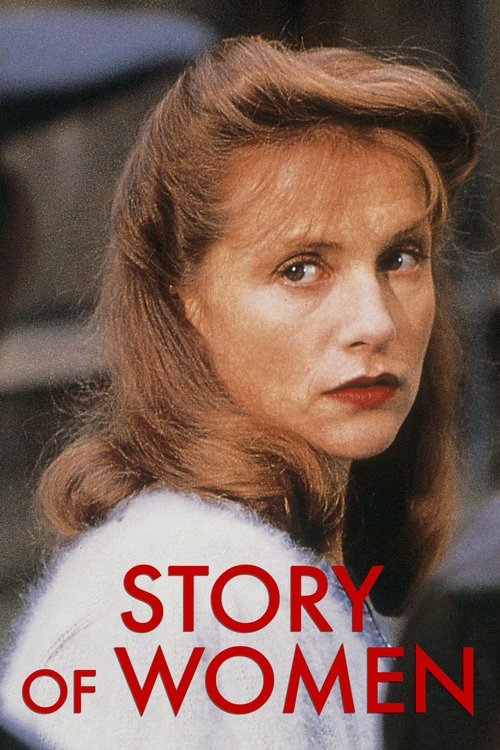
Story of Women1988
Claude Chabrol's portrait of a woman navigating Nazi-occupied France through abortion and sexuality. It's angry, specific, and uses Isabelle Huppert to show how survival can coexist with moral compromise.
But The subject matter—especially the ending—is devastating rather than cathartic. There's no redemption on offer, just clarity and pain.
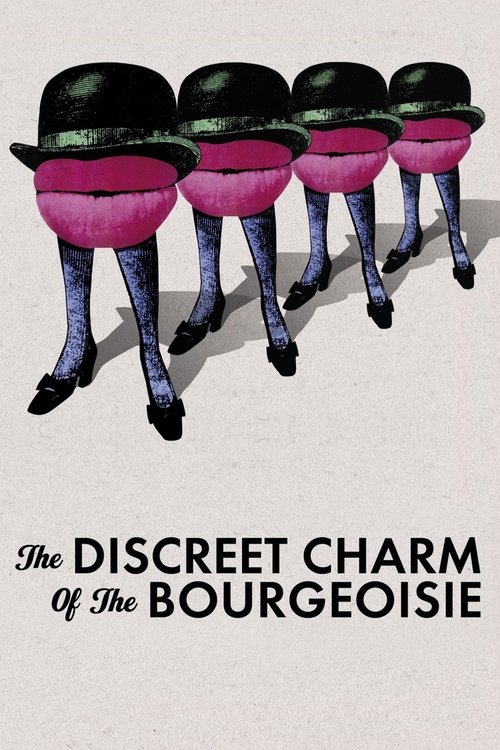
The Discreet Charm of the Bourgeoisie1972
Buñuel's surreal formal game about desire, politics, and the impossibility of closure. It's funny and strange where Lucía is grave, but both films are skeptical of narrative resolution.
But It's abstract and digressive; it refuses to explain itself. If you need a film to cohere around a clear argument, Buñuel will frustrate you.
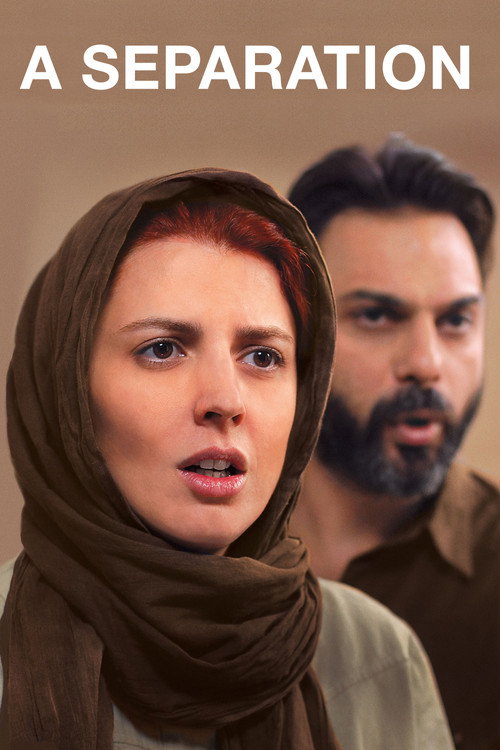
A Separation2011
Asghar Farhadi's portrait of a marriage fracturing under historical and economic pressure. It's formally brilliant—every frame tells you something about power and truth—and morally intricate.
But The specificity is Persian; if you're impatient with cultural particularity, the film will read as slow. And it offers no clear heroes.
The Phantom Carriage1921
Victor Sjöström's Swedish ghost story about how love and guilt haunt across time. Silent cinema at its most formally inventive; the visual language is extraordinary and the emotional cost is real.
But It's silent. It's 1921. It requires active watching and tolerance for pacing utterly foreign to modern cinema.

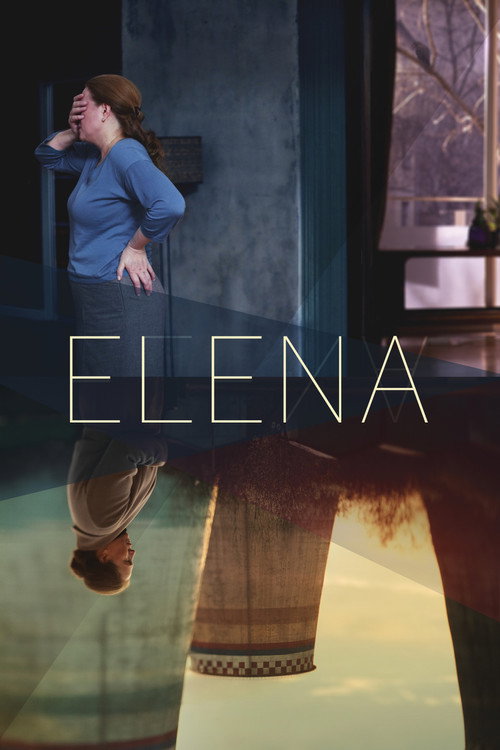
Elena2011
Both films are skeptical that romance or desire clarifies anything. Both suggest that intimacy is a terrain of concealment and strategic action. Both use visual language—not psychology—to locate truth.
Andrei Zvyagintsev's glacial Russian film about a second wife maneuvering for inheritance. It's shot like a Hopper painting—cold, composed, morally ambiguous. The visual precision is absolute; it forces you to read every gesture for truth or deception.
But It's remote and withholding. There's no music, almost no dialogue. The emotional temperature is below zero. It will feel like watching a specimen under glass.
Sans Soleil1983
Both are anti-narrative films about how consciousness and politics intertwine. Both believe that cinema's power lies in what it can show rather than what it can explain. Both mourn what history takes from people.
Chris Marker's essay-film about time, memory, and politics, narrated through letters and images from Japan, Guinea-Bissau, and Iceland. It's radically different from Lucía—fragmentary, philosophical, often documentary—but it asks identical questions: how does history become personal? How does vision change what we see?
But It's not a narrative. It's a thinking-in-progress, sometimes didactic, sometimes obscure. It requires you to meet it as an equal rather than be transported by it.

People
Cast
 Raquel RevueltaLucia I (1895)
 Eslinda NúñezLucia II (1930)
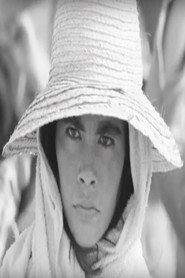 Adela LegráLucia III (1968)
 Eduardo MoureRafael
- Ramón BritoAldo
 Adolfo LlauradóTomas

Directing
- Humberto SolásDirector
Writing
- Humberto SolásWriter
- Julio García EspinosaWriter
- Nelson RodríguezWriter
Production
- Camilo VivesProducer
- Raúl CanosaProducer
Recommended by
I Am Cuba, Sugar Cane Alley, Antonieta, The South, Memories of Underdevelopment, Cuba