
Film
Antonieta
- Biopic
- Very dark
Isabelle Adjani stars in this 1982 French-Mexican drama about Antonieta Rivas Mercado, a wealthy Mexican woman caught between artistic ambition and political upheaval in the 1920s. Structured around a psychologist's investigation, it's a lush, melancholic portrait of a life unraveling—less plot-driven than mood-soaked, for viewers drawn to character studies and historical tragedy.
If you liked this
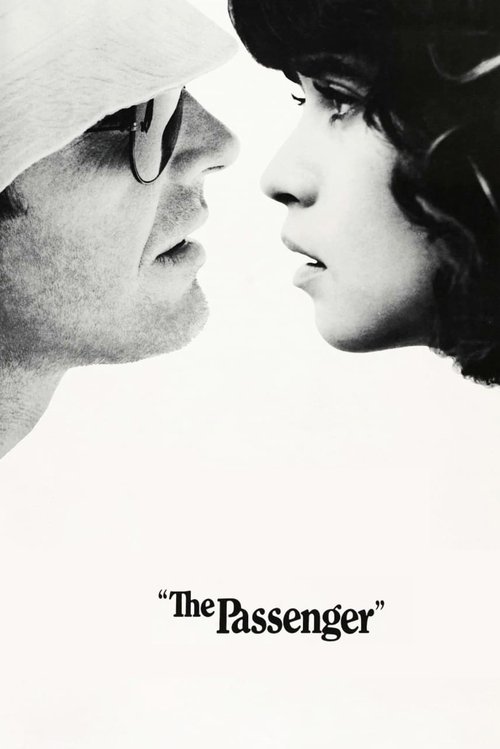
The Passenger1975
Michelangelo Antonioni's enigmatic masterpiece about identity and reinvention, with Jack Nicholson adrift in a world that won't hold still. A meditation on alienation that matches Antonieta's psychological drift.
But Deliberately paced and oblique; it refuses to explain itself or offer easy emotional payoffs. Some find it glacial.
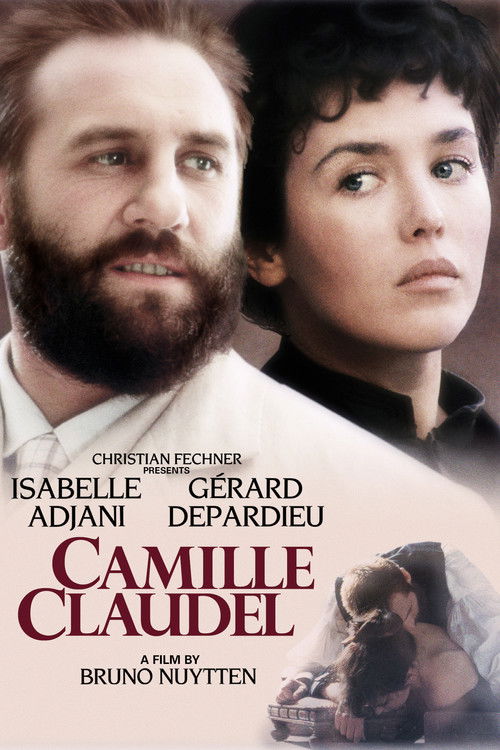
Camille Claudel1988
Isabelle Adjani in another portrait of an artist destroyed by circumstance and genius, set in fin-de-siècle Paris. If you respond to her performance in Antonieta, this is essential—she's extraordinary here too.
But Relentlessly bleak and sometimes harsh to watch. The film doesn't soften the tragedy it portrays.
Frida2002
Julie Taymor's vivid, theatrical biography of another complex Mexican woman artist navigating love, politics, and self-destruction. Similar era, similar landscape of passion and pain.
But More accessible and colorful than Antonieta—some might find it sentimentalizes where the earlier film stays distant.

Not sure tonight? Get a pick in a minute, starting from Antonieta
The wildcard
Something you would not have found on your own.
La Haine1995
Both use a tight, intellectually rigorous formal structure to trap the viewer inside the perspective of someone being destroyed by forces larger than themselves. The mechanism is the meaning.
Mathieu Kassovitz's ferocious black-and-white film about a day in the banlieues following a death in police custody. Utterly different in subject and style, but it shares the same structural brilliance: framing an entire historical moment through a single consciousness collapsing.
But Violent, angry, and deliberately abrasive. It offers no transcendence, no catharsis, only rage and sorrow.

More like this (7)
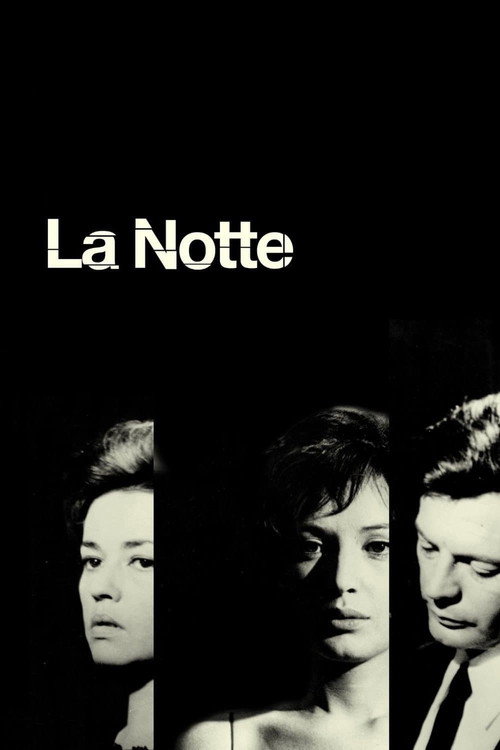
La Notte1961
Michelangelo Antonioni again. A husband and wife drift through Milan in a single night, their marriage dissolving into ennui. The spiritual ancestor of Antonieta's exploration of emptiness and disconnection.
But Black-and-white, slow, and deliberately unresolved. It's a film about the absence of resolution, which some experience as tedium.
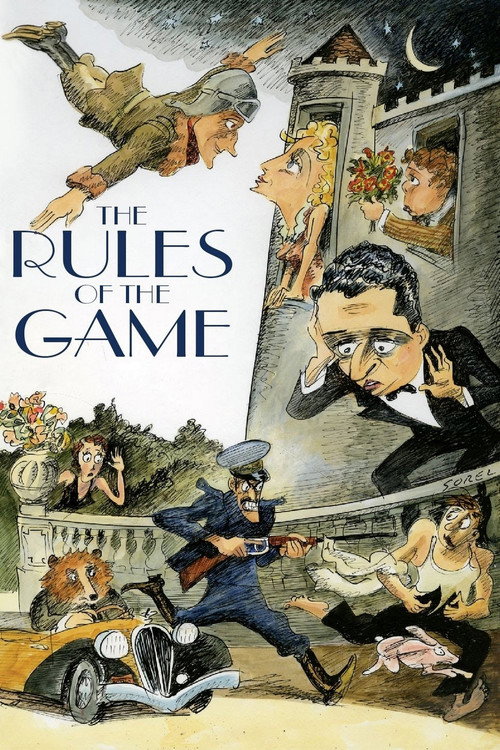
The Rules of the Game1939
Jean Renoir's masterwork about a doomed love affair in pre-war France. Elegant, tragic, and deeply human—it understands how personal and political catastrophe interweave.
But Nearly three hours of dialogue-heavy French cinema. It rewards patience but doesn't make allowances for those without it.
Lucía1968
Humberto Solás's Cuban masterpiece tracking a woman's life across three revolutionary periods. Another portrait of a woman caught between desire and historical forces, told with formal ambition.
But Formally experimental and uneven in tone. It can feel more like a series of ideas than a flowing narrative.

The Savage Innocents1960
Nicholas Ray's epic about an Inuit man navigating Western civilization. Set in a different world, but it shares Antonieta's interest in displacement and the collision of cultures.
But Uneven performances and dated attitudes about indigenous life. It's fascinating but problematic in ways that can distract.

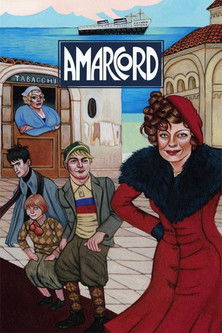
Amarcord1973
Federico Fellini's bittersweet comedy-drama about small-town life under Fascism. A different register entirely, but the same interest in how history shapes individual lives.
But Very Italian, very mannered, and somewhat plotless. Fellini's style is gloriously artificial, which some find precious.
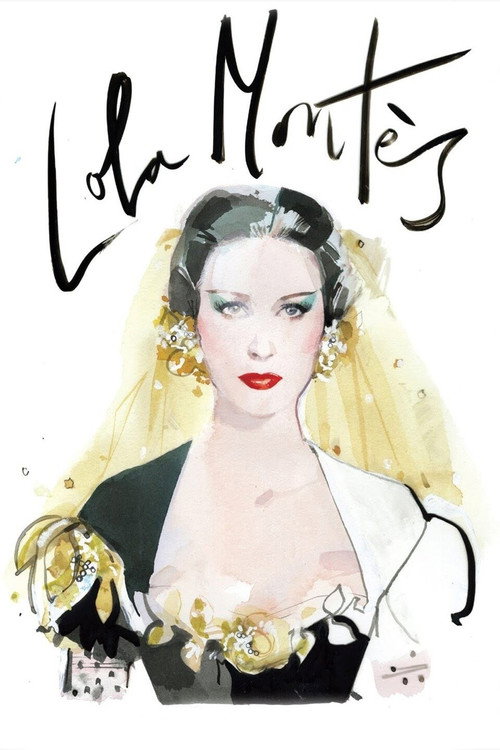
Lola Montès1955
Both are about women whose lives become public property, and both films explore that consumption through formal innovation. Ophüls films history as tragedy; so does Truffaut.
Max Ophüls's dazzling, heartbreaking biography of a courtesan told in flashback from a circus stage. Ravishing color and camera movement, but underneath is the same story: a woman's life reduced to spectacle and consumed by society's appetite.
But The structure is disorienting and the tonal shifts jarring. It's also visually ornate to the point of artifice—some find that cold.
Possession1981
Both films are fascinated by female psychological dissolution and refuse to look away. But where Antonieta is composed and elegiac, Possession is convulsive and grotesque. If you want to see the same material inverted—turned inside out—this is it.
Andrzej Żuławski's hallucinatory, claustrophobic nightmare about a disintegrating marriage in Berlin. Isabelle Adjani delivers one of cinema's most unhinged performances. Raw, ugly, sexually explicit—it's the anti-Antonieta in every register except its obsession with watching a woman break apart.
But Genuinely disturbing, incoherent at times, and sexually graphic. It's also difficult to find and often unwatchable. Not for the faint-hearted or easily alienated.

People
Cast
 Hanna SchygullaAnna
 Isabelle AdjaniAntonieta Rivas Mercado
 Ignacio López TarsoVargas
 Carlos BrachoJosé Vasconcelos
 Gonzalo VegaManuel Rodriguez Lozano
 Bruno ReyAlvaro Obregon
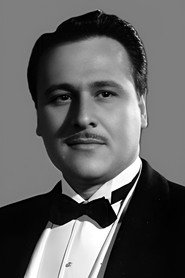 Víctor JuncoPorfirio Díaz
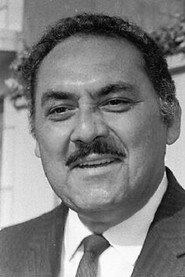 Víctor AlcocerOrador
 Narciso BusquetsArq. Rivas Mercado
- Fernando PalaviciniFriend of Vasconcelos
 José LavatEsposo
- Erika CarlssonNorteamericana
Directing
- Carlos SauraDirector
Writing
- Andrés HenestrosaWriter
- Antonieta RivasWriter
- Carlos SauraWriter
- Jean-Claude CarrièreWriter