
Film
Cleopatra
A four-hour epic of power, seduction, and empire in collapse. Cleopatra is a study in charisma and survival: Elizabeth Taylor holds the frame through political machinations, two transformative affairs, and the slow-motion fall of Egypt itself. Lavish, operatic, occasionally static, but never forgettable—this is cinema as monument.
Should you watch it?
Watch it if you like sweeping, splashy spectacle where grand sets and big talky scenes of court intrigue carry the romance, and you don't mind lingering over the glamour of classic studio productions.
Skip it if you want a brisk, intimate drama; at roughly four hours the pacing is stately, and long stretches of political bargaining can feel like waiting.
What it asks of you: Expect a slow, stately build of about four hours, with grandeur carried more by dialogue and ceremony than quick cuts, and a patience that rewards lingering.
Not sure? Find tonight's pick in a minute.
If you liked this
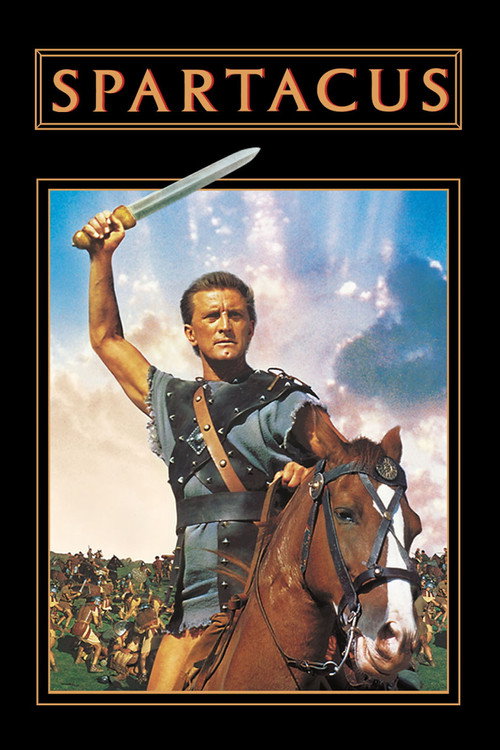
Spartacus1960
Another mammoth historical epic with staggering production values and a morally complex protagonist caught between Rome's ruthless machinery. Kirk Douglas gives a career-defining performance amid battles, betrayals, and genuine political stakes.
But At three and a half hours it's a commitment, and the dialogue can feel leaden. Some battle sequences suffer from flat staging compared to its reputation.
The Fall of the Roman Empire1964
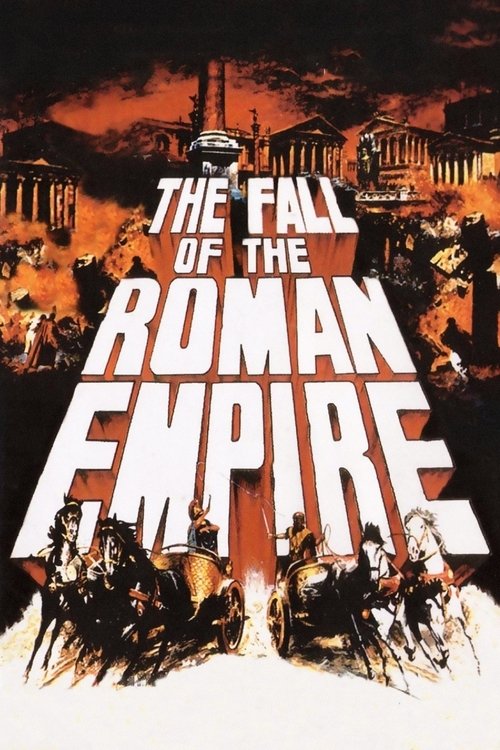
Follows Rome's collapse with similar grandeur and deeper political intrigue. Alec Guinness as Marcus Aurelius presides over a narrative that explores power, duty, and inevitable decline with more complexity than spectacle alone.
But Even more talky than Cleopatra, with less romance to lighten the academic weight. The pacing can feel ponderous in long stretches.
Ben-Hur1959
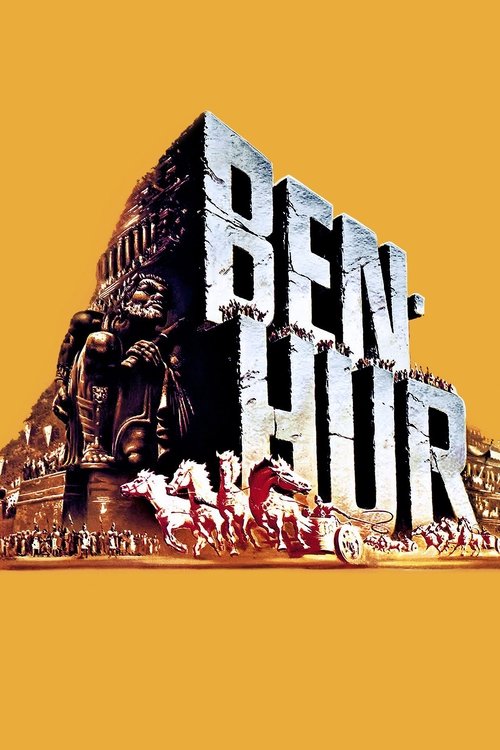
Monumental production with Charlton Heston's stoic hero against Rome's machinery. The chariot race is genuinely extraordinary, and the film balances intimate drama with those jaw-dropping set pieces that define the era.
But The religious material may feel heavy-handed, and some supporting performances are broadly theatrical. The pacing sags in the middle hour.
Not sure tonight? Get a pick in a minute, starting from Cleopatra
The wildcard
Something you would not have found on your own.
Antonieta1982
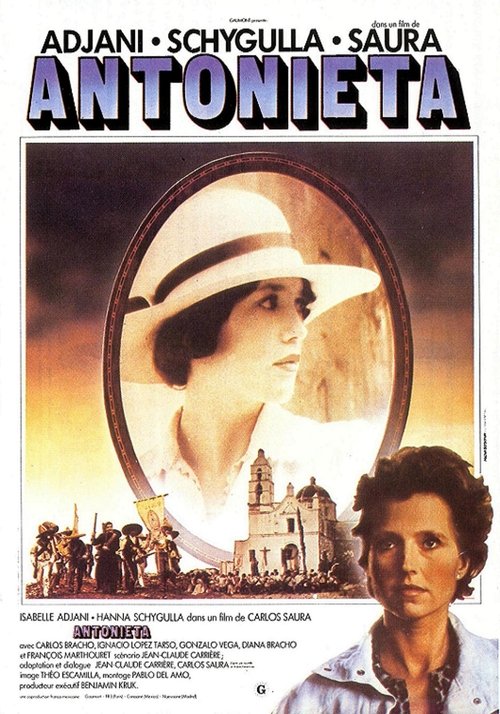
Both are about a woman's affair with a powerful military man during empire's unraveling, but Antonieta locates the tragedy in privacy rather than spectacle.
Carlos Fuentes and Claude Jade in a lesser-known gem about a Mexican woman's affair with a general during revolution. Uses intimate two-character scenes and costume to explore the same themes—passion amid political collapse—but in a minor key. Deeply romantic without being grand.
But Obscure, hard to find, and the pacing is deliberately elliptical. Some will find it too quiet and melancholic after Cleopatra's visual abundance.
More like this (7)
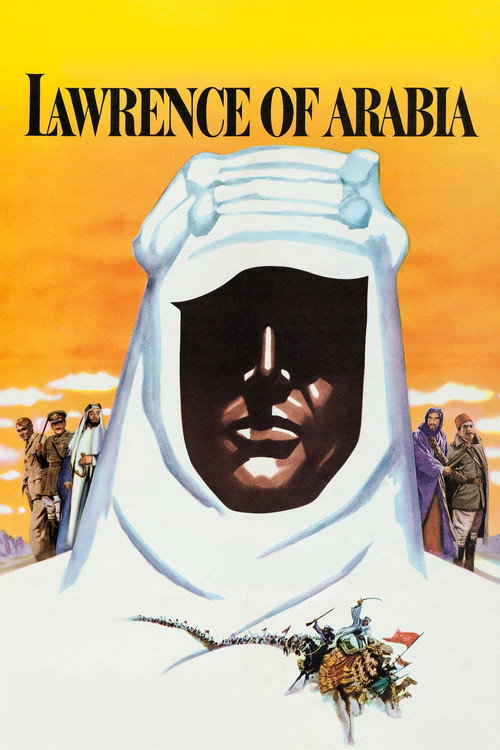
Lawrence of Arabia1962
Another portrait of a charismatic figure navigating empires and personal desire across vast landscapes. Peter O'Toole's performance has similar magnetism to Taylor's here, and David Lean's direction creates visual poetry from scale.
But Also over three hours, with long stretches of dialogue and introspection. The political themes can get abstract in ways that feel distant from character.
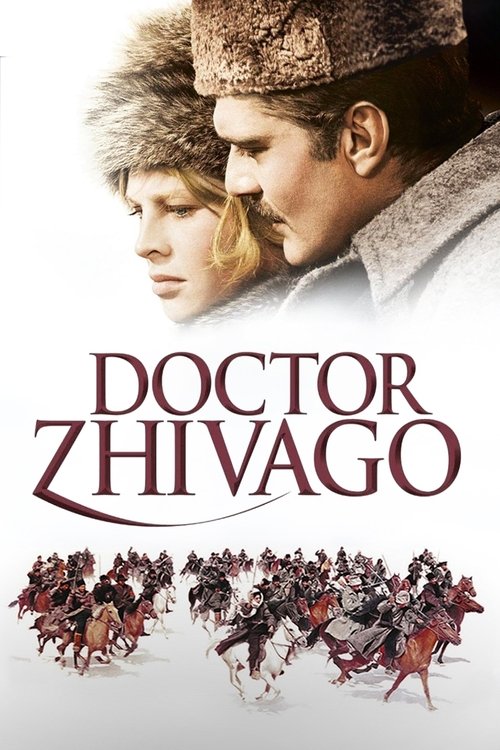
Doctor Zhivago1965
Leans even harder into the romance amid historical upheaval. Omar Sharif and Julie Christie navigate passion and revolution with Lean's sweeping visual sensibility. More emotional and less austere than the above.
But The personal story can feel melodramatic against the historical backdrop. Some find the romance overwrought relative to the political tragedy surrounding it.
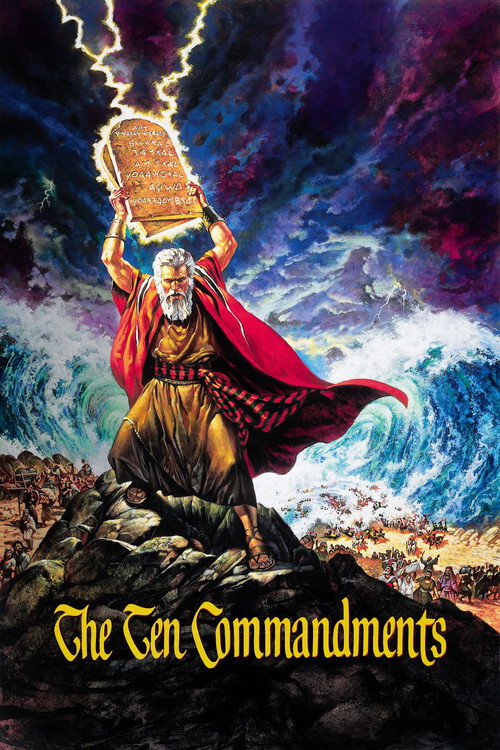
The Ten Commandments1956
DeMille's other monument to antiquity, with similar commitment to literal spectacle and similar relish for costume drama. Charlton Heston presides over plagues, golden calves, and parted seas with absolute conviction.
But Unironic religiosity throughout. The dialogue is stilted and the pacing glacial, even by period epic standards.
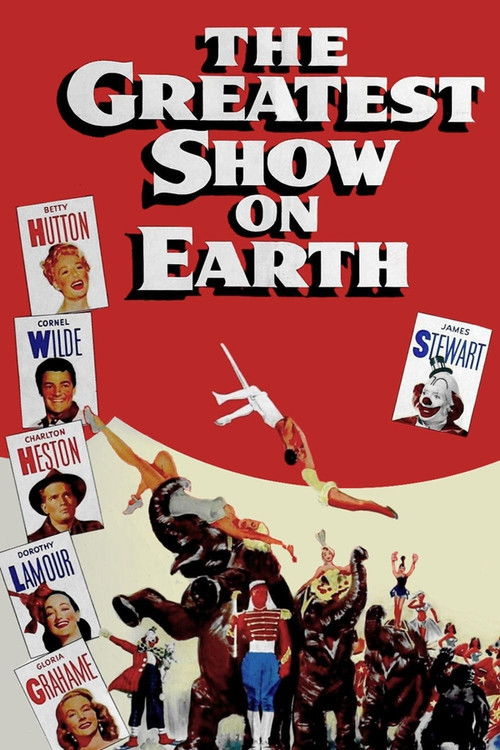
The Greatest Show on Earth1952
DeMille's earlier maximalist vision—not historical but operatic in the same register. A train disaster sequence of stunning practical ambition, and that same commitment to sensory overwhelm and narrative melodrama.
But The plot is thin and sometimes incoherent. Character development takes a back seat to spectacle, which reads as thin even by spectacle-first standards.
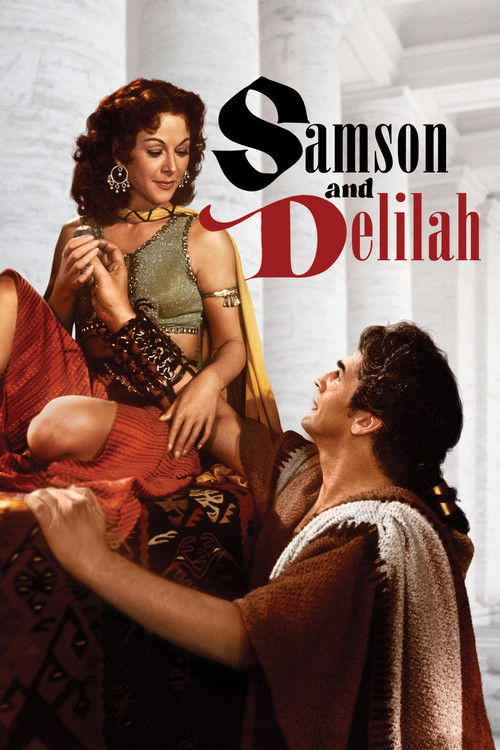
Samson and Delilah1949
Victor Mature and Hedy Lamarr in another DeMille biblical epic with similar romantic stakes and lavish production. The seduction angle here mirrors Cleopatra's central engine, with genuine sensuality.
But The script is naive and the performances often wooden. The moral universe feels simpler and less morally interesting than Cleopatra's.
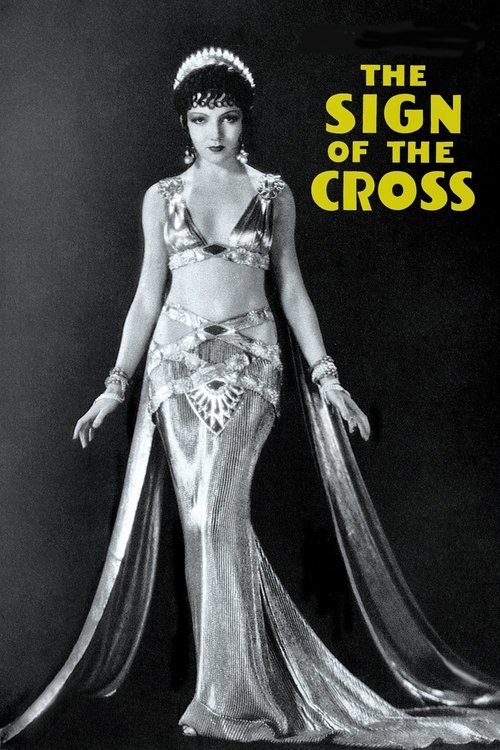
The Sign of the Cross1932
DeMille's earlier Roman decadence film with Fredric March caught between duty and desire. Less technically ambitious than Cleopatra but similarly interested in seduction, power, and the collision of private passion with historical forces.
But Early sound-era dialogue is stilted. The production values, while impressive for 1932, can feel cramped compared to Cleopatra's scale.
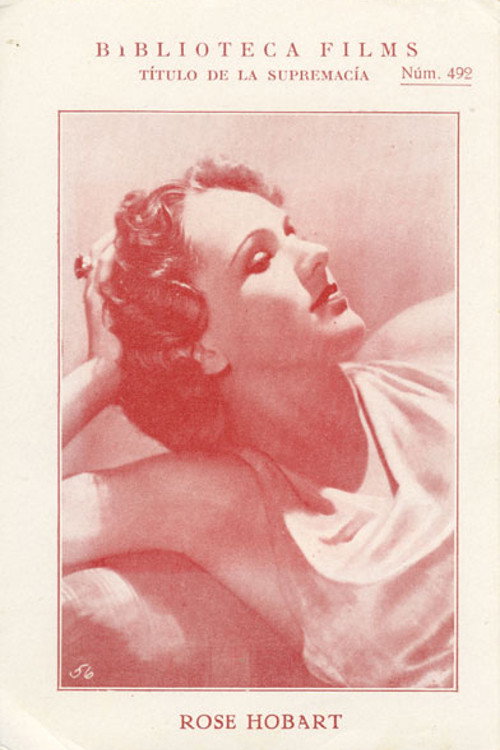
Rose Hobart1936
Both are about what happens when a woman becomes a screen—literally, in Rose Hobart; politically and historically, in Cleopatra. One is cinematic pleasure, the other deconstructs what that pleasure does.
A surrealist short by Oskar Fischinger, nine minutes of Elizabeth Taylor lookalike footage reedited and set to music. It sounds like a prank—and it partly is—but it's a radical reimagining of the starlet-as-image, the Hollywood illusion that Cleopatra depends on. Trippy, funny, and weirdly moving about what movie stardom actually does to a person.
But This isn't a narrative. It's an experimental collage that asks you to watch fragmentary images of a woman's face. Some will find it pretentious or impenetrably obscure.
People
Cast
 Elizabeth TaylorCleopatra
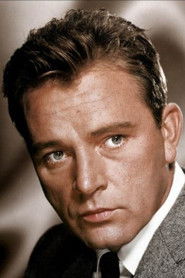 Richard BurtonMarcus Antonius
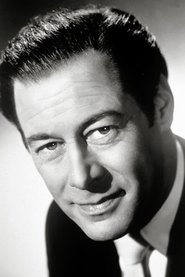 Rex HarrisonJulius Caesar
 Pamela BrownHigh Priestess
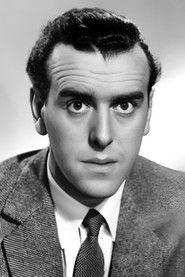 George ColeFlavius
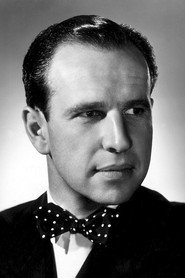 Hume CronynSosigenes
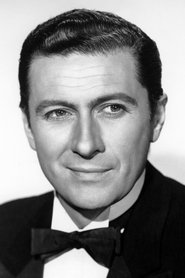 Cesare DanovaApollodorus
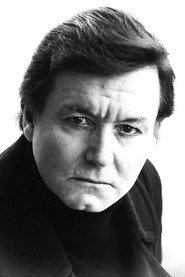 Kenneth HaighBrutus
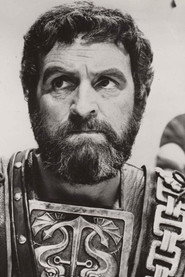 Andrew KeirAgrippa
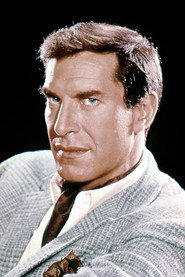 Martin LandauRufio
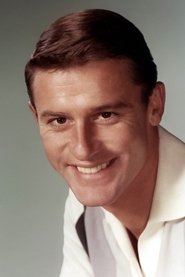 Roddy McDowallOctavian - Caesar Augustus
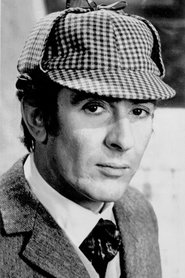 Robert StephensGermanicus
Directing
- Fred R. SimpsonAssistant Director
- Joseph L. MankiewiczDirector
- Elaine SchreyeckScript Supervisor
- Andrew MartonSecond Unit Director
- Ray KelloggSecond Unit Director
Writing
- Carlo Maria FranzeroBook
- AppianOriginal Story
- PlutarchOriginal Story
- SuetoniusOriginal Story
- Joseph L. MankiewiczScreenplay
- Ranald MacDougallScreenplay
- Sidney BuchmanScreenplay
Production
- Stuart LyonsCasting Consultant
- Peter LevathesExecutive Producer
- Walter WangerProducer
- C.O. EricksonProduction Manager
- Forrest E. JohnstonProduction Manager
Recommended by
Ben-Hur, The Taming of the Shrew, The Ten Commandments, El Cid, Quo Vadis, The 300 Spartans, Helen of Troy, The Egyptian, Alexander the Great, The Sheik, The Sign of the Cross, Mata Hari, Caesar and Cleopatra, Solomon and Sheba, Sign of the Gladiator