
Film
Rose Hobart
- Psychological horror
- Strange
Joseph Cornell's twenty-minute collage film salvages Rose Hobart from a forgotten 1931 jungle melodrama, recontextualizing her through radical editing into a haunting meditation on cinema, desire, and the female image. It's hypnotic, unsettling, and demands active watching. For those fascinated by avant-garde cinema and how meaning shifts through montage.
If you liked this
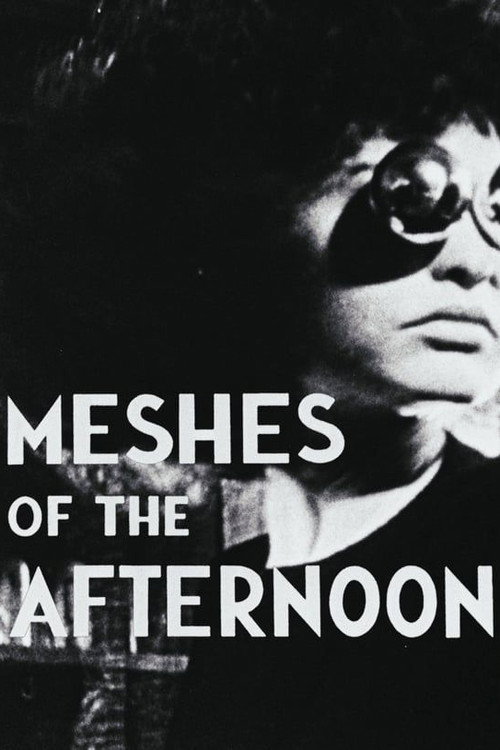
Meshes of the Afternoon1943
Maya Deren's twelve-minute masterpiece pioneered American experimental cinema through obsessive repetition and dreamlike editing. Structurally ingenious and visually arresting, it's the film that opened every door that followed.
But It's abstract and deliberately disorienting. There's no conventional narrative to follow, only sensation and symbol.
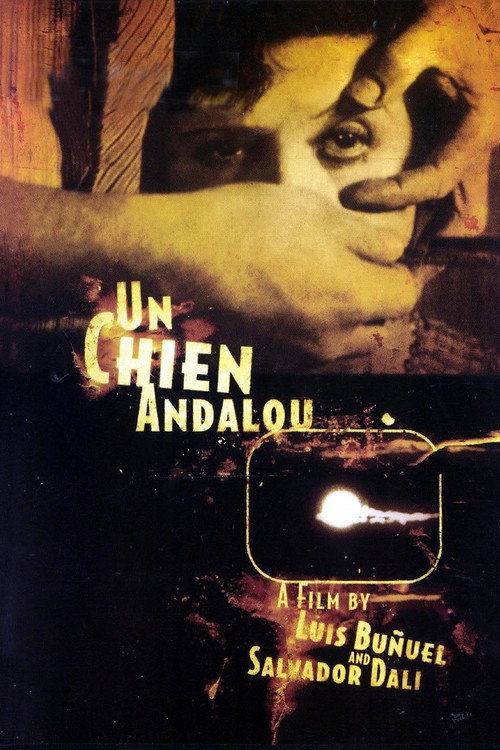
Un Chien Andalou1929
Buñuel and Dalí's surrealist provocation rewires how cinema can work—dream logic instead of story logic. Seventeen minutes of images that burrow into your brain and refuse to leave.
But It contains genuine body horror. The opening alone has disturbed viewers for nearly a century, and it doesn't pull punches.
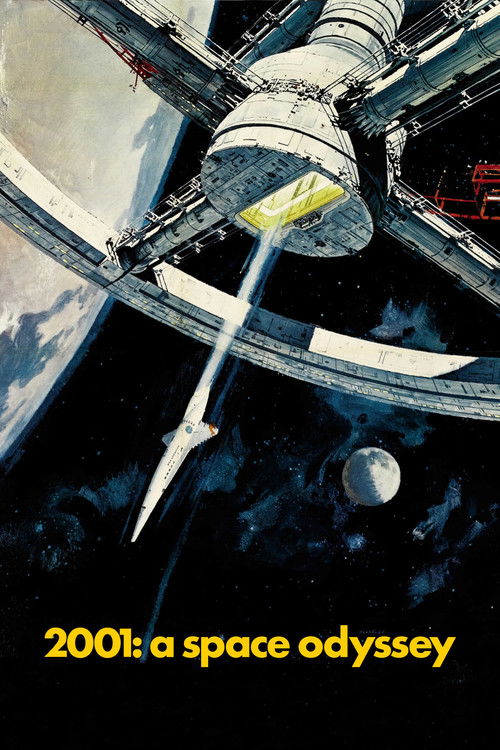
2001: A Space Odyssey1968
Kubrick uses long, hypnotic sequences and non-linear editing to create a kind of waking dream about consciousness and transcendence. Like Cornell, he asks what cinema can do beyond storytelling.
But Nearly three and a half hours, much of it silent. Patience isn't optional. Some find it glacial rather than meditative.
Not sure tonight? Get a pick in a minute, starting from Rose Hobart
The wildcard
Something you would not have found on your own.
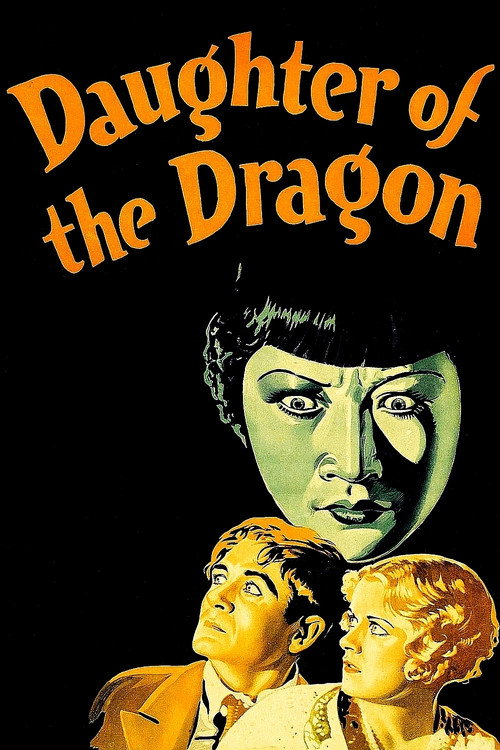
Daughter of the Dragon1931
Direct contemporary of Cornell's source material; watching this shows what the original 'East of Borneo' tradition was, making Cornell's subversive recontextualization much clearer.
Released the same year as 'East of Borneo,' this exotic melodrama offers the same pulp-cinema DNA Cornell was working with. Watching it illuminates exactly what he saw in those images and what he transformed them into.
But It's a period piece drenched in now-uncomfortable racial attitudes. The exoticism is the point and the problem—the film itself doesn't interrogate what it traffics in.
More like this (8)
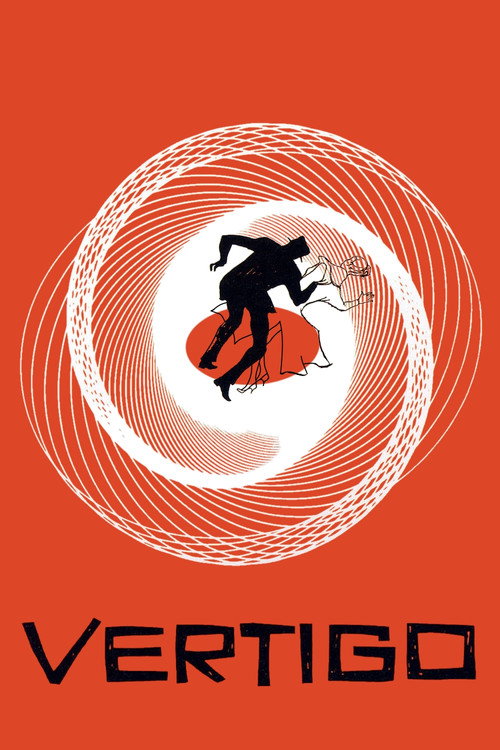
Vertigo1958
Hitchcock constructs obsession through camera movement and repetition—watching a man remake a woman into his fantasy. Visually and psychologically intoxicating, it's about the dangerous power of the male gaze.
But It can feel suffocating by design. The gender dynamics, though critiqued, may still feel uncomfortable to sit with.
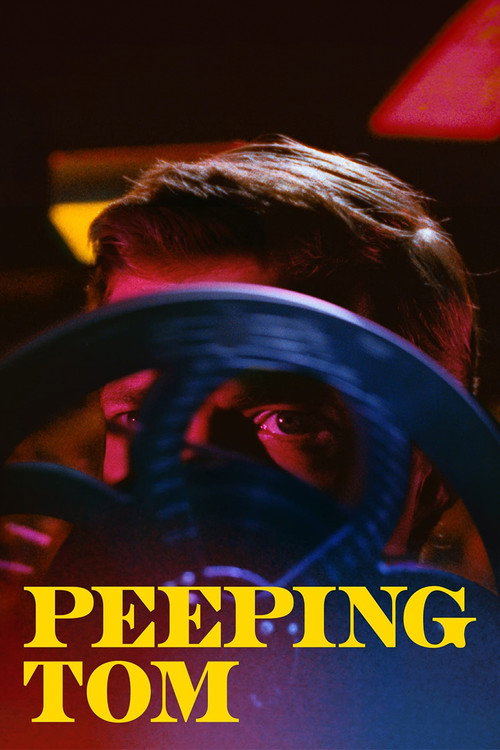
Peeping Tom1960
Michael Powell turns the camera—and cinema itself—into a weapon, making viewers complicit in a killer's voyeurism. Technically brilliant and deeply uneasy in ways that feel prophetic now.
But It's genuinely disturbing and explicitly about murder and the male viewer's objectifying gaze. Not entertainment. A provocation.
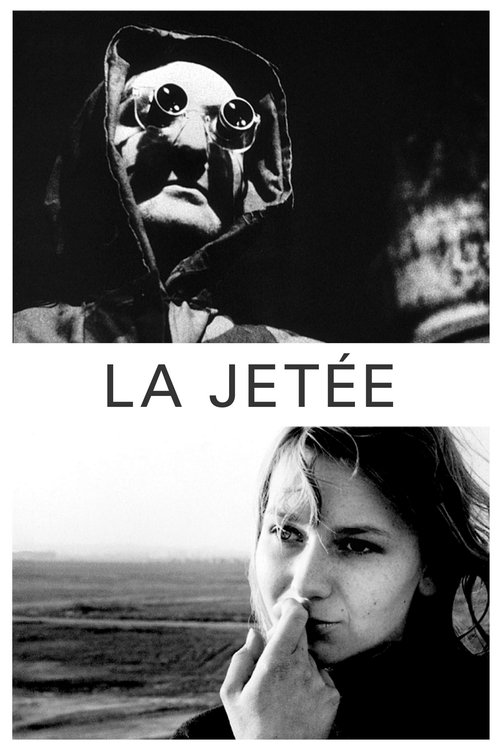
La Jetée1962
Chris Marker creates a time-travel narrative almost entirely from still images and voice-over. It proves that cinema isn't about motion—it's about rhythm, sound, and the space between frames.
But The minimalist approach baffles some viewers. If you want conventional pacing and visual variety, this will feel glacially slow.
The Cabinet of Dr. Caligari1920
German Expressionism distorts reality through set design and lighting to visualize psychological states. It's proto-surrealist cinema that influenced everything that came after, including Cornell.
But The silent film format and stagey acting will feel foreign to modern eyes. It requires patience with an unfamiliar grammar.

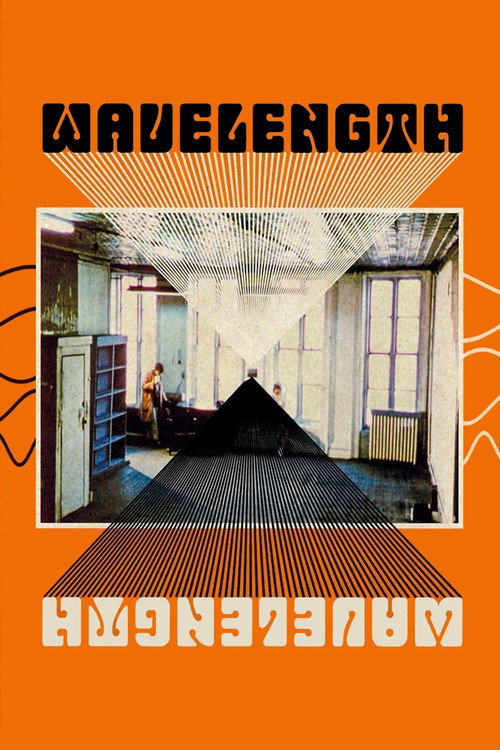
Wavelength1967
Michael Snow's forty-five minute single zoom shot through a loft space is radical reduction—cinema pared to pure duration, light, and perception. Hypnotic for those willing to surrender to it.
But Describing it as 'a camera zooming for forty-five minutes' is accurate and sounds unbearable to most people. It kind of is, unless you're there for it.
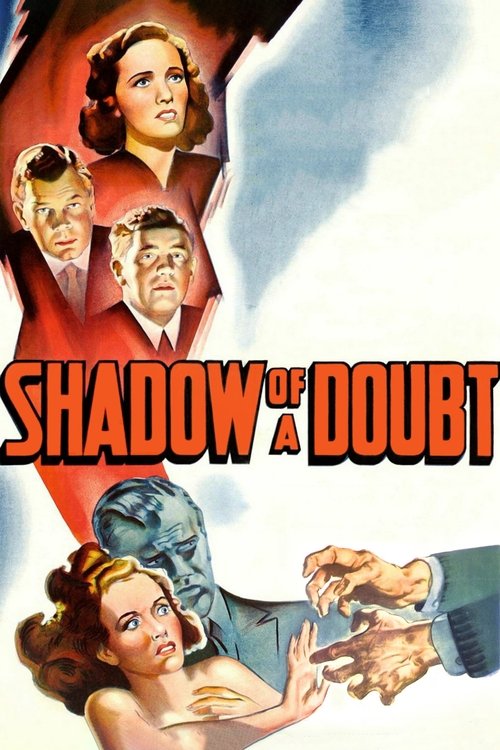
Shadow of a Doubt1943
Hitchcock's small-town thriller finds evil lurking beneath American normalcy, using editing and framing to corrupt the familiar. Thematically rich and narratively elegant—his own favorite among his films.
But It's conventional compared to the experimental territory around it. If you're seeking formal innovation, this is genre cinema, not avant-garde.
Mulholland Drive2001
Both works treat cinema's archive and the female image as sites of obsession and psychological danger; both refuse straightforward narrative for something more unsettling and hypnotic.
David Lynch's three-hour descent into Los Angeles obsession and fragmented identity. Like Cornell, he uses edited imagery and repetition to make a woman's image a screen for desire, dread, and the artifice of cinema itself.
But It's deliberately confusing and resists interpretation. The narrative collapses in ways that frustrate clarity-seeking viewers. Over two hours longer than Cornell's fragment, it's exhausting.

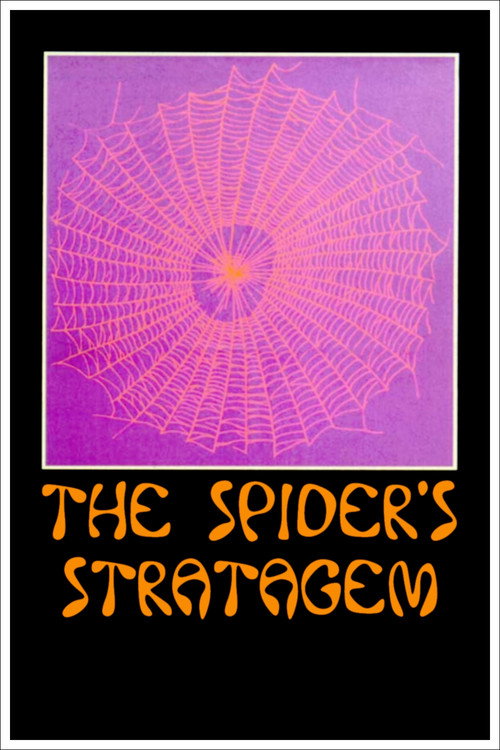
The Spider's Stratagem1970
Like Cornell, Bertolucci uses the grammar of cinema—repetition, archival imagery, careful editing—to explore how memory and desire reshape what we see; both are meditations on cinema as a system of meaning-making.
Bertolucci's meditation on cinema, archives, and the past uses repeated imagery and locations across time to suggest how meaning shifts depending on perspective. Formally restrained but profoundly about how we construct narratives from fragments.
But It's slow, abstract, and more about mood and visual pattern than plot. The political history it engages with is unfamiliar to many viewers, which compounds the disorientation.
People
Cast
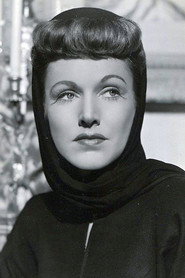 Rose HobartWoman (archive footage) (uncredited)
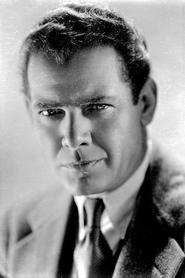 Charles BickfordMan (archive footage) (uncredited)
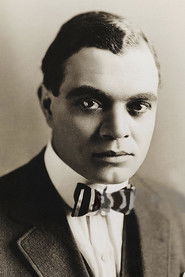 Noble JohnsonMan (archive footage) (uncredited)
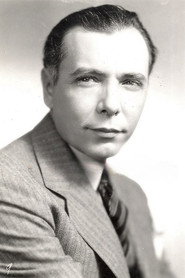 Georges RenaventMan (archive footage) (uncredited)
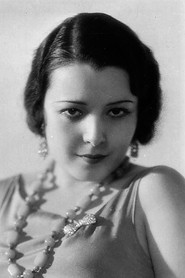 Lupita TovarWoman (archive footage) (uncredited)
Directing
- Joseph CornellDirector