
Film
Mata Hari
Other titles called Mata Hari: the 1985 film.
Greta Garbo is mesmerizing as the legendary spy-courtesan in this 1931 drama that trades historical accuracy for pure star power and intrigue. It's a sleek, morally ambiguous tale of a woman playing multiple sides during wartime—less documentary than fever dream. Perfect for anyone seduced by old Hollywood glamour and moral complexity.
Should you watch it?
Watch it if you love old-Hollywood melodrama where a magnetic star carries the picture, with Garbo's gliding, guarded presence doing most of the storytelling in a tangle of desire and suspicion.
Skip it if you need brisk modern pacing or sharp dialogue, since its 1931 sound-era staging is stagey and talky, and the romance plays with a sincerity that can feel dated now.
What it asks of you: Under ninety minutes, it moves at the unhurried pace of early talkies, asking you to sit with long glances and sentimental swells rather than rapid plot turns.
Not sure? Find tonight's pick in a minute.
If you liked this
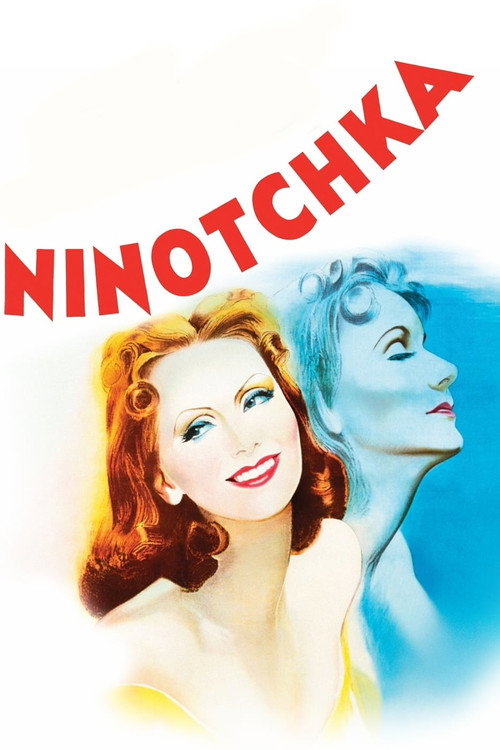
Ninotchka1939
Garbo's other masterpiece, where she plays a Soviet envoy undone by Paris and romance. The chemistry with Melvyn Douglas crackles, and Lubitsch's direction is impeccable. A richer, funnier film than Mata Hari.
But It's lighter and less dark—if you want the sultry, doomed Garbo, this romantic comedy might feel too buoyant.
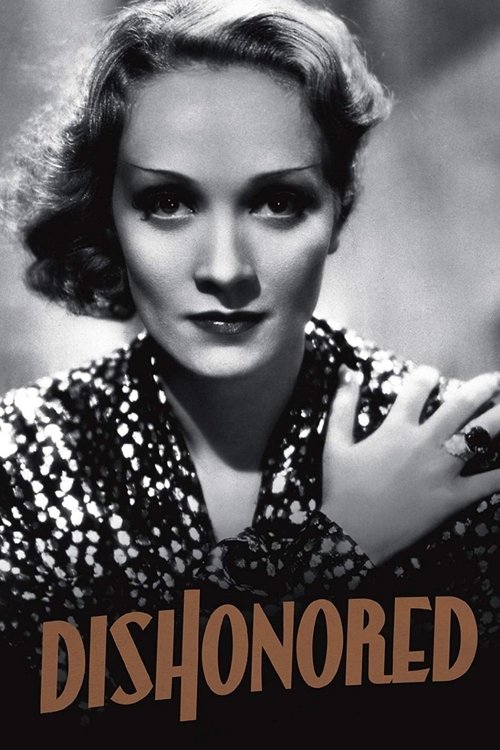
Dishonored1931
Marlene Dietrich as a WWI-era spy in Josef von Sternberg's most elegant film. The same year as Mata Hari, same era, same moral ambiguity. Dietrich's languid screen presence rivals Garbo's own.
But Von Sternberg's style is so mannered it can feel airless to modern viewers. Some find it glacial rather than hypnotic.
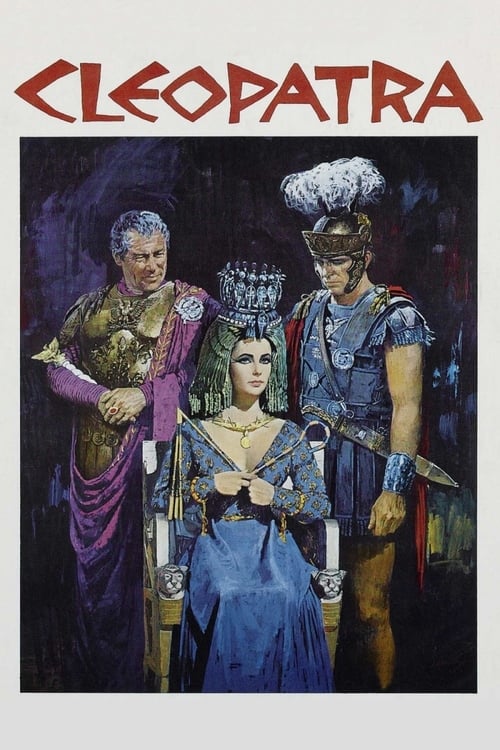
Cleopatra1963
Elizabeth Taylor inherits Garbo's crown as the magnetic woman weaponizing beauty and intellect. Sprawling, excessive, unapologetically about seduction as statecraft. Peaks in the Roman scenes.
But At four hours, it's a commitment. Some pacing issues, and the restoration has muted the Technicolor in places.
Not sure tonight? Get a pick in a minute, starting from Mata Hari
The wildcard
Something you would not have found on your own.
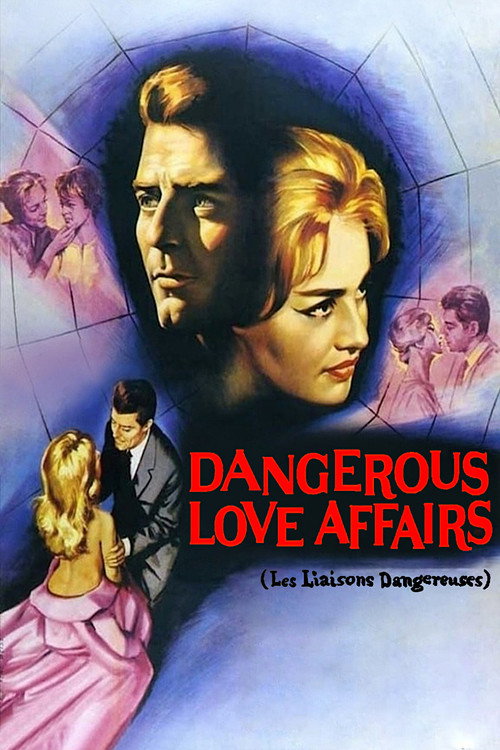
Dangerous Love Affairs1959
Both are about charismatic outsiders who use seduction as a survival strategy in systems that would otherwise crush them.
Roger Vadim's adaptation is a fever dream of seduction as statecraft and warfare—two aristocrats weaponizing sex and secrets in pre-Revolution France. Jeanne Moreau and Gérard Philipe are mesmerizing. It's Mata Hari's spiritual cousin: the same moral vertigo, the same recognition that manipulation can be a form of survival.
But It's French New Wave adjacent, so pacing is languid and the sex is implied rather than explicit. Very 1959 in ways that can feel dated.
More like this (7)
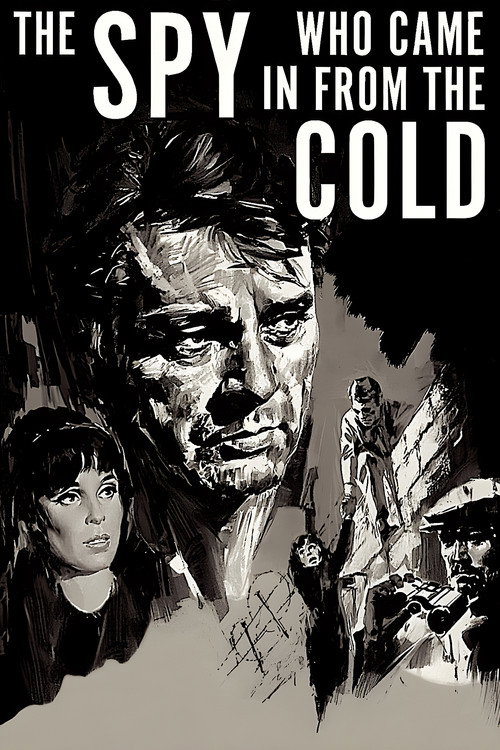
The Spy Who Came In from the Cold1965
Richard Burton as a burnt-out Cold War spy. No glamour, no romance, just the actual cost of betrayal and divided loyalties. Shows what happens to people who play both sides.
But It's bleak and pessimistic, with none of Mata Hari's seductive sheen. The opposite of escapism.
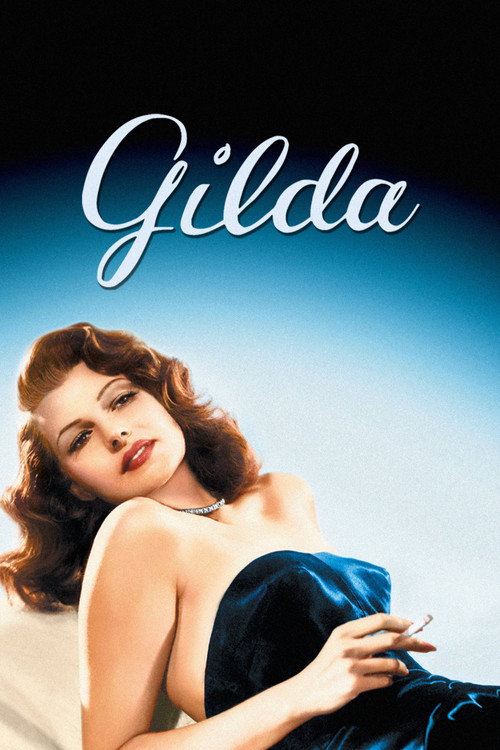
Gilda1946
Rita Hayworth as a woman who wields desire like a weapon in post-war Buenos Aires. The famous striptease, the moral corruption, the impossible choice between men and self-preservation.
But It's a noir, so it's darker and more cynical. Hayworth's glamour is weaponized in ways that feel punitive to her character.
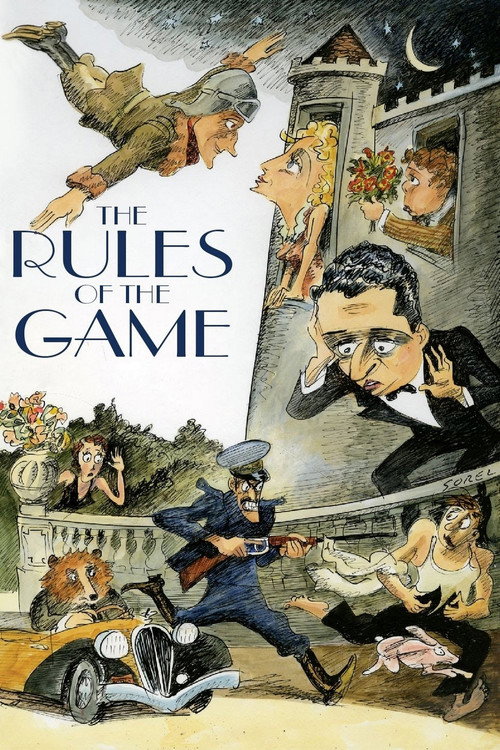
The Rules of the Game1939
Renoir's masterpiece where infidelity, espionage, and class collision play out at a country estate. Mata Hari compresses this into one woman; Renoir spreads it across a society.
But It's three-and-a-half hours of 1939 French cinema—hypnotic but deliberately slow, and subtitled.
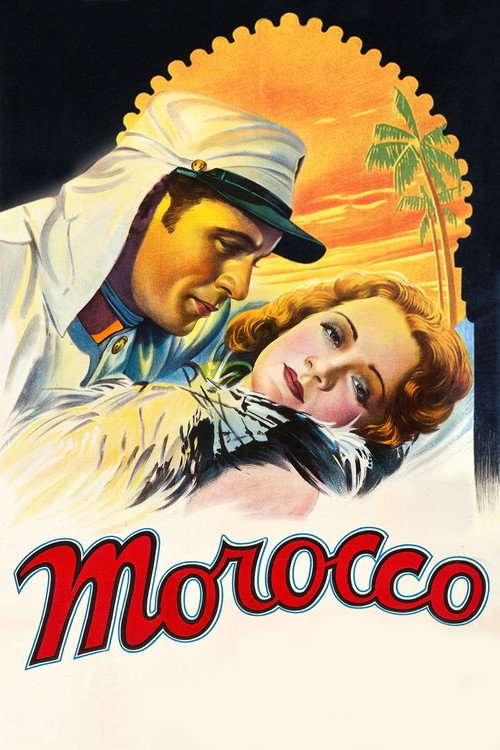
Morocco1930
Marlene Dietrich, Josef von Sternberg again, and perhaps the most seductive film ever made about a woman caught between love and self-sufficiency in the French colonial army.
But It's almost abstract in its glamour—some find it more interested in style than character or plot.
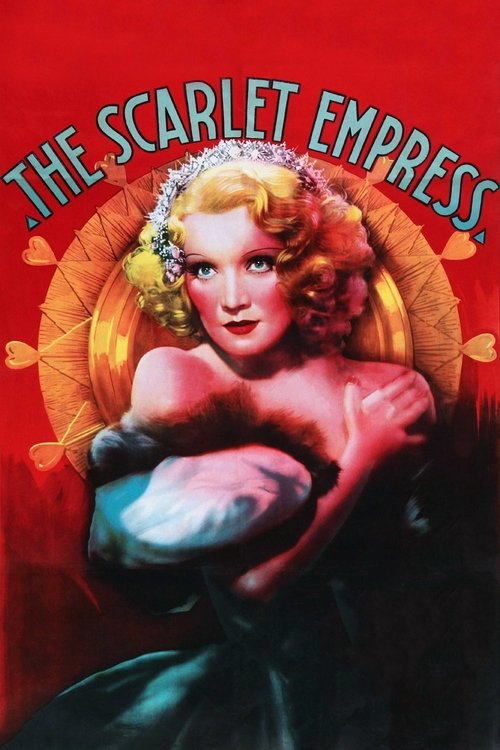
The Scarlet Empress1934
Marlene Dietrich as Catherine the Great, another woman who seized power through intelligence and will. Von Sternberg's most baroque vision, all gilt and shadow and theatrical excess.
But It's more fairytale than history, and some scenes border on incomprehensible. Not everyone's entry point to classic cinema.
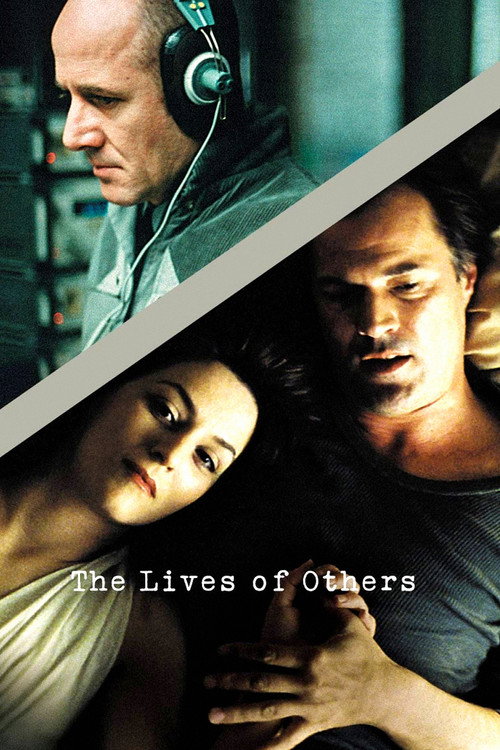
The Lives of Others2006
Both explore the psychology of being caught between loyalty and survival, and the question of whether a betrayer can ever be innocent again.
A East German Stasi officer assigned to spy on a writer begins to empathize with his target. No glamour, no seduction—just the slow moral corruption of surveillance and complicity. Shows how ordinary people become betrayers.
But It's a modern thriller, not a period piece. And it's deeply bleak about whether redemption is even possible once you've compromised yourself.
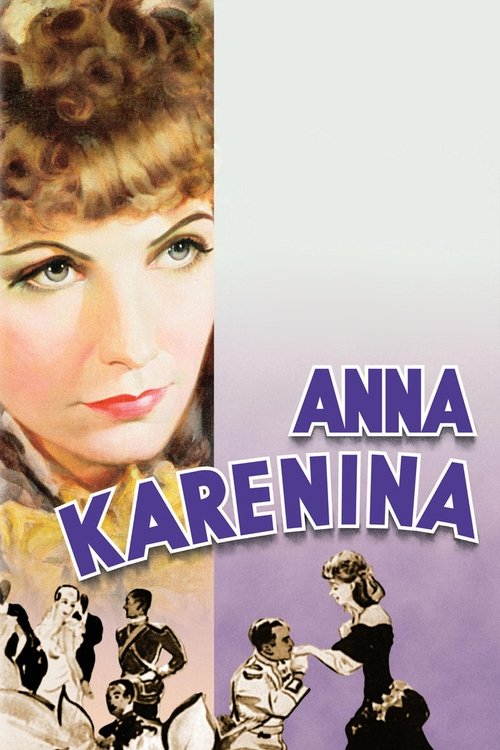
Anna Karenina1935
Both are about extraordinary women ground down by forces larger than themselves—Mata Hari by wartime and betrayal, Anna by desire and social law. Garbo is perfect for both sides of that coin.
Garbo in her other great tragic role—a woman destroyed by passion and society's judgment. Cukor's film is ravishing. It shows Garbo as more victim than schemer, more heartbroken than calculating. Opposite register from Mata Hari, same actress, same fatalism.
But It's three hours, it's melodrama, and it asks you to spend them watching a brilliant woman be slowly erased by circumstance and love.
People
Cast
 Greta GarboMata Hari
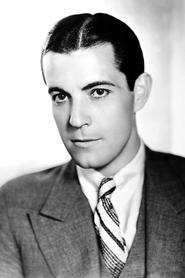 Ramon NovarroLt. Alexis Rosanoff
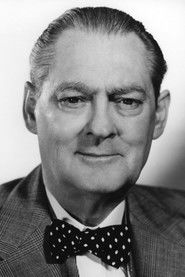 Lionel BarrymoreGeneral Serge Shubin
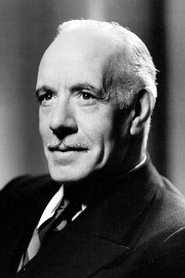 Lewis StoneAndriani
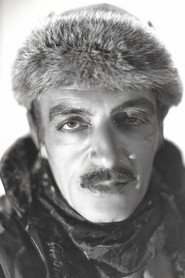 C. Henry GordonDubois
 Karen MorleyCarlotta
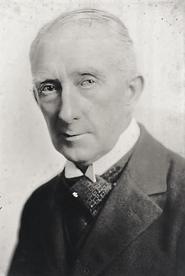 Alec B. FrancisMajor Caron
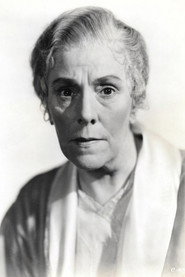 Blanche FridericiSister Angelica
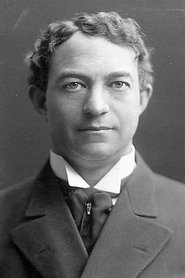 Edmund BreeseWarden
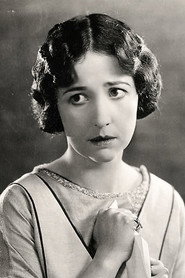 Helen Jerome EddySister Genevieve
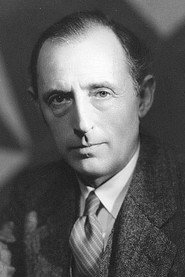 Frank ReicherThe Cook - Spy
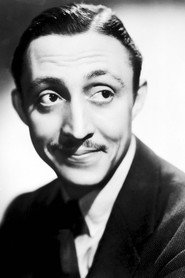 Mischa AuerFiring Squad Victim (uncredited)
Directing
- George FitzmauriceDirector
Writing
- Benjamin GlazerWriter
- Leo BirinskiWriter
Production
- George FitzmauriceProducer
- Irving ThalbergProducer