
Film
Dishonored
A 1931 spy thriller where Marlene Dietrich plays a ruthless Austrian agent weaponizing seduction against the Russians. Directed by Josef von Sternberg, it's a masterclass in visual storytelling—shadow, costume, composition doing the emotional work. For anyone fascinated by early cinema's technical sophistication or how power and desire tangle in espionage narratives.
Should you watch it?
Watch it if you love shadowy, stylized prewar melodrama where a look or a lit doorway carries more feeling than the dialogue, and von Sternberg's ornate, nocturnal camerawork is a draw in itself.
Skip it if you need brisk plotting, since the espionage and romance unfold in a stiff, mannered early-sound way that can feel static and creaky to modern viewers.
What it asks of you: Expect a lean 91 minutes and patience with long silences, stagey pauses and images that linger; attention pays off in the framing rather than in quick plot turns.
Not sure? Find tonight's pick in a minute.
If you liked this
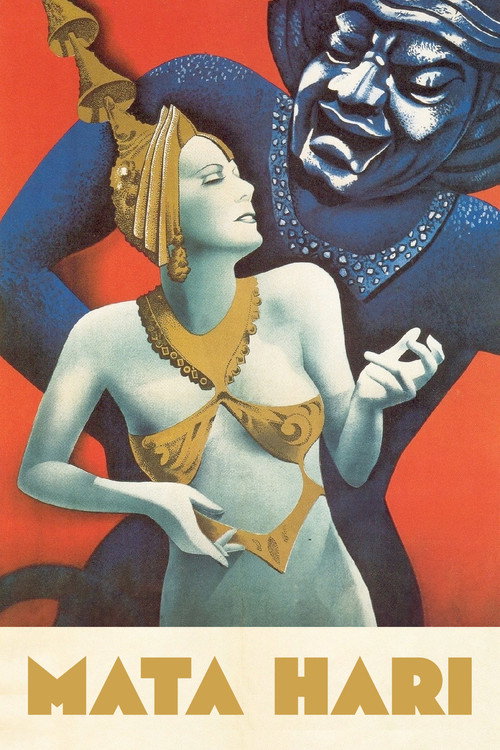
Mata Hari1931
Greta Garbo in the same year, same theme—a woman using sex as espionage currency. Both films ask whether such a woman can ever escape her own game, and both deliver tragic glamour.
But Garbo's film is slower and more melancholic. If you want pure plot momentum over atmosphere, this will feel like watching paint dry.
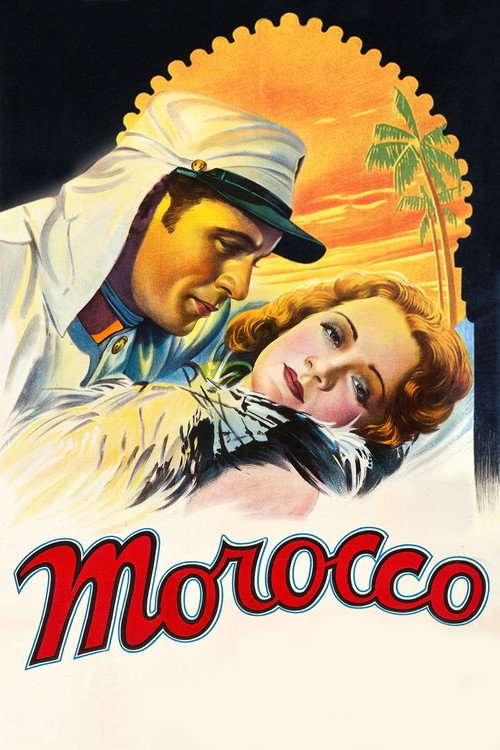
Morocco1930
Sternberg and Dietrich's first collaboration—the template for everything that follows. Expatriate bars, colonial intrigue, and Dietrich in a tuxedo. The visual language of seduction as power.
But Even spottier pacing than Dishonored. Long stretches of mood over incident, and the plot is genuinely thin.
The Spy in Black1939
Michael Powell's WWI spy film with similar DNA: espionage through seduction, moral ambiguity, a protagonist who's neither hero nor villain. Tighter script, earlier Powell brilliance.
But Considerably more British and reserved. If you love Dietrich's brute magnetism, this will feel genteel.
Not sure tonight? Get a pick in a minute, starting from Dishonored
The wildcard
Something you would not have found on your own.
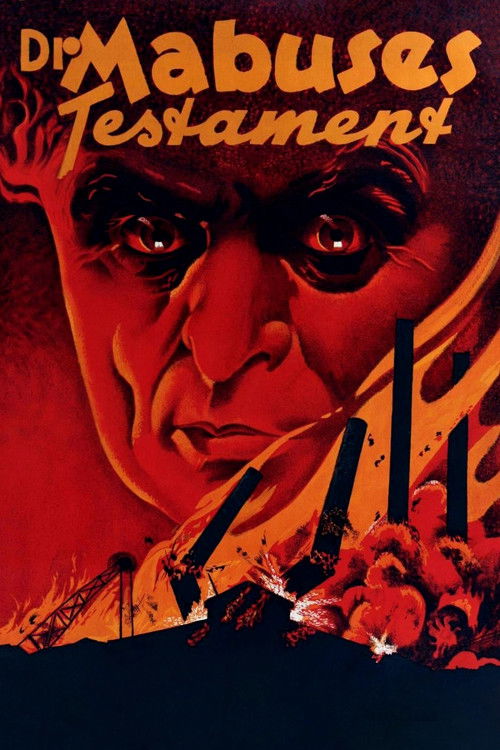
The Testament of Dr. Mabuse1933
Both use espionage as a metaphor for a society collapsing into shadow—where information and seduction are weapons because trust is already dead. Both films are technically revolutionary in the service of dread.
Fritz Lang's criminal mastermind film, also about absolute power through coded communication and espionage. Same year, same European unease—but told through the villain's perspective. Hypnotic and prophetic.
But It's German, it's cryptic, and at 122 minutes it demands patience. Not a thriller you consume; one you sit with.
More like this (7)
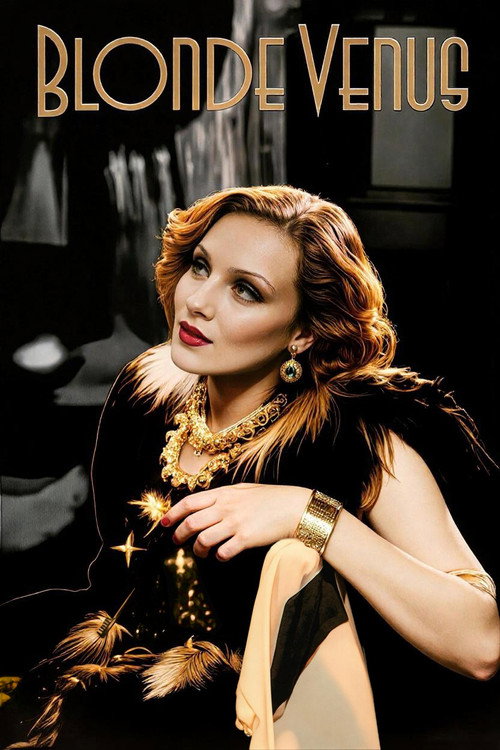
Blonde Venus1932
Sternberg and Dietrich again, this time as a showgirl caught between love and survival. Less espionage, more raw desperation. Shows what happens when seduction stops working as strategy.
But Melodramatic in ways Dishonored avoids. The second half veers into sentimentality that doesn't always land.
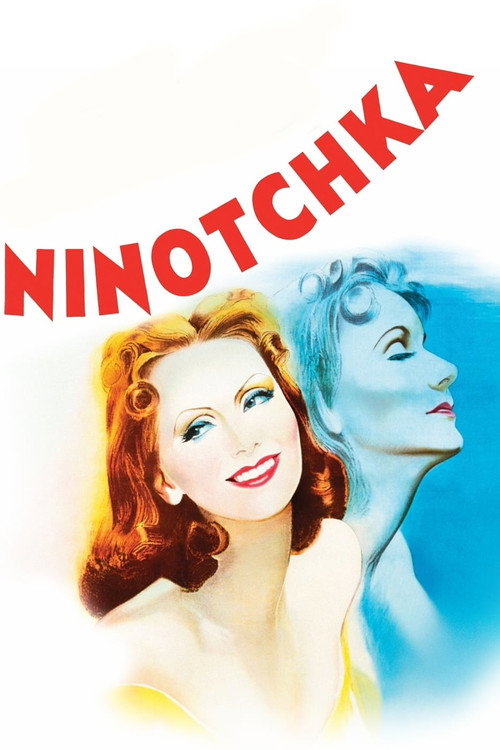
Ninotchka1939
Greta Garbo as a Soviet agent—the inverse of Dietrich's role. Witty, elegant, with deeper political irony. Lubitsch's touch versus Sternberg's; both masterful, completely different registers.
But It's a comedy, and a romantic one. Expecting the ice-cold intelligence game of Dishonored will disappoint you.
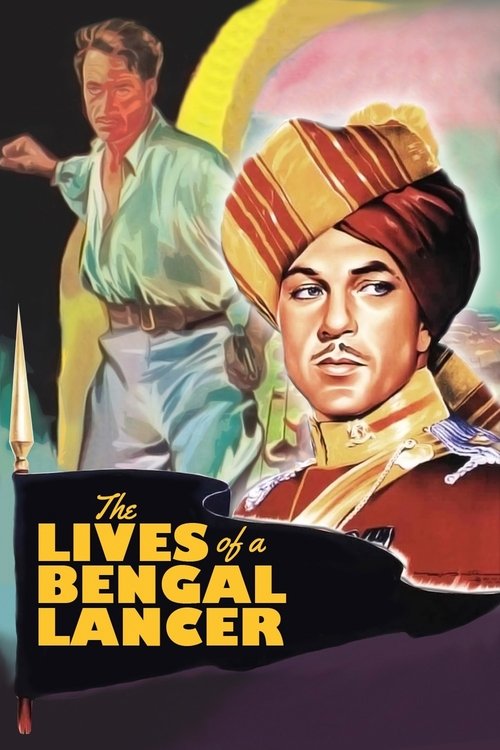
The Lives of a Bengal Lancer1935
Gary Cooper in colonial espionage with torture scenes that influenced action cinema forever. Imperial adventure told with moral unease. Pulpy but thoughtfully crafted.
But Very much a boy's adventure. The seduction and moral complexity that drive Dishonored are largely absent.
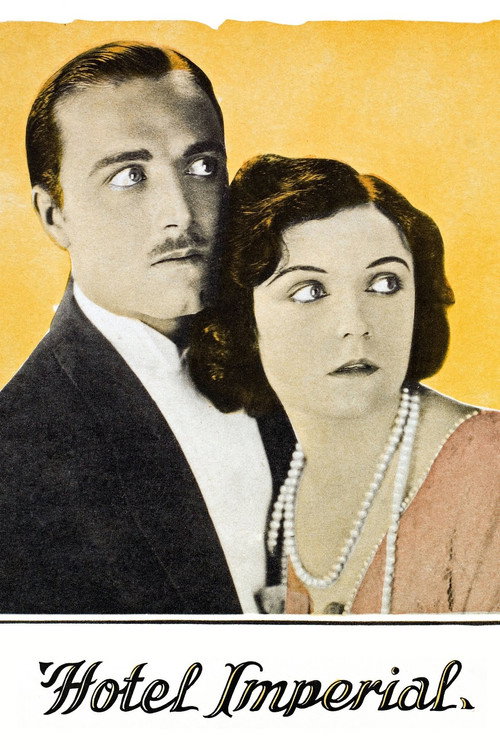
Hotel Imperial1927
Another WWI spy film, also set in occupied territory. Silent era craftsmanship, similar themes of betrayal and survival. Pola Negri in a role that shaped the archetype.
But Truly old-fashioned even by 1931 standards. If you find Dishonored slow, this will test your patience severely.
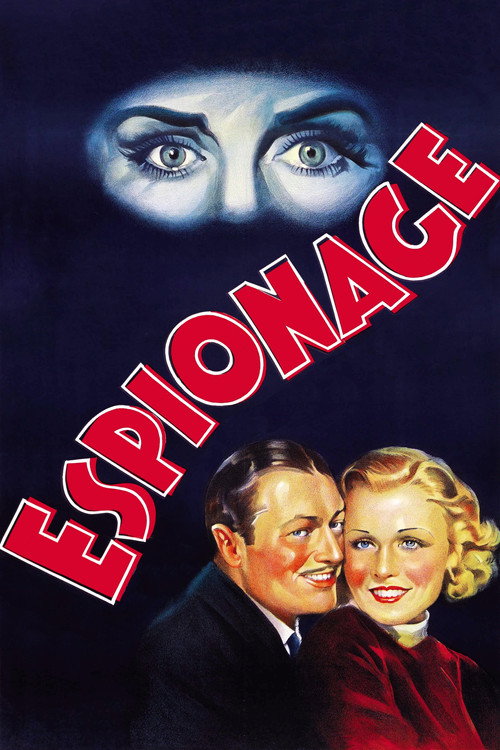
Espionage1937
A pulpy but efficient thriller about competing agents. Fast-moving, genuinely tense, shows how the spy genre evolved from Sternberg's artfulness toward mainstream entertainment.
But It's functional where Dishonored is visionary. Trading beauty for clarity—a fair trade, but a real loss.
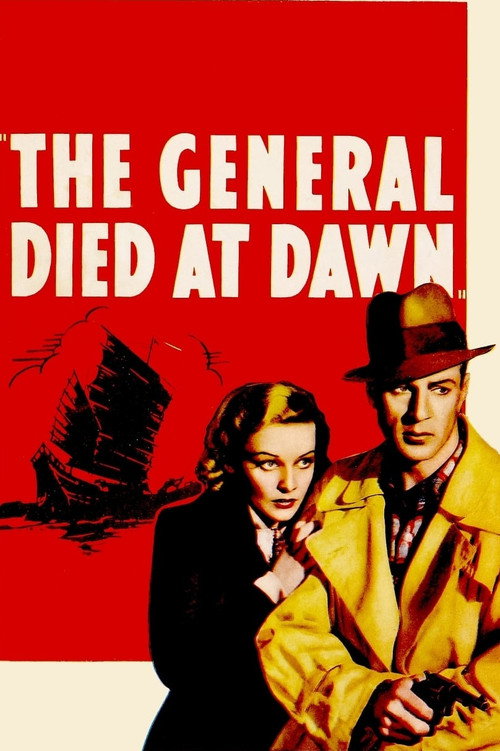
The General Died at Dawn1936
Gary Cooper against chaos in China. Sternberg's visual language applied to action and desperation. Asks whether principle survives when the world is corrupt.
But Clumsy politics and uneven tone. The Sternberg elements sometimes compete with the plot rather than serving it.
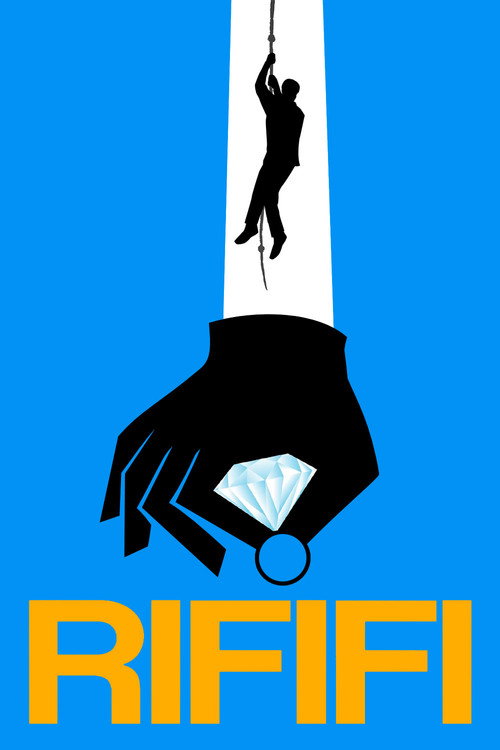
Rififi1955
Both films are about people moving through worlds where everyone is simultaneously predator and prey. Sternberg uses light and shadow; Dassin uses silence and waiting. Same moral temperature, different languages.
A heist film about professionals, trust, and betrayal in the criminal underworld. No seduction plot, but the same cold clarity about how self-interest corrodes loyalty. A masterpiece of mood and economy.
But French New Wave minimalism. Dialogue is sparse, the theft is silent. If you need constant plot momentum, it's agonizingly slow.
People
Cast
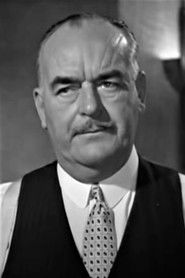
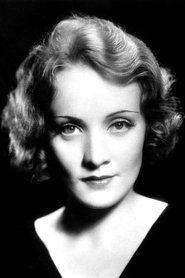 Marlene DietrichMagda / X27
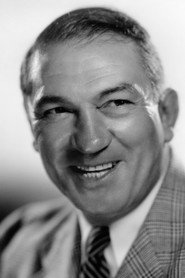 Victor McLaglenColonel Kranau
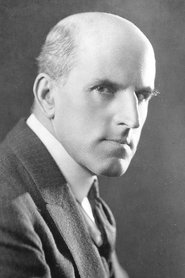 Gustav von SeyffertitzAustrian Secret Service Chief
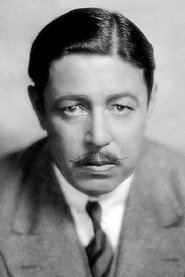 Warner OlandColonel von Hindau
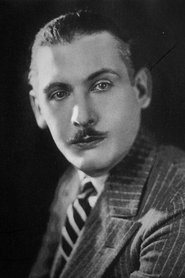 Lew CodyColonel Kovrin
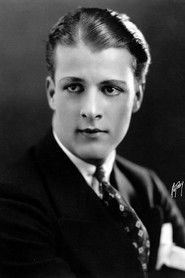 Barry NortonYoung Lieutenant - Firing Squad
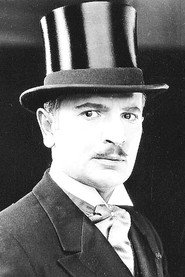 Max BarwynColonel Kranau's Aide
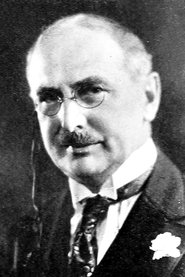 B.F. BlinnGambler with Glasses
Directing
- Josef von SternbergDirector
Writing
- Daniel Nathan RubinWriter
- Josef von SternbergWriter
Recommended by
Notorious, Mata Hari, Morocco, The Mysterious Lady, The Arizona Kid