
Film
Blonde Venus
Marlene Dietrich commands this 1932 melodrama as a former cabaret performer who abandons retirement to save her ailing husband's life. She becomes entangled with a wealthy suitor while performing as the Blonde Venus, a glamorous stage persona. It's a richly lit study of desire, desperation and the cost of survival—intimate in scale but cosmically sad. For anyone drawn to pre-Code Hollywood's moral complexity and its divas.
Should you watch it?
Watch it if you love Josef von Sternberg's ornate, shadowy 1930s melodrama, where lighting, costume and a long-held close-up do the talking as much as the plot does.
Skip it if you want brisk, grounded realism; this one is operatic, theatrical and sometimes strained, with a plot that leans on coincidence and heightened emotion.
What it asks of you: Ninety-three minutes of patience with stylised performance and a deliberately artificial look, where mood and image come before naturalistic pacing.
Not sure? Find tonight's pick in a minute.
If you liked this
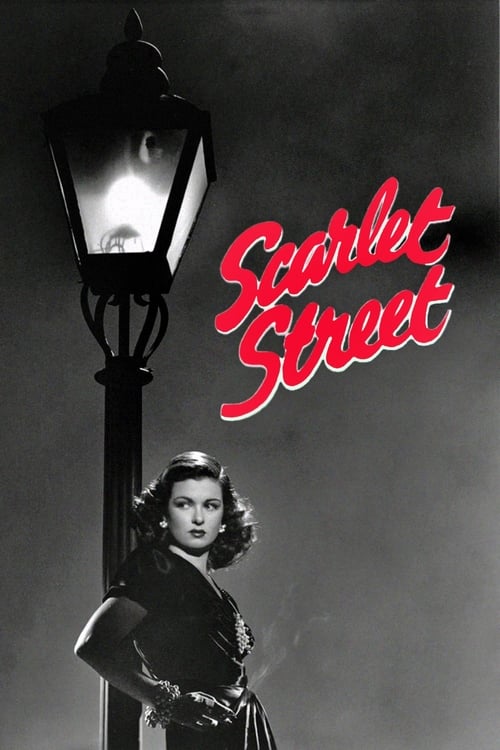
Scarlet Street1945
Fritz Lang examines how desire and deception entangle respectable people in criminal circumstance. Like Blonde Venus, it refuses easy judgment and finds tragedy in human weakness rather than moral failure.
But The pacing is deliberate and the ending brutally downbeat. If you need hope or momentum, this will feel glacial.
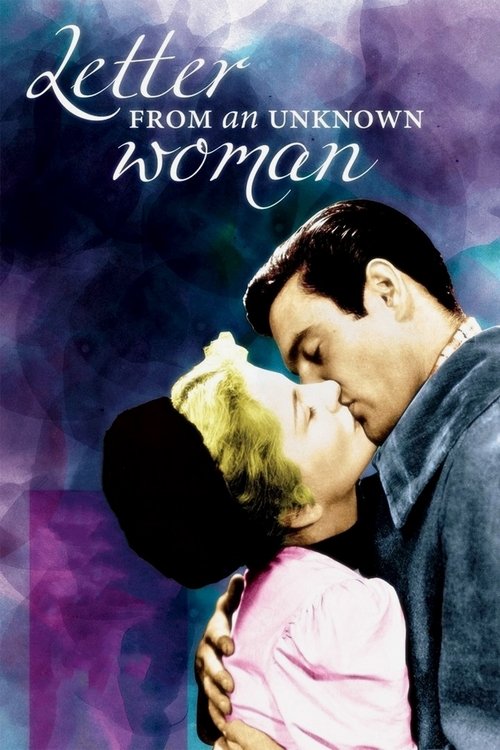
Letter from an Unknown Woman1948
Max Ophüls orchestrates a symphony of yearning and regret. A woman's decades-long passion for an indifferent man unfolds in heartbreaking fragments. It matches Blonde Venus's interest in what women sacrifice for love.
But It's told in reverse and emotionally relentless. Watching someone pursue the wrong person for years is difficult rather than entertaining.
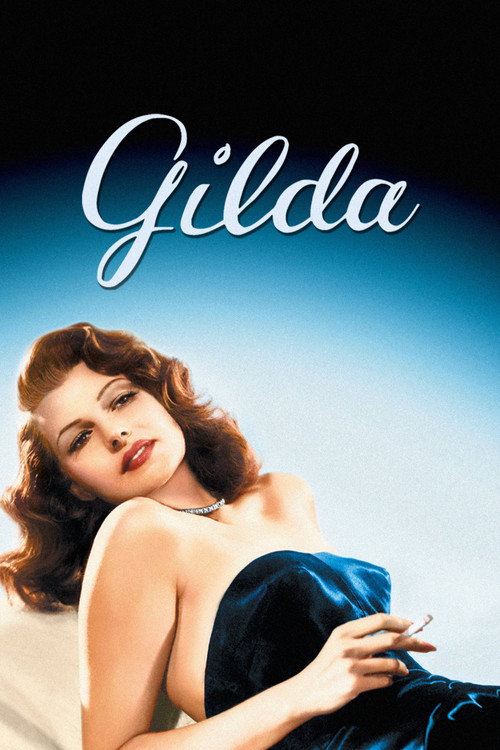
Gilda1946
Rita Hayworth embodies dangerous glamour in a nightclub setting. Like Dietrich's Blonde Venus, she's the magnetic center of a triangle of men who can't resist her, and the film is fascinated by the cost of that magnetism.
But The misogyny is dated and occasionally overt. The men's cruelty toward her is presented as arousing, which feels claustrophobic by modern standards.
Not sure tonight? Get a pick in a minute, starting from Blonde Venus
The wildcard
Something you would not have found on your own.
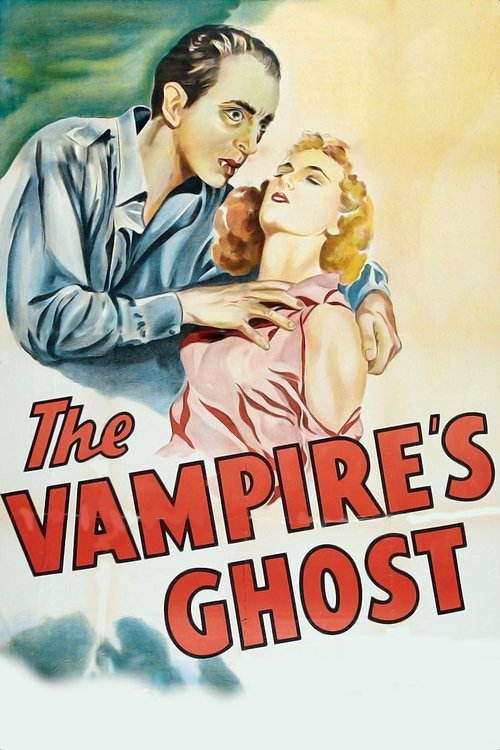
The Vampire's Ghost1945
Both are about beautiful, dangerous people who seduce others into complicity; both use nightclub aesthetics to suggest moral transgression; both are fascinated by the European immigrant as temptation and threat.
A B-movie vampire film set in Africa with John Abbott as an immortal European aristocrat. It's visually lush and strange—cabaret lighting, desire as predation, a woman caught between two men's competing needs. No one expects a vampire movie to share Blonde Venus's moral texture, but this one does.
But It's a poverty-row production; the plot is thin and the science nonsensical. If you need competent filmmaking and narrative coherence, the budget shows.
More like this (8)
Pandora's Box1929
G.W. Pabst's Louise Brooks is the embodiment of careless sexuality destroying men. Pre-Code, morally ambiguous, gorgeously lit. It shares Blonde Venus's world of theatrical desire and casual ruin.
But The print quality can be inconsistent depending on restoration. Silent film requires patience and generosity from viewers accustomed to dialogue.

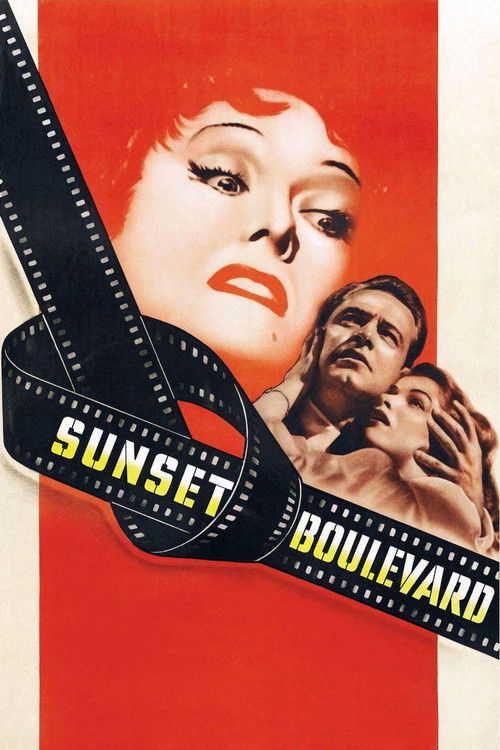
Sunset Boulevard1950
Billy Wilder's meditation on faded stardom and delusion. A silent-film actress destroyed by her own myth. Like Blonde Venus, it's about the price of being desired and the traps beauty sets.
But It's a suicide story masquerading as noir. The bleakness is unrelenting and the cynicism about Hollywood can feel exhausting.
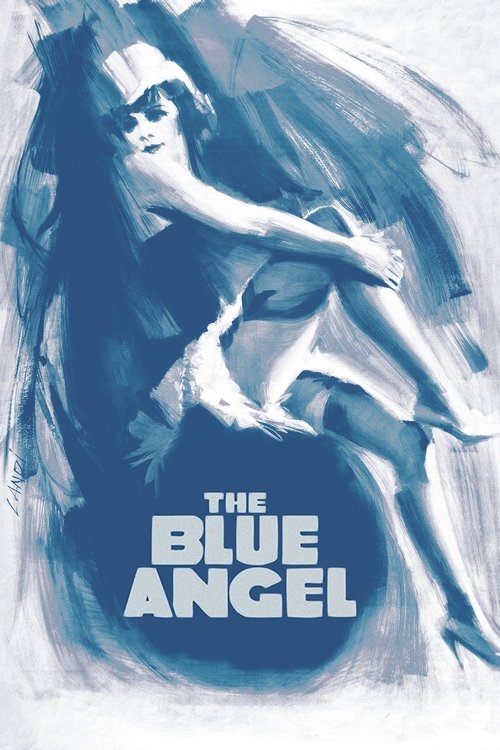
The Blue Angel1930
Emil Jannings's professor is destroyed by his infatuation with Marlene Dietrich's cabaret singer. It invented the template for this kind of tragic passion. Watching it illuminates everything Dietrich did afterward.
But It's a German expressionist film from 1930, so the visual language is operatic and the performances theatrical by modern standards. Subtitles required.
Breakfast at Tiffany's1961
Audrey Hepburn plays a woman reinventing herself through performance and charm, keeping everyone at arm's length. It's Blonde Venus for the 1960s—superficially lighter but fundamentally about the same loneliness.
But The racial caricature is glaring and indefensible. It dates the film badly and overshadows everything else it does well.

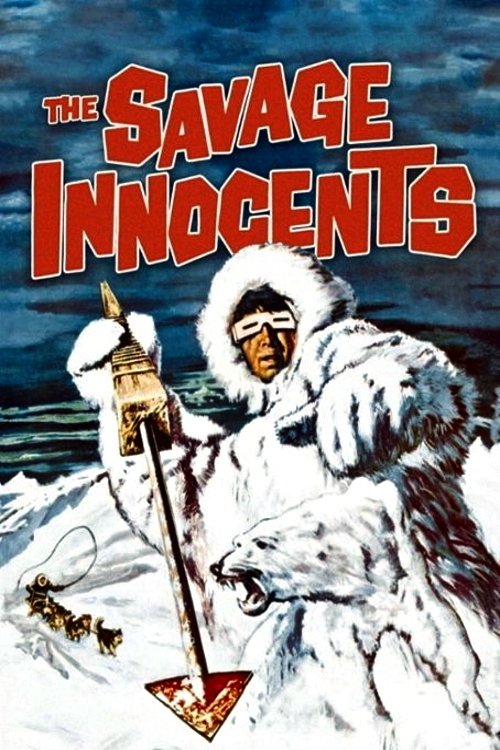
The Savage Innocents1960
Anthony Quinn and Yoko Tani in the Arctic; a film about survival, desire, and culture clash told with visual poetry. It shares Blonde Venus's interest in desperation and the strange alliances people form to endure.
But It's slow, remote, and emotionally distant. The narrative is thin and you have to surrender to atmosphere rather than plot momentum.
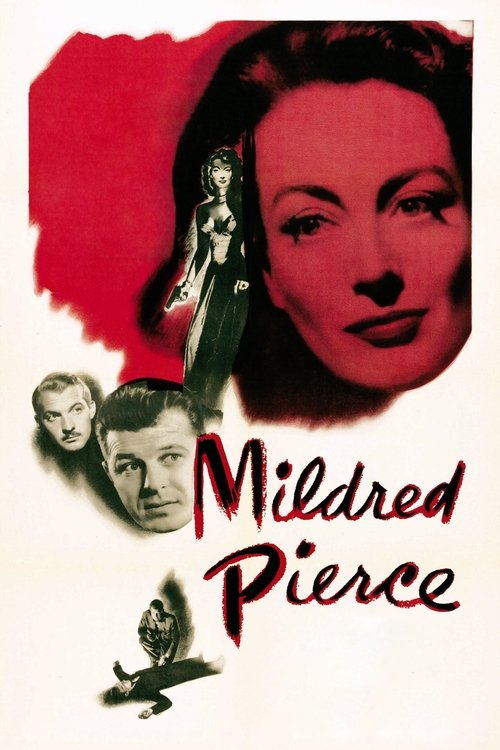
Mildred Pierce1945
Joan Crawford's mother sacrifices everything for an ungrateful daughter. Like Blonde Venus, it's about women's labor and ambition twisted into self-destruction by men and circumstance.
But The framing story is labyrinthine and the final reveal feels like a concession to censors. The middle sags before the twist redeems it.
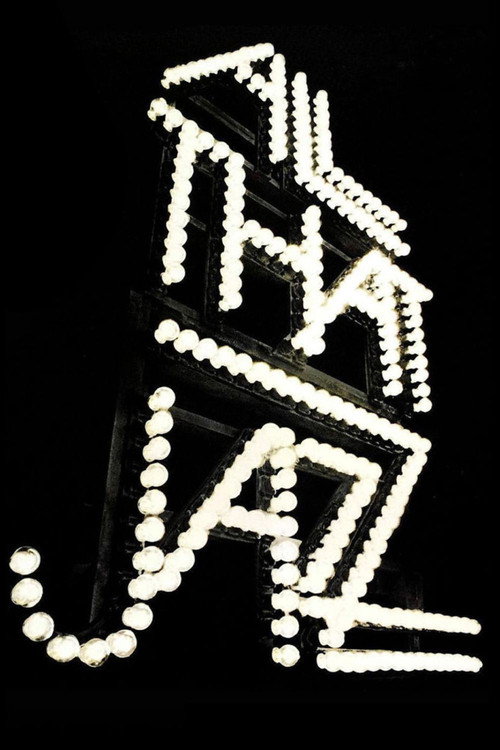
All That Jazz1979
Both center on a performer whose seductiveness is inseparable from their pathology; both are about the nightclub world as a place where money and bodies circulate; both ask whether the performance can ever stop.
Bob Fosse's autobiographical fever dream about a choreographer destroying himself with pills, cigarettes, and women. It's Blonde Venus inverted: the performer watching themselves die, the cost of spectacle, the addiction to being desired.
But It's deliberately psychedelic and self-indulgent. The structure is deliberately fragmented and it oscillates between cruelty and sentimentality. You need to surrender to Fosse's ego.
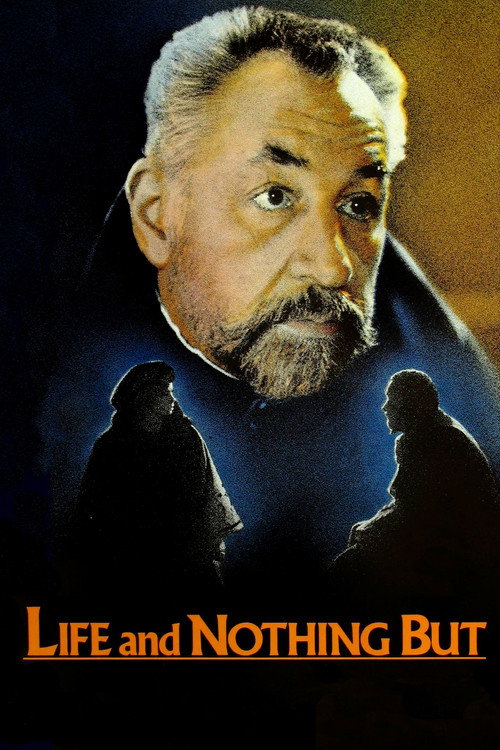
Life and Nothing But1989
Both examine women driven to transgression by economic and emotional desperation; both refuse to judge; both use the period setting (1920s Berlin, 1918 France) to suggest that moral categories collapsed in that era.
Bertrand Tavernier's film about a French officer searching for the unknown soldier after World War I. A woman arrives searching for her husband or lover—she's not sure. It's a meditation on desire, loss, and the stories we tell ourselves to survive grief. Like Blonde Venus, it's about women's desperation and the impossible choices women make.
But It's a three-hour French historical drama with no action. The emotional terrain is autumnal and the pacing assumes you're willing to sit with uncertainty.
People
Cast
 Marlene DietrichHelen Faraday, aka Helen Jones
 Herbert MarshallEdward 'Ned' Faraday
 Cary GrantNick Townsend
 Dickie MooreJohnny Faraday
 Gene MorganBen Smith
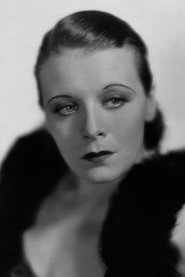 Rita La Roy'Taxi Belle' Hooper
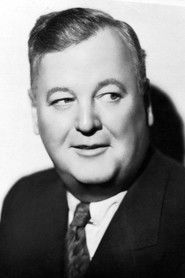 Robert Emmett O'ConnorDan O'Connor
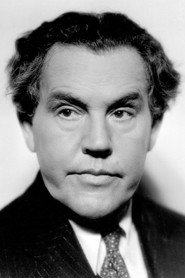 Sidney TolerDetective Wilson
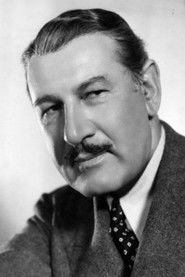 Morgan WallaceDr. Pierce
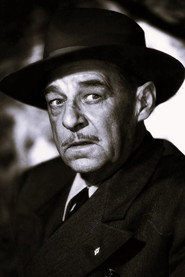 Al BridgeBouncer (uncredited)
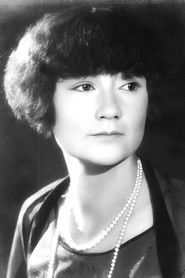 Marcelle CordayHelen's Maid in France (uncredited)
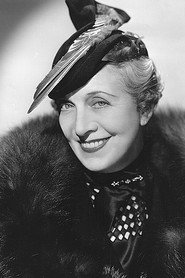 Cecil CunninghamCabaret Manager in Norfolk (uncredited)
Directing
- Josef von SternbergDirector
Writing
- Josef von SternbergWriter
- Jules FurthmanWriter
- S.K. LaurenWriter
Production
- Fred A. DatigCasting
- Mel BallerinoCasting
- Joe EgliCasting Assistant
- Josef von SternbergProducer
Recommended by
Baby Face, Dishonored, Merrily We Go to Hell, Female, Waterloo Bridge