
Film
Waterloo Bridge
Other titles called Waterloo Bridge: the 1940 film.
A 1931 melodrama set in WWI London where a desperate American chorus girl and a naive Canadian soldier find themselves caught between desire and deception. It's a picture of wartime desperation, class anxiety, and the impossible choices facing women with few options. Shot through with period glamour but grounded in genuine social unease.
If you liked this
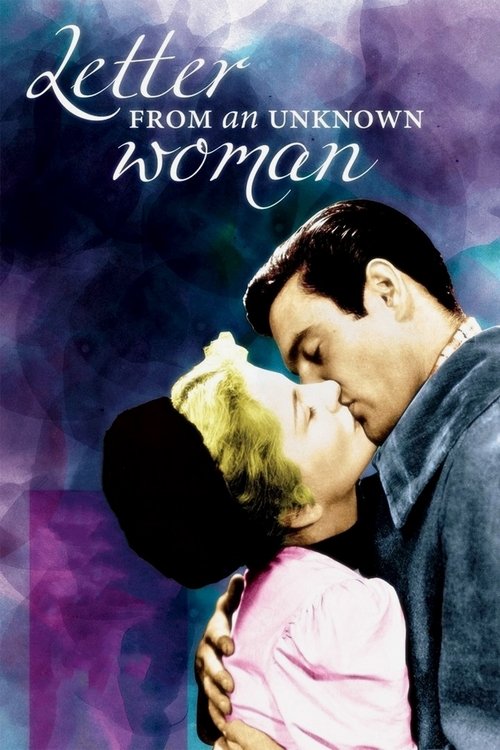
Letter from an Unknown Woman1948
Suspenseful, painterly romance about hidden identity and sacrifice across years. Max Ophüls crafts something simultaneously ornate and emotionally devastating—a woman's entire life spent in the shadow of a man's indifference.
But It's formally very mannered. The pacing is deliberate, almost glacial by modern standards, and the heroine's passive acceptance of her fate may frustrate you.
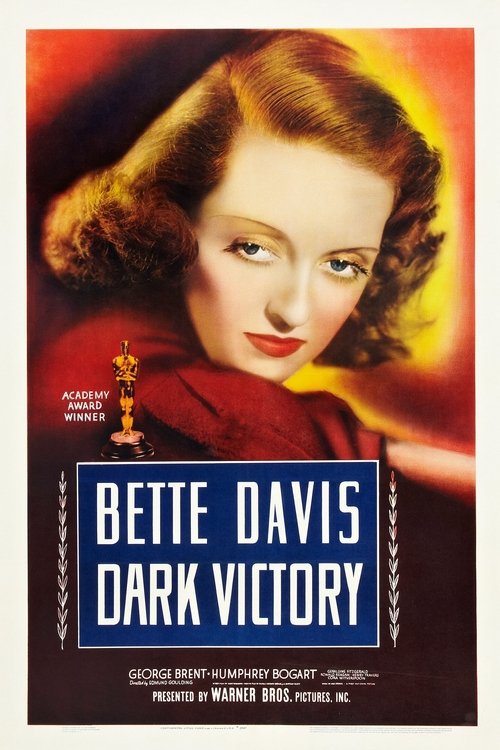
Dark Victory1939
Bette Davis (who appears here in a smaller role) gives one of her greatest performances as a socialite facing terminal illness. It's sentimental without being maudlin, and Davis's presence carries an almost unbearable poignancy.
But The medical plotting feels dated and melodramatic. Some viewers find the fatalism exhausting rather than moving.
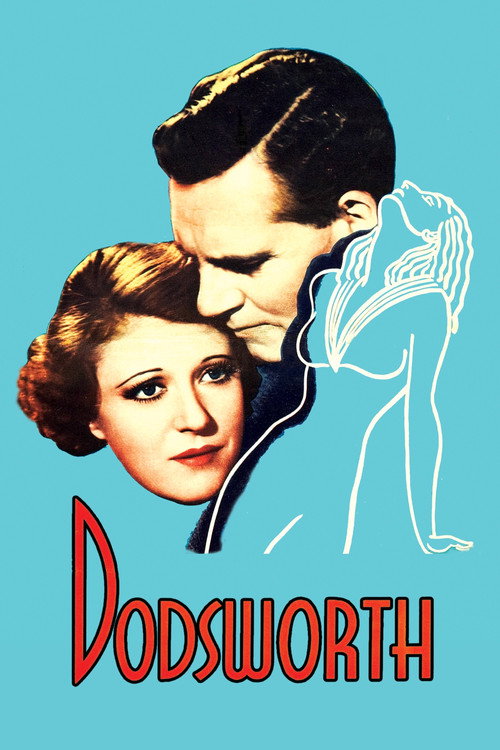
Dodsworth1936
William Wyler's portrait of a marriage fractured by ambition and pretense, with Walter Huston's quiet devastation opposite Mary Astor's social climbing. It has the same moral clarity and emotional precision as the best pre-code work.
But It's a character study, not a plot machine. If you want narrative momentum, this won't provide it.
Not sure tonight? Get a pick in a minute, starting from Waterloo Bridge
The wildcard
Something you would not have found on your own.
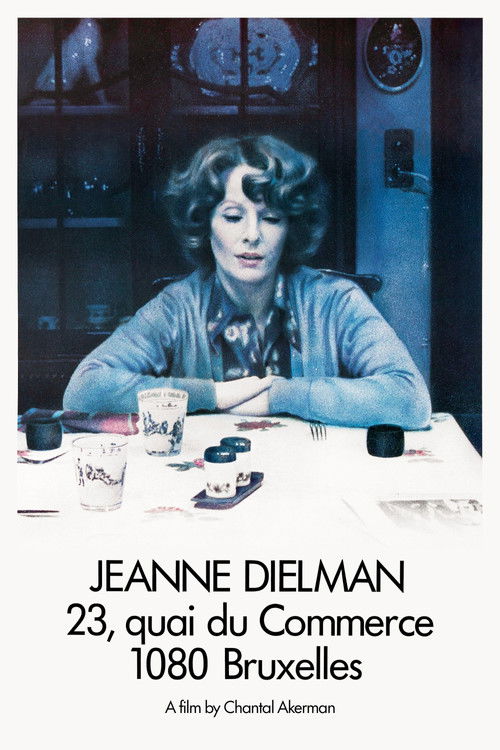
Jeanne Dielman, 23, quai du Commerce, 1080 Bruxelles1976
Both examine women's economic survival and the labor (visible and invisible) required to live. Both ask: what does it cost to keep going? The 1931 film hides the answer in melodrama; Akerman's refuses to look away.
Chantal Akerman's three-hour portrait of a widow's daily rituals: cooking, cleaning, sex work, accounting. It's hypnotic and formally radical—time becomes the subject, not a container for plot. You watch a life most cinema ignores.
But It requires profound patience. Scenes of Jeanne making coffee last minutes. If you expect narrative propulsion, you will be furious.
More like this (8)
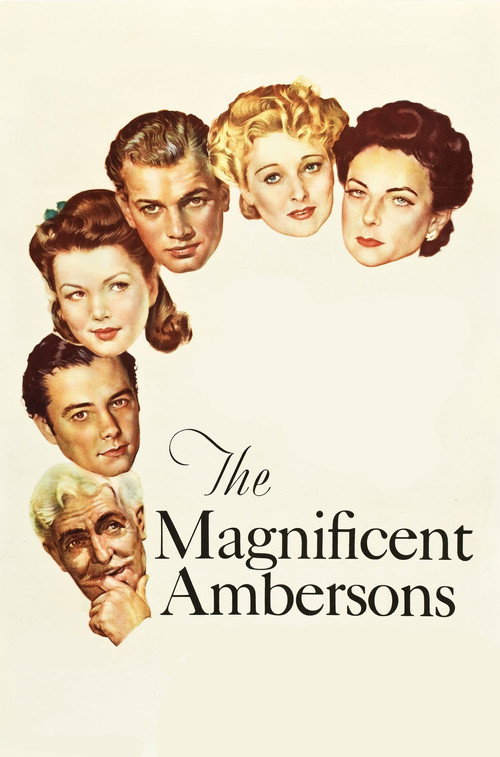
The Magnificent Ambersons1942
Orson Welles explores family decline and the cruelty of consequence across decades. The tragedy here isn't melodrama—it's the slow ruin that comes from small moral failures and class delusion.
But The studio's brutal re-editing leaves the ending tonally strange. What Welles intended remains a matter of debate, and what we have feels incomplete.
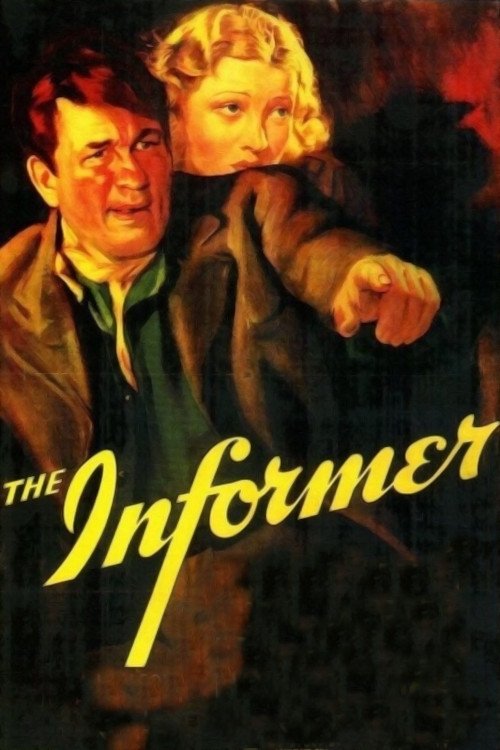
The Informer1935
John Ford's expressionistic tale of betrayal and guilt in Dublin. Victor McLaglen's performance carries a weight of shame that never lifts—the visual atmosphere is almost hallucinatory.
But It's operating in a heightened register that can read as overwrought. The politics are simplistic by today's standards.
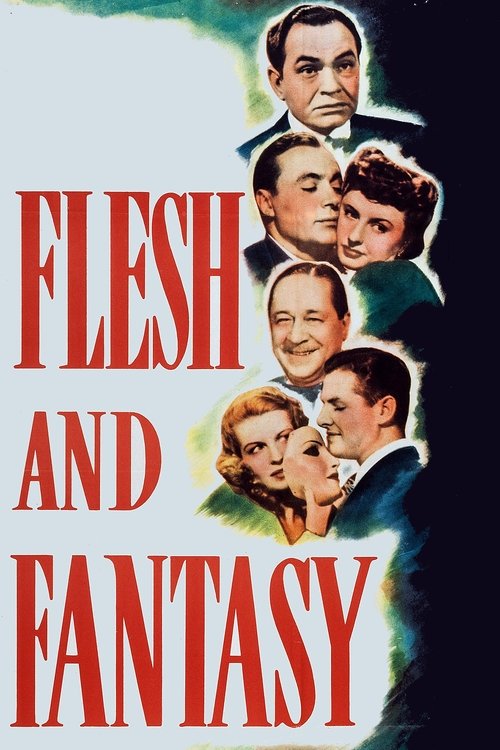
Flesh and Fantasy1943
Three tales of fate and deception from Julien Duvivier, each one investigating whether we control our destinies. It's playful and unsettling in equal measure, gorgeously lit.
But As an omnibus film, the segments are uneven. Some work beautifully; others feel slight by comparison.
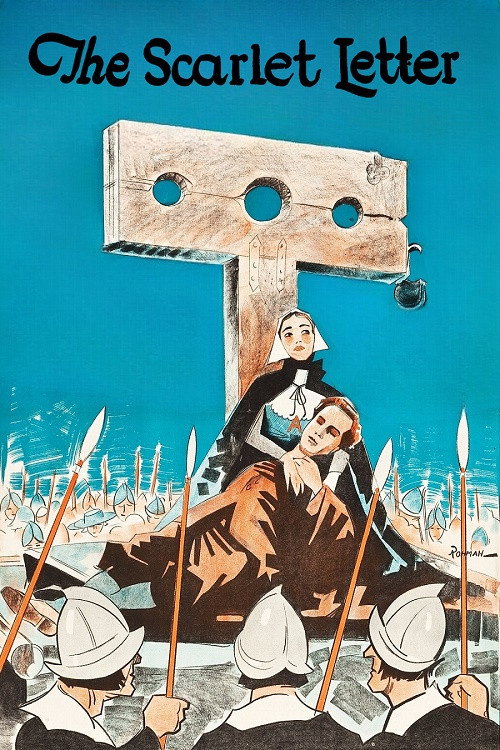
The Scarlet Letter1927
Lillian Gish as Hester Prynne in a silent film that understands the sexual shame and community judgment at Hawthorne's core. It's visually sumptuous and emotionally raw.
But Silent film is a major ask. Even with modern scores, the pacing and acting conventions will feel foreign.
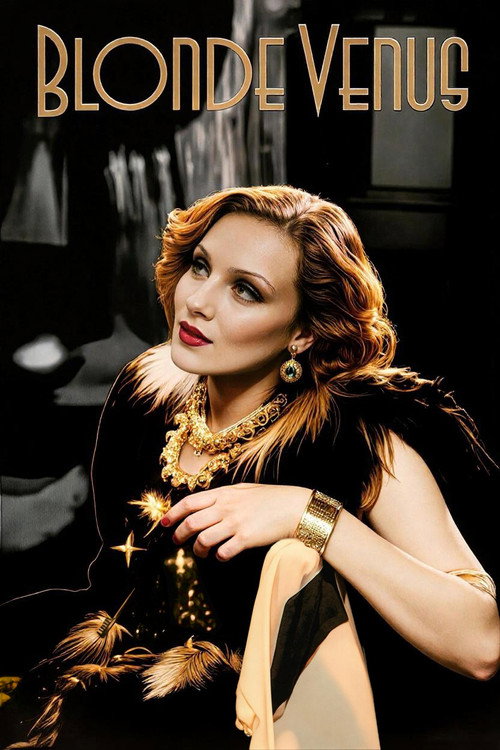
Blonde Venus1932
Marlene Dietrich in a tale of maternal desperation and sexual survival during economic collapse. Josef von Sternberg's camera worships her, but the film never loses sight of her character's genuine suffering.
But Sternberg's eroticizing can feel at odds with the darker material. Some scenes haven't aged well in terms of racial representation.
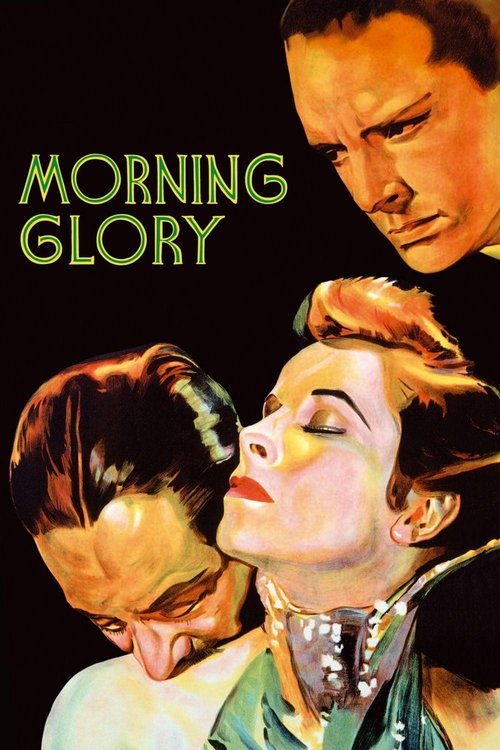
Morning Glory1933
Katharine Hepburn's breakthrough as a stagestruck girl navigating Broadway's ruthlessness and romance. It's lighter than the others here, with genuine wit alongside the melodrama.
But The plot mechanics are creaky. By the third act, you're watching the machinery turn rather than feeling the stakes.
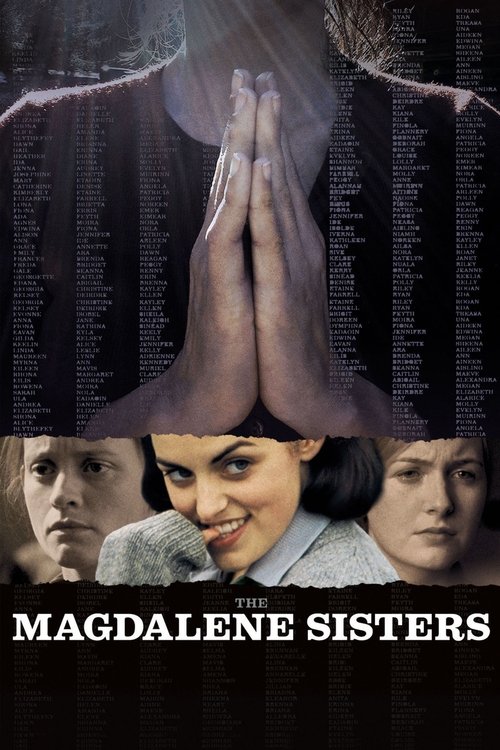
The Magdalene Sisters2002
Both center women punished for economic desperation and sexual autonomy. Both recognize that 'respectability' is a luxury denied to some. The register is utterly different—one is melodrama, one is nearly documentary—but the moral question is identical.
Peter Mullan's documentary-style account of young women imprisoned in Irish laundries by families and the Church. It's unflinching about institutional cruelty and the sexual shame directed at women. Brutal and necessary.
But It's an extended depiction of abuse and degradation. There's no catharsis, no comeuppance—only the slow grinding of the system.
In the Mood for Love2000
Both are about desire constrained by circumstance and social position. Both understand that sometimes what you cannot have—or cannot admit you want—defines you more than what you possess. One is working-class London; one is elegant Shanghai. Same architecture of yearning.
Wong Kar-wai's Hong Kong romance filmed in 1950s Shanghai. Two neighbors discover their spouses are having an affair and fall in love themselves, but never touch. Every frame is opulent color and geometric precision. It's about longing as a permanent state.
But Nothing happens. The emotional register is restrained to the point of stillness. Some find it unbearably slow; others find it hypnotic. You need to be in the mood for mood.

People
Cast
 Mae ClarkeMyra Deauville
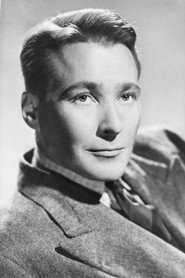 Douglass MontgomeryRoy Cronin
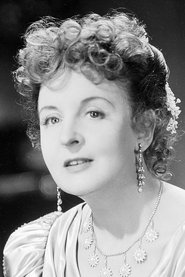 Doris LloydKitty
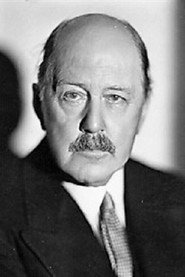 Frederick KerrMajor Fred Wetherby
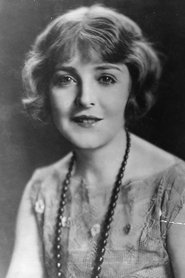 Enid BennettMary Cronin Wetherby
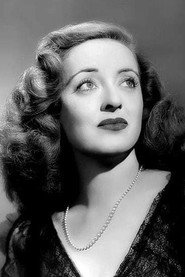 Bette DavisJanet Cronin
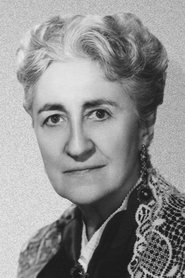 Ethel GriffiesMrs. Hobley
 Rita CarlyleThe Old Woman
- Ruth HandforthAugusta the Maid
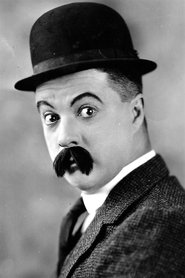 Billy BevanSoldier on the Make (uncredited)
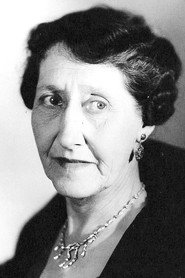 Elspeth DudgeonElegant Dowager (uncredited)
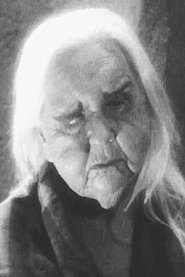 Louise EmmonsPasserby in Front of Theatre (uncredited)
Directing
- Joseph A. McDonoughAssistant Director
- James WhaleDirector
Writing
- Benn W. LevyAdaptation
- Richard SchayerScenario Writer
- Tom ReedScreenplay
- Robert E. SherwoodTheatre Play
Production
- Carl Laemmle Jr.Producer