
Film
Flesh and Fantasy
- Fantasy
- Dip in and out
A 1943 Universal anthology of three supernatural tales, sleek and atmospheric in the way only Hollywood's horror unit could manage. Each segment trades in delicious dread—tarot readings that come true, dreams bleeding into waking life, curses that pursue their victims. It's for anyone who loves old-fashioned suspense with romantic undertones and a willingness to believe in things that shouldn't exist.
If you liked this
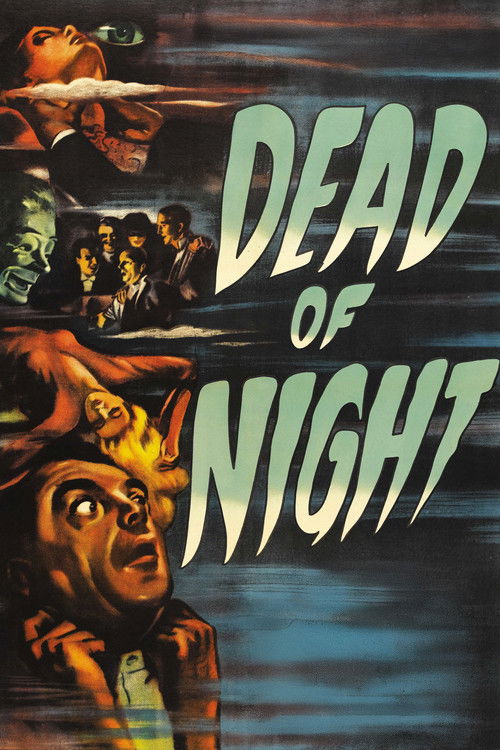
Dead of Night1945
A British anthology that perfected the form: five interlocking stories of the uncanny, each smaller and stranger than the last, building to a finale that haunts you for days. The mirror segment alone justifies the watch.
But Pacing is glacial by modern standards, and the framing device takes patience. Some segments work better than others, which is true of any anthology.
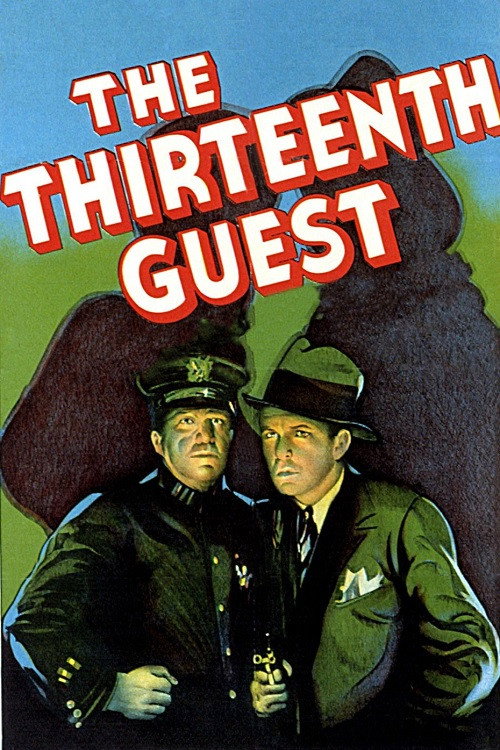
The Thirteenth Guest1932
An early whodunit-meets-haunting that has the same nervous energy as Flesh and Fantasy: murder foretold, supernatural dread mixed with mystery. It's lean, efficient, and genuinely unsettling in ways '30s thrillers rarely manage now.
But The resolution favors mystery over the supernatural, which might disappoint if you're here purely for ghostly business. Print quality varies wildly depending on source.
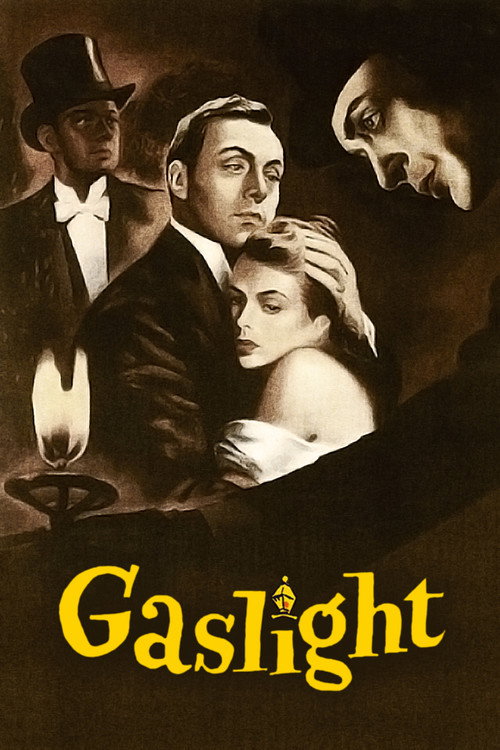
Gaslight1944
Ingrid Bergman and Charles Boyer in a psychological thriller where reality itself becomes the monster. Unbearably tense, gorgeously shot, and operates in the same register of dread that Flesh and Fantasy's third segment achieves.
But It's slower and more dependent on performance than plot twist. The cruelty it depicts will sit with you uncomfortably—which is the point, but not everyone wants that.
Not sure tonight? Get a pick in a minute, starting from Flesh and Fantasy
The wildcard
Something you would not have found on your own.
Paprika2006
Both use the dream-state not as horror but as a space where desire and fate become indistinguishable. Both believe that what happens in dreams has real consequences.
A Japanese animated film about dreams bleeding into waking life through stolen technology. It shares Flesh and Fantasy's fascination with the threshold between real and imagined, but renders it in a register of pure visual ecstasy. The dream logic is baroque, urgent, heartbreaking.
But Animation alienates some viewers immediately. The plot becomes deliberately fractured in its final third, reflecting the dream-logic it's depicting, which will feel either brilliant or self-indulgent depending on your patience.

More like this (8)
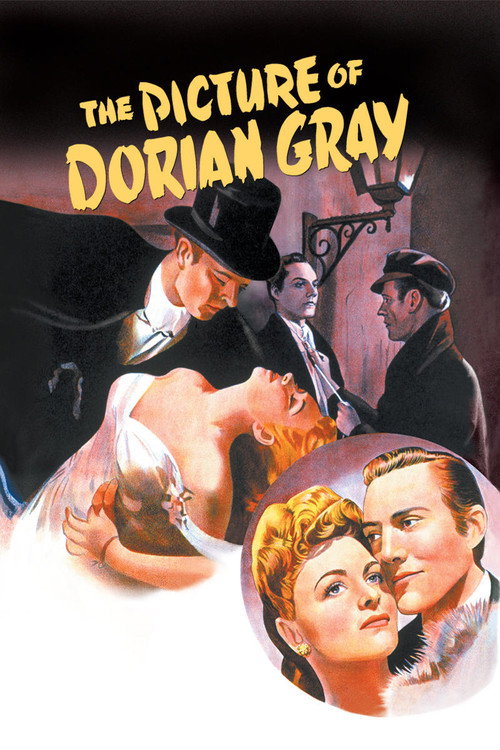
The Picture of Dorian Gray1945
A supernatural curse that tracks a man through time, moral corruption made visible. It has the same fatalistic elegance as the Boyer segment and understands that the greatest horror is watching someone choose damnation willingly.
But The film softens Wilde's ending to appease censors, which blunts the story's final punch. Some will find it overwrought; others will call it camp, and they're not entirely wrong.
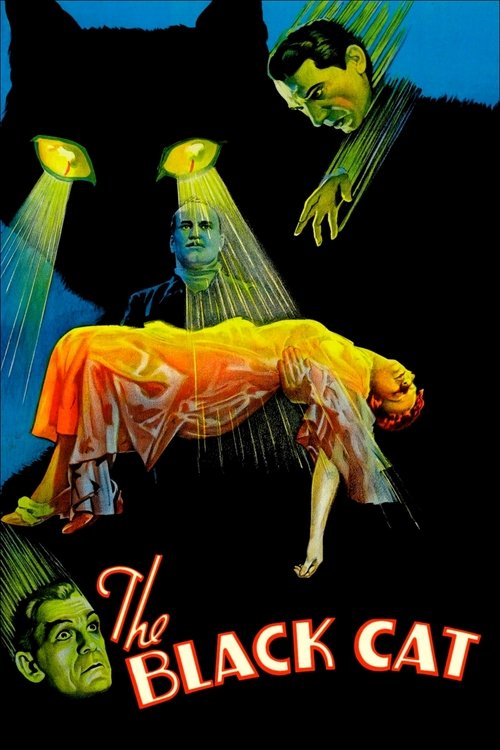
The Black Cat1934
Lugosi and Karloff in a fever dream of a film—less a plot than a series of unsettling images strung together by atmosphere and pure star power. It captures that same sense of dread-as-mood that makes Flesh and Fantasy linger.
But The story barely exists and makes even less sense. If you need narrative coherence, this will frustrate you almost immediately.
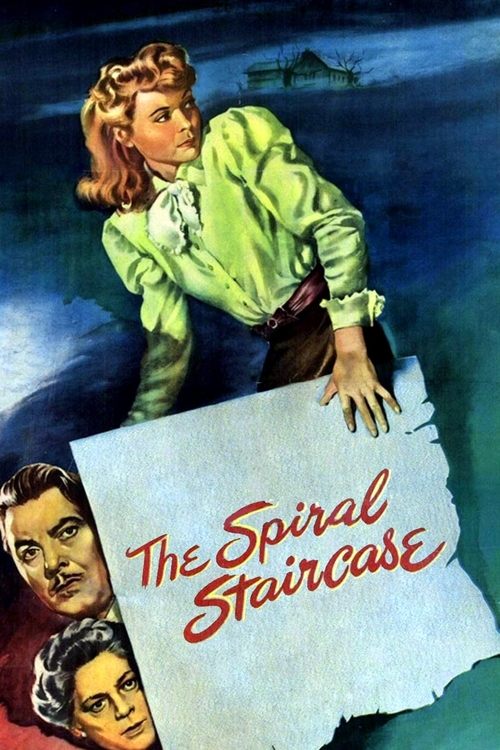
The Spiral Staircase1946
A woman stalked in her own home while a killer moves through it. The tension is immaculate, the atmosphere oppressive. It understands what Flesh and Fantasy's dream sequence understands: the vulnerability of crossing from safety into threat.
But The violence is surprisingly brutal for 1946, and the resolution hinges on a deaf-mute woman being victimized and then resourceful—the politics of it haven't aged well.
The Cabinet of Dr. Caligari1920
The ur-text of psychological horror: a somnambulist controlled by a mad doctor, reality twisted by set design and shadow. It's the spiritual ancestor of every film here, including Flesh and Fantasy. Hypnotic and deeply strange.
But German Expressionism is an acquired taste. The pacing is silent-film pacing. If you need plot momentum, you're watching the wrong film.

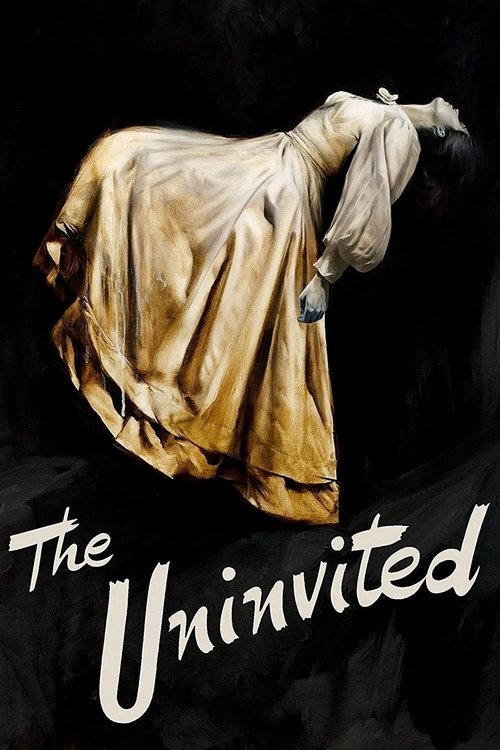
The Uninvited1944
A haunted house mystery with genuine scares, romantic yearning, and the same mid-'40s gloss as Flesh and Fantasy. Ray Milland and Ruth Hussey create chemistry while ghosts rattle the architecture around them.
But The ghost reveal is fairly conventional once you see it coming. The romance subplot will feel like distraction if you're purely there for the haunting.
Voodoo Island1957
Boris Karloff in a low-budget adventure that treats its supernatural elements with genuine respect. It has the same episodic, tall-tale quality as Flesh and Fantasy's New Orleans segment, minus the studio gloss.
But The budget shows relentlessly, and Karloff is barely in it. The pacing meanders, and some segments feel like padding. It's a B-movie that doesn't quite justify its runtime.

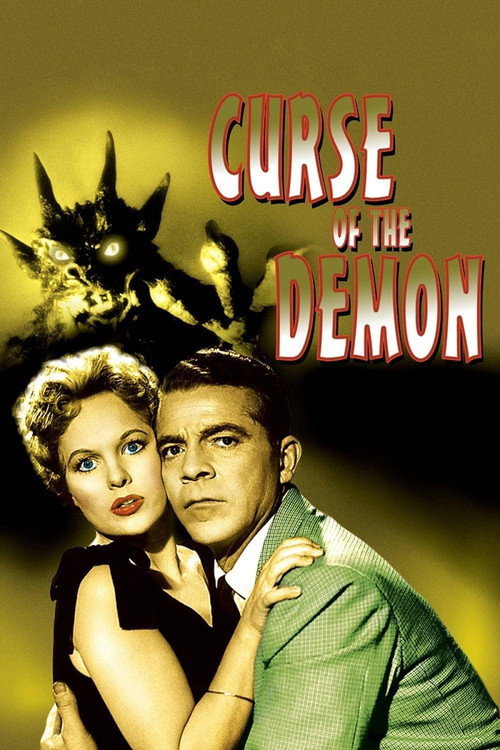
Night of the Demon1957
Both pivot on a protagonist refusing to accept what the audience has already seen as real, leading them toward a fate they could have avoided through belief.
A British occult thriller where a skeptic dismisses supernatural warnings and is pursued by something genuinely, impossibly real. It has Flesh and Fantasy's romantic core and its willingness to suggest that some forces cannot be rationalized away.
But The demon itself, when glimpsed, is a stop-motion creature that looks like a man in a rubber suit. This becomes risible quickly, which undermines the accumulated dread.
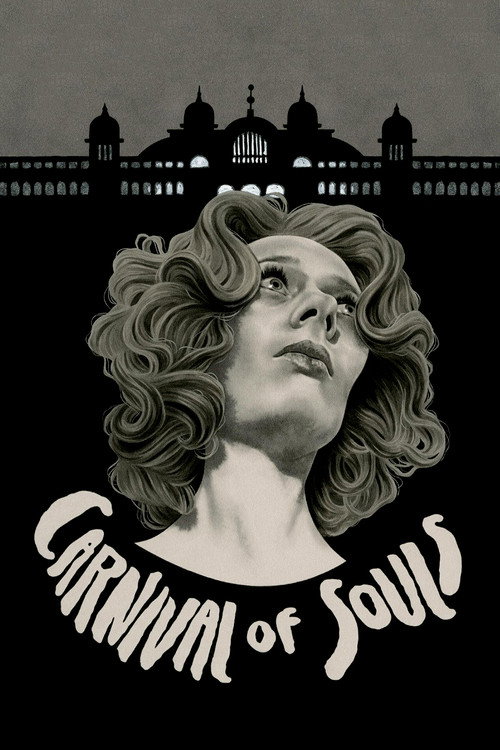
Carnival of Souls1962
Both understand that the supernatural is most frightening when it isolates you—when you see or know something that others cannot perceive, leaving you alone with the knowledge of a different reality layered beneath this one.
A low-budget American horror film about a woman haunted by something she can't name, can't escape, can't articulate to anyone around her. The dread is existential, the atmosphere suffocating, and it builds to a revelation that recontextualizes everything before it.
But The dialogue is stilted, the acting uneven, and the budget constraints show in every frame. Watching it requires accepting that poverty of resources can coexist with artistic power.
People
Cast
 Charles BoyerPaul Gaspar (segment 3)
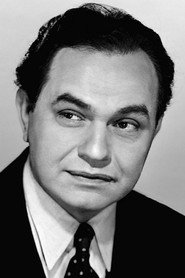 Edward G. RobinsonMarshall Tyler (segment 2)
 Barbara StanwyckJoan Stanley (segment 3)
 Betty FieldHenrietta (segment 1)
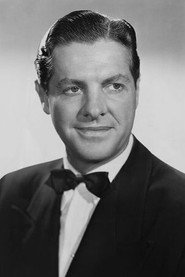 Robert CummingsMichael (segment 1)
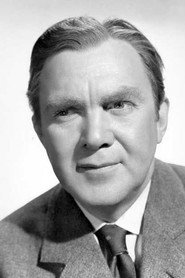 Thomas MitchellSeptimus Podgers (segment 2)
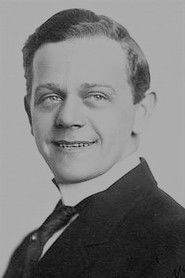 Charles WinningerKing Lamarr (segment 3)
 Anna LeeRowena (segment 2)
 May WhittyPamela Hardwick (segment 2)
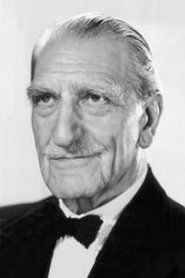 C. Aubrey SmithDean of Norwalk (segment 2)
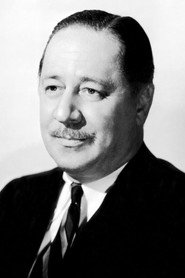 Robert BenchleyDoakes
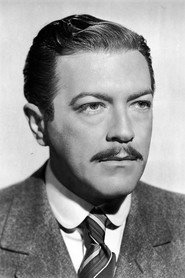 Edgar BarrierStranger in Mask Shop (segment 1)
Directing
- Julien DuvivierDirector
Writing
- Ellis St. JosephScreenplay
- Ernest PascalScreenplay
- Samuel HoffensteinScreenplay
- Oscar WildeShort Story
- Ellis St. JosephStory
- László VadnayStory
Production
- Charles BoyerProducer
- Julien DuvivierProducer