
Film
The Thirteenth Guest
A proto-slasher mystery from 1932 where the ghosts of a disastrous dinner party return as bullets and bodies. Ginger Rogers navigates creaky sets and creakier dialogue in a film that's more fascinating as a historical artifact than as gripping entertainment—a template being written in real time, before anyone knew the rules.
If you liked this
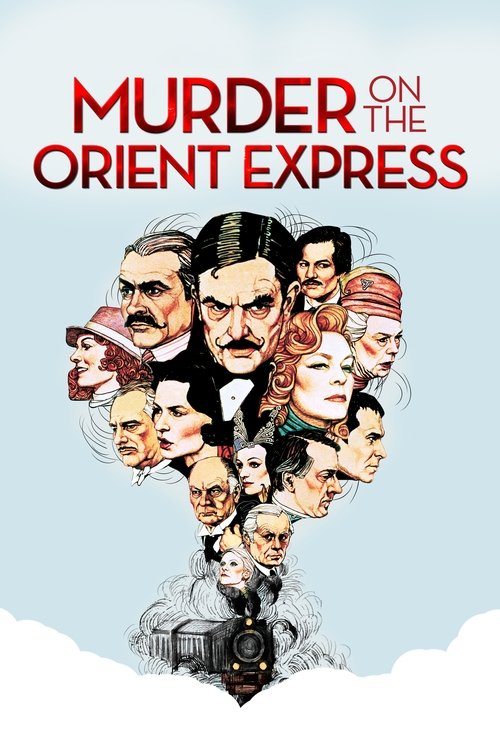
Murder on the Orient Express1974
An elegant ensemble mystery where a closed group must solve a crime among themselves. Agatha Christie's logic puzzle feels tight and satisfying in a way that rewards attention and rewatch.
But Feels stagy and theatrical; some viewers find the pacing deliberate to the point of slow. No real suspense, just pure deduction.
Rope1948
Hitchcock traps two murderers and their guests in a single room for ninety unbroken minutes. The constraint creates unbearable tension as the truth threatens to spill with every word.
But The gimmick—shot in real-time—can feel artificial if you're not locked in. Some find the dialogue overly theatrical and the morality debates dated.

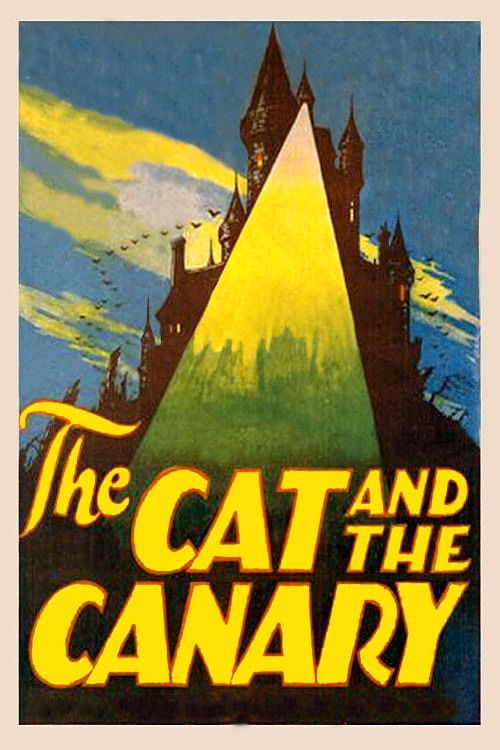
The Cat and the Canary1927
Silent mystery-comedy where an heiress must survive a night in a haunted house while relatives circle like sharks. Genuinely funny and spooky in equal measure; the physical comedy is brilliant.
But Silent film acting feels exaggerated now. The plot is threadbare and exists mainly to hang jokes and scares on.
Not sure tonight? Get a pick in a minute, starting from The Thirteenth Guest
The wildcard
Something you would not have found on your own.
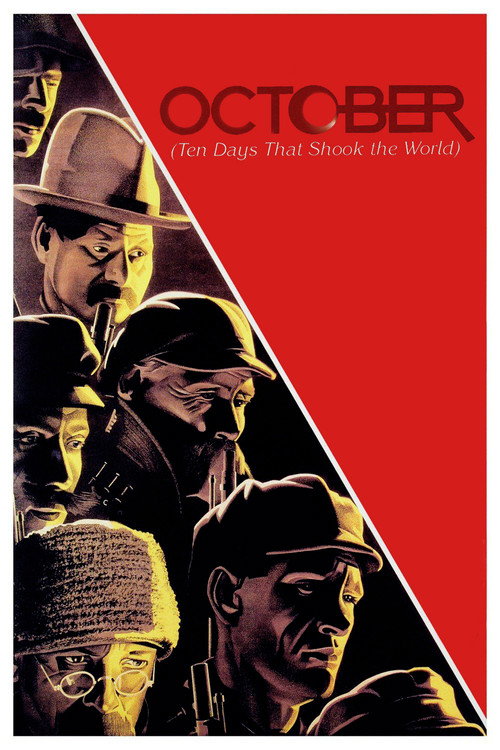
October (Ten Days that Shook the World)1928
Both use geometric arrangement of human bodies—at the dinner table, on the revolutionary street—as their primary language. Both were made when cinema was still learning to think visually rather than theatrically.
Eisenstein's silent Soviet propaganda epic about the October Revolution—radically different from The Thirteenth Guest in every way, but shares its obsession with choreographing bodies through space, creating meaning through placement and movement. A masterclass in visual storytelling when dialogue is impossible.
But Avant-garde editing, no plot in the conventional sense, relentlessly political. Requires active viewing and patience with abstraction. Easy to respect, hard to enjoy passively.
More like this (8)
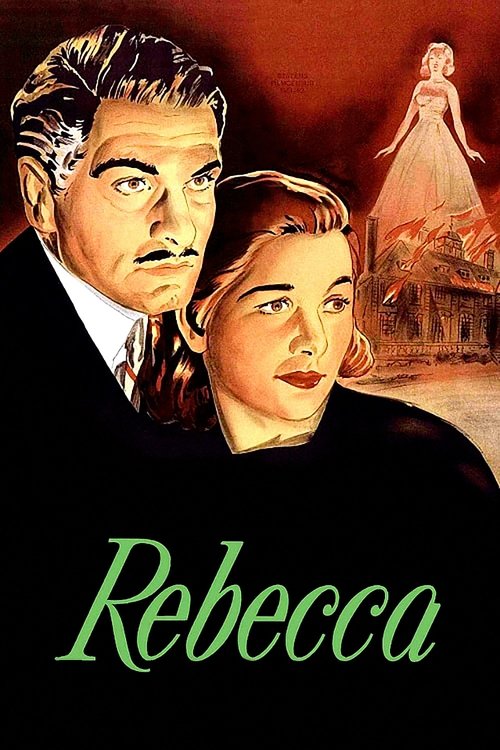
Rebecca1940
Hitchcock's masterpiece of Gothic dread, where a new wife moves into her husband's mansion only to realize she's haunted by his dead first wife's ghost. Luxurious, dark, utterly gripping.
But Very long and very much a woman-in-peril story; some resent its investment in female anxiety. Slow to reveal its central revelation.
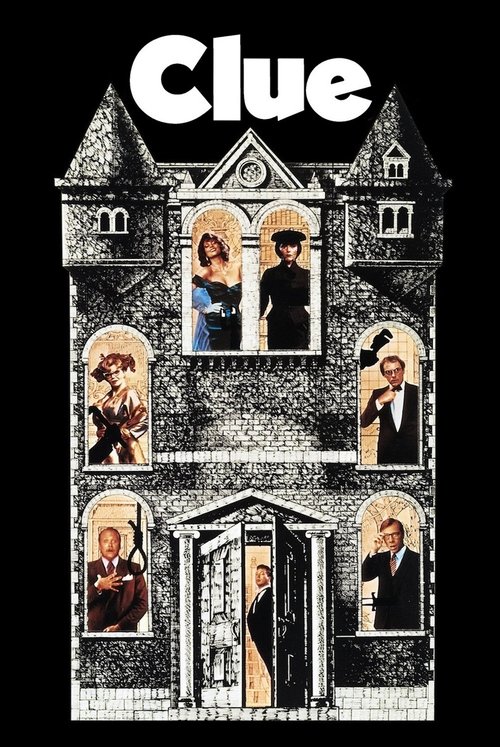
Clue1985
A dinner party becomes a murder mystery board game made flesh. Wildly inventive, funny, and clever—works as both a mystery and a comedy. Three different endings make it endlessly rewatchable.
But If you need grounded drama, this cartoonish energy will exhaust you. Pacing is frenetic; some find it exhausting rather than delightful.
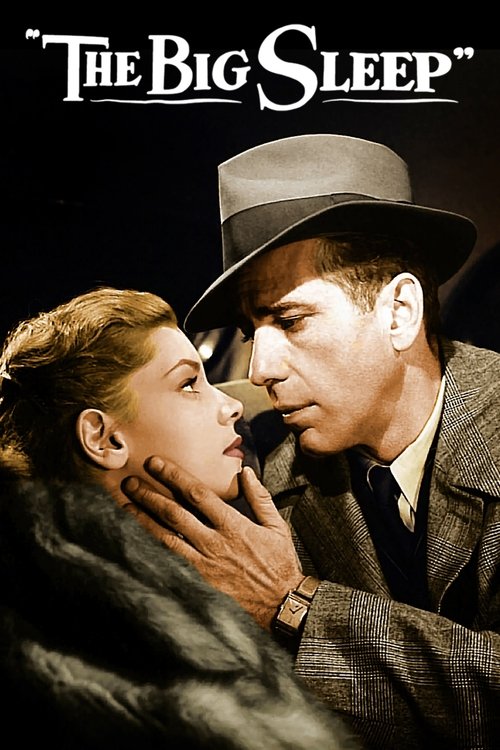
The Big Sleep1946
Bogart and Bacall in a mystery so complex and atmospheric that the plot barely matters. What matters is the chemistry, the dialogue, the cigarette smoke, the sense that anything could happen.
But The plot is genuinely confusing—even the screenwriter admitted they didn't know who killed whom. If coherent mystery matters more than style, you'll be frustrated.
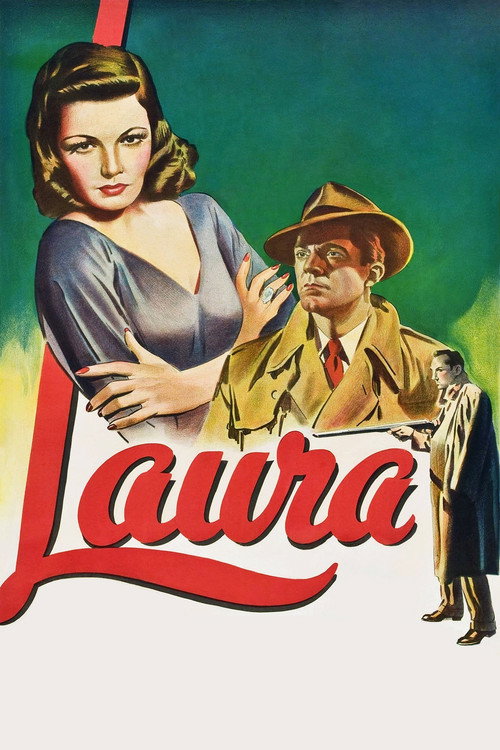
Laura1944
A detective falls in love with a murder victim's portrait while investigating her death. Film noir at its most elegant, with a twist that reframes everything you've watched. Deeply romantic and deeply noir.
But Slow and contemplative; very much of its era. The romance angle might feel maudlin if you prefer hard-boiled cynicism.
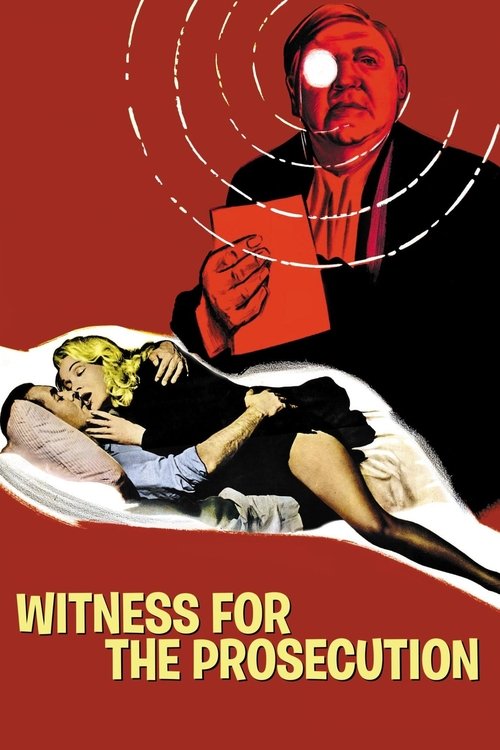
Witness for the Prosecution1957
Agatha Christie's courtroom mystery, directed by Wilder, where a lawyer must prove his client innocent despite overwhelming evidence. Beautifully constructed with a final twist that lands like a punch.
But Feels like a stage play—the trial drags, and there's no real sense of danger. Dated attitudes toward women and disability.
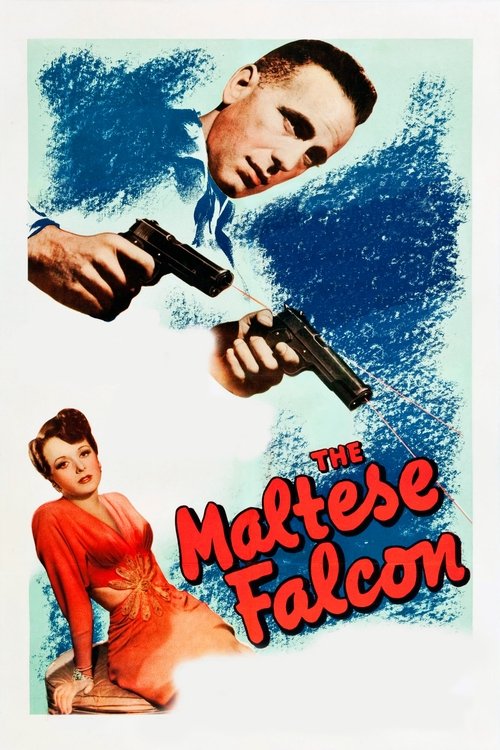
The Maltese Falcon1941
Bogart as Spade, double-crossed at every turn, chasing a MacGuffin through San Francisco fog. Iconic, quotable, endlessly cool. Establishes hard-boiled detective fiction for film.
But Pacing is glacial by modern standards. The misogyny is thick and ugly; Mary Astor's character exists mainly to be betrayed and blamed.
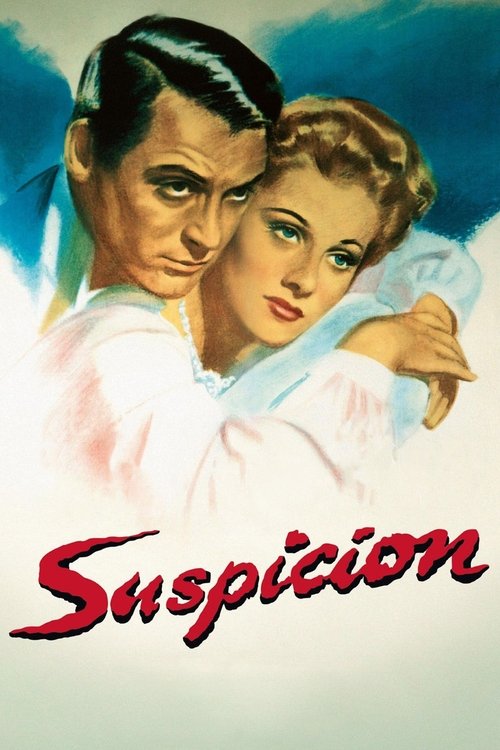
Suspicion1941
Like The Thirteenth Guest, it traps a protagonist among people who might be killers, forcing them to parse truth from suspicion. But Hitchcock sustains the uncertainty where 1932 rushes toward answers.
Cary Grant as a man his new wife suspects might be a murderer. The paranoia is suffocating; every gesture becomes sinister. Hitchcock builds dread from ambiguity—you're never sure if he's guilty, and neither is she.
But The ending undermines everything that came before it. Grant's star power wasn't allowed to be truly dark, so the resolution feels imposed and dishonest.
Nosferatu1922
Both are pre-code thrillers wrestling with mortality and guilt through Gothic machinery. Both understand that mystery works better as mood than as logic, and that what you don't see is always scarier than what you do.
A vampire film that predates sound cinema entirely, made in Weimar Germany. Genuinely unsettling even now—the editing, the shadows, the sense that evil is a force of nature. Influences everything that came after.
But Silent, slow, monochromatic, requires total surrender to its logic. Not a plot you watch passively; it's an atmosphere you inhabit.

People
Cast
 Ginger RogersLela / Marie Morgan
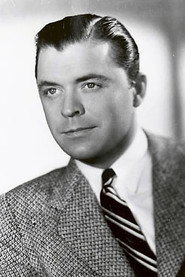 Lyle TalbotPhil Winston
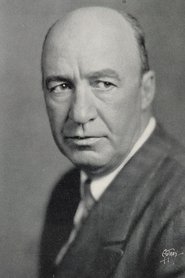 J. Farrell MacDonaldCaptain Ryan
- Paul HurstDetective Grump
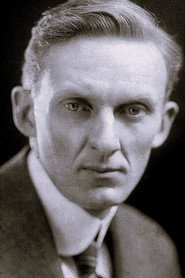 Erville AldersonJohn Adams
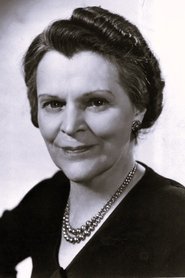 Ethel WalesJane Thornton
- James EaglesBud Morgan
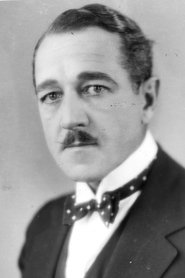 Crauford KentDr. Sherwood
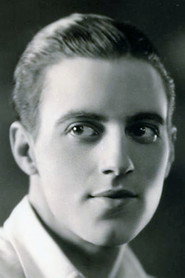 Eddie PhillipsThor Jensen
 Frances RichMarjorie Thornton
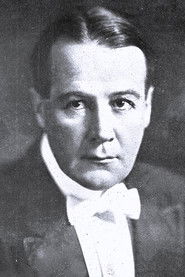 Phillips SmalleyDick Thornton
- Robert KleinJohn Barksdale (uncredited)
Directing
- Gene AndersonAssistant Director
- Albert RayDirector
Writing
- Armitage TrailNovel
- Frances HylandScreenplay
Production
- M.H. HoffmanProducer
- Sidney AlgierProduction Manager