
Film
Life and Nothing But
A 1989 French film about a military major tasked with identifying the war dead and reuniting them with families in post-WWI France. Quiet, elegiac, and humane—less interested in heroics than in the unglamorous work of grief and bureaucracy. For anyone moved by how societies reckon with loss.
Should you watch it?
Watch it if you are drawn to quiet postwar dramas where a patient, decent man's methodical search matters more than big set pieces, and where grief is handled with restraint.
Skip it if you want the war itself on screen, since this is about its long aftermath and moves at a measured, talky pace across a very long running time.
What it asks of you: Over two hours of unhurried scenes, where silences and small gestures carry as much weight as dialogue, and the payoff arrives gradually.
Not sure? Find tonight's pick in a minute.
If you liked this
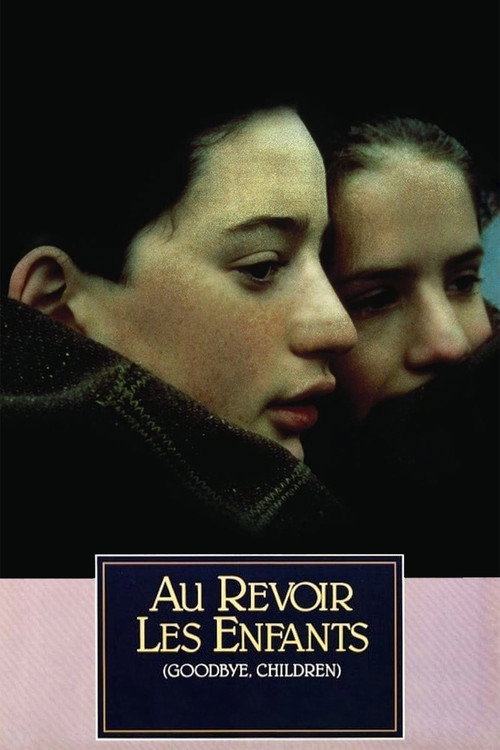
Au Revoir les Enfants1987
Louis Malle's devastating memory of a Catholic boarding school during the Nazi occupation. Like Life and Nothing But, it finds profound moral weight in small moments and the crushing weight of history on ordinary people.
But It's a film about children during wartime, and Malle does not soften what that means. Emotionally exhausting.
The Best Years of Our Lives1946
Three returning WWII servicemen struggle to rebuild lives in peacetime America. Shot immediately after the war, it has the same clear-eyed refusal to sentimentalize—this is what reconstruction actually costs.
But At over three hours, it moves deliberately. Some find the emotional register too restrained for the story being told.

Hiroshima Mon Amour1959
Alain Resnais examines how memory, trauma, and personal loss interweave in the shadow of nuclear devastation. Formally adventurous but deeply felt—a meditation on what nations do and what individuals carry.
But Experimental narrative structure. The romance at its center can feel oblique if you're expecting conventional emotional beats.
Not sure tonight? Get a pick in a minute, starting from Life and Nothing But
The wildcard
Something you would not have found on your own.
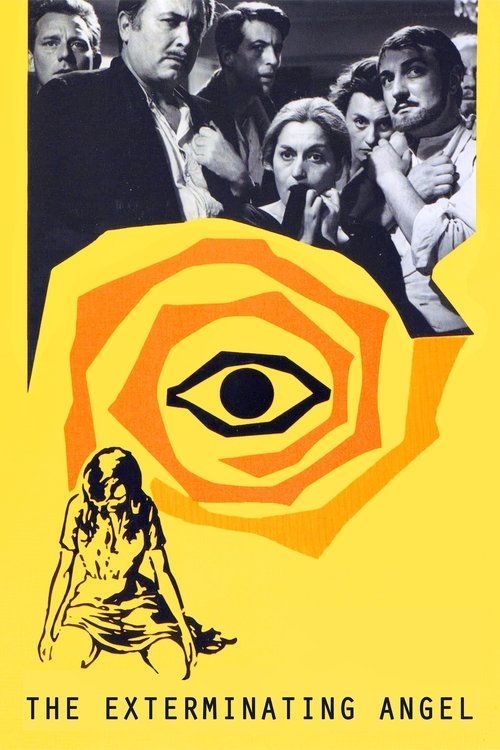
The Exterminating Angel1962
Both films interrogate the structures that keep society functioning and what happens when those structures are stripped away. The work of identifying the dead and the mystery of why people cannot leave a room are structurally parallel—locked systems revealing their own logic.
Buñuel traps the bourgeoisie in a room where they cannot leave, watching civility collapse. Not about war, but about the institutions and rituals we hide behind—the same subject as Tavernier, just rendered as surreal nightmare rather than documentary realism.
But Surrealist, elliptical, sometimes opaque. Expects you to sit with discomfort rather than resolve it.
More like this (6)
The Remains of the Day1993
Anthony Hopkins as a butler reckoning with a lifetime of service and sacrifice. A film about duty, complicity, and the quiet devastation of roads not taken. Shares a fascination with restraint and what goes unsaid.
But Severely controlled performance; very little dramatic outburst. If you need catharsis, this film will not provide it.

Come and See1985
A Soviet film about a boy conscripted into WWII that doesn't flinch from the reality of what war does to the human spirit. Unsparing in a way that makes Life and Nothing But's gentleness feel like an alternative response to the same question.
But One of the most brutal war films ever made. Not an evening's entertainment; an endurance.

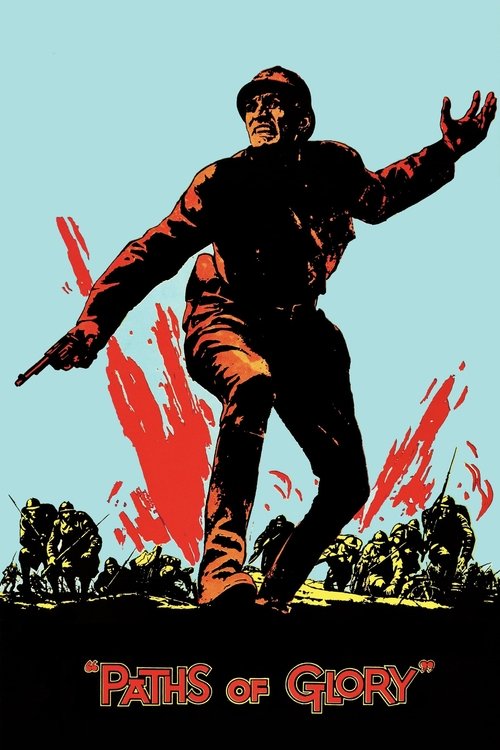
Paths of Glory1957
Kubrick's WWI court-martial drama—a man of principle trying to protect soldiers from military injustice. Shares the same skepticism toward institutional honor and the same quiet rage at waste.
But The famous ending may be too emotionally transparent for some. Kubrick's control can feel cold.
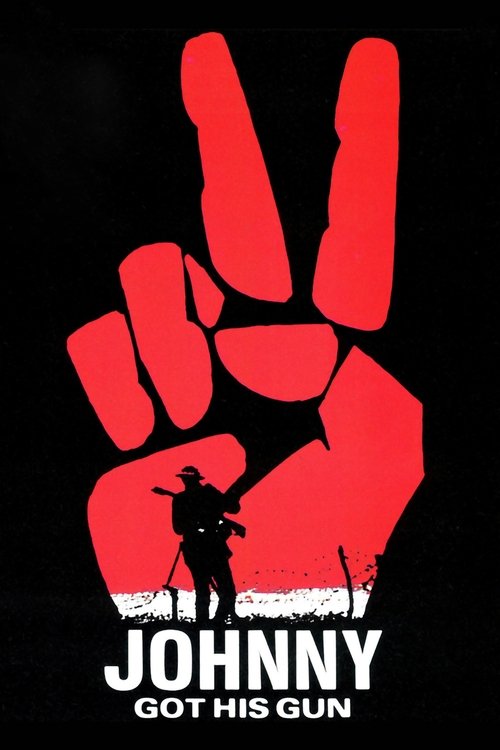
Johnny Got His Gun1971
A WWI soldier, quadriplegic and isolated, struggles with consciousness and communication. A formal experiment about the unspeakable costs of war, radical and strange.
But The premise is harrowing and the execution is deliberately alienating. It's unflinching in ways that can feel punishing.
The Act of Killing2012
Both are about what comes after mass death: how do you process it, live with it, make it bearable? Tavernier chooses bureaucratic grace. Joshua Oppenheimer chooses confrontation and complicity. They're asking the same question from opposite poles.
A documentary about Indonesian death-squad leaders, asked to reenact their crimes for the camera. A brutal interrogation of how nations and individuals live with atrocity. The opposite approach to Life and Nothing But—confrontation instead of elegiac distance—but the same reckoning.
But Watching killers perform their own violence, even reenacted, is morally queasy and sometimes unwatchable. Not for those needing distance from horror.

A Ghost Story2017
Both films are haunted by the dead and what we owe them. Tavernier's dead soldiers need identification and a proper return; Lowery's ghost cannot rest. Two different registers—administrative and supernatural—of the same longing: to do right by those who are gone.
A man dies and haunts his former home, watching time pass in an 11-minute single take. Formally daring, almost science-fictional—but fundamentally about loss, memory, and what we leave behind. A completely different genre arriving at the same emotional core.
But Experimental and visually austere. The famous static take will bore or alienate many viewers. And it's ultimately about the unknowability of the dead, which some find unsatisfying.

People
Cast
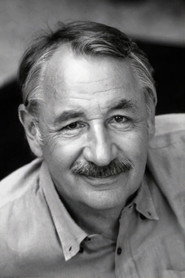 Philippe NoiretCommander Delaplane
 Sabine AzémaIrène de Courtil
 Pascale VignalAlice
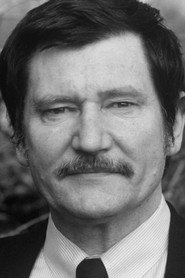 Maurice BarrierMercadot
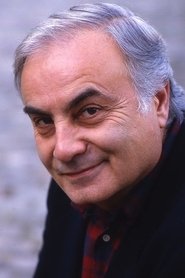 François PerrotPerrin
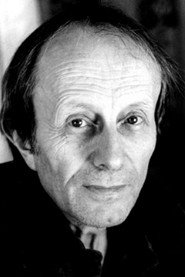 Jean-Pol DuboisAndré, chauffeur
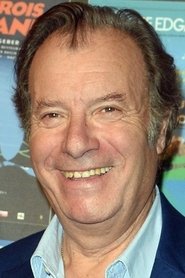 Daniel RussoLieutenant Trévise
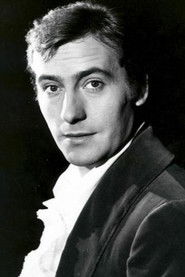 Michel DuchaussoyGeneral Villerieux
 Arlette GilbertValentine
 Louis LyonnetValentin
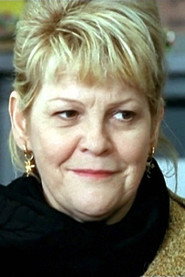 Charlotte Maury-SentierCora Mabel
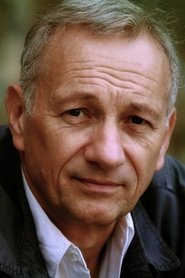 François CaronJulien
Directing
- Bertrand TavernierDirector
Writing
- Jean CosmosDialogue
- Bertrand TavernierScreenplay
- Jean CosmosScreenplay
Production
- René CleitmanProducer