
Film
Female
- Romantic comedy
- Light-hearted
A 1933 comedy about a woman running an auto factory who meets her match in an independent engineer. Ruth Chatterton commands the screen as someone navigating workplace power and romantic possibility, refusing easy answers about ambition and desire. It's brisk, witty, and curious about whether a woman can have both success and love without sacrificing herself.
If you liked this
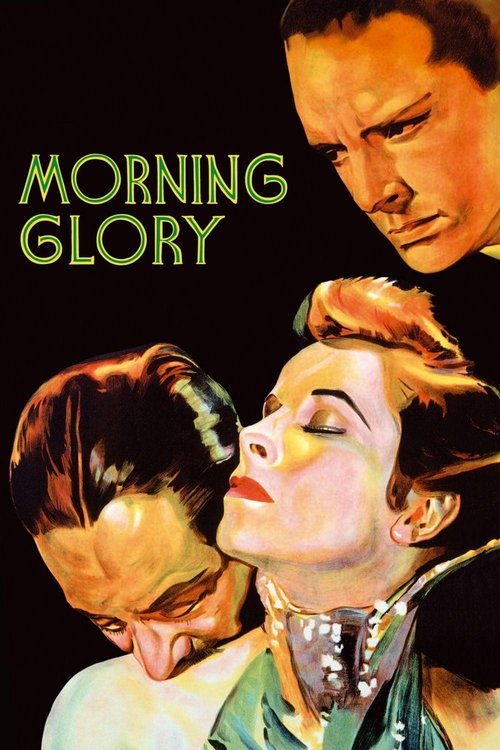
Morning Glory1933
Katharine Hepburn as an ambitious actress chasing her dreams in New York. Like Female, it's a smart comedy about a woman refusing to apologize for wanting more, with real screwball energy and genuine vulnerability beneath the ambition.
But The pacing feels theatrical and dated; some of the comedy lands softly by modern standards, and the romantic resolution might feel like a concession.
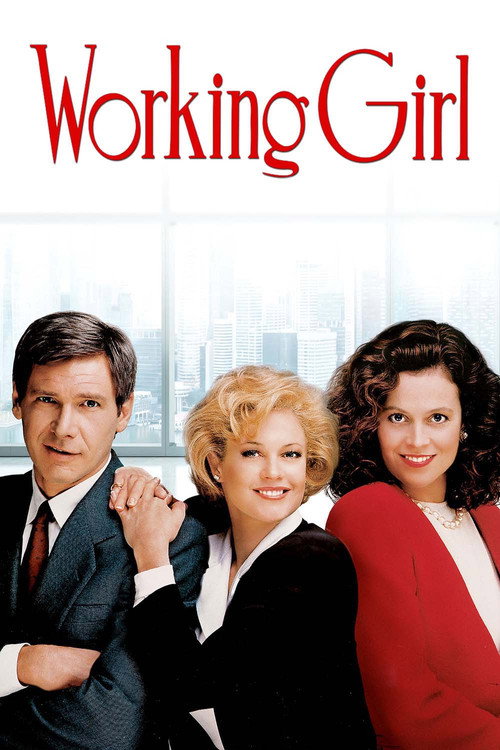
Working Girl1988
Melanie Griffith as a secretary fighting her way up in Manhattan finance. It has the same DNA—a woman outmaneuvering the system, workplace romance as a real complication rather than the plot's destination, and genuine warmth under the competition.
But The 1980s production design and some gender politics haven't aged as thoughtfully as the film itself. It occasionally plays things broader than it needs to.
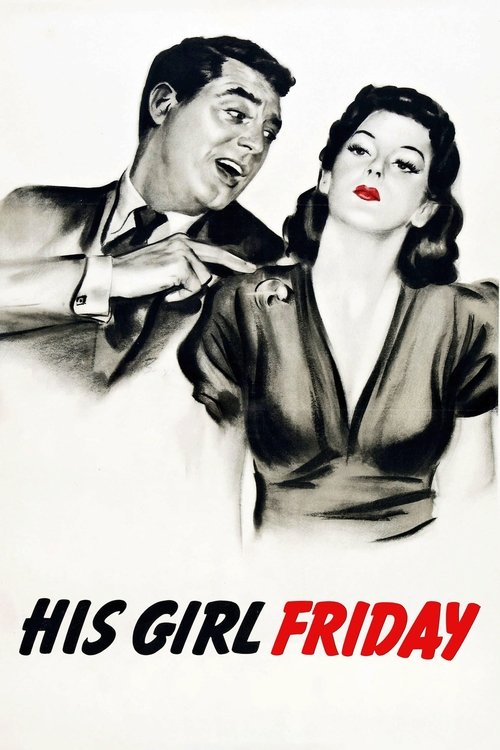
His Girl Friday1940
Rosalind Russell as a newspaper reporter refusing to be sidelined by the men around her. Ferociously witty, fast-talking, and built on the idea that ambition and romance are both real without either one being the consolation prize.
But It's a remake of a 1931 play, and the rapid-fire dialogue demands attention; some viewers find it exhausting rather than exhilarating.
Not sure tonight? Get a pick in a minute, starting from Female
The wildcard
Something you would not have found on your own.
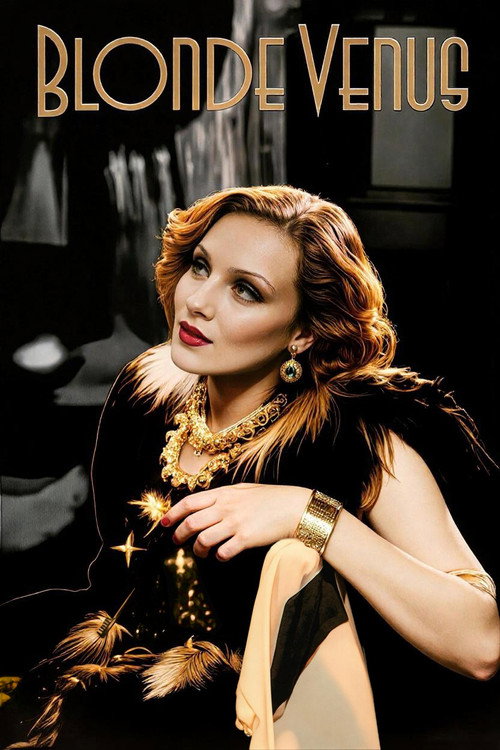
Blonde Venus1932
Both are 1933 films about women navigating professional and romantic worlds where the rules are written by men, but where personal power and survival instinct matter more than conventional morality or happy endings.
Marlene Dietrich as a former cabaret singer navigating motherhood, marriage, and survival. Like Female, it's about a woman with agency and intelligence adapting to impossible circumstances, but it's darker and more desperate—she's not a factory executive but someone truly cornered, and the film is unsparing about what that costs.
But It's melodramatic and Josef von Sternberg's style is heavy-handed; the plot mechanics feel contrived, and Dietrich's mystique can read as affected rather than compelling.
More like this (8)
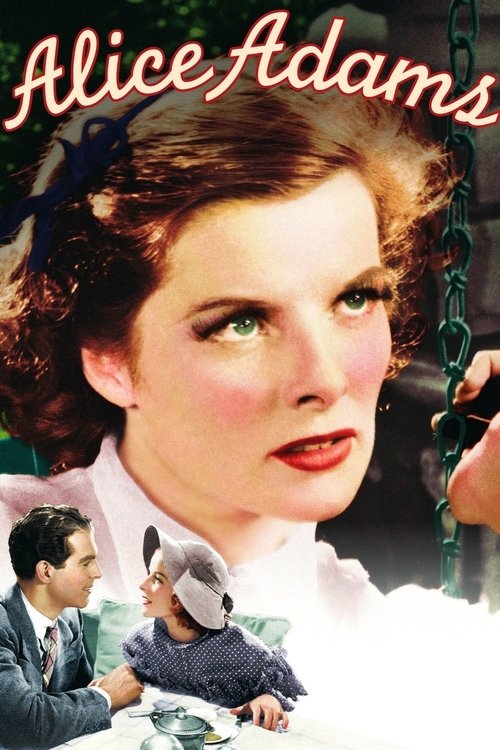
Alice Adams1935
Katharine Hepburn again, but this time as a woman desperate to climb the social ladder in a small town. It shares Female's interest in female ambition and the compromises it demands, with a poignant edge that deepens the comedy.
But It's melancholy in ways that undercut the fun; the ending is bittersweet in a way some viewers find more sad than satisfying.
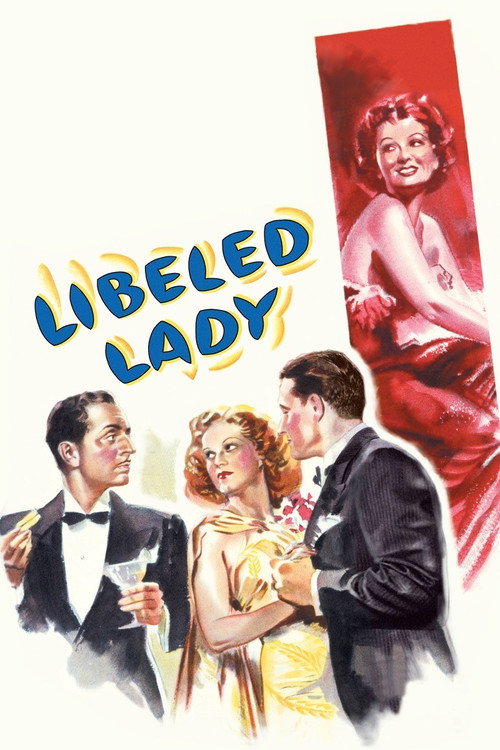
Libeled Lady1936
Jean Harlow holds her own against a newspaper team trying to con her. A perfect screwball that treats its female lead as clever and capable, with genuine chemistry and a plot that zigs when you expect it to zag.
But The screwball style demands chemistry and timing that not everyone enjoys; if rapid banter feels like work, this won't click.
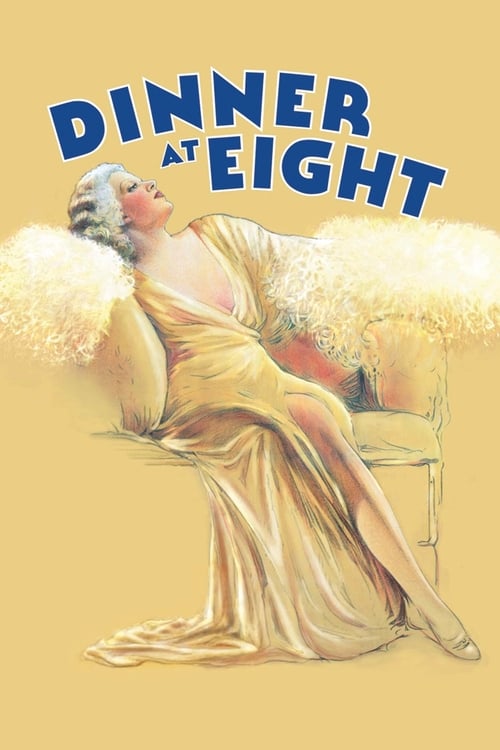
Dinner at Eight1933
Marie Dressler, Jean Harlow, and Wallace Beery in an ensemble about a dinner party in Depression-era Manhattan. Female shares its year and its interest in power dynamics between men and women, with style and real human awkwardness beneath the glamour.
But It's an ensemble, so no single character dominates; the pacing reflects 1933 more than modern thrillers, which some find slow.
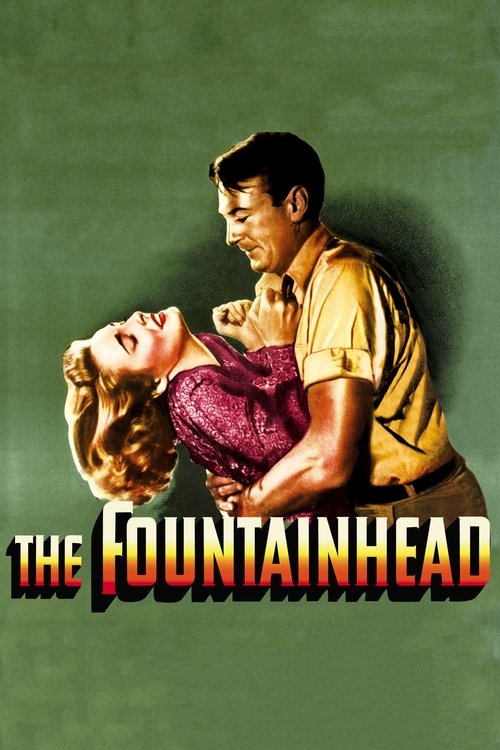
The Fountainhead1949
Gary Cooper and Patricia Neal in Ayn Rand's monument to individualism. A woman architect willing to sacrifice everything for principle; it's ideologically extreme but genuinely fascinated by ambition as a moral act, not a character flaw.
But Ayn Rand adaptations are not for everyone; it's long, didactic, and unapologetically about ideas rather than character nuance. Some find it insufferably preachy.
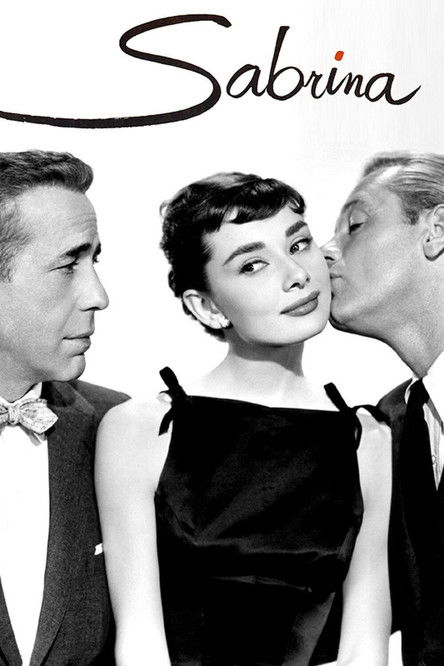
Sabrina1954
Audrey Hepburn returns from Paris as something more than a secretary. Billy Wilder's gentle comedy about transformation and choice, where the woman's agency matters more than which man she picks. Smart and surprisingly moving.
But The romantic plot can feel like it overshadows the real story; some viewers want more edge, less restraint and elegance.
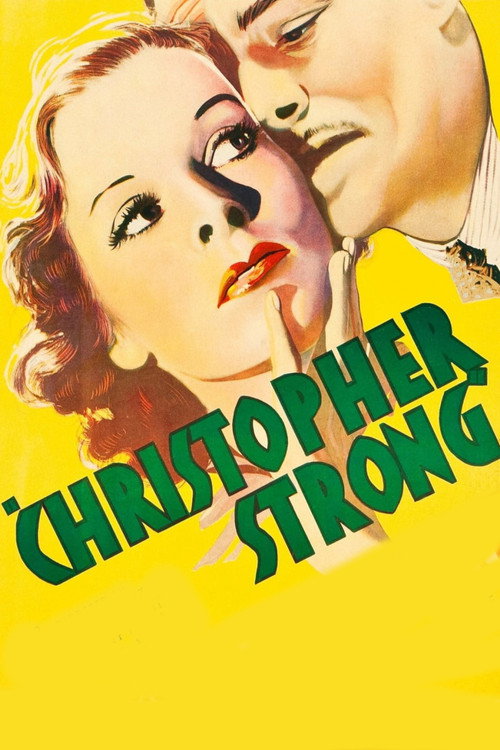
Christopher Strong1933
Katharine Hepburn as an aviation pioneer in love with a married man. Released the same year as Female, it's equally interested in the collision between ambition and desire, with a genuinely tragic final act that Female avoids.
But The aviation sequences are dated, and the ending is genuinely depressing rather than cathartic. It's a downer, which is sometimes exactly why it matters.
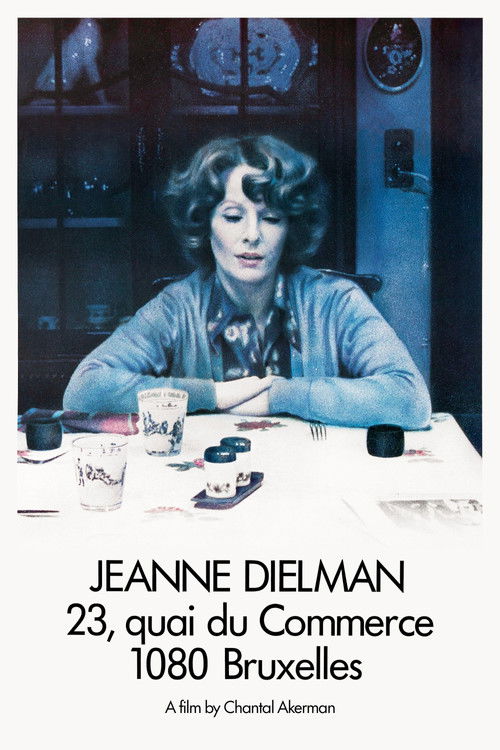
Jeanne Dielman, 23, quai du Commerce, 1080 Bruxelles1976
Both films treat female agency as tied to economic necessity and personal calculation rather than romance or redemption. Both ask what a woman's work actually is and whether there's a difference between factory management and survival.
Chantal Akerman's three-hour meditation on a Belgian housewife's routine—cooking, cleaning, receiving clients as a sex worker. It's radically different in form and era, but it shares Female's unsentimental interest in how women organize their lives around work and desire, making the invisible visible.
But It's experimental, deliberately static, and asks for patience rather than entertainment. Three hours of quotidian routine will feel like punishment to anyone expecting conventional narrative momentum.
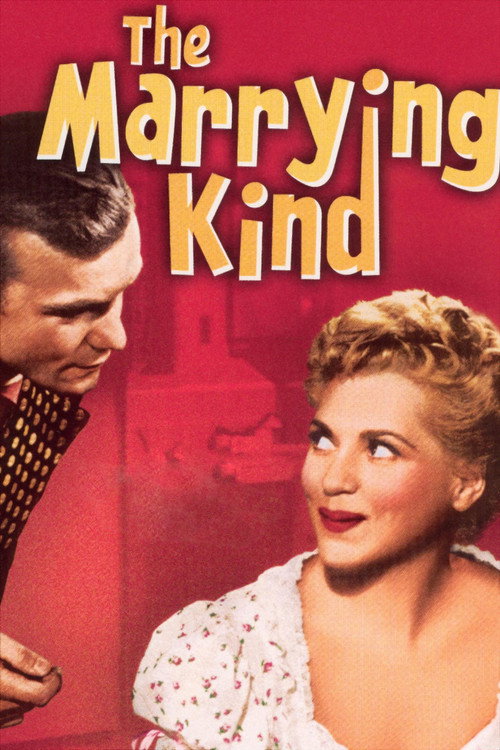
The Marrying Kind1952
Both examine the collision between romantic possibility and practical self-interest without pretending there's an easy answer. Both suggest that ambition and love are real needs that don't necessarily resolve into a tidy ending.
Judy Holliday and Aldo Ray as a couple in a divorce court, remembering their marriage in flashbacks. It's a comedy that's also genuinely about the friction between ambition, affection, and disappointment—how two people can love each other and still damage one another.
But It's sentimental in ways that modern comedies avoid; the emotional register is earnest rather than ironic, which some viewers find dated or manipulative.
People
Cast
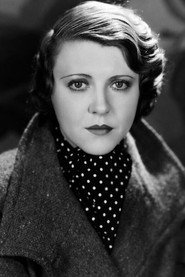 Ruth ChattertonAlison Drake
 George BrentJim Thorne
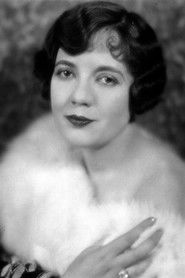 Lois WilsonHarriet Brown
 Johnny Mack BrownGeorge P. Cooper
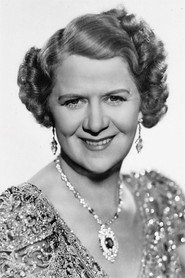 Ruth DonnellyMiss Frothingham
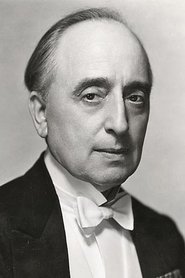 Ferdinand GottschalkPettigrew
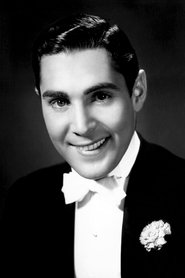 Phillip ReedFreddie Claybourne
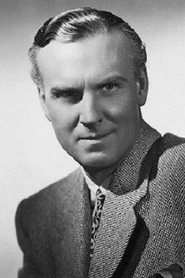 Gavin GordonBriggs

- Huey WhitePuggy
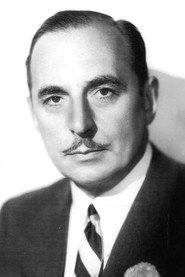 Douglass DumbrilleGeorge Mumford
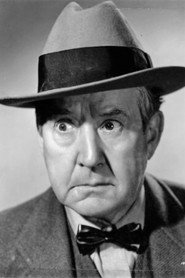
Directing
- William A. WellmanAssistant Director
- William DieterleAssistant Director
- Michael CurtizDirector
Writing
- Donald Henderson ClarkeWriter
- Gene MarkeyWriter
- Kathryn ScolaWriter
Production
- William ForsythCasting Assistant
- Maxwell ArnowCasting Director
- Robert Presnell Sr.Producer