
Film
Christopher Strong
A 1933 melodrama about an affair between a married politician and a daring female aviator. Katharine Hepburn commands the screen with rare early conviction, though the film punishes her character's independence with Victorian moralism. It's a portrait of 1930s gender anxiety dressed as romantic tragedy—fascinating as artifact, gripping as drama.
If you liked this
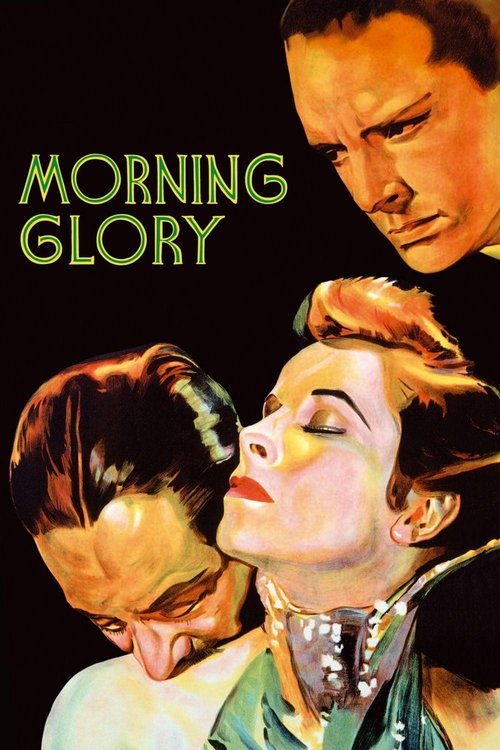
Morning Glory1933
Hepburn in her Oscar-winning role as an ambitious young actress, with the same fierce energy and outsider sensibility. A better film than Christopher Strong, but made the same year and showing what she could do in superior material.
But It's a creaky backstage melodrama with dated romantic plotting. The romance itself is thin, and you're mainly here for Hepburn's performance.
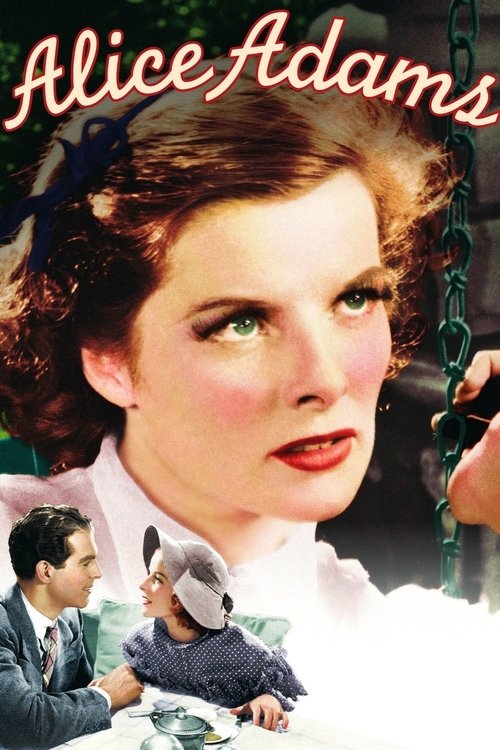
Alice Adams1935
Hepburn at her best, playing a girl desperate to escape her circumstances through social ambition and a good marriage. The film understands her character's yearning with real empathy and doesn't punish her for wanting more.
But It's a small-scale drama about provincial disappointment. If you want spectacle or momentum, this will feel slow and claustrophobic.
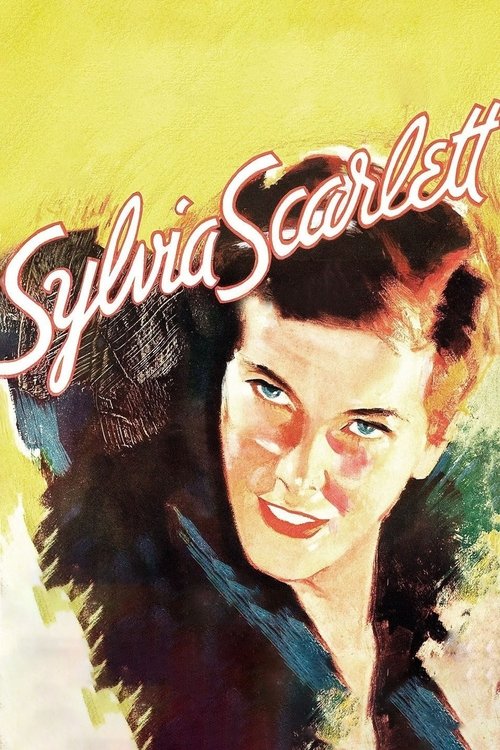
Sylvia Scarlett1935
Hepburn plays a girl who disguises herself as a boy and flees her father. It's strange, gender-fluid, and genuinely about freedom and reinvention—the things Christopher Strong only pretends to celebrate.
But It's quite peculiar and tonally unstable. The second half in particular feels like the film is making things up as it goes. Some viewers find it liberating; others just find it messy.
Not sure tonight? Get a pick in a minute, starting from Christopher Strong
The wildcard
Something you would not have found on your own.
Amarcord1973
Both examine how society constrains desire, but Fellini finds it grotesque and comic where 1933 Britain found it tragic. Amarcord shows what the same story looks like when you refuse to mourn the restriction.
Fellini's memory film about adolescence and desire under fascism. Like Christopher Strong, it's about yearning and social control, but it refuses the tragedy—it finds absurdity, eroticism, and survival in the conflict between individual want and state demand.
But It's deliberately shapeless and dreamlike. If you want linear story or clear character arcs, this will feel indulgent and baroque. It's also in Italian and plays by no rules you'll recognize.
More like this (7)
The Aviator2004
DiCaprio as Howard Hughes obsessed with aviation and defying limits. It captures the same intoxication with speed and transgression, but from inside the obsession rather than punishing it from outside.
But It's long, maximalist, and doesn't much care whether you like Hughes. Scorsese loves him, and that love is exhausting.

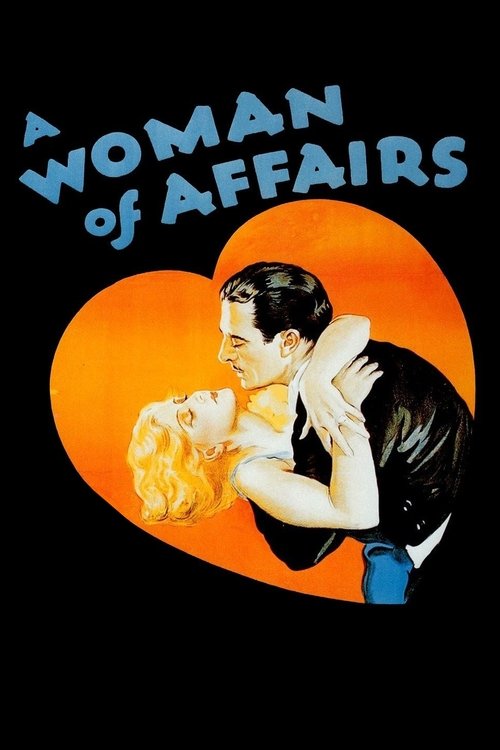
A Woman of Affairs1928
Greta Garbo as a woman whose independence and passion destroy her social position. It's the spiritual predecessor to Christopher Strong—the same tragic formula but with a greater actress and more style.
But Silent cinema requires patience and active engagement. The melodrama is heavy-handed, and Garbo's ethereal style won't speak to everyone.
Brief Encounter1945
Two married people fall in love against their better judgment. Lean and Coward create genuine romantic tension while understanding exactly why the affair must end—it's mature filmmaking about impossible desire.
But It's restrained to the point of emotional constraint. If you want passion rather than suppression, you'll find it frustratingly controlled.

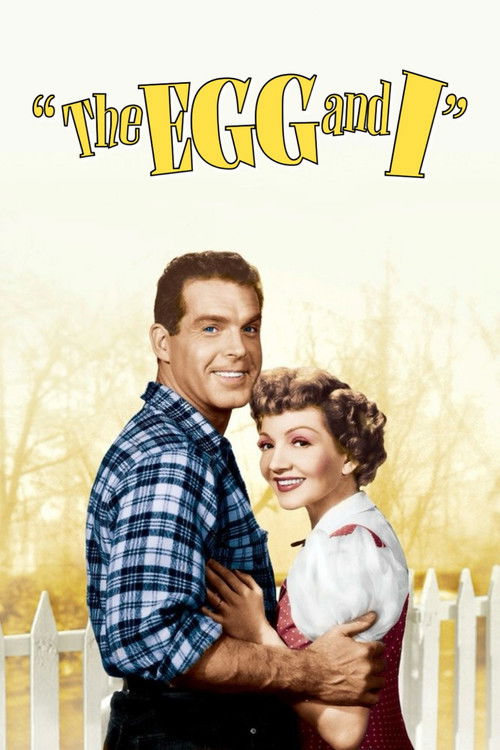
The Egg and I1947
Hepburn and Spencer Tracy as newlyweds on a chicken farm, playing off each other with real chemistry and wit. It's late Hepburn when she'd learned to bend without breaking.
But It's a domestic comedy aimed at a post-war audience. The gender politics are now comically retrograde, even for the period.
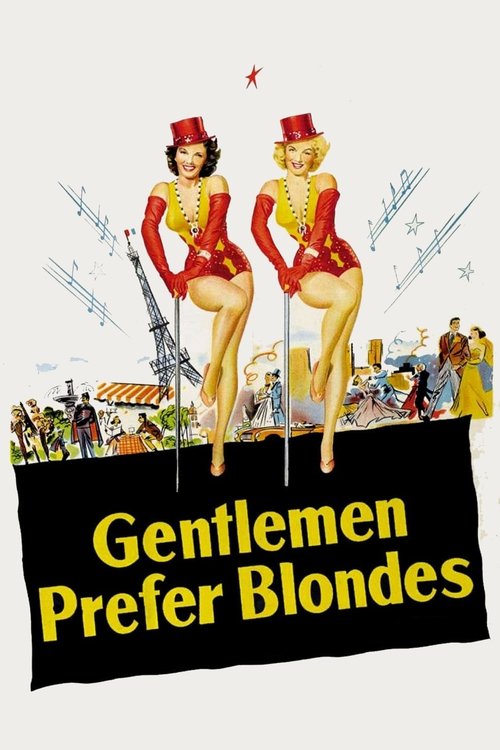
Gentlemen Prefer Blondes1953
Jane Russell and Marilyn Monroe as women who know exactly what they're doing and refuse to apologize. It's the inverse of Christopher Strong's punishment ethic—careless, joyful, and entirely on the women's side.
But It's a musical comedy that prizes spectacle over story. If you want character depth or narrative coherence, you're looking in the wrong place.
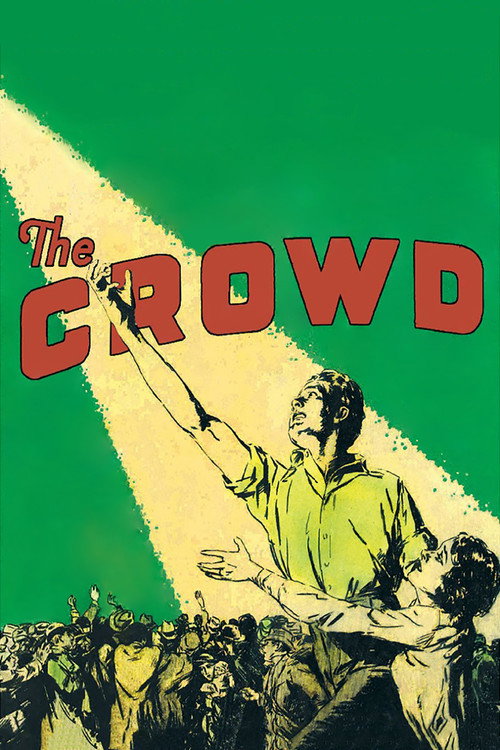
The Crowd1928
King Vidor's silent masterpiece about ordinary people crushed by ordinary life. It shares Christopher Strong's fascination with how society destroys individual desire, but with more sympathy and less moralizing.
But It's deeply depressing and silent. The realism is unsparing, and the ending won't console you.
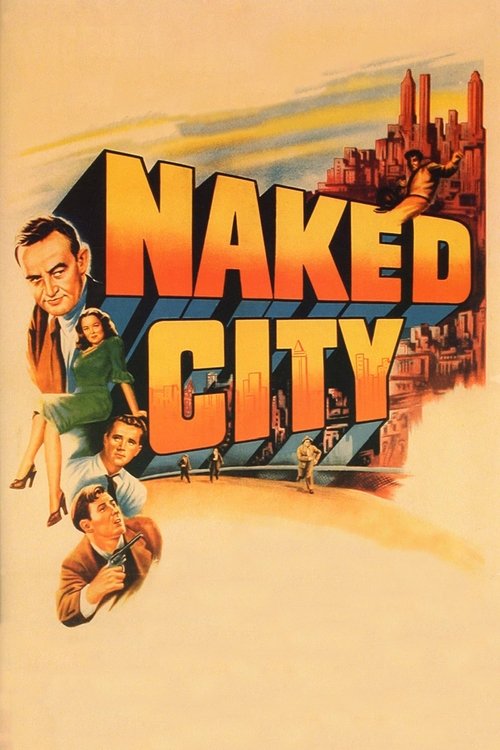
The Naked City1948
Christopher Strong is trapped by the need to judge its characters morally; The Naked City is liberated by the assumption that people are just people making choices in a city that doesn't care. Both are about colliding desires, but one is crushed by morality and one is swallowed by indifference.
Dassin's noir about a police investigation that moves through New York like a symphony. It's interested in surfaces, accident, and the collision of private lives with public machinery—the thing Christopher Strong wanted to explore but couldn't quite manage.
But It's a procedural thriller, not a character study. The murder plot matters more than psychology, and you have to accept that not everything will be explained or resolved.
People
Cast
 Katharine HepburnLady Cynthia Darrington
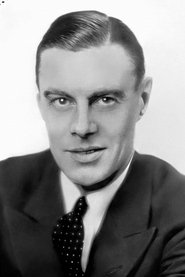 Colin CliveSir Christopher Strong
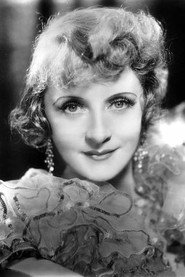 Billie BurkeLady Elaine Strong
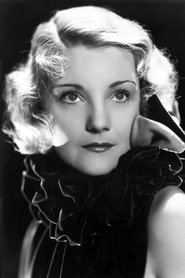 Helen ChandlerMonica Strong
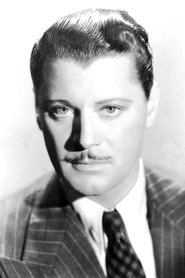 Ralph ForbesHarry Rawlinson
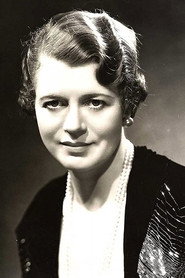 Irene BrowneCarrie Valentine
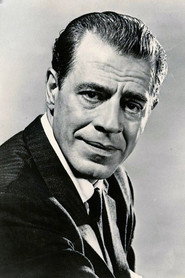 Jack La RueCarlo
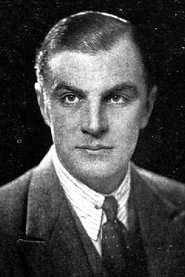 Desmond RobertsBryce Mercer
- Agostino BorgatoFortune Teller (uncredited)
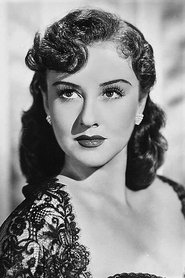 Margaret LindsayAutograph Seeker at Party (uncredited)
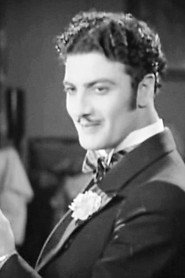 Paul RalliTango Dancer (uncredited)
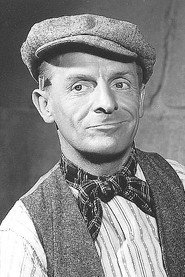 Donald StuartJoseph Drummond (uncredited)
Directing
- Edward KillyAssistant Director
- Robert MargolisAssistant Director
- Thomas AtkinsAssistant Director
- William CodyAssistant Director
- Dorothy ArznerDirector
Writing
- Gilbert FrankauNovel
- Zoë AkinsScreenplay
Production
- Pandro S. BermanAssociate Producer
- David O. SelznickProducer
- C.J. WhiteProduction Manager
- Archie HillUnit Manager